Tanzania Safari Packages
October 6, 2026
Southern Tanzania Safari
October 6, 2026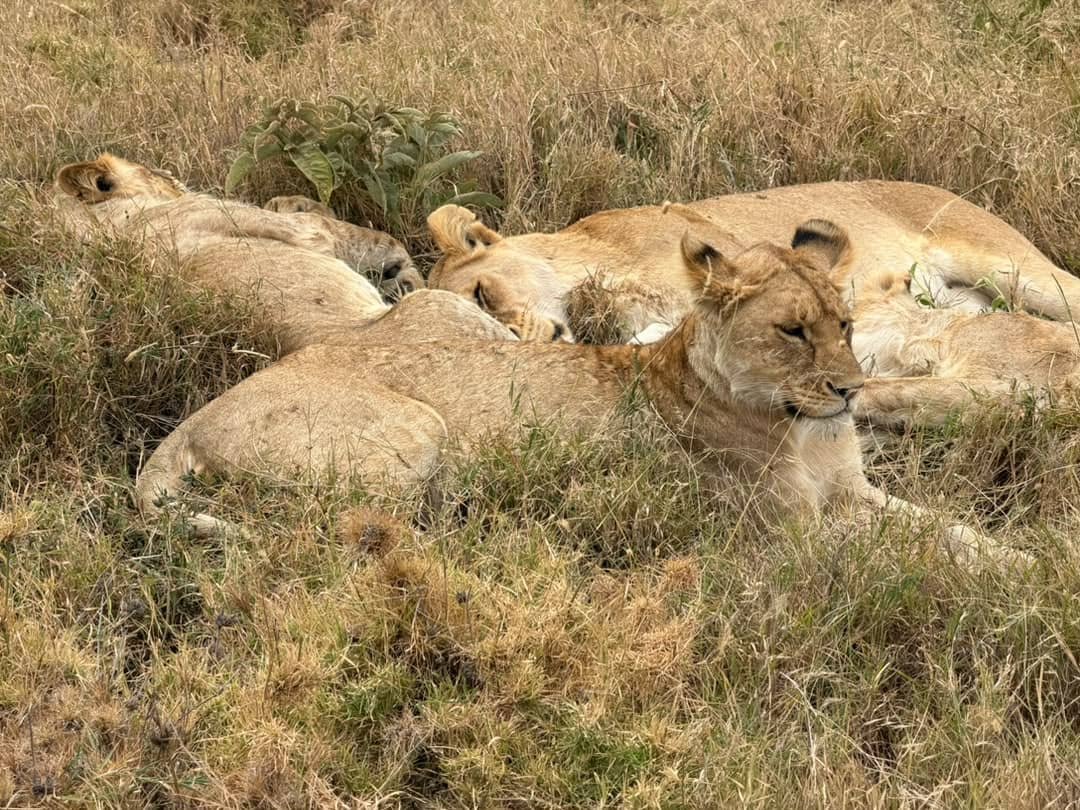
A Northern Tanzania Safari offers one of Africa’s most complete wildlife experiences. The famous Northern Circuit brings together Serengeti National Park, Ngorongoro Conservation Area, Tarangire National Park, and Lake Manyara National Park. Together, these destinations offer dramatic landscapes, large wildlife populations, rich birdlife, cultural experiences, and some of the continent’s most famous safari events. The region also has excellent road connections, accommodation choices, and air links. This makes it a practical choice for both first-time visitors and experienced safari travellers.
For travellers planning their first African safari, the Northern Circuit can feel overwhelming. Each park has a different character, and the best route depends on the time of year, available days, budget, and wildlife interests. Some visitors want to follow the Great Wildebeest Migration. Others prefer elephants, big cats, photography, birding, or a balanced safari that covers several habitats. With the right planning, Zamunda Travels can help travellers build an itinerary that matches their interests without spending too much time on unnecessary transfers.
What Is the Northern Tanzania Safari Circuit?
The Northern Tanzania Safari circuit is a popular travel route through northern Tanzania. It normally links Arusha with destinations such as Tarangire, Lake Manyara, Ngorongoro and Serengeti. The exact order can change depending on the itinerary and season. TANAPA identifies the Northern Tourist Circuit as an important tourism region supported by roads, accommodation, airports, airstrips, and other visitor infrastructure.
The route works especially well because several major wildlife areas lie within a connected travel region. Travellers can begin around Arusha, explore Tarangire, continue towards the Great Rift Valley and Ngorongoro, and then travel into the vast Serengeti ecosystem. Longer itineraries can also include areas such as Lake Eyasi or extend towards other northern destinations. This combination allows visitors to experience several ecosystems during one trip instead of focusing on a single park.
Why Choose a Northern Tanzania Safari?
A Northern Tanzania Safari stands out because it combines wildlife variety with spectacular scenery. The Serengeti is famous for its huge plains and annual migration. Ngorongoro provides an extraordinary concentration of wildlife within a volcanic caldera. Tarangire is particularly well known for elephants and baobab landscapes. Lake Manyara offers groundwater forests, birdlife, Rift Valley scenery, and the possibility of seeing tree-climbing lions.
Another advantage is flexibility. Travellers with only three or four days can focus on a small number of destinations. Visitors with a week can combine the major parks. Those with more time can slow down the itinerary and spend several nights in the Serengeti. This creates more opportunities for game drives and reduces the amount of time spent travelling between lodges.
For travellers who want a classic East African safari, this region provides an impressive balance. You can watch elephants beside ancient baobabs in Tarangire, descend into the Ngorongoro Crater, and search for lions across the Serengeti plains. The experience changes from one destination to another, which keeps the journey varied.
Serengeti National Park: The Heart of the Northern Circuit
Serengeti National Park is one of the defining destinations of a Northern Tanzania Safari. UNESCO describes the park as a vast savannah landscape covering about 1.5 million hectares. It is internationally famous for the annual movement of huge herds of wildebeest, zebras, and gazelles, followed by predators. Serengeti National Park became a UNESCO World Heritage Site in 1981.
The Great Migration is one of the main reasons travellers visit Serengeti. However, it is important to understand that the migration is not a single event that happens in one place on one exact date. The animals move through different parts of the Serengeti ecosystem during the year. Their movements respond mainly to rainfall, fresh grass, water, and seasonal conditions. Therefore, travellers should choose the Serengeti area based on their travel dates rather than expecting the herds to remain in one location.
Serengeti also offers excellent resident wildlife throughout the year. Lions, leopards, cheetahs, elephants, buffaloes, giraffes, hippos, hyenas, and many antelope species can be encountered. TANAPA also records more than 500 bird species in the park.
For photography enthusiasts, Serengeti provides exceptional opportunities. The open plains create wide views, while rocky kopjes provide dramatic settings for lions and other wildlife. Early morning and late afternoon game drives often provide beautiful light and active wildlife. Travellers who want a deeper Serengeti experience should consider staying at least two or three nights instead of rushing through the park.
Ngorongoro Conservation Area: A Unique Wildlife Experience
Ngorongoro Conservation Area is another major highlight of the Northern Tanzania Safari. The conservation area covers about 809,440 hectares and combines wildlife conservation, highland landscapes, forests, archaeological sites, and traditional livestock grazing by Maasai communities. UNESCO recognizes Ngorongoro as a mixed World Heritage property because of both its natural and cultural importance.
The Ngorongoro Crater is the area’s most famous attraction. It is the world’s largest unbroken caldera and supports a high concentration of wildlife. The crater floor contains grasslands, wetlands, woodland areas, and other habitats. These environments support large numbers of herbivores and predators.
A crater game drive can provide opportunities to see lions, elephants, buffaloes, zebras, wildebeest, hippos, hyenas and other species. Black rhinos are also present in the wider conservation area. However, wildlife sightings are never guaranteed, and responsible safari guides should avoid promising specific animals.
Ngorongoro also adds an important cultural and historical dimension to the safari. The conservation area includes Olduvai Gorge, a major archaeological site associated with research into human evolution. UNESCO notes that the wider area contains evidence spanning millions of years of human and environmental history.
Tarangire National Park: Elephants and Baobab Landscapes
Tarangire National Park is an excellent addition to a Northern Tanzania Safari, particularly for travellers who enjoy elephants and scenic landscapes. TANAPA describes the park as famous for its large elephant herds and iconic baobab-dotted scenery. The park covers approximately 2,850 square kilometres and takes its name from the Tarangire River.
The Tarangire River becomes particularly important during dry periods because wildlife gathers around available water sources. This can create rewarding game-viewing conditions. Elephants are one of the park’s major attractions, while lions, leopards, cheetahs, buffaloes, giraffes, zebras, wildebeest, antelopes, and many bird species also occur in the area.
The scenery gives Tarangire a distinctive identity. Huge baobabs rise above the grasslands, while the river and woodland areas create a varied environment. The park also supports interesting species that visitors may not always encounter elsewhere on a short Northern Circuit itinerary.
Tarangire works particularly well at the beginning or end of a northern safari. TANAPA notes that the park has good road access from Arusha and can fit naturally into itineraries connecting with Lake Manyara, Ngorongoro and Serengeti.
Lake Manyara National Park: Forests, Birds and Tree-Climbing Lions
Lake Manyara National Park provides a very different experience from the open plains of Serengeti. The park covers 648.7 square kilometres and sits at the base of the Great Rift Valley escarpment. Its ecosystems include groundwater forests, woodland, grassland and the alkaline lake itself.
One of the park’s most famous attractions is its tree-climbing lions. Although lions can climb trees in several parts of Africa, Manyara is well known for this behaviour. Visitors may also encounter elephants, buffaloes, hippos, giraffes, baboons, blue monkeys and numerous bird species.
Birdwatchers can find Lake Manyara particularly rewarding. The lake and surrounding habitats attract flamingos and many other waterbirds. TANAPA records more than 400 bird species in the park.
Lake Manyara also fits easily into a Northern Circuit route. Its location near Mto wa Mbu makes it practical for travellers moving between Tarangire, Ngorongoro and Serengeti. TANAPA states that the park is around 125 kilometres from Arusha by road and usually takes about two to two and a half hours under normal road conditions.
Best Time for a Northern Tanzania Safari
The best time for a Northern Tanzania Safari depends on what you want to see. The dry months from June to October are popular because vegetation becomes less dense and animals often gather around reliable water sources. These conditions can make wildlife easier to locate.
However, the green seasons also have important advantages. Landscapes become greener, bird activity can increase, and many areas receive fewer visitors. January and February are particularly important for the southern Serengeti because they often coincide with the wildebeest calving season. TANAPA identifies January and February as a key period for calving in Serengeti, while June to October is a popular dry-season period.
Travellers should avoid choosing dates based only on the phrase “best time.” There is no single month that is perfect for every safari goal. Someone interested in calving may choose different dates from someone seeking dry-season wildlife viewing. A knowledgeable safari company such as Zamunda Travels can match the route to the season and the traveller’s priorities.
How Many Days Do You Need?
The ideal length depends on your priorities. A three-day safari can provide a quick introduction to the Northern Circuit, but it requires a carefully selected route. A four- to five-day itinerary gives travellers more time to combine two or three major destinations. Six to eight days provides a much more relaxed experience and allows additional time in Serengeti.
For a classic first safari, a five- to seven-day itinerary can work particularly well. Travellers might spend time in Tarangire, Ngorongoro and Serengeti. Those who want a slower journey can add Lake Manyara or spend an additional night in Serengeti.
Longer trips also reduce the pressure of daily transfers. Instead of leaving one park early every morning, travellers can enjoy full game-drive days. This matters because wildlife viewing requires patience. The best sightings can happen when you remain in an area long enough to observe animal behaviour.
Sample 3-Day Northern Tanzania Safari
A three-day itinerary can focus on Tarangire, Ngorongoro and a short Serengeti experience. The first day can begin in Arusha and continue to Tarangire for an afternoon game drive. The second day can take travellers towards Ngorongoro, followed by a crater game drive. The final day can include additional wildlife viewing before returning towards Arusha.
This itinerary suits travellers with limited time. However, it provides less time for Serengeti exploration. Travellers who specifically want the Great Migration should consider a longer itinerary.
Sample 5-Day Northern Tanzania Safari
A five-day route can offer a better balance. Travellers can begin with Tarangire, continue to Ngorongoro, and then spend two nights in Serengeti before returning towards Arusha. Depending on the season and road conditions, Lake Manyara can replace Tarangire or form part of a customised route.
This format gives visitors more time for game drives. It also allows the safari company to adjust the route according to wildlife movements and accommodation availability.
Sample 7-Day Northern Tanzania Safari
A seven-day itinerary allows a deeper exploration of the Northern Circuit. Travellers can spend a day in Tarangire, visit Lake Manyara, explore Ngorongoro, and spend several nights in Serengeti. The additional time makes it easier to include different Serengeti areas when seasonal wildlife movements require a more flexible route.
For first-time visitors, this length offers a strong balance between variety and relaxation. It also provides more opportunities for photography and wildlife observation without making every day feel rushed.
Wildlife You Can See on the Northern Circuit
A Northern Tanzania Safari can provide sightings of many of Africa’s best-known animals. The Big Five—lion, leopard, elephant, buffalo and rhinoceros—occur across the northern safari region, although sightings vary between parks and seasons. Serengeti is especially well known for predators and large herbivore populations. Tarangire is famous for elephants, while Ngorongoro provides a strong chance of seeing diverse wildlife within a relatively compact area.
Other animals include giraffes, zebras, wildebeest, gazelles, hippos, hyenas, warthogs, baboons and numerous antelope species. Birdlife is another major attraction. Tanzania’s national parks support more than 1,100 bird species overall, according to TANAPA.
Wildlife viewing is unpredictable by nature. That uncertainty forms part of the appeal of safari. A good guide understands animal behaviour, follows park rules, and works with other guides to improve the chances of rewarding sightings while maintaining respectful distances.
The Great Migration and Northern Tanzania
The Great Wildebeest Migration is one of the biggest reasons travellers choose northern Tanzania. More than one million wildebeest move through the wider Serengeti-Mara ecosystem, accompanied by large numbers of zebra and gazelles. UNESCO describes the annual movement as one of the world’s most impressive natural spectacles.
The migration follows seasonal patterns, but the exact location of the herds can change with rainfall. Therefore, a responsible safari operator should not promise a specific river crossing or herd location months in advance. Instead, the itinerary should use the most likely areas for the travel dates while allowing some flexibility.
This is especially important when planning a migration-focused trip. The experience involves much more than seeing animals move from one point to another. Calving, predator activity, territorial behaviour, river crossings and large grazing herds can all form part of the wider migration story.
Accommodation on the Northern Circuit
Accommodation ranges from budget campsites and simple tented camps to comfortable lodges and luxury tented properties. Your choice depends on your budget, preferred comfort level, location and safari style.
Staying inside or close to a wildlife area can reduce transfer time and provide easier access to early morning game drives. However, accommodation outside the parks can sometimes offer attractive prices and convenient access to nearby attractions. The right choice depends on the itinerary rather than simply choosing the most expensive property.
Zamunda Travels can help travellers select accommodation based on location, budget and safari expectations. A good itinerary should balance comfort with practical access to the areas you want to explore.
How Much Does a Northern Tanzania Safari Cost?
The cost of a Northern Tanzania Safari varies considerably. Important factors include the number of travellers, trip duration, accommodation category, park fees, vehicle type, guide services, meals, airport transfers and season.
Luxury safaris generally cost more because they use premium accommodation and additional services. Budget and mid-range trips can reduce the overall price while still providing excellent wildlife experiences. Private safaris also offer more flexibility than joining a group, although the cost per person can be higher for smaller groups.
Park fees and other official charges can change. Travellers should therefore request an up-to-date quotation before booking. TANAPA publishes official park tariffs and visitor information for its national parks.
What to Pack for a Northern Tanzania Safari
Pack lightweight and comfortable clothing for daytime game drives. Neutral colours can be practical in the bush, although safari clothing does not need to follow strict colour rules. A warm layer is useful because mornings and evenings can feel cool, especially around Ngorongoro’s highlands.
Other useful items include comfortable walking shoes, sunglasses, sunscreen, insect repellent, a hat, reusable water bottle, binoculars and a camera. A small daypack can also make daily game drives more convenient.
Travellers should pack according to their route. If the itinerary includes flights on small aircraft, luggage weight and bag dimensions may be restricted. Always check the airline’s current baggage rules before departure.
Responsible Travel on the Northern Circuit
Responsible tourism is an important part of protecting Tanzania’s wildlife and supporting local communities. Visitors should follow park regulations, avoid feeding animals, maintain safe distances, and never encourage guides to leave designated roads simply for a better photograph.
Travellers can also support conservation by choosing responsible accommodation and safari operators. Respect for local communities matters as well. Cultural visits should be arranged in a way that values local people, traditions and consent rather than treating communities as tourist displays.
The Northern Circuit depends on healthy ecosystems and responsible tourism. Sustainable travel helps protect the landscapes that make the region special for future generations.
Why Book Your Safari with Zamunda Travels?
Zamunda Travels creates tailored safari experiences for travellers who want to explore Tanzania with professional planning and personalised service. Instead of offering the same route to every visitor, the itinerary can be shaped around travel dates, wildlife interests, accommodation preferences and available time.
Whether you want a short Tanzania safari or a longer Northern Circuit adventure, careful planning can make a major difference. The team can help combine Serengeti, Ngorongoro, Tarangire and Lake Manyara in a practical order while considering seasonal wildlife movements.
For travellers visiting Tanzania for the first time, expert guidance can also simplify decisions about accommodation, transport, park visits and daily game drives. The result is a safari that gives you more time to enjoy Tanzania rather than worrying about the logistics.
Plan Your Northern Tanzania Safari with Zamunda Travels
A Northern Tanzania Safari brings together some of Tanzania’s most remarkable wildlife destinations. Serengeti offers vast plains and the Great Migration. Ngorongoro combines wildlife, dramatic volcanic scenery and remarkable cultural history. Tarangire delivers elephants and baobab landscapes, while Lake Manyara adds forests, birdlife and the possibility of seeing tree-climbing lions.
The best itinerary depends on your travel dates, interests, budget and available time. A short trip can focus on the highlights, while a week or longer allows you to slow down and explore more thoroughly. With thoughtful planning, you can create a safari that balances wildlife, scenery, comfort and cultural experiences.
Zamunda Travels can help you plan a personalised Tanzania safari that fits your travel goals. From your first enquiry to the final game drive, the right itinerary can turn a visit to northern Tanzania into an unforgettable African adventure.