Tarangire National Park Safari
October 7, 2026
Arusha National Park
October 7, 2026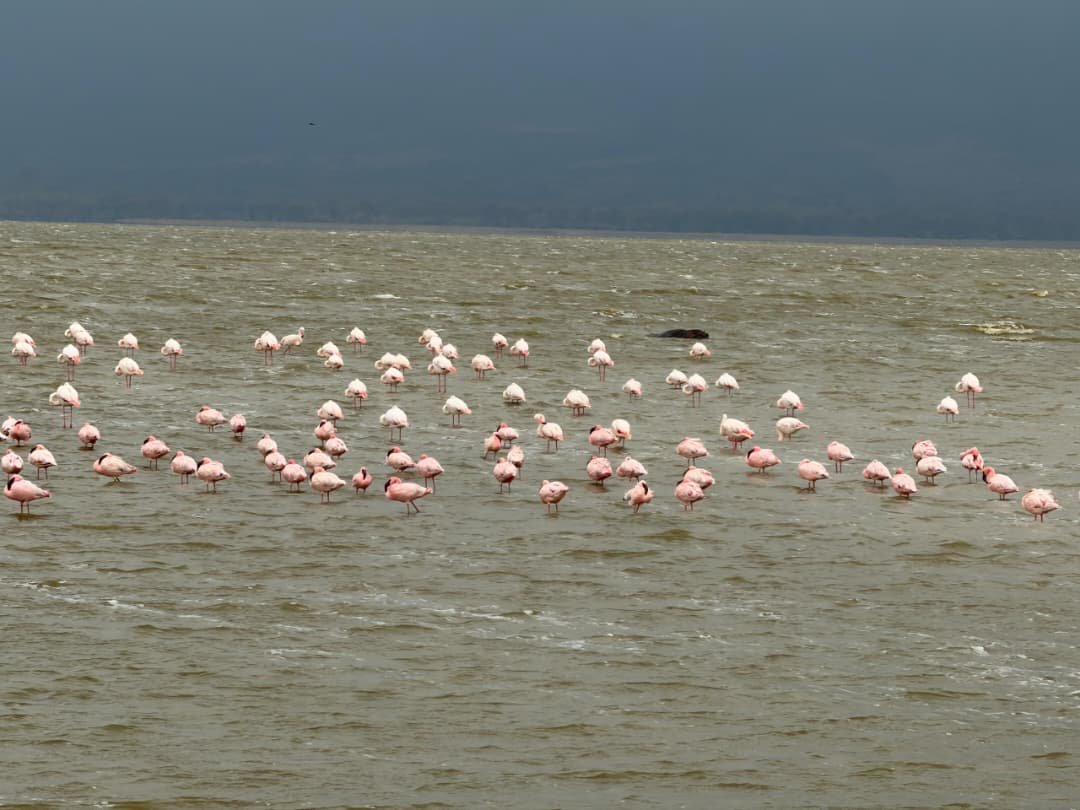
Lake Manyara National Park offers one of the most diverse safari experiences in northern Tanzania. The park sits beneath the dramatic western wall of the Great Rift Valley. It combines an alkaline lake, groundwater forest, open woodland, wetlands, floodplains, hot springs, and escarpment scenery in one compact destination. This variety makes a Lake Manyara safari especially rewarding for travelers who want more than traditional savannah wildlife. You can watch elephants moving through woodland, search for lions resting in trees, observe hippos near the lake, and look for hundreds of bird species in the wetlands. With Zamunda Travels, visitors can also combine Lake Manyara with Tarangire, Ngorongoro Crater, Serengeti, or other northern Tanzania destinations for a well-planned safari journey.
Why Choose a Lake Manyara Safari?
A Lake Manyara safari stands out because of the remarkable variety found within a relatively small area. Tanzania National Parks reports that the park covers about 648.7 square kilometers, with the lake itself covering approximately 262.7 square kilometers. The park was established in 1960 and became part of a UNESCO Man and the Biosphere Reserve in 1981. Its position at the base of the Rift Valley escarpment creates a striking landscape where forests, wetlands, woodlands, open plains, and the lake exist close together.
This combination also creates excellent opportunities for wildlife viewing. Large elephants are one of the park’s major attractions, while buffalo, giraffes, zebras, wildebeest, hippos, baboons, blue monkeys, bushbucks, and other species occur across different habitats. Lake Manyara is also famous for its tree-climbing lions. Although lions do not climb trees exclusively in this park, visitors sometimes find them resting on branches, particularly in areas where suitable trees provide shade, a better view, or relief from insects. This unusual behavior gives the park a character that differs from many other destinations on the northern safari circuit.
Lake Manyara Safari Wildlife Highlights
Wildlife is the main reason many travelers include the park in their Tanzania itinerary. However, the experience goes beyond searching for the Big Five. The park’s different habitats support a broad range of mammals and birds. In the groundwater forest, you may encounter blue monkeys, baboons, bushbuck, and forest birds. As the forest opens into woodland and floodplain, the scenery changes and larger mammals become easier to spot. Elephants are particularly important to the park’s identity, and Lake Manyara also played a major role in pioneering elephant research by conservationist Iain Douglas-Hamilton.
Lions remain one of the most exciting animals to search for. Lake Manyara is widely associated with lions that rest in trees, making a game drive here different from a typical savannah drive. A skilled guide from Zamunda Travels can help you understand animal behavior while also searching the surrounding woodland for other predators. Leopards are present but remain much more difficult to find because they are secretive and spend much of their time hidden. Therefore, travelers should enjoy every wildlife sighting rather than expect a guaranteed Big Five checklist.
Elephants, Buffalo and Giraffes
Elephants are among the most memorable animals on a Lake Manyara safari. Herds can move through woodland and open areas while feeding on vegetation. Their presence often creates excellent photography opportunities, especially when the animals appear against the Rift Valley escarpment. Buffalo also occur in the park and may gather in open areas or near water. Giraffes and zebras add further variety to game drives, while wildebeest and different antelope species contribute to the broader wildlife experience.
Tree-Climbing Lions
Tree-climbing lions are perhaps Lake Manyara’s most famous attraction. Visitors sometimes find lions lying along branches of suitable trees near the floodplain. Their elevated position can give them shade and a useful resting place. However, sightings remain wildlife encounters rather than guaranteed performances. Your guide must search patiently and respect park regulations. Tanzania National Parks itself identifies Lake Manyara as a destination associated with tree-climbing lions.
Hippos and Smaller Wildlife
Hippos are another important part of the park’s wetland ecosystem. They spend much of the day in water or around suitable pools, so visitors should always maintain a safe distance and follow ranger instructions. Smaller wildlife adds another layer to the experience. Baboons and blue monkeys are common in some forest areas, while bushbuck and other antelope may appear along quieter routes. These sightings reward travelers who take time to look beyond the largest animals.
Lake Manyara Safari Scenery and Landscapes
The scenery is one of the strongest reasons to visit this park. The western wall of the Great Rift Valley rises dramatically above the park and creates a powerful backdrop for wildlife viewing. At ground level, the landscape changes quickly. You can move from dense groundwater forest into open woodland, wetlands, floodplain, and the shores of the alkaline lake. Tanzania National Parks describes the park as a place where several distinct habitats occur together, creating an exceptional level of ecological variety.
The groundwater forest is especially attractive. Freshwater springs help maintain evergreen vegetation even when surrounding areas become drier. Tall trees provide shade and create habitat for primates, birds, and other forest species. As you continue toward the lake, the environment becomes more open. The contrast between green forest, dry woodland, shimmering water, and the steep escarpment gives Lake Manyara its distinctive visual appeal.
Lake, Flamingos and Wetlands
Lake Manyara is an alkaline lake that changes in appearance with seasonal conditions and water levels. Flamingos can gather around the lake, particularly when conditions provide suitable feeding opportunities. Tanzania National Parks records more than 400 bird species in the park, including waterbirds, forest species, raptors, and migrants.
The birdlife makes the destination especially attractive for photographers and birdwatchers. You may see pelicans, storks, herons, spoonbills, fish eagles, hornbills, bee-eaters, and other species. Therefore, visitors should carry binoculars even when their main interest is mammals. A slow drive through the wetlands can reveal many species that you might miss when focusing only on large animals.
Things to Do on a Lake Manyara Safari
A game drive remains the main activity in Lake Manyara National Park. During a daytime drive, visitors can explore different habitats while searching for elephants, lions, giraffes, buffalo, hippos, zebras, birds, and other wildlife. Because the park contains several habitats within a compact area, even a relatively short drive can offer a wide range of scenery.
The park also offers a canopy walkway that provides a different perspective of the forest. Tanzania National Parks describes the walkway as approximately 470 meters long, with sections rising up to around 18 meters above the ground. From the elevated route, visitors can observe forest vegetation, birds, monkeys, butterflies, and the surrounding environment.
Depending on current park regulations and operating conditions, visitors can also experience activities such as walking, birdwatching, night drives, and canoeing. These activities require appropriate guidance and permissions. Zamunda Travels can help travelers choose activities that fit their itinerary, interests, and available time.
Best Time for a Lake Manyara Safari
Lake Manyara can be visited throughout the year, but the best period depends on what you want to see and experience. Tanzania National Parks states that the park remains open year-round. The dry season can make wildlife viewing easier because animals may gather around remaining water sources, while vegetation can become less dense. The period can also offer comfortable conditions for combining Manyara with other northern Tanzania parks.
The wetter months bring another kind of beauty. The vegetation becomes greener, bird activity can be excellent, and the landscape can look particularly attractive after rainfall. However, some routes can become more difficult during heavy rains, and conditions may change quickly. For travelers interested in flamingos and birdlife, seasonal lake conditions can influence what they see. Therefore, it is better to plan around your wider Tanzania safari rather than rely on one exact month for a single wildlife sighting.
How to Get to Lake Manyara National Park
Lake Manyara lies along Tanzania’s northern safari circuit, south of Mto wa Mbu. The park is approximately 125 kilometers from Arusha by road, which takes around two to two and a half hours under normal road conditions. Manyara also has an airstrip that can receive scheduled or charter flights, making flying an option for travelers with limited time.
For many visitors, the easiest option is to include the park within a northern circuit itinerary. Zamunda Travels can arrange a route that connects Lake Manyara with Tarangire, Ngorongoro Crater, and Serengeti safari. This approach reduces unnecessary travel and allows travelers to experience several ecosystems during one Tanzania safari.
Where to Stay Near Lake Manyara
Travelers can choose accommodation inside the park or stay in nearby communities such as Mto wa Mbu and Karatu. Options range from camps and lodges to more affordable guesthouses and comfortable boutique properties. Your choice will depend on your budget, preferred level of comfort, and the wider safari route.
Staying near the park can make an early start easier, especially when you want to maximize your time on a game drive. On the other hand, Karatu works well for travelers who plan to combine Manyara with Ngorongoro. Zamunda Travels can recommend accommodation according to your safari style and itinerary.
Lake Manyara Safari Travel Tips
A successful safari starts with practical preparation. Carry binoculars, a camera, sunscreen, drinking water, insect repellent, and comfortable clothing. Neutral colors can work well for safari activities because they blend into the natural surroundings. Tanzania National Parks also advises visitors to follow guide instructions, remain within designated areas, and respect wildlife distances.
Visitors should remain inside safari vehicles except at designated areas where getting out is permitted. Never approach elephants, hippos, lions, or other wild animals on foot. You should also avoid feeding monkeys and baboons around picnic areas. Keep noise low, stay on designated routes, and never leave litter behind. These simple actions help protect the park while keeping visitors and wildlife safe.
It is also wise to allow enough time for the experience. Although Manyara can work well as a day visit, combining it with other northern Tanzania parks creates a more complete safari. A carefully planned itinerary can include Tarangire for its elephants and baobabs, Ngorongoro for its concentrated wildlife, and Serengeti for its vast plains and major predator sightings.
Why Visit Lake Manyara with Zamunda Travels?
Choosing the right safari company can make the difference between simply visiting a national park and enjoying a well-organized wildlife experience. Zamunda Travels helps travelers plan Tanzania safaris around their interests, available time, accommodation preferences, and budget. The company can combine Lake Manyara with other destinations while keeping the route practical and comfortable.
A well-planned itinerary also gives you time to appreciate the smaller details. Instead of rushing between destinations, you can enjoy forest landscapes, birdlife, elephants, tree-climbing lions, Rift Valley views, and local scenery. Your guide can also help explain animal behavior, identify bird species, and choose suitable viewing areas based on current conditions.
Is Lake Manyara Worth Visiting?
Yes, Lake Manyara is worth including in a Tanzania safari, especially for travelers who value diverse landscapes and varied wildlife. The park may not have the huge open plains of the Serengeti or the enclosed wildlife setting of Ngorongoro Crater. Instead, it offers something different. Forest, lake, wetlands, woodland, escarpment, wildlife, and birdlife come together within one destination.
The park is particularly attractive for first-time Tanzania visitors who want to experience several ecosystems without spending every day on long drives. It also works well for photographers, birdwatchers, families, and travelers who enjoy scenic landscapes. The combination of elephants, tree-climbing lions, flamingos, groundwater forest, and the Rift Valley makes Lake Manyara a memorable part of the northern Tanzania circuit.
Plan Your Tanzania Safari with Zamunda Travels
Lake Manyara National Park offers a compact but remarkably diverse safari experience. From elephants and tree-climbing lions to flamingos, hippos, monkeys, and hundreds of bird species, the park provides plenty to discover. Its groundwater forests create a striking contrast with the alkaline lake, while the Great Rift Valley escarpment gives the landscape a dramatic backdrop.
For travelers planning a wider Tanzania adventure, the park fits naturally into a northern circuit itinerary. Zamunda Travels can help organize a safari that combines Lake Manyara with Tarangire, Ngorongoro Crater, Serengeti, or other destinations. With the right route, timing, accommodation, and guide, your Tanzania safari can become a balanced journey through some of East Africa’s most remarkable landscapes and wildlife areas.
Ready to explore Lake Manyara National Park? Contact Zamunda Travels to plan your Tanzania safari and create an itinerary that matches your travel interests, schedule, and budget.