Lake Manyara National Park Safari
October 7, 2026
Mount Kilimanjaro
October 7, 2026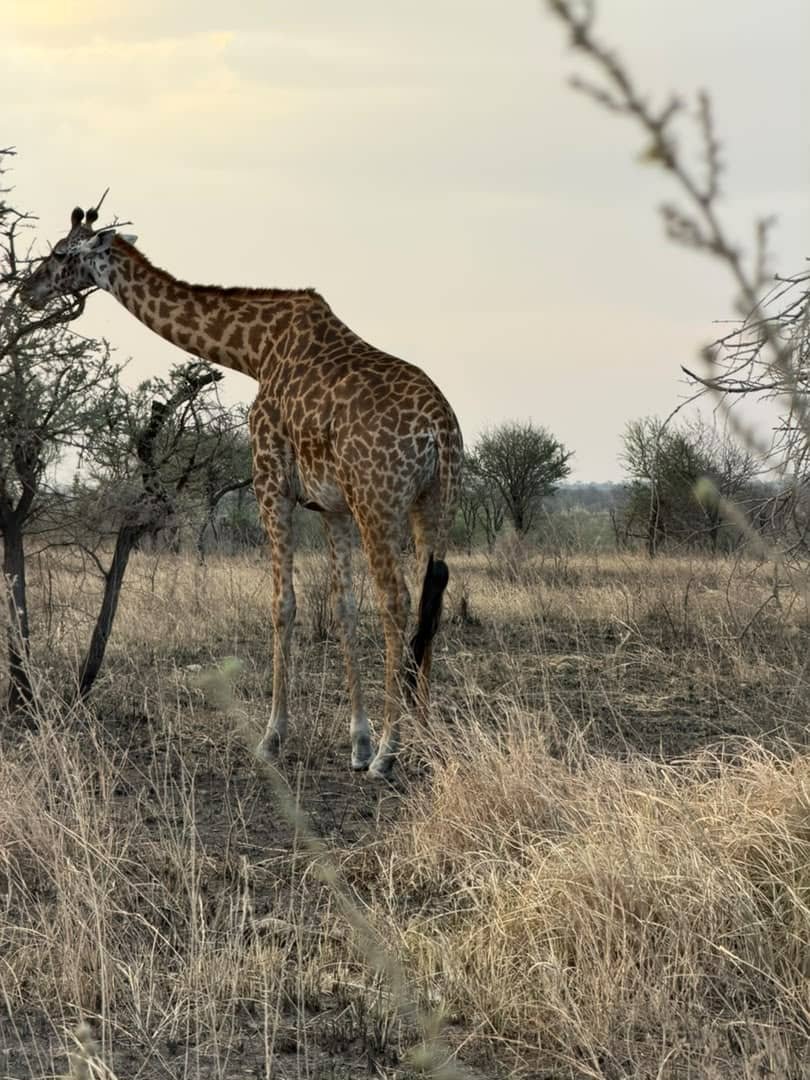
Arusha National Park is one of northern Tanzania’s most diverse and accessible safari destinations. Located close to Arusha city, the park combines Mount Meru, volcanic craters, forests, lakes, open grasslands and rich wildlife within a relatively compact area. This makes it especially attractive for travelers who want a safari experience without spending several days driving between distant parks. TANAPA describes the park as a destination with diverse attractions, including Momella Lakes, Ngurdoto Crater, Mount Meru and several walking, canoeing and horse-riding opportunities.
For travelers planning a northern Tanzania itinerary, an Arusha National Park safari can work as a full-day excursion, a short safari before or after a longer circuit, or the starting point for a Mount Meru climb. The park also offers a different atmosphere from the large savannah parks. Instead of focusing only on big cats and large herds, visitors can enjoy forest wildlife, giraffes, buffaloes, black-and-white colobus monkeys, waterbirds, volcanic landscapes and beautiful views of Mount Meru. With careful planning, Zamunda Travels can help travelers combine these experiences into a practical and rewarding Tanzania itinerary.
What Makes Arusha National Park Special?
Arusha National Park stands out because of the variety of landscapes found within a relatively small area. The scenery changes from open grasslands and forest to crater landscapes, lakes and mountain slopes. Mount Meru dominates the skyline and gives the park much of its character. TANAPA identifies Mount Meru as a major geological feature of the Arusha-Meru area, with the mountain rising to about 4,565 metres. It is Tanzania’s second-highest mountain after Kilimanjaro.
The park also forms part of the Arusha-Meru aspiring geopark. This area contains volcanic features created by ancient geological processes, including craters, waterfalls, lakes, ash formations and debris deposits. As a result, a visit is not only about watching animals. It also gives travelers an opportunity to understand how volcanic activity shaped northern Tanzania’s landscapes.
Another advantage is accessibility. TANAPA information places the park roughly 32 kilometres from Arusha and about 40 kilometres from Kilimanjaro International Airport. The relatively short distance makes it practical for travelers with limited time.
Arusha National Park Safari: Wildlife to See
Wildlife is an important reason to visit the park, although visitors should set realistic expectations. Arusha is not primarily a Big Five destination in the same way as the Serengeti or Ngorongoro Conservation Area. Instead, it offers a varied wildlife experience shaped by forest, wetlands, grasslands and volcanic habitats.
TANAPA lists giraffes, buffaloes, elephants, bushbuck, waterbuck, duiker, baboons, monkeys and hippos among the mammals found in the park. Leopards also occur, although they are rarely seen. The park is particularly well known for black-and-white colobus monkeys, which can be observed in the forested areas.
Giraffes are among the most noticeable animals during a game drive. Their tall bodies often stand out against the green vegetation and mountain backdrop. Buffaloes can also appear in open areas and around crater habitats. Elephants occur in the park, although sightings depend on conditions and animal movements. Hippos are associated with the lakes, while waterbuck and other antelope can appear around wet areas.
The park is also valuable for birdwatchers. TANAPA records more than 450 bird species in its park information, while its broader Arusha-Meru geopark information notes about 500 bird species across the wider area. The Momella Lakes provide important habitat for waterbirds and can be particularly rewarding for birdwatching.
Arusha National Park Safari Around Momella Lakes
The Momella Lakes are among the most scenic attractions in the park. The lake system includes several alkaline lakes, smaller water bodies and wetlands. Their different mineral compositions contribute to variations in water chemistry and vegetation. These wetlands also attract birds and provide important wildlife habitat.
The game-viewing tracks around the lakes offer opportunities to see giraffes, buffaloes, waterbuck, hippos and other wildlife. Flamingos can also be seen around suitable lake areas. The combination of water, open vegetation and Mount Meru creates excellent photographic scenery.
Canoeing adds another perspective. TANAPA identifies canoeing on Small Momella Lake as an activity that can bring visitors closer to waterbirds and wildlife around the shoreline. Depending on conditions, travelers may see hippos, waterbuck and other animals from the water. Canoeing requires prior arrangement, so visitors should organize it before arriving.
Ngurdoto Crater: The Little Ngorongoro
Ngurdoto Crater is another major attraction within the park. The volcanic crater has a distinctive enclosed landscape with forest, grassland, wetlands and a permanent water source. TANAPA’s geological information describes Ngurdoto as an extinct volcanic feature with a crater of about 4.3 kilometres across and a depth of around 360 metres.
The crater creates a dramatic viewpoint for visitors. From suitable viewpoints, travelers can look across the crater floor and watch buffaloes, warthogs and other wildlife. Forest vegetation around the crater also supports birds and primates.
Because of its volcanic shape and wildlife-rich floor, visitors sometimes compare Ngurdoto with a smaller Ngorongoro-style landscape. However, it is important to treat the two as different attractions. Ngurdoto is a feature within Arusha National Park, while Ngorongoro is a much larger protected conservation area with a different ecological and tourism system.
Mount Meru and the Mountain Experience
Mount Meru gives Arusha National Park its dramatic character. At about 4,565 metres, it is Tanzania’s second-highest mountain. The mountain is a dormant stratovolcano with a large horseshoe-shaped scar created by a major collapse of its eastern side.
For serious hikers, Mount Meru offers a multi-day trekking experience through changing vegetation zones. The route passes through montane forest and higher alpine environments before reaching the summit area. The mountain can also serve as a demanding trekking experience before Kilimanjaro for travelers who want additional high-altitude preparation.
A Mount Meru climb should not be confused with a normal day trip to Arusha National Park. A summit trek requires more time, preparation, appropriate equipment and organized support. Travelers should therefore choose the mountain option only if it fits their physical ability and overall itinerary.
Walking Safari in Arusha National Park
One of the park’s biggest advantages is the opportunity to explore selected areas on foot. TANAPA describes walking safaris as a way to experience nature more closely while observing tracks, plants, insects, landscapes and wildlife from a different perspective. Walking activities are guided, and park regulations require appropriate ranger support.
A walking safari changes the pace of the experience. Instead of simply looking through a vehicle window, visitors can concentrate on animal tracks, bird calls, vegetation and smaller details. The experience can be especially rewarding for photographers, birdwatchers and travelers interested in nature rather than only large mammals.
Safety remains important. Wildlife can move through the same landscapes used by visitors, so travelers should always follow the instructions of the ranger and guide. Do not approach animals independently or leave designated routes without authorization.
Canoeing and Horse Riding
Canoeing on Small Momella Lake offers a peaceful alternative to the traditional game drive. Visitors can enjoy the scenery from the water while watching birds and observing animals near the shoreline. TANAPA specifically highlights canoeing as a way to experience parts of the park that are less accessible by vehicle.
Horse riding provides another unusual way to explore the park. TANAPA notes that horse treks can take visitors through forests and open areas, with experienced guides leading the activity. Prior arrangements are necessary, and visitors should have suitable riding ability.
These activities make the park attractive to travelers who want more than a conventional vehicle safari. A well-planned itinerary can combine a game drive with walking, canoeing or another activity, depending on available time and park arrangements.
Is Arusha National Park Good for a Day Trip?
Yes. An Arusha National Park safari is one of the better northern Tanzania options for a day trip. Its location close to Arusha allows travelers to leave the city in the morning, spend several hours exploring the park and return later the same day.
A typical day can include an early departure from Arusha, a game drive through the park, wildlife viewing around the Momella area, a stop at scenic viewpoints and time around Ngurdoto Crater. Travelers who want a more active experience can arrange a walking safari or canoeing activity instead of spending the entire day in a vehicle.
A day trip works particularly well for travelers who have limited time before a longer safari. It can also suit people arriving in Arusha one day before their main northern circuit. Zamunda Travels can structure the day around the traveler’s arrival time, interests and onward safari plans.
However, a day trip does not allow enough time for everything. Mount Meru climbing, for example, requires a separate multi-day plan. Likewise, travelers interested in photography, birding or slower nature exploration may benefit from spending more time in the area.
Best Time for an Arusha National Park Safari
Arusha National Park can be visited throughout the year, but different seasons create different travel experiences. The dry periods generally offer easier road conditions and good wildlife viewing. Animals may also become easier to locate around water sources as the season becomes drier.
The wetter months bring greener vegetation and attractive scenery. Rain can make some activities less predictable, but the forests and mountain landscapes can look particularly beautiful. Birdwatchers may also find the wetter periods rewarding because of increased bird activity and seasonal movements.
For travelers combining Arusha with Serengeti, Ngorongoro, Tarangire or Lake Manyara, the best timing depends on the entire northern Tanzania itinerary. Zamunda Travels can help match Arusha National Park with the other parks rather than treating it as an isolated destination.
How to Get to Arusha National Park
The park is easy to reach from Arusha city by road. TANAPA states that the park is approximately 32 kilometres from Arusha, while its visitor information also places it around 40 kilometres from Kilimanjaro International Airport.
This location makes the park convenient for travelers staying in Arusha. It also allows tour operators to include the park before or after other northern Tanzania destinations.
Travelers arriving through Kilimanjaro International Airport can potentially combine their arrival or departure arrangements with a short park visit, depending on flight schedules. However, the timing should allow enough flexibility for road travel and park activities.
Arusha National Park Entrance Fees and Costs
Park fees change from time to time, so travelers should avoid relying on old online price lists. TANAPA currently provides an official tariff system covering different visitor categories, including non-residents, expatriates and East African citizens. The authority also states that conservation fees are valid for 24 hours from the time of entry.
The final cost of a day trip usually depends on more than the park entry fee. Travelers should also consider transportation, guide and ranger arrangements, meals, accommodation, activity fees and the services included by the tour operator.
Because tariffs can change, Zamunda Travels can confirm the applicable fees when preparing a quotation. This approach helps travelers avoid using outdated prices from old safari blogs or social media posts.
What to Pack for an Arusha National Park Day Trip
Packing for the park is simple, but comfortable clothing and practical footwear make a major difference. Lightweight clothing works well for daytime activities, while a warm layer can be useful because temperatures around Mount Meru can feel cooler than expected.
Bring a hat, sunglasses, sunscreen and a reusable water bottle. Comfortable walking shoes are important if your itinerary includes a nature walk. Binoculars can improve wildlife and birdwatching opportunities, while a camera with a suitable zoom lens helps capture animals without getting too close.
A light rain jacket is also useful because weather around mountain environments can change quickly. If you plan to combine the park with a longer Tanzania safari, you can use the same packing list for the wider northern circuit.
Arusha National Park vs Serengeti and Ngorongoro
Arusha National Park offers a different experience from Tanzania’s famous safari destinations. The Serengeti is renowned for its huge savannah landscapes, predators and Great Wildebeest Migration. Ngorongoro offers a spectacular crater ecosystem with dense concentrations of wildlife. Tarangire is especially known for elephants, baobabs and seasonal wildlife concentrations.
Arusha focuses more strongly on landscape diversity, Mount Meru, forest wildlife, walking experiences, Momella Lakes and volcanic scenery. Therefore, it should not be judged only by the number of lions or other Big Five sightings.
For a traveler with several days, the best approach may be to combine destinations. An itinerary could include Arusha National Park for scenery and active experiences, Tarangire for elephants, Ngorongoro for crater wildlife and Serengeti for large-scale savannah viewing.
Who Should Visit Arusha National Park?
The park is a strong choice for travelers who enjoy varied landscapes and active safari experiences. It works particularly well for couples, families, photographers, birdwatchers, hikers and first-time visitors who want to experience a Tanzanian national park without traveling deep into the northern safari circuit.
It is also useful for travelers with limited time. Someone with only one free day in Arusha can still experience wildlife, volcanic scenery and mountain views.
Adventure travelers can combine the park with Mount Meru. Nature lovers can choose walking and canoeing. Families may prefer a relaxed game drive around the Momella area. Photographers can focus on giraffes, birds, primates, volcanic scenery and the changing light around Mount Meru.
Why Book with Zamunda Travels?
Choosing the right safari operator can make a major difference to the experience. Zamunda Travels can help travelers plan an Arusha National Park safari around their available time, interests and wider Tanzania itinerary.
Instead of offering a one-size-fits-all schedule, the trip can be planned around the activities that matter most to you. A traveler who loves wildlife may prefer a longer game drive. A birdwatcher may want more time around the lakes. An active traveler may prefer walking or canoeing. Someone preparing for Mount Meru can use the visit as part of a broader mountain itinerary.
Zamunda Travels can also combine Arusha National Park with other northern Tanzania destinations. This creates a more efficient route and reduces unnecessary driving between parks. The goal is to give travelers a well-organized safari while keeping the itinerary practical and enjoyable.
Final Thoughts on Arusha National Park
Arusha National Park may be smaller and less famous than Serengeti, but its combination of wildlife, mountain scenery, forests, lakes and volcanic features makes it one of northern Tanzania’s most versatile destinations. Mount Meru provides a dramatic backdrop, while Momella Lakes offer beautiful scenery and birdlife. Ngurdoto Crater adds another geological highlight, and walking safaris provide a more intimate way to experience nature.
For visitors staying in Arusha, the park is particularly convenient. TANAPA itself highlights the destination as suitable for day trips and lists game drives, walking, canoeing and other experiences among its attractions.
Whether you have one day or several days available, Zamunda Travels can help you build an itinerary that fits your interests. For travelers seeking a quieter alternative to the busiest safari routes, an Arusha National Park safari offers an excellent introduction to the landscapes and wildlife of northern Tanzania.