Mikumi National Park Safari
October 7, 2026
Gombe National Park
October 7, 2026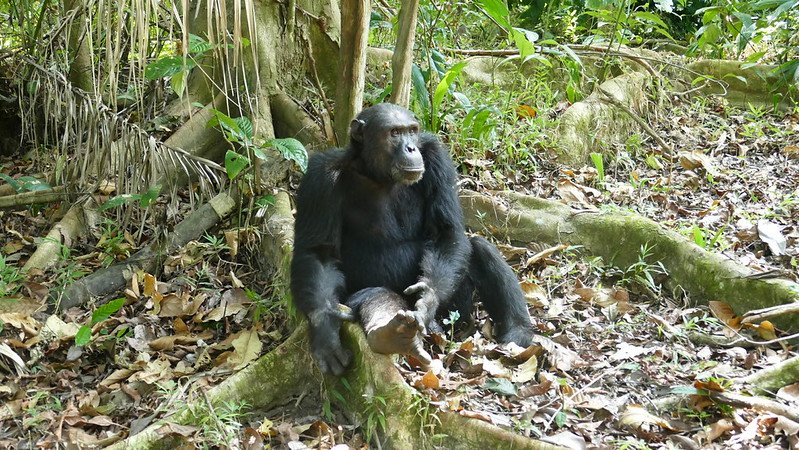
Mahale Mountains National Park is one of Tanzania’s most remote and remarkable wildlife destinations. Located on the eastern shores of Lake Tanganyika, the park combines forested mountains, clear lake waters, sandy beaches, and wild chimpanzees. This unusual setting makes Mahale very different from the classic savanna parks of northern Tanzania.
The main attraction is chimpanzee trekking. Visitors follow experienced guides and park rangers into the forest to search for habituated chimpanzee communities. The experience can bring you close to natural chimpanzee behavior, including feeding, grooming, climbing, resting, and communicating. However, Mahale offers more than primates. You can also hike through the mountains, explore the lakeshore, enjoy boat trips, go kayaking, snorkel in designated areas, and relax beside Lake Tanganyika. TANAPA describes Mahale as a destination where forests, mountains, beaches, and lake activities come together in one remote wilderness experience.
For travelers who want a quieter side of Tanzania, Mahale deserves serious consideration. It takes more planning to reach than parks such as Serengeti or Tarangire. However, that remoteness helps preserve its peaceful atmosphere. With the right itinerary, Zamunda Travels can combine Mahale with other Tanzanian destinations for a safari that balances wildlife, primates, scenery, and relaxation.
Why Visit Mahale Mountains National Park?
Mahale Mountains National Park protects more than 1,600 square kilometers of forest, mountains, shoreline, and aquatic habitat. TANAPA lists the park at more than 1,613 square kilometers. The protected landscape stretches along Lake Tanganyika and rises toward the Mahale mountain range. Mount Nkungwe is the highest point, reaching about 2,462 meters according to recent TANAPA tourism information.
The scenery is one of Mahale’s strongest attractions. Dense forest covers the mountain slopes, while the lake creates a striking contrast along the shore. In some areas, the mountains appear to rise almost directly from the water. As a result, a single day can include a forest trek, a wildlife encounter, and time beside a tropical-looking beach.
Mahale also has a strong scientific and conservation history. Research on its chimpanzees began decades ago, and the park became an important refuge for wild chimpanzees. TANAPA records that the park was gazetted in 1985. Earlier Japanese research helped establish long-term chimpanzee habituation work in the area.
The combination of wildlife and scenery makes Mahale especially attractive to travelers who have already experienced Tanzania’s major savanna parks. Instead of focusing only on lions, elephants, and large herds, Mahale offers a closer look at forest wildlife and one of Africa’s great lakes.
Mahale Chimpanzee Trekking: The Main Experience
Mahale chimpanzee trekking is the activity that brings most wildlife travelers to the park. Treks take visitors into the forest with authorized guides and rangers who help locate habituated chimpanzee communities. The search itself forms part of the adventure because chimpanzees move through the forest and do not remain in one fixed location.
The trek may involve walking on forest paths, climbing slopes, and following signs of chimpanzee movement. Guides use their knowledge of the forest and recent chimpanzee movements to improve the chances of finding the animals. Once the group reaches the chimpanzees, visitors can observe their behavior without interfering.
Mahale is particularly valuable because the chimpanzees remain wild. Habituation allows closer observation, but it does not turn the animals into domesticated wildlife. They continue to forage, climb, socialize, rest, and move through their natural habitat. TANAPA notes that Mahale protects several habituated chimpanzee communities.
Chimpanzee trekking therefore requires patience. You may walk for some time before finding the group. Once you locate the chimpanzees, however, the experience can become unforgettable. You might watch individuals grooming each other beneath the trees, hear their calls across the forest, or see them move between branches.
According to TANAPA’s chimpanzee viewing guidelines, a tracking group in Mahale must not exceed six people, including the guide. The guidelines also limit viewing time to one hour and permit three visitor groups per day in Mahale. These measures help reduce pressure on the chimpanzees and their habitat.
What Makes Mahale Chimpanzee Trekking Special?
One reason Mahale chimpanzee trekking stands out is the setting. Many primate experiences take place deep inside forests, but Mahale adds Lake Tanganyika to the experience. You can spend the morning walking through forest trails and later return to a beach overlooking one of Africa’s great lakes.
The landscape also creates a sense of isolation. Mahale lies in western Tanzania, far from the heavily visited safari routes in the north. That means fewer vehicles and a more intimate wilderness atmosphere. TANAPA describes the park as a remote destination where mountain, forest, and lake ecosystems meet.
Another advantage is the range of activities. Travelers do not need to spend every day trekking. You can combine chimpanzee tracking with forest walks, hiking, boat trips, kayaking, snorkeling, birdwatching, and lakeside relaxation.
For photographers, Mahale also offers variety. Chimpanzees provide the main wildlife subject, while the forest, mountains, lake, beaches, birds, and other primates add more opportunities. Because the environment changes quickly from forest to shoreline, each day can produce very different images.
Wildlife Beyond the Chimpanzees
Chimpanzees may be Mahale’s biggest attraction, but they are not the only animals found in the park. TANAPA lists several other primates, including red colobus, red-tailed monkeys, vervet monkeys, and other forest species. The park also supports mammals such as bushbuck and bushpig.
Birdlife is another important part of the ecosystem. Visitors can see species around the forest and shoreline, including fish eagles and kingfishers. Forest habitats also support specialized bird species. Therefore, travelers who enjoy birdwatching should carry binoculars during both forest walks and lakeside activities.
Lake Tanganyika adds another wildlife dimension. The lake supports colorful cichlid fish and other aquatic life. Snorkeling and shoreline exploration can reveal some of this underwater diversity when conditions and designated areas allow.
The result is a varied safari environment. Instead of moving across open grasslands in search of large mammals, visitors explore several connected habitats. Forest, mountain, riverine areas, beaches, and lake ecosystems all contribute to the Mahale experience.
Lake Tanganyika and the Mahale Experience
Lake Tanganyika is central to the identity of Mahale Mountains National Park. The park sits on the lake’s eastern shore, where forested mountains meet clear freshwater and sandy beaches. TANAPA describes the lake as one of the major attractions for visitors to the park.
The lake is also one of the world’s largest and deepest freshwater lakes. It stretches across Tanzania, the Democratic Republic of the Congo, Burundi, and Zambia. UNESCO notes that Lake Tanganyika forms part of the African Great Rift system and covers roughly 32,000 square kilometers.
At Mahale, the lake provides opportunities for relaxation after forest activities. Depending on conditions and local guidance, travelers can enjoy boat trips, kayaking, swimming in designated areas, and snorkeling. These activities create a welcome change after a demanding chimpanzee trek.
The shoreline also provides beautiful views during sunrise and sunset. A quiet evening beside Lake Tanganyika can become one of the most memorable parts of the safari.
Hiking in Mahale Mountains National Park
Travelers who enjoy walking can add mountain hiking to their itinerary. The Mahale range rises behind the lakeshore and provides trails through forested terrain. Some routes lead toward higher elevations and viewpoints overlooking Lake Tanganyika.
Mount Nkungwe provides the park’s major mountain challenge. TANAPA identifies it as the highest peak in the Mahale range. Recent park information places the summit at about 2,462 meters.
Hiking requires good preparation. Forest trails can become steep and humid, especially after rainfall. Visitors should wear shoes with good grip and carry enough drinking water. A light rain jacket can also be useful because weather conditions may change quickly in mountain environments. TANAPA specifically recommends sturdy footwear, water, and rain protection for forest activities.
You do not need to climb the highest peak to appreciate Mahale’s mountains. Shorter forest walks can provide excellent scenery and wildlife opportunities. Your guide can help select routes according to your fitness level and available time.
Best Time for Mahale Chimpanzee Trekking
The best time for Mahale chimpanzee trekking depends on your priorities. TANAPA currently highlights June to October as the prime period for trekking and beach activities. During this period, conditions are generally more favorable for combining forest walks with time beside Lake Tanganyika.
The green season can also appeal to adventurous travelers. Forests become especially lush, and fewer visitors may create an even quieter experience. However, rain can make forest trails more difficult and can affect travel arrangements.
For a first visit, June through October offers a strong balance between trekking and general safari conditions. Even so, travelers should check current weather and park information before departure. Conditions can vary, and wildlife movements naturally change throughout the year.
How to Get to Mahale Mountains National Park
Getting to Mahale requires more planning than reaching many of Tanzania’s popular safari parks. The park lies in western Tanzania on the eastern shore of Lake Tanganyika. TANAPA currently lists air travel to Kigoma or Mahale airstrips as the usual access options, followed by a boat transfer.
Travelers can fly to Kigoma and then continue toward Mahale by boat. Alternatively, seasonal or charter flights may operate closer to the park. Some lodges also arrange lake transfers for their guests.
Road access is possible in some circumstances, but it remains limited. TANAPA notes that remote tracks can be used during the dry season with a high-clearance 4×4. Because of the park’s remote location, travelers should not treat transport as an afterthought. Flights, boats, accommodation, and park activities need to connect smoothly.
This is where working with an experienced safari company becomes useful. Zamunda Travels can help organize the different sections of the journey so that travelers spend less time worrying about logistics and more time enjoying the destination.
Chimpanzee Trekking Rules and Safety
Chimpanzee trekking is an exciting activity, but responsible behavior is essential. Chimpanzees can catch human illnesses, including respiratory infections. Therefore, Tanzania National Parks has established strict viewing guidelines to protect both visitors and chimpanzees.
Visitors must maintain a distance of at least 10 meters from the chimpanzees. The guidelines also require visitors to wear masks over the nose and mouth when chimpanzees are spotted. Guests should not eat or drink near the animals. They should also avoid coughing or sneezing toward the chimpanzees.
Visitors should keep their voices low and never imitate chimpanzee calls. Sudden movements can disturb the animals, so guests should follow the ranger’s instructions carefully. Flash photography is also prohibited.
Travelers who have infectious illnesses should not join the trek. This rule protects the chimpanzees from diseases that humans may carry. In addition, visitors should avoid strong perfumes, smoking, and littering during the experience.
These rules do more than protect wildlife. They help create a better experience for everyone. Quiet and respectful visitors can observe natural behavior without placing unnecessary pressure on the animals.
What to Pack for a Mahale Safari
Packing correctly can make your Mahale experience much easier. Start with comfortable hiking shoes that provide good grip. Forest trails can become slippery, particularly during wet weather.
Light, breathable clothing works well in warm conditions. Neutral colors can help you blend into the environment, while a light rain jacket provides protection during sudden showers. A hat, sunscreen, insect repellent, reusable water bottle, binoculars, and camera are also useful.
For chimpanzee trekking, remember that flash photography is not permitted. Keep your camera ready for natural-light photography and follow your guide’s instructions when approaching the viewing area.
If you plan to spend time on Lake Tanganyika, consider packing swimwear, a quick-drying towel, and suitable footwear for lakeside activities. However, always follow local instructions about where swimming and other water activities are permitted.
Where to Stay in Mahale
Accommodation in Mahale generally focuses on lakeside lodges, tented camps, and campsites. The remote setting means that accommodation logistics can differ from those in more accessible Tanzanian parks.
TANAPA notes that several properties offer packages that combine accommodation with guided chimpanzee trekking, boating, kayaking, and forest walks. Because supplies and transport can be more difficult to manage in this remote area, early booking is advisable.
A lakeside property can be particularly rewarding because it allows you to experience the landscape throughout the day. After a forest trek, you can return to the shore and enjoy views across Lake Tanganyika.
When planning through Zamunda Travels, accommodation should match the overall safari style. Couples may prefer a quiet lakeside lodge, while adventurous travelers may choose a more intimate tented experience.
Is Mahale Mountains National Park Worth Visiting?
Yes, especially if you want a different kind of Tanzanian safari. Mahale does not compete with Serengeti on the scale of open savanna wildlife. Instead, it offers something much more specialized.
The biggest attraction is the opportunity to observe wild chimpanzees in a natural forest environment. The experience becomes even more special because of the surrounding mountains and Lake Tanganyika. Few safari destinations combine primate trekking, mountain scenery, beaches, and freshwater activities in such a remote setting.
Mahale also suits travelers who prefer smaller groups and quieter environments. TANAPA limits chimpanzee tracking groups and viewing time to reduce disturbance. As a result, the experience can feel more personal than a busy wildlife drive.
The main drawback is accessibility. Reaching Mahale takes more planning and can cost more than visiting parks along Tanzania’s main safari circuits. However, the remoteness is also part of its appeal.
For travelers who value unique experiences over ticking off famous parks, Mahale can be an excellent addition to a Tanzania itinerary.
Plan Your Mahale Safari with Zamunda Travels
A safari to Mahale Mountains National Park requires careful coordination because the destination is remote. Flights, boat transfers, accommodation, park activities, and return connections must work together. Zamunda Travels can help travelers organize these elements into a practical Tanzania safari itinerary.
A well-planned Mahale trip can combine chimpanzee trekking with time on Lake Tanganyika and mountain walks. Travelers can also connect Mahale with destinations such as Kigoma, Katavi, or other Tanzanian wildlife areas, depending on available transport and the length of the trip.
At Zamunda Travels, the goal is to create safari experiences that match the traveler’s interests rather than simply following a standard route. For wildlife lovers, Mahale provides a chance to focus on chimpanzees. For nature enthusiasts, it offers forests and mountains. For travelers seeking relaxation, Lake Tanganyika provides a beautiful lakeside setting.
Final Thoughts on Mahale Chimpanzee Trekking
Mahale chimpanzee trekking offers one of Tanzania’s most distinctive wildlife experiences. Instead of open savannas and large game drives, visitors enter a forest world shaped by chimpanzees, mountains, birds, and Lake Tanganyika.
The adventure begins with a search through the forest. It continues with a carefully managed encounter with habituated chimpanzees. Later, travelers can return to the lakeshore, enjoy the scenery, and explore another side of western Tanzania.
Mahale requires more planning than many famous safari destinations. Yet that effort can lead to a more intimate and rewarding experience. Its remote location, limited visitor numbers, forest wildlife, and spectacular lakeside setting give it a character that is difficult to find elsewhere.
If chimpanzees, untouched landscapes, and Lake Tanganyika appeal to you, Mahale Mountains National Park should be on your Tanzania safari list. Contact Zamunda Travels to plan a personalized Mahale safari and discover one of Tanzania’s most extraordinary wilderness destinations.