Mahale Mountains National Park
October 7, 2026
Zanzibar Travel Guide
October 7, 2026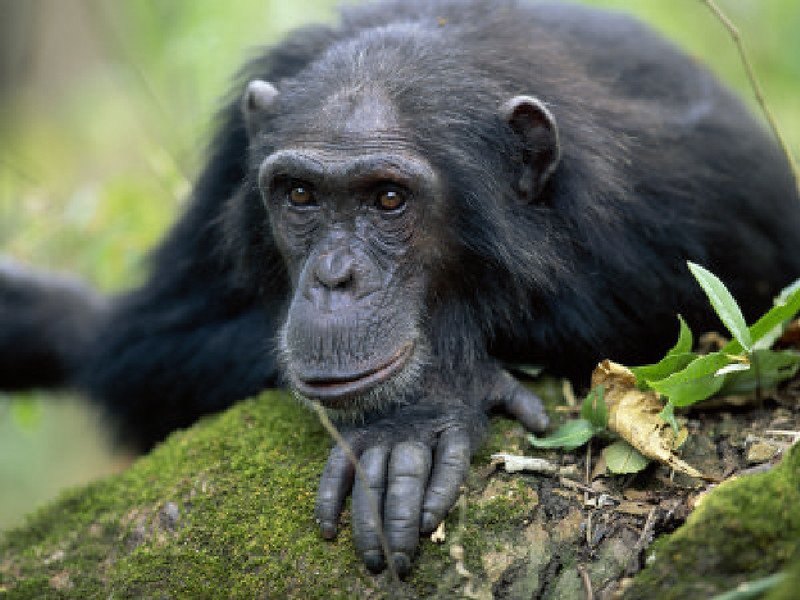
Tanzania is famous for the Serengeti, Ngorongoro Crater and Mount Kilimanjaro. However, the country has another side that feels very different. On the shores of Lake Tanganyika, Gombe National Park offers a quieter and more intimate wilderness experience. The park is best known for its wild chimpanzees, forested hills and remarkable connection to Jane Goodall’s pioneering research. It also offers hiking, birdwatching, waterfall walks and scenic views across one of Africa’s great lakes. For travelers who want to explore beyond Tanzania’s classic safari routes, Gombe National Park provides a memorable journey into the country’s remote western frontier.
Why Visit Gombe National Park?
Gombe National Park is one of Tanzania’s most distinctive wildlife destinations because its main attraction is not the traditional Big Five safari. Instead, the park takes visitors into a forest environment where chimpanzees move through the trees, feed on fruit, groom one another and interact within complex social groups. The park lies on the eastern shore of Lake Tanganyika, north of Kigoma, and its steep forested ridges descend toward the lake. This combination creates a landscape of rainforest, streams, valleys, beaches and hills within a relatively small protected area. As a result, a visit to Gombe feels more like a forest expedition than a conventional game drive safari.
Gombe also has exceptional historical importance. In 1960, Jane Goodall began her long-term study of wild chimpanzees here. Her research helped transform scientific understanding of chimpanzee behavior and brought global attention to the importance of protecting great apes and their habitats. Today, the chimpanzees of Gombe remain closely associated with her work and with one of the world’s longest-running studies of wild chimpanzees. For visitors, this history adds another layer to the trekking experience. You are not simply walking through a beautiful forest. You are entering a landscape that played a major role in modern primate research.
Gombe National Park and the Chimpanzees of Lake Tanganyika
The chimpanzees are the heart of Gombe. Several habituated communities live within the park, including the famous Kasekela, Mitumba and Kalande communities. During a guided trek, visitors may observe chimpanzees feeding, grooming, resting, climbing trees or communicating with one another. Their behavior can change quickly, so every trek feels different. One group may remain high in the canopy, while another may move along the forest floor or disappear through thick vegetation. This unpredictability makes chimpanzee trekking exciting because the experience develops naturally around the animals rather than following a fixed safari route.
Chimpanzee trekking also provides a chance to appreciate how closely these great apes resemble humans in their social behavior. They form relationships, compete for status, care for young ones and communicate through a wide range of sounds and gestures. Gombe became famous partly because researchers could identify individual chimpanzees and follow their relationships over many years. That history gives visitors a deeper appreciation of the animals they encounter. Instead of seeing wildlife only as a photographic subject, travelers can begin to understand the social world behind the encounter.
What Is Chimpanzee Trekking in Gombe Like?
Chimpanzee trekking in Gombe starts with a guided walk into the forest. Visitors follow experienced park guides and trackers who search for chimpanzee communities and monitor their movements. The terrain can become steep because the park’s forested ridges rise sharply from the shores of Lake Tanganyika. Therefore, travelers should expect a genuine walking experience rather than an easy nature stroll. The duration and difficulty can vary depending on where the chimpanzees are located on the day of the trek.
Once trackers locate a chimpanzee group, visitors approach under strict park guidelines. Tanzania’s official chimpanzee-viewing rules limit the size of tracking groups and the time visitors spend with chimpanzees. In Gombe, a tracking group may not exceed five people, including the guide, while viewing time for a chimpanzee group is limited. Visitors must also follow instructions about distance, movement, photography and health precautions. These rules protect both the animals and the people taking part in the experience.
The encounter itself can be surprisingly intimate. You may hear branches moving before seeing the chimpanzees. Then, suddenly, an animal may appear between the trees. It might sit quietly, groom another chimpanzee or climb higher into the canopy. Because the animals remain wild, however, no trek can guarantee a particular behavior. This is part of what makes the experience authentic. The goal is to observe natural behavior without disturbing it.
The Jane Goodall Connection in Gombe
Few wildlife destinations have such a strong connection to one researcher as Gombe has with Jane Goodall. Her arrival in 1960 marked the beginning of a research program that became internationally important for primate science and conservation. Her observations challenged earlier assumptions about chimpanzees and revealed complex behaviors, including tool use and sophisticated social relationships. Over the decades, Gombe became a symbol of long-term wildlife research and the importance of protecting great apes in their natural habitats.
For travelers, the Jane Goodall story makes Gombe particularly meaningful. The forest is not simply a backdrop for chimpanzee photographs. It represents decades of research, conservation work and efforts to understand one of humanity’s closest living relatives. Visitors who enjoy wildlife photography, primatology, conservation or natural history will find this connection especially rewarding.
Wildlife Beyond Chimpanzees in Gombe
Although chimpanzees are the main attraction, Gombe National Park protects a wider range of wildlife. Visitors can encounter olive baboons along the lakeshore, while red-tailed, blue and vervet monkeys move through the forest. Red colobus monkeys also occur in the park and have played an important role in long-term ecological research. In addition, the forest supports bushpigs, small antelopes and genets, although sightings vary considerably. Leopards are present but remain difficult to see because of their secretive nature and the dense habitat.
Birdwatchers also have good reasons to visit. The mixture of evergreen forest, riverine vegetation, open areas and Lake Tanganyika shoreline creates different habitats for birds. Fish eagles, kingfishers, hornbills, turacos, barbets and other forest species can be found around the park. Butterflies add further color along forest trails, especially around streams and flowering vegetation. Therefore, even when chimpanzees remain hidden, the forest can still provide rewarding wildlife encounters.
Gombe National Park Waterfalls and Forest Trails
Chimpanzee trekking is only one part of the Gombe experience. The park has several scenic trails that pass through forested valleys and along seasonal streams. Kakombe Waterfall is one of the best-known attractions. The walk to the waterfall combines forest scenery with the sounds of flowing water and birdlife. Mkenke Waterfall provides another scenic destination within the park. These walks offer travelers a different way to experience Gombe’s landscape after a chimpanzee trek.
The park also has viewpoints where the forested ridges open toward Lake Tanganyika. Jane’s Peak is one of the notable viewpoints, offering wide views across the lake and surrounding hills. These elevated areas help visitors understand the geography of western Tanzania. Below the forested slopes, Lake Tanganyika stretches toward the horizon, creating a dramatic contrast between the dense green hills and the clear blue water.
Lake Tanganyika and the Wild West of Tanzania
Gombe’s location beside Lake Tanganyika gives the park a character that differs from Tanzania’s eastern safari destinations. Lake Tanganyika is one of Africa’s great inland lakes, and the park’s shoreline forms an important part of the visitor experience. Boat transfers from Kigoma provide a scenic introduction to Gombe, while lakeside activities can complement forest trekking. Depending on current park and operator guidance, visitors may also enjoy selected lake excursions and water-based activities.
The journey itself helps explain why Gombe is often described as part of Tanzania’s wild west. The area feels remote and less developed than the country’s famous northern safari circuit. Instead of endless plains and large herds, travelers encounter steep forest, quiet beaches, local lakeside communities and the enormous presence of Lake Tanganyika. This contrast makes Gombe an excellent addition for travelers who want to experience a less familiar side of Tanzania.
How to Get to Gombe National Park
Most travelers reach Gombe through Kigoma. The park sits north of Kigoma on the eastern shore of Lake Tanganyika, and visitors commonly continue from Kigoma by boat. TANAPA currently describes the boat journey as taking around one to two hours, depending on the departure point and conditions. This boat transfer adds a memorable element to the journey because the park gradually comes into view from the lake.
Travelers can reach Kigoma by air or by road, although journey times and flight schedules can vary. For that reason, it is important to confirm current transport schedules before booking a Gombe itinerary. A reputable safari operator can coordinate flights, accommodation, boat transfers, park arrangements and trekking activities. Zamunda Travels can help travelers combine these arrangements into a practical Tanzania itinerary that includes Gombe and other destinations when time allows.
Best Time for Gombe National Park Chimpanzee Trekking
Gombe can be visited throughout the year, but trekking conditions can vary with weather. Drier periods generally make forest trails easier to walk, while wetter conditions can make some paths slippery. TANAPA’s visitor information notes that the park operates year-round and advises visitors to prepare for steep and humid trails. Travelers should therefore consider both wildlife goals and hiking conditions when selecting travel dates.
For travelers who want a more comfortable trekking experience, the drier months are often attractive. However, the forest remains rewarding outside the peak dry season. Rain can create lush vegetation, flowing streams and dramatic forest scenery. Therefore, there is no single perfect month for every visitor. Your preferred activities, travel connections and tolerance for wet conditions should all influence the decision.
What to Pack for Gombe Chimpanzee Trekking
Good preparation can make chimpanzee trekking much more comfortable. Start with sturdy walking shoes because trails can become steep and slippery. Lightweight clothing works well in the humid forest, while neutral colors help you blend into the environment. A rain jacket is useful because western Tanzania can experience sudden rainfall. You should also carry drinking water, sunscreen, insect protection and binoculars.
A camera is another useful addition, but visitors must follow the park’s photography rules. Flash photography is not permitted during chimpanzee viewing. You should also avoid loud conversations and sudden movements. Most importantly, follow the ranger’s instructions throughout the trek. Chimpanzees are wild animals, even when they are accustomed to human observers.
Gombe National Park Conservation and Responsible Tourism
Gombe’s importance goes beyond tourism. Protecting the forest means protecting chimpanzees and the many other species that depend on this habitat. Research has remained an important part of the park’s identity, while conservation programs also focus on responsible tourism, community engagement and the long-term protection of forest ecosystems. Visitors contribute to this conservation system through park fees and by following regulations that reduce disturbance to wildlife.
Responsible tourism matters especially when visiting great apes. Chimpanzees can be vulnerable to human illnesses, so visitors should not trek when they are unwell and must follow current health requirements. Travelers should also maintain the required distance, avoid feeding animals and never leave waste in the forest. These simple actions help protect the animals that make Gombe internationally important.
Is Gombe National Park Worth Visiting?
Gombe National Park is worth visiting if you want a Tanzania safari that goes beyond traditional game drives. The park offers something different: wild chimpanzees, rainforest trekking, Lake Tanganyika scenery, waterfalls, birdwatching and one of Africa’s most important primate research histories. It may require more planning than the popular northern safari circuit, but that remoteness is part of its appeal.
For travelers with a strong interest in primates, Gombe can be one of Tanzania’s most rewarding destinations. It is also ideal for people who enjoy walking, photography, nature and quieter wilderness experiences. The combination of forest and lake creates a setting that feels completely different from the Serengeti plains. With careful planning, Zamunda Travels can include Gombe National Park in a wider Tanzania safari itinerary and connect the experience with other destinations based on your available time.
Gombe National Park vs Mahale Mountains National Park
Gombe and Mahale are both famous for chimpanzee trekking along Lake Tanganyika, but they offer different experiences. Gombe is particularly famous for its long history of chimpanzee research and its connection with Jane Goodall. It also provides a more compact forest experience with steep ridges, waterfalls and viewpoints close to the lake. Mahale, by contrast, covers a much larger area and combines chimpanzee trekking with extensive mountain, forest and lakeshore landscapes.
The right choice depends on your interests. Choose Gombe if Jane Goodall’s research history and a focused chimpanzee experience appeal to you. Consider Mahale if you want a broader remote wilderness experience with mountains, beaches, chimpanzees and lake activities. Travelers with enough time can also consider visiting both destinations as part of a specialized western Tanzania itinerary.
Plan Your Gombe Safari with Zamunda Travels
A visit to Gombe National Park requires more planning than many of Tanzania’s easier-to-reach safari destinations. You need to consider flights or road connections to Kigoma, boat transfers, accommodation, park fees, chimpanzee trekking arrangements and the time required for forest activities. Booking early can also help, especially because chimpanzee tracking follows controlled group sizes and viewing limits.
Zamunda Travels can help organize a personalized Tanzania safari that includes Gombe, Lake Tanganyika and other destinations that match your interests. Whether you want a dedicated chimpanzee adventure or a longer Tanzania journey, the itinerary can be planned around your travel dates, budget and preferred activities. Gombe is not simply another national park. It is a place where wildlife research, rainforest, mountains and one of Africa’s great lakes come together.
Experience Tanzania’s Wild West
Gombe National Park offers a rare opportunity to experience Tanzania from a different perspective. Here, the excitement comes from following chimpanzee trails rather than chasing large herds across open plains. The forest creates a sense of discovery, while Lake Tanganyika provides a spectacular setting beyond the trees. Add the history of Jane Goodall’s research, the park’s diverse primates, waterfalls and scenic viewpoints, and Gombe becomes one of Tanzania’s most distinctive wildlife destinations.
For travelers seeking meaningful encounters with nature, Gombe delivers an experience that combines adventure, science and conservation. With responsible planning and guidance from an experienced safari company such as Zamunda Travels, this remote corner of western Tanzania can become one of the most memorable parts of your African journey.
Final Thoughts
Gombe National Park is one of Tanzania’s most remarkable destinations for travelers who want to experience wildlife in a forest setting. Its chimpanzees, Lake Tanganyika shoreline, waterfalls and research history create an experience that differs greatly from the country’s famous savanna parks. For a deeper and more personal encounter with Tanzania’s wildlife, Gombe deserves a place on your safari list.
Zamunda Travels can help you turn this remote destination into a well-organized Tanzania safari, with chimpanzee trekking at the center of the experience. Whether you are a wildlife enthusiast, photographer, nature lover or first-time visitor to western Tanzania, Gombe offers a journey into one of Africa’s most fascinating landscapes.