Ruaha National Park Safari
October 7, 2026
Mahale Mountains National Park
October 7, 2026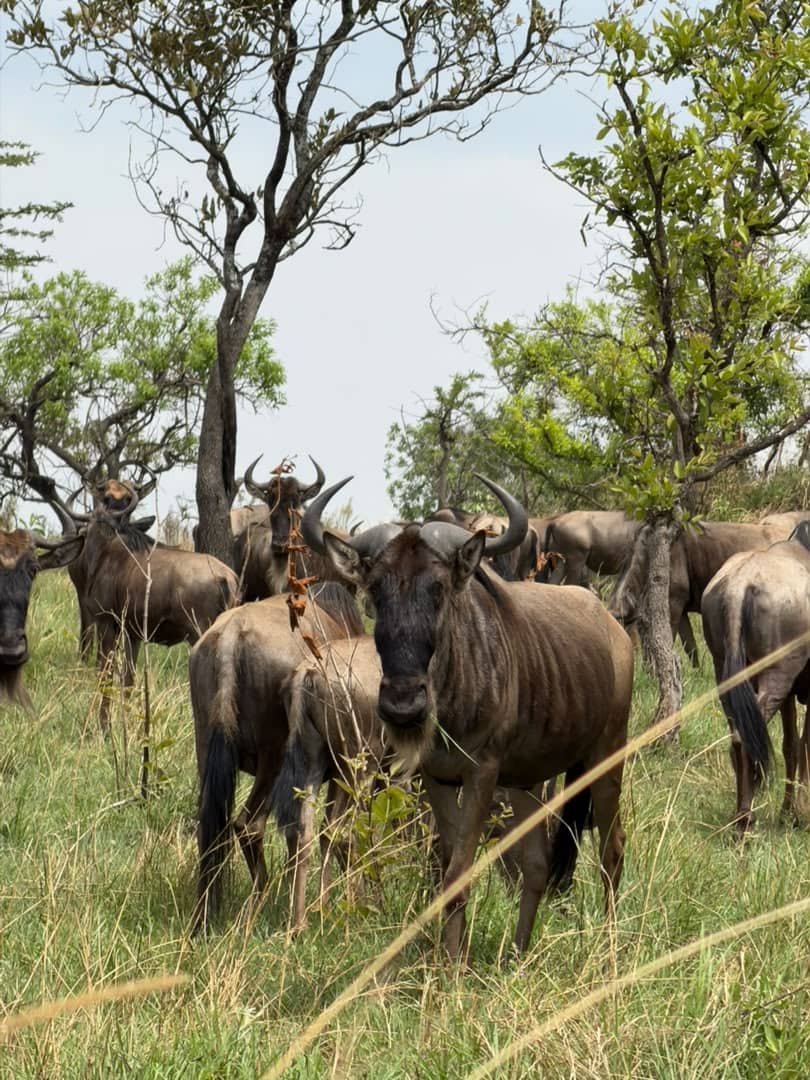
Mikumi National Park is one of Tanzania’s most accessible safari destinations. It offers open savannahs, elephants, lions, buffaloes, giraffes, zebras, wildebeest, hippos, crocodiles, and more than 400 recorded bird species. The park also provides a practical introduction to Tanzania’s wildlife for travelers who have limited time. Its location near Dar es Salaam makes it especially attractive for short safaris and weekend trips.
For travelers planning a Mikumi National Park safari, the biggest question is often whether the park can really deliver the African wildlife experience they expect. The answer is yes. Mikumi may not have the same international fame as Serengeti or Ngorongoro, but it has a different advantage: accessibility. You can reach the park by road from Dar es Salaam in roughly three to five hours, depending on traffic and road conditions. This makes it possible to enjoy a genuine wildlife safari without spending several days traveling between destinations.
For visitors traveling with Zamunda Travels, Mikumi can also work well as part of a wider southern Tanzania itinerary. It can be combined with destinations such as Nyerere National Park, Udzungwa Mountains, or other southern circuit attractions. This gives travelers an opportunity to experience several different landscapes and safari activities within one journey.
Why Visit Mikumi National Park?
Mikumi National Park stands out because it combines accessibility with strong wildlife viewing. The park covers about 3,230 square kilometers and forms part of a larger ecological landscape connected with the Nyerere National Park area and the Eastern Arc Mountains. Its most famous landscape is the Mkata Floodplain, where open grasslands provide excellent visibility during game drives.
The open terrain makes wildlife easier to spot than in areas dominated by dense woodland. During the dry season, animals often concentrate around remaining water sources. This can create excellent opportunities to observe elephants, buffaloes, giraffes, zebras, wildebeest, and other herbivores. Lions also occur regularly, while leopards and spotted hyenas can be found in suitable habitats.
Another reason to visit is the scenery. The Mkata Floodplain stretches across broad grasslands with acacia trees, seasonal wetlands, river loops, and distant hills. Baobabs also add character to parts of the landscape. During a game drive, these different habitats create changing backgrounds for wildlife photography.
Mikumi also has an important conservation role. The park connects with the wider southern Tanzanian ecosystem, helping maintain wildlife movement across a much larger landscape. Conservation work includes habitat management, anti-poaching efforts, community engagement, and responsible tourism.
Mikumi National Park Safari: What Wildlife Can You See?
A Mikumi National Park safari can provide sightings of many of Africa’s best-known animals. The Mkata Floodplain is particularly productive because its open grasslands and seasonal water sources attract large herbivores. Elephants, buffaloes, zebras, wildebeest, and giraffes are among the animals visitors commonly look for during game drives.
Lions are another major attraction. They are regularly recorded in Mikumi, and the open plains can offer good opportunities to watch them from a safe distance. Leopards and spotted hyenas also occur in the park, although sightings are less predictable. Safari travelers should remember that wildlife remains wild. No responsible operator can guarantee a particular animal on a particular game drive.
The park also supports hippos and crocodiles around its rivers and pools. These water environments attract many birds, especially during periods when water remains available in the dry season. The combination of grassland, woodland, wetlands, and river habitats helps Mikumi support a wide variety of species.
Birdwatchers have another reason to consider Mikumi. TANAPA records more than 400 bird species in the park. Depending on the season, visitors can look for lilac-breasted rollers, bee-eaters, hornbills, eagles, storks, and other waterbirds and raptors.
For photographers, Mikumi offers another advantage. Wildlife often appears against open horizons, which makes it easier to capture animals within their natural landscape. Early morning and late afternoon can provide especially attractive light.
The Mkata Floodplain: The Heart of the Safari
The Mkata Floodplain is one of the main reasons Mikumi works so well for wildlife viewing. Its broad grasslands provide long sightlines, so guides can scan larger areas for animals. Seasonal pans and water sources also influence where wildlife gathers throughout the year.
During the dry months, vegetation becomes less dense and animals become more dependent on available water. This can concentrate wildlife in certain areas. As a result, travelers often have better chances of finding large groups of herbivores near water.
The landscape changes when the rains arrive. Grass becomes greener, water spreads across seasonal areas, and the scenery becomes more dramatic. This period can also be rewarding for birdwatchers because seasonal wetlands attract additional birdlife.
This seasonal difference means that Mikumi does not offer exactly the same experience throughout the year. Your travel goals should therefore influence when you visit.
Mikumi National Park Safari: Best Time to Visit
The dry season from June to October is generally one of the best periods for a Mikumi National Park safari. During these months, wildlife becomes easier to locate around water sources, while thinner vegetation can improve visibility. TANAPA also identifies the dry season as a strong period for concentrated wildlife viewing.
However, the green season has its own advantages. The landscape becomes lush, skies can become dramatic, and birdwatching can be rewarding. Travelers who want greener scenery and fewer visitors may enjoy this period.
The short rains usually occur around November and December, while the longer rains occur from March to May. Conditions can vary, so travelers should check road conditions and accommodation availability before departure.
For first-time safari travelers who mainly want reliable big-game viewing, June to October is a strong choice. However, there is no single month that suits every traveler.
How to Get to Mikumi National Park
One of Mikumi’s greatest advantages is its road accessibility. The park sits along the A7 highway and is approximately three to five hours from Dar es Salaam by road, depending on traffic. It is also about an hour from Morogoro according to the current TANAPA visitor guide.
This makes Mikumi particularly convenient for travelers arriving in Dar es Salaam. Instead of taking a long domestic flight to a northern safari destination, visitors can begin their journey by road.
Flights are another option. Scheduled and charter services can operate to the Mikumi Airstrip, with transfers arranged through lodges or tour operators. Travelers who prefer to save time can therefore consider flying rather than driving.
For clients of Zamunda Travels, the best transport option depends on the overall itinerary. A road safari can work well when Mikumi forms part of a southern Tanzania circuit. A flight can make more sense when the traveler has limited time.
Things to Do in Mikumi National Park
Game drives remain the main activity in Mikumi. They allow visitors to explore the Mkata Floodplain, woodland areas, river loops, and other habitats while searching for wildlife. Morning and afternoon drives can offer different conditions, so spending more than one game drive in the park can improve the overall experience.
Guided walking activities are also available in designated areas. Walking provides a different perspective because visitors can focus on animal tracks, plants, insects, smaller wildlife, and bird calls. However, walking should always take place with an authorized ranger or guide. TANAPA advises visitors to follow designated areas and safety instructions.
Birdwatching is another worthwhile activity. The park’s combination of seasonal pans, woodland, grassland, and river environments creates opportunities for both resident and seasonal species.
Photography is naturally part of the experience. The open floodplain, wildlife, acacia trees, baobabs, and distant mountains can create excellent safari compositions.
Where to Stay in Mikumi
Mikumi offers several accommodation choices for different travel styles. Visitors can choose from campsites, special campsites, lodges, and tented camps in or around the park. TANAPA lists options such as Vuma Hill Camp and Mikumi Wilderness Camp, alongside camping facilities.
Camping can suit adventurous travelers who want a closer connection with the bush. Lodges and tented camps provide greater comfort and may work better for couples, families, or travelers seeking a more relaxed safari.
When planning with Zamunda Travels, accommodation should match the length and style of the safari. A short two-day trip may benefit from staying close to the park gate. A longer southern circuit can use Mikumi as one stop before continuing toward other destinations.
Is Mikumi Good for a Short Safari?
Yes. This is one of the strongest reasons to visit.
Travelers who have only a few days in Tanzania may not want to spend much of their trip on long transfers. Mikumi provides a practical alternative. Its location near Dar es Salaam means that visitors can combine a city stay with a short wildlife adventure. TANAPA specifically highlights the park as a convenient choice for weekend visitors and first-time safari travelers.
A short Mikumi itinerary can include road transfers, several game drives, and an overnight stay. Longer trips can add walking activities or continue toward Nyerere National Park and Udzungwa Mountains.
This flexibility makes Mikumi useful for travelers who want wildlife without committing to a long northern Tanzania circuit.
Is Mikumi National Park Worth Visiting?
Yes, Mikumi National Park is worth visiting, particularly if you value accessibility, classic wildlife, open landscapes, and flexible safari itineraries.
It is especially suitable for first-time safari travelers, short-stay visitors, families, photographers, birdwatchers, and travelers based in Dar es Salaam. The park offers elephants, lions, buffaloes, giraffes, zebras, wildebeest, hippos, crocodiles, diverse birdlife, and attractive savannah scenery.
However, travelers should choose Mikumi for the right reasons. If your main goal is the Great Migration, Serengeti is the better choice. If you want the spectacular concentration of wildlife associated with Ngorongoro Crater, Ngorongoro should be higher on your list. Mikumi’s strength lies elsewhere.
Its combination of accessibility and wildlife makes it an excellent southern Tanzania safari destination. It can also serve as a gateway to a wider southern circuit that includes Nyerere and Udzungwa.
Mikumi National Park vs Northern Tanzania Safaris
Mikumi should not be viewed as a lesser version of Serengeti. It offers a different safari experience.
Northern Tanzania attracts travelers because of famous destinations such as Serengeti, Ngorongoro, Tarangire, and Lake Manyara. These parks offer remarkable wildlife experiences and have strong international recognition. However, northern safari routes can require more driving between destinations or additional domestic flights.
Mikumi is more convenient for travelers who start in Dar es Salaam. It also fits naturally into southern Tanzania itineraries. Instead of spending most of the trip moving between famous parks, travelers can enjoy a focused wildlife experience and then continue toward another southern destination.
For travelers working with Zamunda Travels, this difference is important. The best safari is not necessarily the one with the most famous name. It is the itinerary that matches the traveler’s time, budget, interests, and preferred travel style.
Responsible Travel in Mikumi National Park
A good safari protects the environment as much as it entertains visitors. Travelers should remain on designated tracks, respect speed limits, avoid feeding animals, and follow guide and ranger instructions. Visitors should also keep a safe distance from wildlife.
Walking requires particular care. Travelers should never approach elephants, hippos, or other dangerous animals on foot. Authorized guides and rangers understand animal behavior and can manage encounters safely. TANAPA also states that drone use requires prior written permission.
Responsible tourism also means avoiding litter and respecting local communities. By choosing responsible operators such as Zamunda Travels, travelers can support tourism that values conservation, safety, and local participation.
Plan Your Mikumi Safari with Zamunda Travels
A well-planned safari can make Mikumi much more rewarding. Zamunda Travels can help travelers build an itinerary around their available time, preferred accommodation, transport choice, and wildlife interests.
For a short trip, Mikumi can work as a standalone safari from Dar es Salaam. For a longer adventure, it can become part of a southern Tanzania circuit linking Mikumi with Nyerere National Park, Udzungwa Mountains, and other attractions.
The park’s accessibility is its greatest practical advantage. Its wildlife is its greatest attraction. Its open landscapes make game viewing enjoyable. Together, these features make Mikumi a strong choice for travelers who want an authentic Tanzania safari without committing to a long northern circuit.
So, is Mikumi National Park worth visiting? Absolutely. If you want a convenient, wildlife-rich and flexible safari in southern Tanzania, Mikumi deserves a place on your itinerary.