Lake Nakuru National Park Safari
October 8, 2026
Nairobi National Park Safari
October 8, 2026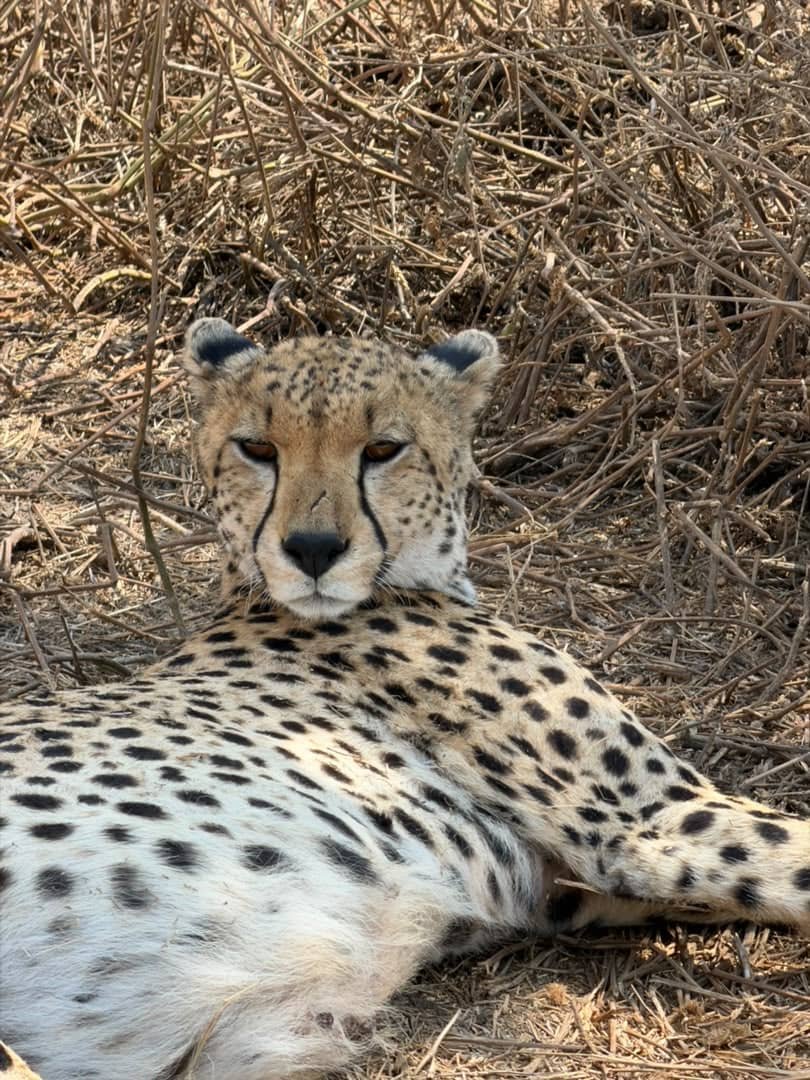
A Samburu safari offers a different side of Kenya from the classic savannah destinations of the Masai Mara and Amboseli. In northern Kenya, the landscape becomes drier, more rugged, and strongly shaped by the Ewaso Ng’iro River. Acacia woodland, open plains, rocky hills, and dry riverine habitats create a remarkable setting for wildlife viewing. The area is especially famous for species adapted to northern Kenya’s semi-arid conditions. These include Grevy’s zebra, reticulated giraffe, gerenuk, Beisa oryx, and Somali ostrich. Together, these animals are commonly known as the “Samburu Special Five.”
For travelers who want more than the traditional Big Five experience, Samburu provides a rewarding combination of wildlife, scenery, and culture. Lions, leopards, cheetahs, elephants, buffaloes, hippos, crocodiles, and many smaller animals also occur in the ecosystem. At the same time, the surrounding communities add an important human dimension to the journey. A well-planned trip with Zamunda Travels can therefore combine game drives, cultural experiences, birdwatching, scenic exploration, and conservation-focused travel in one northern Kenya itinerary.
Why Choose a Samburu Safari?
The biggest attraction of a Samburu safari is the opportunity to see northern Kenya’s distinctive wildlife in its natural environment. Many visitors arrive expecting another conventional game-viewing destination. Instead, they discover an ecosystem with its own identity. The reserve covers about 165 square kilometres and lies along the Ewaso Ng’iro River. It connects with the wider Samburu–Buffalo Springs–Shaba landscape, which supports wildlife across a much larger ecosystem than the reserve itself.
The Ewaso Ng’iro River plays a central role in the reserve. It provides an important source of water within an otherwise dry landscape. Wildlife often concentrates around the river and nearby woodland, especially during dry periods. However, animals also move across open plains and surrounding conservancies. This variety gives game drives a strong sense of exploration. Instead of simply driving between a few famous viewpoints, visitors can watch how wildlife uses different habitats.
Samburu also offers a quieter alternative to some of Kenya’s busiest safari destinations. Its northern setting, dramatic scenery, and specialist wildlife make it particularly attractive to repeat Kenya visitors. For first-time travelers, it can also add variety to an itinerary that already includes the Masai Mara, Lake Nakuru, or Amboseli.
Samburu Safari and the Northern Special Five
One of the main reasons travelers choose this destination is the famous northern “Special Five.” The group includes Grevy’s zebra, reticulated giraffe, gerenuk, Beisa oryx, and Somali ostrich. These species are adapted to dry-country environments and give the region a wildlife character that differs from southern Kenya.
The name “Special Five” should not be confused with the traditional African Big Five. It describes a group of distinctive northern species rather than the lion, leopard, elephant, buffalo, and rhinoceros group used in classic safari terminology. The five species do not live together as a single herd. Each occupies different habitats and uses the landscape in its own way.
For wildlife enthusiasts, this makes a Samburu safari especially rewarding. A game drive may begin with elephants beside the river and later reveal a group of reticulated giraffes in the bush. Farther across the plains, you may find Grevy’s zebra or Beisa oryx. With patience, your guide can also search for gerenuk standing upright while browsing above the reach of many other antelopes.
Grevy’s Zebra in Samburu
Grevy’s zebra is one of the most important species associated with northern Kenya. It is the largest of the three living zebra species and has narrow, closely spaced stripes, large rounded ears, and a white belly. Unlike plains zebra, Grevy’s zebra often forms smaller and more loosely structured social groups.
Samburu forms part of an important landscape for the species. Conservation work across northern Kenya focuses on protecting its habitat and improving coexistence between wildlife and pastoral communities. The Grevy’s Zebra Trust notes that more than 99% of the species’ range falls outside formally protected areas. This makes community conservation especially important for its long-term survival.
Recent conservation work also demonstrates the importance of monitoring individual animals. Kenya Wildlife Service reported in 2026 that a Grevy’s zebra mare in Samburu was fitted with a replacement tracking collar to help researchers understand her movements and the corridors she uses.
Seeing a Grevy’s zebra during your trip is therefore more than a photographic opportunity. It provides a connection to one of northern Kenya’s most important conservation stories.
Reticulated Giraffe in Northern Kenya
The reticulated giraffe is another major attraction. Its coat features large, clearly defined polygonal patches separated by pale lines. This pattern gives the animal an almost geometric appearance and makes it easy to distinguish from other giraffe populations.
Reticulated giraffes occur widely across the drylands of northern Kenya. They browse on trees and shrubs, including acacia species, and can move between riverine areas and drier woodland. Kenya’s national giraffe recovery plan identifies reticulated giraffes as one of the country’s three giraffe species. Their range includes Samburu and several other northern ecosystems.
Early morning game drives often provide excellent opportunities to photograph giraffes while the light remains soft. Their tall silhouettes also stand out against Samburu’s rocky hills and open plains.
Somali Ostrich and Other Northern Species
The Somali ostrich adds another distinctive feature to the wildlife experience. It differs from the common ostrich and is particularly associated with the dry northern and eastern parts of Africa. Adult males have blue-grey skin around the neck and legs, which creates a striking appearance in the open landscape. Samburu’s bird records include both Somali and common ostrich species.
The other members of the northern Special Five are equally interesting. Gerenuk are famous for standing on their hind legs to browse on leaves above ground level. Beisa oryx have long, straight horns and strong facial markings. Both species show how animals have adapted to the hot and dry conditions of northern Kenya.
Big Five Wildlife on a Samburu Safari
Although Samburu is famous for its northern specialists, the reserve also offers strong general wildlife viewing. Lions occur in the ecosystem, while leopards can be found around rocky and wooded habitats. Cheetahs also occur, although sightings depend on season, location, and luck. Elephants are another important attraction, particularly around the Ewaso Ng’iro River. Buffaloes, plains zebra, impala, warthogs, waterbuck, gazelles, baboons, and other mammals add further variety.
The reserve is not primarily known as a rhinoceros destination. Travelers who specifically want rhino sightings can consider adding Lewa Wildlife Conservancy or another northern Kenya conservation area to their itinerary. This approach can turn a Samburu trip into a broader northern Kenya safari with a wider range of wildlife experiences.
Predator sightings can be particularly rewarding because the dry landscape often provides excellent visibility. However, wildlife remains wild, and no guide can guarantee a particular animal. A skilled guide will instead read tracks, scan the terrain, follow recent sightings, and understand how weather and water affect animal movements.
The Ewaso Ng’iro River and Samburu Landscape
The Ewaso Ng’iro River is one of the defining features of the reserve. Its presence creates a ribbon of vegetation through a landscape that can appear extremely dry. Doum palms, acacia trees, shrubs, and riverine vegetation create habitat for both large mammals and birds.
This contrast makes the scenery one of the strongest parts of a Samburu safari. Visitors can move from open, sun-baked plains to green riverbanks within a short distance. Rugged hills and rocky formations provide additional photographic backgrounds.
The landscape also changes with rainfall. During wetter periods, vegetation can become greener and wildlife can spread across a wider area. During dry conditions, animals may concentrate more strongly around reliable water sources. Consequently, the same reserve can provide very different visual experiences at different times of the year.
Samburu Culture and Community Experiences
Wildlife is only part of the Samburu experience. The Samburu people have strong cultural connections to pastoralism, livestock, land, and natural resources. Their traditional knowledge remains closely connected to the northern Kenya environment.
Cultural visits can provide an opportunity to learn about traditional homes, beadwork, clothing, music, livestock keeping, ceremonies, and community life. However, responsible tourism should treat these experiences as genuine cultural exchanges rather than staged performances. Travelers should ask permission before taking photographs and should respect local customs.
The relationship between communities and conservation also deserves attention. In northern Kenya, wildlife moves beyond formal protected areas. As a result, conservation depends partly on how people manage grazing areas, water, wildlife corridors, and shared landscapes. The Grevy’s Zebra Trust works with local communities on monitoring, rangeland management, peacebuilding, and wildlife conservation.
For visitors traveling with Zamunda Travels, adding a community experience can make the safari more meaningful. It allows travelers to understand that conservation is not only about protecting animals inside reserve boundaries. It is also about supporting communities that share the landscape with wildlife.
Birdwatching During a Samburu Safari
Samburu is also an excellent destination for bird lovers. The dry-country habitat supports a diverse range of birds, while the Ewaso Ng’iro River adds water-associated species. Raptors, hornbills, ostriches, guinea fowl, and many smaller birds can appear during game drives.
Birdwatching becomes especially enjoyable when visitors slow down. A safari vehicle may stop for a large mammal, but the surrounding trees can reveal several bird species at the same time. Experienced guides can help identify birds by their calls, colors, flight patterns, and habitat.
The reserve’s bird records include both Somali ostrich and common ostrich, along with species such as vulturine guineafowl and several waterfowl species.
Best Time for a Samburu Safari
The best time for a Samburu safari depends on what you want to experience. The dry months are generally attractive for wildlife viewing because vegetation becomes thinner and animals often rely more heavily on dependable water sources. The period from June to October is widely regarded as a strong wildlife-viewing season.
The months around December to March can also offer good safari conditions. Wildlife remains active, and the landscape can provide excellent opportunities for predators and northern specialist species. Rainfall can change conditions quickly, so travelers should avoid thinking of any month as completely guaranteed.
For photographers, the dry season can provide clear views and dramatic skies. Green periods can produce richer vegetation and attractive contrasts between the river, hills, and surrounding plains. Your choice should therefore depend on whether your priority is wildlife concentration, landscape photography, birding, lower visitor numbers, or combining Samburu with other Kenyan destinations.
What to Expect on Game Drives
Game drives normally take place in the early morning and late afternoon when temperatures are more comfortable and many animals are active. Early starts can be particularly rewarding because the cooler conditions encourage wildlife movement.
A typical drive may include several different habitats. Your guide might begin near the river before moving into woodland and open plains. The route can change according to recent sightings, weather, road conditions, and animal behavior.
Patience matters. The most memorable sightings are not always the biggest animals. Watching a gerenuk rise onto its hind legs, following a Grevy’s zebra herd, or observing elephants approach the river can create a more personal experience than simply checking animals off a list.
A professional safari company such as Zamunda Travels can also combine Samburu with other destinations to create a balanced itinerary. Travelers may pair the reserve with Lake Nakuru, Masai Mara, Amboseli, Laikipia, or Nairobi depending on the available travel time.
Where to Stay in Samburu
Accommodation around Samburu ranges from comfortable safari camps to high-end lodges and tented properties. Many properties are positioned close to the reserve or along the Ewaso Ng’iro River, giving travelers easy access to game-drive routes.
When choosing accommodation, consider more than the room. Location, access to wildlife areas, guiding standards, community involvement, food, sustainability practices, and the type of safari vehicle can all influence the experience.
A riverside property can offer attractive scenery and easy access to wildlife. However, a camp farther from the river may provide a quieter atmosphere. Zamunda Travels can help match accommodation with your preferred travel style, budget, and itinerary.
How to Get to Samburu National Reserve
Samburu lies in northern Kenya, roughly 350 kilometres from Nairobi by road. The journey takes travelers away from the capital and into the drier landscapes of northern Kenya.
Road travel provides an opportunity to experience the changing scenery, although the journey can be long. Travelers with limited time may prefer a scheduled or chartered flight to an airstrip serving the Samburu area, followed by a transfer to their lodge or camp.
The best option depends on your itinerary. A road safari works well when Samburu forms part of a longer overland journey. Flying can save time when travelers want to maximize time in the reserve.
Samburu Conservation and Responsible Tourism
Conservation is a major part of the Samburu story. The dryland ecosystem faces pressures linked to habitat change, water availability, livestock grazing, infrastructure, and human-wildlife conflict. These challenges require cooperation between communities, conservation organizations, county authorities, wildlife managers, and tourism operators.
Grevy’s zebra provides a clear example. The species depends heavily on landscapes outside protected areas, so community involvement is essential. Conservation organizations work with local people on wildlife monitoring, rangeland management, education, and coexistence.
Travelers can contribute by choosing responsible safari operators, respecting wildlife distances, avoiding litter, supporting legitimate community experiences, and following guide instructions. Tourism can help create economic reasons to protect wildlife and maintain natural habitats when local communities receive meaningful benefits.
Samburu Safari vs Masai Mara Safari
Samburu and the Masai Mara offer very different safari experiences. The Masai Mara is famous for its large open grasslands, abundant predators, and the annual wildebeest migration. Samburu stands out for its dry northern landscapes and specialist wildlife.
If your priority is the Great Migration, the Masai Mara is the stronger choice. If you want Grevy’s zebra, reticulated giraffe, gerenuk, Beisa oryx, and Somali ostrich, Samburu offers a more distinctive experience.
The two destinations work especially well together. A longer Kenya itinerary can begin in Samburu before continuing to the Rift Valley and Masai Mara. This combination gives travelers both northern Kenya’s dryland wildlife and the classic southern savannah experience.
How Many Days Do You Need?
A minimum of two nights can provide a useful introduction to the reserve. However, three nights gives travelers more time for several game drives and a cultural experience without rushing.
A 3-day Samburu safari works well for travelers who want a short northern Kenya escape. A four- or five-day itinerary can allow more flexibility and can include nearby destinations or conservancies.
For a longer Kenya holiday, Zamunda Travels can combine Samburu with Lake Nakuru, Masai Mara, Amboseli, or other destinations. The ideal number of days depends on your international flight schedule, budget, preferred accommodation level, and the number of parks you want to visit.
What to Pack for Samburu
Pack lightweight, breathable clothing because northern Kenya can become hot during the day. Neutral colors are useful for safari activities, while a light jacket or fleece can help during cool early mornings.
Other useful items include a wide-brimmed hat, sunscreen, sunglasses, comfortable walking shoes, insect repellent, a reusable water bottle, binoculars, and a camera with extra batteries or power banks.
Because dust can be common on some game-drive routes, protect cameras and other sensitive electronics when necessary. A small day bag also makes it easier to keep essential items accessible during drives.
Why Book Your Kenya Safari with Zamunda Travels?
Choosing the right safari company can make a major difference to your experience. Zamunda Travels can help travelers plan a Kenya itinerary around wildlife interests, travel dates, accommodation preferences, budget, and the number of destinations they want to visit.
For a Samburu-focused journey, planning should consider more than simply reserving accommodation. Good safari planning includes transportation, park access, game drives, accommodation, guiding, meal arrangements, cultural experiences, and connections with other destinations.
Zamunda Travels can also help build a broader Kenya safari that combines Samburu with destinations such as Lake Nakuru and the Masai Mara. This allows travelers to experience several of Kenya’s major ecosystems within one carefully organized journey.
Final Thoughts on Samburu National Reserve
A Samburu safari offers one of Kenya’s most distinctive wildlife experiences. The reserve combines a dramatic dryland landscape with the Ewaso Ng’iro River and an impressive range of wildlife. Its greatest attraction is the opportunity to see northern specialists such as Grevy’s zebra, reticulated giraffe, Somali ostrich, gerenuk, and Beisa oryx.
Beyond wildlife, Samburu provides an opportunity to learn about the communities that have lived with and depended on this landscape for generations. Conservation adds another important layer, especially because many northern species move beyond protected areas and depend on wider community landscapes.
For travelers seeking something different from the usual Kenya safari route, Samburu deserves a place on the itinerary. With careful planning from Zamunda Travels, it can become the starting point for a wider northern Kenya adventure or a memorable addition to a classic Kenya safari.
Travel with Zamunda Travels and discover the wildlife, landscapes, people, and conservation stories that make northern Kenya extraordinary.