Mount Karisimbi Hiking Guide
October 11, 2026
The Five Volcanoes of Rwanda
October 11, 2026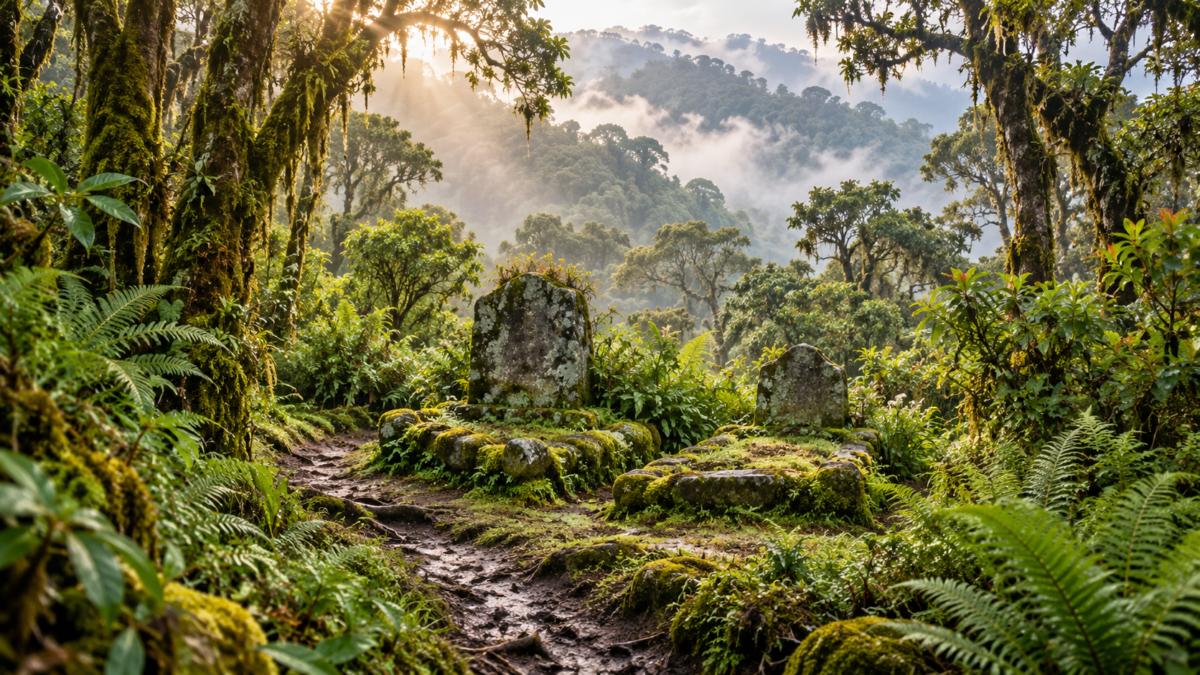
The Dian Fossey tomb hike takes you into the forest where Rwanda’s gorilla conservation story gained worldwide attention. You follow mountain trails to the former Karisoke research site and Fossey’s resting place.
However, this experience offers much more than a visit to a grave. It connects the gorillas, their forest home and the people who continue protecting them.
For travellers who enjoy nature and history, the hike adds meaning to a Rwanda safari. Zamunda Travels can help you combine it with gorilla trekking and other experiences around Volcanoes National Park.
What Is the Dian Fossey Tomb Hike?
This guided forest hike leads to Dian Fossey’s grave inside Volcanoes National Park in northern Rwanda. The destination lies at the original Karisoke Research Centre site, between Mount Bisoke and Mount Karisimbi.
Fossey established Karisoke in 1967 to study mountain gorillas. Its name combines parts of the two neighbouring volcanoes’ names. Dian Fossey Gorilla Fund
Today, visitors walk to the historic site and the nearby gorilla cemetery. However, you should expect a forest memorial rather than an intact research station.
The hike suits travellers interested in conservation, wildlife research and Rwanda’s mountain landscapes. It also provides valuable context before or after a gorilla trek.
Importantly, the tomb hike and gorilla trekking are separate activities. A hiking permit does not include a scheduled gorilla encounter.
Where Is Dian Fossey Buried?
Dian Fossey is buried at Karisoke, beside Digit and other gorillas associated with her research. The cemetery sits within the forest she spent years studying and protecting.
Reaching this quiet place helps visitors understand the isolation of her work. Meanwhile, the surrounding vegetation reminds you that conservation depends on protecting entire habitats.
Zamunda Travels can arrange transport to the park headquarters and onward to the trailhead. Therefore, your planning should cover both the permit and the transfers.
Who Was Dian Fossey, and Why Does Her Work Matter?
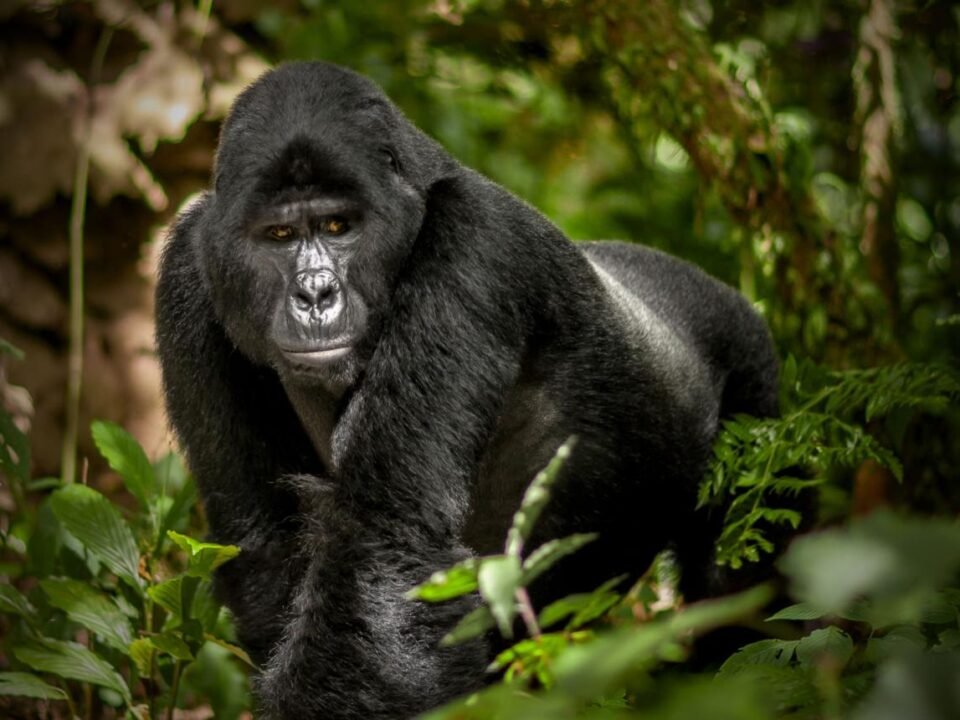
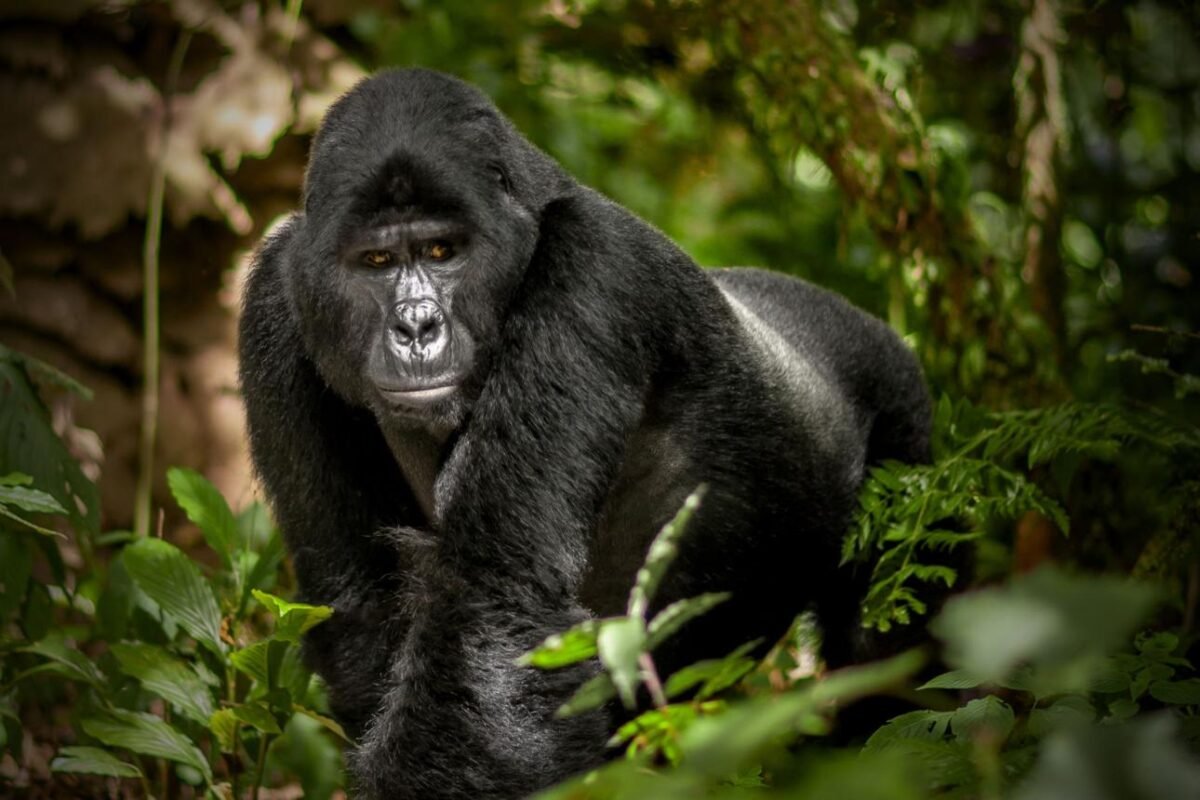
Dian Fossey was an American researcher who devoted much of her life to mountain gorillas. Through patient observation, she helped reveal their family relationships, individual personalities and social behaviour.
In September 1967, she established her research base in Rwanda’s Virunga Mountains. Over time, Karisoke became an important centre for long-term gorilla research.
Her work helped challenge frightening public images of gorillas. Instead, readers and viewers encountered animals with strong social bonds and complex lives.
However, studying gorillas also exposed the threats they faced. Poaching became a central concern, alongside the challenge of protecting their forest habitat.
Digit and the Fight Against Poaching
Digit was one of the gorillas Fossey knew particularly well. Poachers killed him in December 1977, creating a painful turning point in her conservation work.
Afterward, fundraising for gorilla protection became closely associated with his name. The Digit Fund developed into the organisation now known as the Dian Fossey Gorilla Fund.
Fossey published Gorillas in the Mist in 1983. A film adaptation followed in 1988, bringing her story to a wider audience.
She was murdered at Karisoke in December 1985. However, accounts of her death should distinguish established facts from speculation about those responsible.
Today, the strongest way to honour her contribution is to understand the ongoing work. Rangers, trackers, scientists and neighbouring communities all belong in that story.
What to Expect Along the Trail
Your morning begins at the Volcanoes National Park headquarters in Kinigi. Here, park staff check documents and explain the day’s arrangements.
The official booking page lists a 7:00 a.m. reporting time. Afterward, visitors transfer by vehicle to the hiking start point.
As you enter the forest, the landscape becomes the main attraction. Bamboo, dense vegetation and higher montane forest create a changing setting along the climb.
Meanwhile, listen for the dawn chorus and watch the forest floor. Your guide may point out animal signs, plants and birds that visitors easily overlook.
The trail includes uneven ground, muddy stretches and uphill sections. Therefore, walking slowly often makes the experience more enjoyable.
At the Former Karisoke Site
At the destination, your guide explains the research camp’s history and the cemetery. Very little of the original camp survives, so manage expectations before setting out.
Allow time to listen before taking photographs. Then, notice how the forest surrounds the memorial and shapes the atmosphere.
Useful questions can deepen your visit. Ask how researchers identify individual gorillas, record family changes and work alongside park teams.
However, wildlife sightings remain unpredictable. Enjoy any encounters your guide considers safe, without expecting gorillas or other large mammals.
How Difficult Is the Hike?
The Dian Fossey grave hike is generally described as moderate. However, that description does not mean everyone will find it easy.
Mud, sustained climbing and altitude can make the walk demanding. Even regular walkers may move more slowly than expected.
The historic site lies around 3,000 metres above sea level. Visit Rwanda describes an uphill forest walk of roughly two to three hours.
For planning, reserve roughly four to six hours for the return walk and stops. Published estimates vary, so avoid building your afternoon around an exact finishing time.
How to Prepare Physically
Before travelling, practise walking uphill and using stairs. Also, wear your hiking boots during training to identify pressure points.
For example, try several walks that include uneven paths and gradual climbs. This gives you a better preparation than walking only on flat roads.
On the day, start gently and tell your guide if the pace feels uncomfortable. Likewise, mention any health or mobility concerns before booking.
A porter can carry your bag and help on difficult sections. However, assistance does not remove the need for suitable fitness.
Finally, leave space for recovery after the hike. A relaxed afternoon works better than another demanding activity.
Dian Fossey Hike Permit, Costs and Booking
The Rwanda Development Board’s booking portal currently lists these adult permit rates:
| Visitor category | Listed adult permit fee |
|---|---|
| Foreign visitor | USD 75 |
| Foreign resident in Rwanda | USD 60 |
| Rwandan citizen | RWF 4,000 |
| East African citizen | USD 55 |
| East African foreign resident | USD 65 |
The minimum hiking age is 15. Additionally, discounted categories require suitable identification or residency documents. Confirm rates and eligibility before paying.
You can book through the official portal or ask Zamunda Travels to coordinate your arrangements. Either way, use your correct passport details.
Budget Beyond the Permit
Your total trip cost also depends on transport, accommodation and meals. Optional porter services and tips require a separate allowance.
Therefore, request a written breakdown before comparing quotations. Ask whether transport covers both Kinigi headquarters and the trailhead.
For instance, a permit-only booking differs greatly from a package with Kigali transfers and accommodation. Comparing their headline prices alone can mislead you.
Also, ask about cancellation and rescheduling conditions before payment. Weather, illness or itinerary changes can affect your plans.
Finally, keep your permit confirmation accessible on your phone. Carry the original identification supporting your booking category.
Best Time to Hike and What to Pack
June to September and December to February generally offer drier hiking conditions. However, rain remains possible in this mountain environment.
March to May and October to November tend to bring wetter trails. Consequently, mud can slow your pace and make footing more difficult.
Choose your travel dates around your wider safari priorities. Then, prepare for changing weather regardless of the season.
Essential Hiking Equipment
Pack equipment that keeps you comfortable during rain, climbing and rest stops:
- Worn-in hiking boots with reliable grip.
- Long trousers and a comfortable long-sleeved top.
- A waterproof jacket and a warm layer.
- Drinking water, snacks and any personal medication.
- A small backpack with waterproof protection.
- Spare socks and a bag for muddy footwear.
- A walking pole, if you find one helpful.
Gardening-style gloves can also help when vegetation borders the trail. However, ask your guide before grabbing unfamiliar plants.
Keep your camera easy to reach without leaving it exposed to rain. Likewise, protect your phone and permit documents.
Before departure, confirm whether your lodge can provide an early breakfast or packed lunch. This small detail makes the morning much easier.
Getting There and Choosing Where to Stay
Most international visitors approach Volcanoes National Park from Kigali. The journey continues toward Musanze and the Kinigi area.
As a practical planning allowance, reserve around three hours for the drive. However, traffic, weather and your starting location can change the timing.
Staying near Kinigi simplifies the early park check-in. Alternatively, Musanze offers a town setting with restaurants and other services.
When choosing accommodation, look beyond attractive room photographs. Check travel time to headquarters, breakfast arrangements and facilities for drying wet clothing.
Why Staying Nearby Helps
A previous-night arrival gives you time to organise documents and repack your hiking bag. Moreover, it removes the pressure of a very early Kigali departure.
Afterward, you can rest locally before travelling onward. This creates useful flexibility if the hike takes longer than expected.
Zamunda Travels can help match accommodation and transfers to your wider Rwanda itinerary. Share your preferred comfort level and walking experience when requesting a quotation.
If you plan to fly after hiking, allow generous time between activities. A fixed forest return time is difficult to promise.
Combine the Hike With Rwanda’s Living Conservation Story
The tomb hike explains an important chapter of gorilla conservation history. However, visiting the Ellen DeGeneres Campus helps connect that history with present-day work.
The campus opened in 2022 and includes public conservation exhibits. Its displays explore gorilla research, Fossey’s contribution and the work continuing today.
These are separate destinations. The historic grave lies inside the forest, while the modern campus provides a different visitor experience.
Therefore, consider visiting the campus before your hike. You can arrive with better questions and a clearer understanding of Karisoke.
A Practical Three-Day Plan
Day one: Travel from Kigali to the Volcanoes National Park area. If arrival time allows, visit the campus before settling into your lodge.
Day two: Complete the tomb hike, then enjoy a relaxed afternoon. Keep additional visits optional rather than tightly scheduled.
Day three: Take a separately booked gorilla trek or golden monkey tracking experience. Alternatively, return to Kigali after breakfast.
For a gentler schedule, add another night between demanding activities. Zamunda Travels can adapt the sequence around permit availability and your fitness.
Also, remember that conservation extends beyond famous names. Modern programmes include research, education and opportunities for African scientists and local communities.
Responsible Visiting and Planning With Zamunda Travels
Treat the cemetery as a place of remembrance. Speak quietly, respect grave markers and follow your guide’s instructions.
Likewise, take all rubbish away and leave plants undisturbed. Ask before leaving flowers or any other tribute.
If wildlife appears, allow the ranger to manage the encounter. Never approach animals for a closer photograph.
Hiring a local porter can make your walk more comfortable. Additionally, it creates a direct paid opportunity for someone from the surrounding area.
Before travelling, read about Fossey’s research alongside current conservation programmes. This gives your visit depth beyond the dramatic parts of her story.
For planning support, contact Zamunda Travels through www.zamundatravels.com. You can also email info@zamundatravels.com or WhatsApp +256704705606.
Share your dates, group size and preferred activities. Then, request a clear quotation covering permits, transport and accommodation.
Frequently Asked Questions
How much does the Dian Fossey tomb hike cost?
The listed permit fee for foreign visitors is USD 75 per person. Other categories have different rates. Transport, accommodation and optional services add to your budget.
How long does the Dian Fossey tomb hike take?
Allow roughly four to six hours for the return walk and stops. However, pace and trail conditions affect timing. Keep your afternoon flexible.
Is the Dian Fossey tomb hike difficult?
The hike is usually rated moderate, with uphill sections and uneven ground. However, mud and altitude can increase the challenge. Regular hill walking offers useful preparation.
Will I see mountain gorillas during the hike?
Gorilla sightings are not guaranteed on this historical hike. Therefore, book a separate gorilla trekking permit if that experience is your priority. Always follow ranger instructions during unexpected encounters.
Can children visit Dian Fossey’s tomb?
The official minimum age is 15 years. Therefore, younger children cannot join the tomb hike. Consider a campus visit instead, after checking its current visitor arrangements.