Tanzania Safari from Hungary
November 23, 2026
Tanzania Safari from Canada
November 24, 2026
Planning a Tanzania safari from the USA offers an opportunity to explore Africa’s remarkable wildlife, diverse landscapes and rich cultural heritage. From the open plains of Serengeti National Park to the wildlife-rich Ngorongoro Crater, Tanzania offers exceptional experiences for first-time and experienced safari travellers.
American visitors can enjoy the Great Wildebeest Migration, observe the African Big Five, experience guided wildlife safaris and relax along Zanzibar’s Indian Ocean coastline.
However, travelling from the United States requires careful planning. International flights, visa requirements, safari costs, accommodation and seasonal wildlife movements are important considerations.
This guide explains everything you need to know when planning a Tanzania safari, including the best destinations, travel seasons, suggested itineraries and opportunities to combine Tanzania with other East African countries.
Why choose Tanzania for an African safari from the USA?
Tanzania offers an extraordinary variety of wildlife experiences within its national parks and conservation areas. Its landscapes range from open grasslands and volcanic craters to woodlands, mountains and tropical beaches.
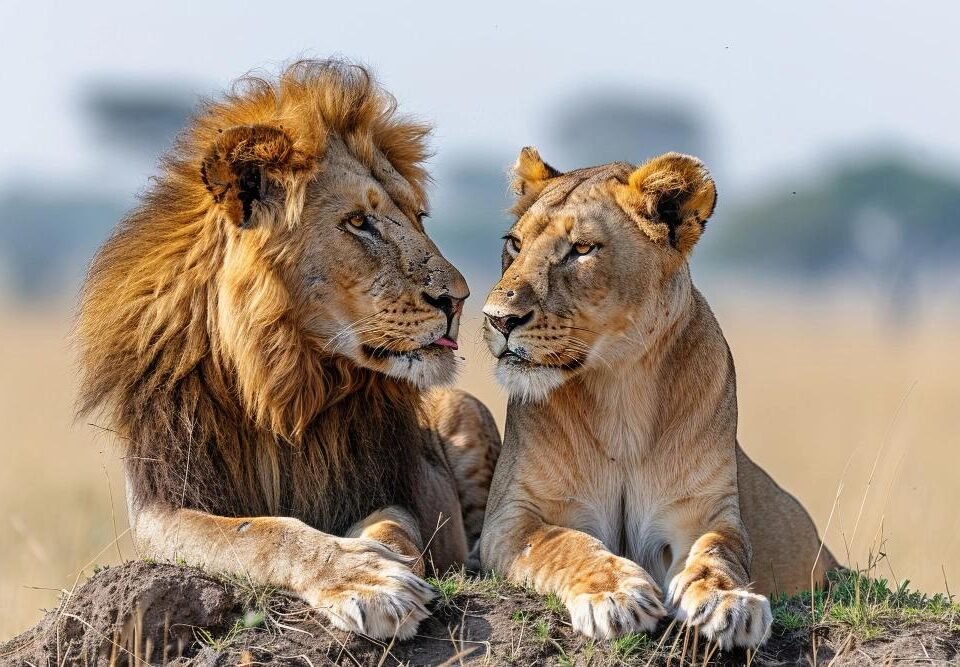
The country is particularly attractive to travellers interested in the African Big Five: lions, elephants, leopards, rhinoceroses and buffaloes.
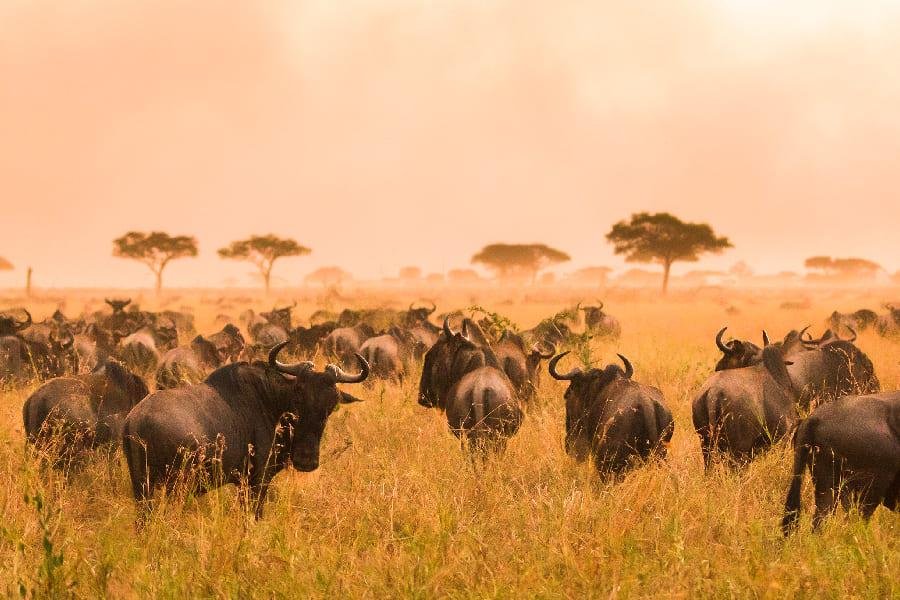
Tanzania is also home to the Great Wildebeest Migration, during which vast herds of wildebeest and zebras move across the Serengeti-Mara ecosystem in search of grazing and water.
American travellers can choose from private wildlife safaris, photographic expeditions, family holidays, luxury tented camps and romantic safari experiences.
Furthermore, Tanzania’s location makes it suitable for combining wildlife viewing with mountain gorilla trekking in neighbouring East African countries.
How to get to Tanzania from the USA
Travelling to Tanzania from the United States generally involves connecting through an international airport in Europe, the Middle East or Africa.
When comparing flights, consider the total journey duration, baggage allowance, connection times and your final safari destination rather than simply choosing the cheapest ticket.
International flights from American cities
Travellers can investigate flight connections from major American airports, including New York, Boston, Washington DC, Atlanta, Chicago, Dallas, Houston, Miami and Los Angeles.
Turkish Airlines, for example, publishes connections from several American cities to Tanzania through its international network. Travellers should check available routes and departure dates directly through the airline.
Flight availability and connection arrangements vary throughout the year.
Where possible, book connecting flights on a single ticket to reduce complications if your initial flight is delayed.
Which airport should Americans fly into?
Kilimanjaro International Airport (JRO) is generally the most convenient arrival airport for northern Tanzania safaris. It provides access to Arusha, the starting point for many Serengeti, Tarangire and Ngorongoro itineraries.
Julius Nyerere International Airport (DAR) in Dar es Salaam is more suitable for travellers visiting southern Tanzania, including Nyerere National Park and Ruaha National Park.
Abeid Amani Karume International Airport (ZNZ) serves Zanzibar and is convenient for travellers combining wildlife safaris with beach holidays.
For a northern Tanzania safari followed by Zanzibar, consider arriving through Kilimanjaro and departing internationally from Zanzibar. This may reduce unnecessary return journeys.
Allow time to recover from international travel
The time difference between Tanzania and the United States can make the first few days tiring.
Spending your arrival night in Arusha before beginning your safari allows time to rest, recover from jet lag and manage unexpected flight or luggage delays.
Avoid scheduling expensive activities immediately after your international arrival.
Best places to visit on a Tanzania safari from the USA
Tanzania has several wildlife destinations, each offering different landscapes, animal encounters and safari experiences.
First-time visitors generally benefit from exploring the northern safari circuit. However, southern Tanzania offers worthwhile alternatives for travellers seeking quieter wilderness experiences.
Serengeti National Park
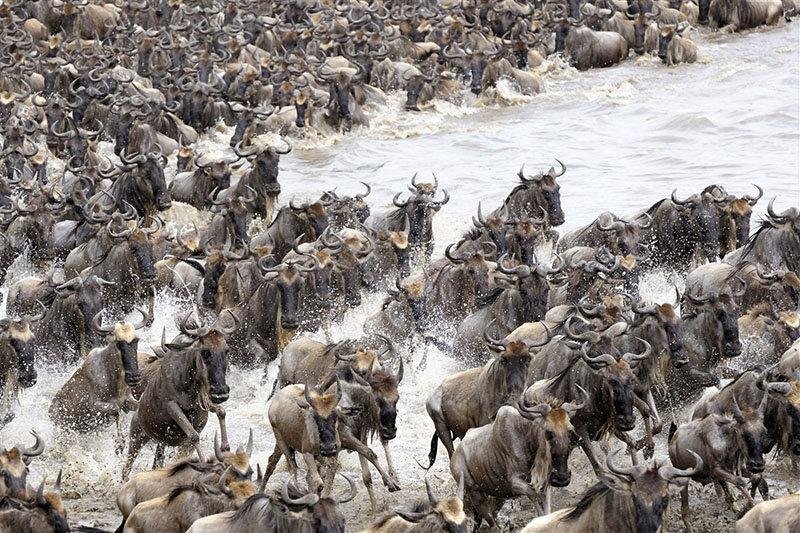
Wildebeest crossing the Mara River during their annual migration through the Serengeti-Mara ecosystem.
Serengeti National Park is one of Tanzania’s leading wildlife destinations. Its extensive grasslands, rocky outcrops and river systems support diverse wildlife populations.
Visitors can search for lions, cheetahs, leopards, elephants, giraffes, hyenas and numerous antelope species.
The Serengeti is also internationally recognised for the Great Wildebeest Migration. Travellers interested in this natural event should select accommodation according to the anticipated seasonal location of the herds.
Central Serengeti offers rewarding resident wildlife viewing throughout the year. Northern Serengeti is particularly attractive during the period when migrating herds approach the Mara River.
For a first-time safari, spending at least three nights in the Serengeti is a sensible recommendation. This allows more opportunities for wildlife encounters without constantly changing accommodation.
Ngorongoro Crater
Ngorongoro Crater offers a different wildlife experience from the Serengeti. Its volcanic landscape contains grasslands, freshwater habitats, woodland and a variety of animals.
Visitors may encounter lions, elephants, buffaloes, zebras, hippos and black rhinoceroses.
The crater is particularly suitable for travellers hoping to observe several wildlife species within a relatively concentrated area.
Accommodation around Karatu provides a practical base for exploring the conservation area. Properties closer to the crater rim may offer shorter access journeys and impressive landscape views.
Ngorongoro combines naturally with Serengeti and Tarangire in a northern Tanzania safari itinerary.
Tarangire National Park
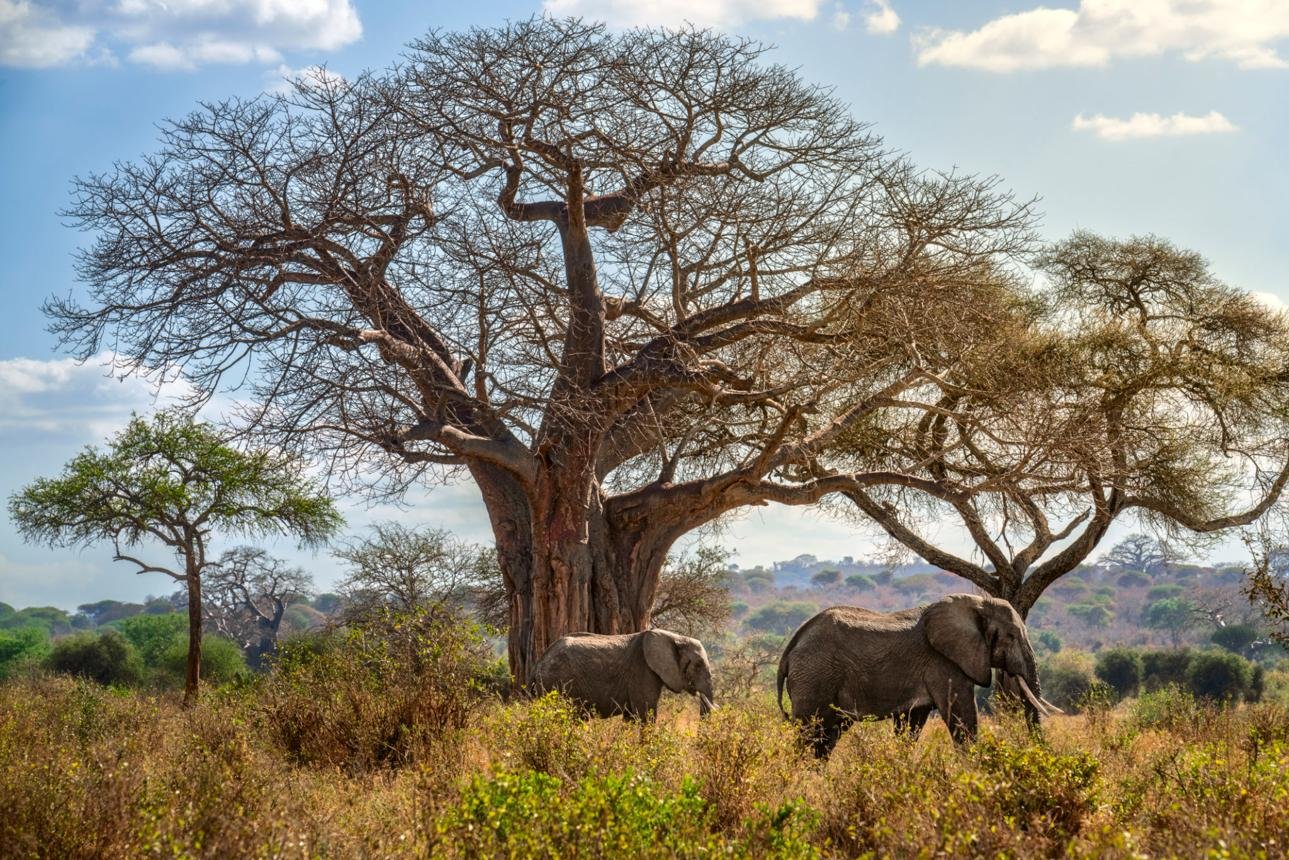
African elephants exploring the distinctive baobab landscapes of Tarangire National Park.
Tarangire National Park is known for its elephants, distinctive baobab trees and seasonal wildlife concentrations around the Tarangire River.
During drier months, wildlife gathers around remaining water sources, creating rewarding game-viewing opportunities.
Visitors may encounter giraffes, zebras, wildebeest, buffaloes, lions and numerous bird species.
Tarangire is an excellent introduction to Tanzania’s wildlife and can be included at the beginning of a northern safari circuit.
Travellers interested in elephants and photography should consider an overnight stay rather than treating the park as a brief stop.
Lake Manyara National Park
Lake Manyara National Park offers a combination of forest, lake habitats and open woodland.
The park is associated with tree-climbing lions, although sightings are unpredictable. Visitors may also encounter baboons, elephants, giraffes and diverse birdlife.
Lake Manyara is particularly suitable for travellers interested in birdwatching and varied ecosystems.
Its location makes it convenient to include when travelling between Arusha, Karatu and the Ngorongoro Conservation Area.
Nyerere National Park
Nyerere National Park is a suitable alternative for travellers interested in southern Tanzania.
The Rufiji River and surrounding wilderness support elephants, hippos, crocodiles, African wild dogs and other wildlife.
Depending on the location and available activities, visitors can combine traditional game drives with guided boat safaris and walking experiences.
Nyerere is worth considering for travellers who have previously explored the Serengeti or prefer a less conventional safari route.
Ruaha National Park
Ruaha National Park offers rugged landscapes, extensive woodland and riverine habitats.
It is especially appealing to experienced safari travellers interested in predators, elephants and remote wilderness experiences.
Domestic flights can simplify access, although these may increase the overall holiday cost.
Travellers with limited time should generally concentrate on either northern or southern Tanzania rather than trying to explore both regions within one short holiday.
Best time to visit Tanzania from the USA
Tanzania offers wildlife viewing throughout the year. However, your preferred experiences should influence when you travel.
June to October: Dry-season wildlife safaris
The dry season generally provides favourable wildlife-viewing conditions across many Tanzanian parks.
As vegetation becomes thinner and water sources decrease, animals often become easier to locate.
This period also overlaps with American summer holidays, making it convenient for families travelling during school breaks.
Between approximately July and October, northern Serengeti can offer opportunities to observe migrating herds near the Mara River.
However, river crossings depend on animal behaviour, rainfall and grazing conditions. No specific crossing can be guaranteed.
January to March: Wildebeest calving season
The southern Serengeti and Ndutu area are particularly attractive during the early months of the year.
Migrating wildebeest congregate across the southern plains, with calving commonly concentrated around February.
The presence of young animals can attract predators, including lions, cheetahs and hyenas.
This period is especially suitable for wildlife photographers and travellers interested in animal behaviour.
April and May: Green-season safaris
The long rainy season brings greener landscapes, dramatic skies and changing wildlife-viewing conditions.
Some accommodation providers may offer lower seasonal rates. However, rainfall can affect road conditions, accessibility and the operation of certain camps.
Travellers considering this period should prioritise flexible itineraries and confirm accommodation availability.
November and December: Short rains and festive holidays
November and December can offer rewarding wildlife encounters, attractive landscapes and seasonal migration movements.
American travellers planning around Thanksgiving should consider November, while Christmas and New Year provide opportunities for longer family holidays.
Festive-season accommodation can experience increased demand. Advance planning is particularly important for popular safari camps and Zanzibar resorts.
How much does a Tanzania safari from the USA cost?
The cost of a Tanzania safari depends on travel dates, accommodation standards, group size, destinations and included activities.
A private safari for two travellers will have a different per-person cost from a family or small group sharing the same vehicle.
International airfare should be considered separately unless explicitly included in your safari package.
Budget Tanzania safaris
Budget safaris may involve basic lodges, public camping or shared safari vehicles.
These arrangements can reduce accommodation and transport expenses while still providing access to major wildlife destinations.
However, travellers should carefully assess what is included, particularly meals, park entry charges and camping equipment.
Mid-range Tanzania safaris
Mid-range safaris generally combine comfortable lodges or tented camps with organised wildlife activities and guided transport.
This category is suitable for couples, families and first-time visitors seeking comfort without the expense of high-end luxury accommodation.
Private mid-range safaris can also provide greater flexibility in daily departure times and wildlife-viewing priorities.
Luxury Tanzania safaris
Luxury safari packages may include exclusive camps, spacious accommodation, personalised services, domestic flights and additional wildlife activities.
Accommodation location can significantly influence the overall experience.
A well-positioned camp in the appropriate Serengeti region may provide greater wildlife-viewing value than a more expensive property located far from your intended viewing areas.
What should a Tanzania safari quotation include?
When comparing safari packages, request a clear breakdown covering:
-
Accommodation and meal arrangements.
-
Private or shared safari vehicle.
-
Professional driver-guide services.
-
National park and conservation area fees.
-
Ngorongoro Crater access charges, where applicable.
-
Airport transfers and domestic flights.
-
Drinking water during game drives.
-
Optional activities and applicable taxes.
-
Deposit requirements and cancellation conditions.
International flights, visas, travel insurance, gratuities and personal expenses may be charged separately.
Request a complete quotation in US dollars based on your actual travel dates and group size before making a booking decision.
Tanzania visa requirements for US citizens
American passport holders travelling to Tanzania for tourism must apply for a multiple-entry visa, even when they intend to enter the country only once.
According to Tanzania Immigration’s published requirements, the multiple-entry tourist visa costs USD 100 in 2026 and is valid for up to one year.
A valid visa does not automatically permit continuous residence throughout its entire validity period. Travellers must comply with the authorised duration of their stay.
American visitors should prepare a passport with at least six months of remaining validity, sufficient blank passport space, a recent photograph and return or onward travel documentation.
Applying online before departure is advisable. Tanzania Immigration also provides visa-on-arrival arrangements for eligible travellers.
The same Tanzanian visa generally covers mainland Tanzania and Zanzibar.
Applications and current requirements are available through the official Tanzania Immigration eVisa portal.
How many days do Americans need for a Tanzania safari?
Considering the international travel involved, seven to fourteen days within Tanzania is a practical recommendation for many American visitors.
A seven-day itinerary can cover Tarangire, Ngorongoro and Serengeti National Park without adding too many destinations.
A ten-day safari allows additional wildlife-viewing time, more flexible transfers and opportunities to explore different Serengeti regions.
Travellers with fourteen days can combine a northern Tanzania safari with Zanzibar or consider a carefully organised regional itinerary.
Those with three weeks may explore Tanzania alongside Kenya, Uganda or Rwanda.
Remember that these suggested durations refer to time at the destination. International travel days should be added when calculating annual leave requirements.
For personalised recommendations, Zamunda Travels can help you compare safari routes according to your available holiday dates, wildlife interests, accommodation preferences and budget.
Suggested 10-day Tanzania safari itinerary from the USA
The following itinerary is a suggested northern Tanzania safari suitable for first-time American visitors. Accommodation and seasonal adjustments can be arranged according to individual preferences.
Day 1: Arrival at Kilimanjaro International Airport
Arrive in Tanzania and transfer to your accommodation in Arusha.
Spend the remainder of the day resting and preparing for the wildlife safari.
Day 2: Arusha to Tarangire National Park
Travel to Tarangire National Park for a guided game drive.
Explore the park’s baobab landscapes and search for elephants, giraffes, zebras and predators.
Overnight near Tarangire.
Day 3: Full-day safari in Tarangire
Spend another day exploring different sections of Tarangire National Park.
Additional time increases your opportunities to observe wildlife behaviour and discover areas beyond the main visitor routes.
Day 4: Transfer to Karatu
Travel towards Karatu, passing through northern Tanzania’s rural landscapes.
Depending on your preferences, include a cultural visit or an optional Lake Manyara excursion before continuing to your accommodation.
Day 5: Ngorongoro Crater safari
Descend into Ngorongoro Crater for a guided wildlife safari.
Search for lions, buffaloes, elephants, hippos and black rhinoceroses.
Return to your accommodation in the Karatu or Ngorongoro area.
Day 6: Transfer to Serengeti National Park
Continue towards Serengeti National Park through the Ngorongoro Conservation Area.
Enjoy wildlife viewing along the journey before arriving at your safari camp.
Day 7: Full-day Serengeti safari
Explore the Serengeti’s grasslands and rocky outcrops in search of predators and other resident wildlife.
Your guide can adapt the game drive according to wildlife activity and prevailing conditions.
Day 8: Serengeti wildlife and migration safari
Continue exploring the Serengeti, focusing on seasonal wildlife movements.
The precise location should be selected according to your travel month. An optional hot air balloon safari may be arranged where available.
Day 9: Serengeti to Arusha
Return to Arusha using a domestic flight or an appropriately planned road transfer.
Spend your final evening relaxing before international departure.
Day 10: International departure
Transfer to Kilimanjaro International Airport for your return journey to the United States.
Alternatively, extend your holiday to Zanzibar or another East African destination.
Choosing safari accommodation in Tanzania
Tanzania offers permanent lodges, tented safari camps, mobile migration camps and luxury wilderness properties.
Permanent lodges generally provide established buildings and facilities. Tented camps offer a closer connection to the surrounding wilderness while often including private bathrooms, comfortable beds and dining facilities.
Mobile migration camps are designed around seasonal wildlife movements. Their locations may change during the year to improve access to migrating herds.
When selecting accommodation, consider proximity to wildlife-viewing areas, travel distances, accessibility, meal arrangements and available electricity.
Families should also confirm child policies, room configurations and activity restrictions before booking.
Combining a Tanzania safari with Zanzibar
Zanzibar is an excellent addition to a Tanzania wildlife holiday.
After several days of early morning departures and game drives, travellers can enjoy coastal accommodation, Indian Ocean beaches, cultural tours and marine activities.
Stone Town provides opportunities to explore historical architecture, markets and the island’s cultural heritage.
Nungwi and Kendwa offer beach-based holiday experiences, while eastern coastal areas appeal to visitors seeking quieter surroundings.
American travellers should consider allowing several additional nights for Zanzibar rather than reducing their wildlife safari to an excessively short itinerary.
Mandatory Zanzibar travel insurance
Zanzibar requires visitors to obtain its designated local travel insurance, including those who already have international travel insurance.
According to official US government travel guidance reviewed in November 2026, the policy costs USD 44 per adult and USD 22 for children aged three to seventeen.
The policy provides specified emergency medical, evacuation and repatriation benefits for visits of up to 92 days.
Travellers should confirm current requirements and purchase the required policy through the official Zanzibar tourism portal.
This insurance should not automatically replace comprehensive international travel insurance.
Combining Tanzania with Uganda, Rwanda and Kenya
American travellers visiting East Africa can experience several countries within one extended holiday.
Tanzania and Uganda
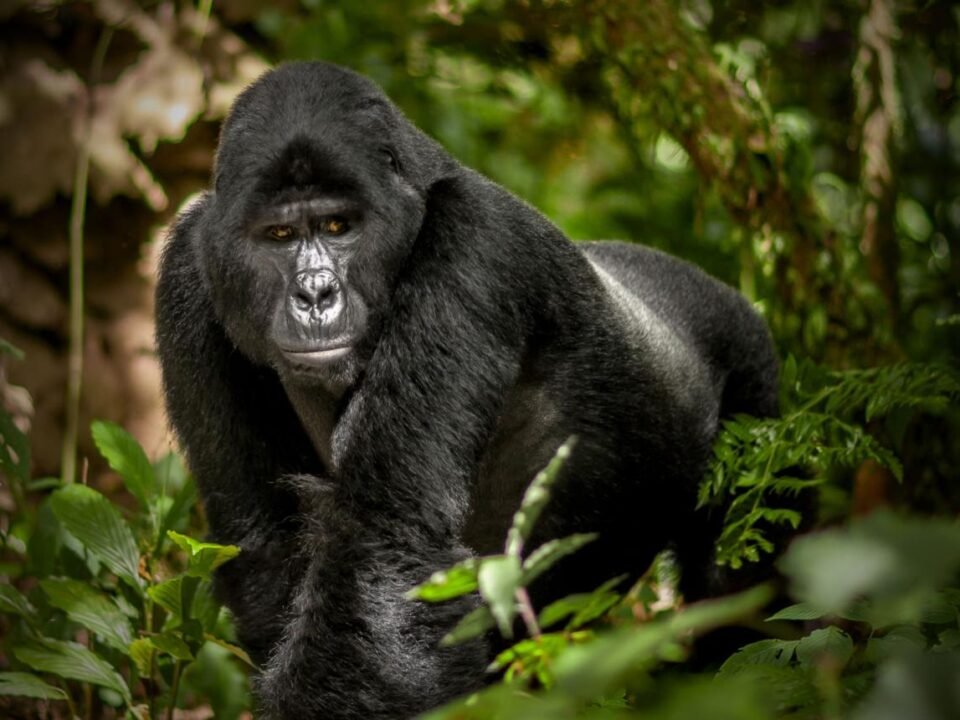
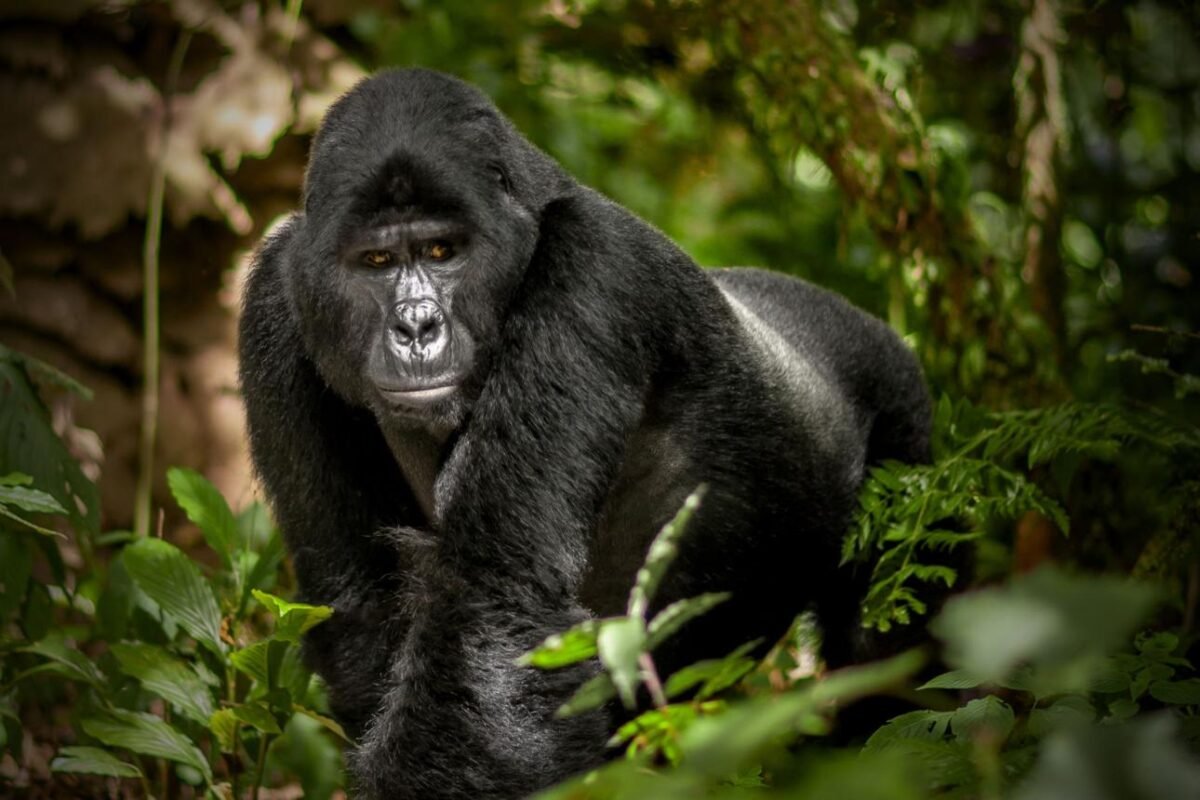
Combining Tanzania with Uganda allows visitors to experience the Serengeti alongside mountain gorilla trekking in Bwindi Impenetrable National Park.
Uganda also offers chimpanzee trekking in Kibale National Park, wildlife safaris in Queen Elizabeth National Park and boat excursions in Murchison Falls National Park.
This combination is especially attractive to travellers interested in both primates and savannah wildlife.
Tanzania and Rwanda
Rwanda offers mountain gorilla trekking, golden monkey tracking, cultural experiences and wildlife safaris in Akagera National Park.
A combined Tanzania and Rwanda itinerary can provide contrasting wildlife experiences without requiring separate international holidays from the United States.
Travellers should confirm regional flight connections and secure the necessary trekking permits before finalising their travel arrangements.
Tanzania and Kenya
Combining Tanzania’s Serengeti with Kenya’s Masai Mara offers opportunities to explore different sections of the wider Serengeti-Mara ecosystem.
The itinerary can also include other Kenyan wildlife destinations, such as Amboseli National Park or Lake Nakuru National Park.
Although the Serengeti and Masai Mara share an ecosystem, international border regulations and permitted transport routes must be considered when organising transfers.
Regional entry requirements should be checked separately for every country included in your itinerary.
Health requirements for American travellers visiting Tanzania
Before travelling, schedule an appointment with a travel-health professional to discuss vaccinations, malaria prevention and personal medical requirements.
The US Centers for Disease Control and Prevention recommends appropriate malaria prevention for travellers visiting affected areas of Tanzania.
Mosquito repellent, suitable clothing and screened accommodation can also help reduce exposure to insects.
Routine vaccinations should be reviewed, alongside recommendations concerning hepatitis A, typhoid and other relevant diseases.
Is yellow fever vaccination required?
Yellow fever vaccination is generally not required when travelling directly from the United States to Tanzania without qualifying exposure in a yellow fever risk country.
However, Tanzania requires vaccination documentation for travellers aged one year or older arriving from countries with a recognised transmission risk. This can include airport stopovers exceeding twelve hours in those countries.
This distinction is particularly important when combining Tanzania with other African destinations.
Review the latest CDC travel-health guidance for Tanzania before confirming your international and regional flights.
Is Tanzania safe for American tourists?
Tanzania requires sensible travel precautions, reliable transport arrangements and awareness of current local conditions.
As of 24 November 2026, the US Department of State’s Tanzania travel advisory is Level 2, advising increased caution. A higher advisory applies to the Mozambique border area in the Mtwara region.
Travellers should review risks associated with crime, civil unrest, local laws and access to healthcare.
Tanzania also maintains severe legal restrictions concerning same-sex relationships, which LGBTQ+ travellers should consider when planning their visit.
During wildlife safaris, follow your guide’s instructions, remain within designated visitor areas and avoid approaching wild animals independently.
Comprehensive travel insurance should include overseas medical treatment, emergency evacuation and appropriate cancellation protection.
Review the official US Department of State Tanzania travel advisory before booking and again shortly before departure.
Currency and payment information for American travellers
The Tanzanian shilling is Tanzania’s official currency.
Following clarification of Tanzania’s 2025 foreign currency regulations, the Bank of Tanzania confirmed that transactions between residents and non-residents, including international tourists, may be conducted using foreign currencies.
Nevertheless, carrying Tanzanian shillings remains useful for local purchases, small businesses and personal expenses.
Credit cards may be accepted at established accommodation properties and larger businesses. Confirm available payment methods before travelling to remote safari destinations.
When booking a safari, request a written quotation, verify the recipient’s business payment details and understand any transaction charges.
Further information is available from the Bank of Tanzania.
What should Americans pack for a Tanzania safari?
Packing appropriately can improve comfort during wildlife drives and transfers.
Neutral-coloured clothing, lightweight layers, comfortable walking shoes, binoculars, sunscreen and insect repellent are useful safari essentials.
Early morning game drives and accommodation in higher-altitude areas may require warmer clothing.
Wildlife photographers should consider spare batteries, memory cards, lens-cleaning equipment and protection against dust.
Travellers using regional safari flights should confirm luggage weight, size and bag-type restrictions directly with their airline.
Keep essential medication, travel documents and valuable equipment in your hand luggage.
Common mistakes when planning a Tanzania safari
One common planning mistake is attempting to visit too many destinations within a short holiday. Long transfers can reduce the time available for wildlife viewing.
Another mistake is booking Serengeti accommodation without considering seasonal migration movements. Choosing the appropriate area is particularly important for travellers prioritising wildebeest calving or river crossings.
Some travellers also compare safari prices without examining vehicle arrangements, conservation fees and accommodation locations.
Booking based solely on the lowest price may result in unexpected expenses or an itinerary that does not match your interests.
Finally, avoid leaving visa applications, health preparations, travel insurance and popular accommodation reservations until the last moment.
Planning your Tanzania safari with Zamunda Travels
Zamunda Travels Uganda Ltd offers personalised East African safari planning across Tanzania, Uganda, Rwanda and Kenya.
Whether you are interested in the Great Wildebeest Migration, African Big Five, wildlife photography, mountain gorilla trekking or a combination of safari and beach experiences, your itinerary can be designed around your preferences.
American travellers can request customised itineraries based on their intended travel dates, departure city, group size, accommodation requirements and available budget.
Careful planning helps balance travel time, wildlife-viewing opportunities and accommodation comfort throughout your holiday.
Conclusion
A Tanzania safari from the USA offers remarkable wildlife encounters, diverse landscapes and authentic African experiences. With Zamunda Travels, you can explore the Serengeti, Ngorongoro Crater, Tarangire and beyond through a personalised safari itinerary tailored to your interests, budget and travel expectations.
Frequently asked questions about Tanzania safaris from the USA
Do American citizens need a visa to visit Tanzania?
Yes. American passport holders visiting Tanzania for tourism require a multiple-entry visa, even for a single visit. The official application fee is USD 100 as of November 2026. Travellers can apply through Tanzania Immigration’s official eVisa portal before departure.
What is the best month for Americans to visit Tanzania?
June to October is generally suitable for dry-season wildlife safaris. February is particularly attractive for travellers interested in wildebeest calving around the southern Serengeti and Ndutu. The best month ultimately depends on your wildlife interests, available holiday dates and accommodation preferences.
How much does a Tanzania safari cost from the USA?
The total cost depends on international flights, travel duration, accommodation standards, group size and safari activities. Private luxury safaris generally cost more than shared or mid-range arrangements. Request a personalised quotation showing all included services and additional expenses before comparing packages.
How many days should Americans spend on a Tanzania safari?
Seven to ten days within Tanzania provides a practical introduction to the northern safari circuit. Travellers wishing to include Zanzibar or mountain gorilla trekking should consider fourteen days or longer. Allow additional time for international flights and recovery from long-distance travel.
Can I combine a Tanzania safari with gorilla trekking?
Yes. Tanzania can be combined with mountain gorilla trekking in Uganda or Rwanda. This allows travellers to experience the Serengeti’s savannah wildlife alongside endangered mountain gorillas. Regional transport, trekking permits and separate immigration requirements should be organised before confirming the itinerary.
Which airport is best for a Tanzania wildlife safari?
Kilimanjaro International Airport is generally the most convenient choice for northern Tanzania safaris covering Serengeti, Tarangire and Ngorongoro. Dar es Salaam is better positioned for many southern Tanzania itineraries, while Zanzibar International Airport is suitable for coastal holiday extensions.
Is Tanzania suitable for American families with children?
Yes. Tanzania offers family-friendly wildlife safaris and accommodation options. However, parents should confirm lodge age policies, activity restrictions, medical requirements and journey durations. A private safari with fewer accommodation changes and flexible game drives can be particularly suitable for families.
Plan Your Tanzania Safari with Zamunda Travels
Ready to explore Tanzania? Let Zamunda Travels prepare a personalised safari itinerary that matches your interests, budget and travel expectations. Simply fill in the contact form below, and our safari specialists will help you plan your ideal African expedition.