Tanzania Safari from the USA
November 24, 2026
How to Book Gorilla Trekking in Uganda
November 24, 2026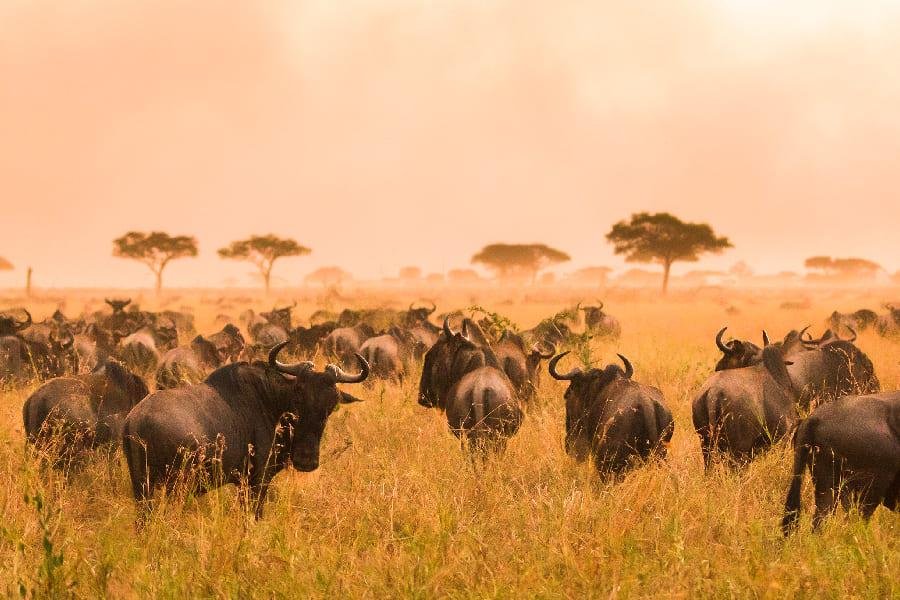
A Tanzania safari from Canada offers an opportunity to explore East Africa’s remarkable wildlife, diverse landscapes and protected wilderness areas. From migrating wildebeest in Serengeti National Park to elephants in Tarangire and lions in Ngorongoro Crater, Tanzania provides rewarding wildlife experiences throughout the year.
However, planning a safari from Canada requires careful consideration of international flights, travel seasons, accommodation, entry requirements and overall holiday costs.
Whether you are travelling from Toronto, Vancouver, Montreal, Calgary or another Canadian city, choosing the right itinerary can improve your experience considerably.
This guide explains the best wildlife destinations, suitable travel periods, safari accommodation, travel requirements and practical recommendations for planning your Tanzania holiday.
Why choose Tanzania for an African safari?
Tanzania offers several distinct wildlife ecosystems, making it an excellent destination for both first-time and experienced safari travellers.
The northern safari circuit combines open grasslands, volcanic landscapes, woodlands and freshwater habitats. These environments support elephants, lions, leopards, cheetahs, giraffes, buffaloes and numerous bird species.
Furthermore, travellers can combine wildlife viewing with walking safaris, cultural experiences, hot air balloon flights and beach holidays in Zanzibar.
For Canadians travelling long distances, Tanzania offers sufficient variety to justify an extended African holiday without visiting several countries.
Best wildlife experiences in Tanzania
Witness the Great Wildebeest Migration in Serengeti
Serengeti National Park is among Africa’s most recognised wildlife destinations. Its extensive grasslands support large populations of herbivores and predators.
The Great Wildebeest Migration involves seasonal movements of wildebeest, zebras and other grazing animals across the Serengeti-Mara ecosystem.
Between January and March, the southern Serengeti and Ndutu areas generally offer excellent opportunities to observe the calving season. Predators frequently follow the herds during this period.
Meanwhile, northern Serengeti becomes particularly attractive between July and October, when migrating herds may cross the Mara River.
However, migration movements depend on rainfall and grazing conditions. River crossings cannot be guaranteed on specific dates.
Serengeti also offers excellent resident wildlife throughout the year, regardless of the migration’s location.
Explore Ngorongoro Crater
Ngorongoro Crater provides a different safari experience from the expansive Serengeti plains.
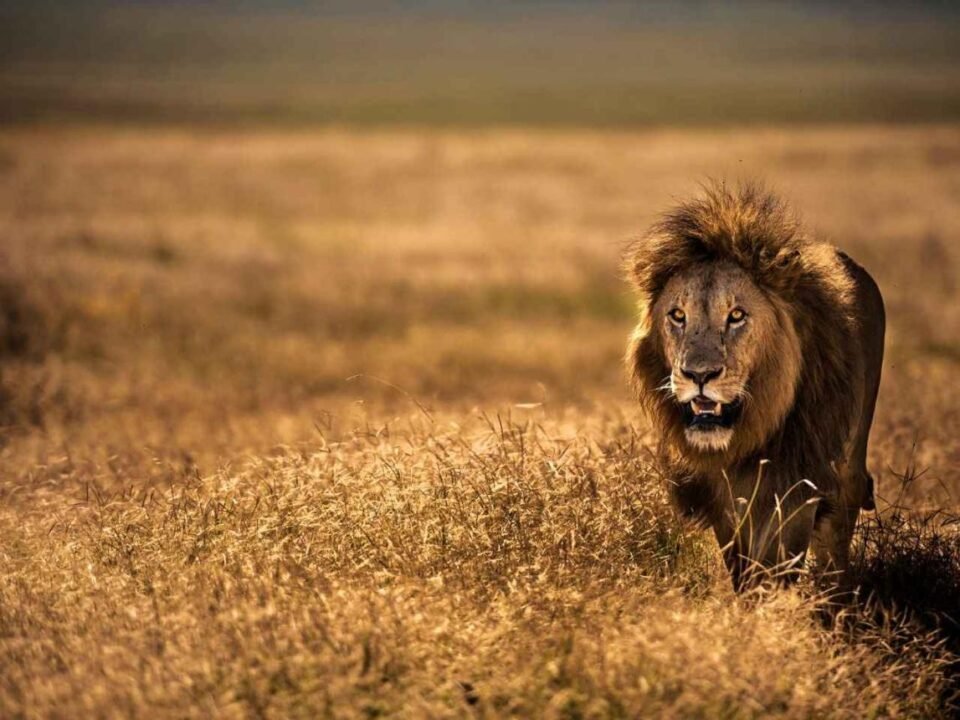
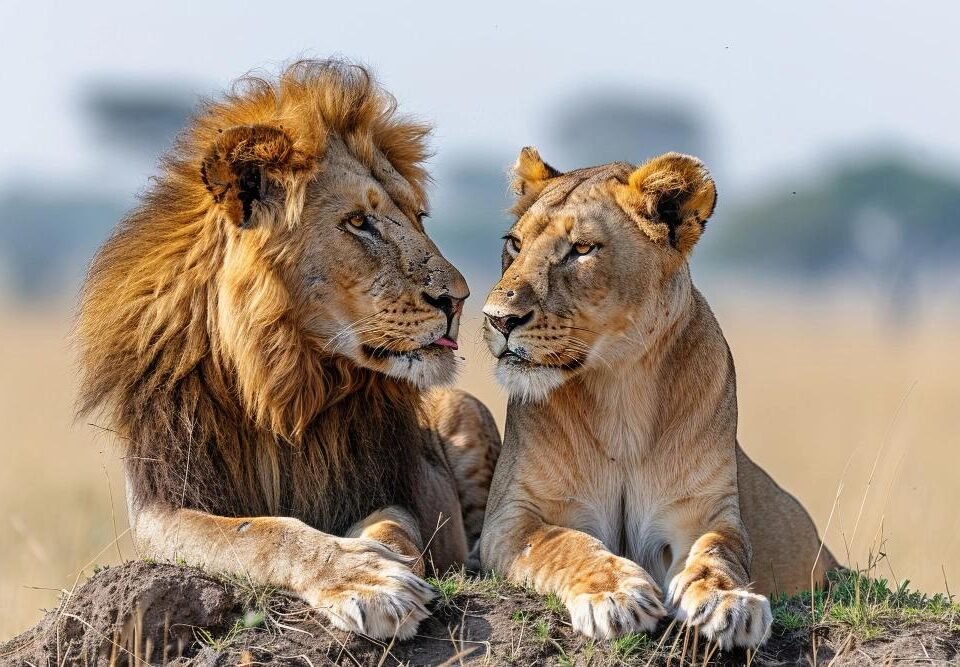
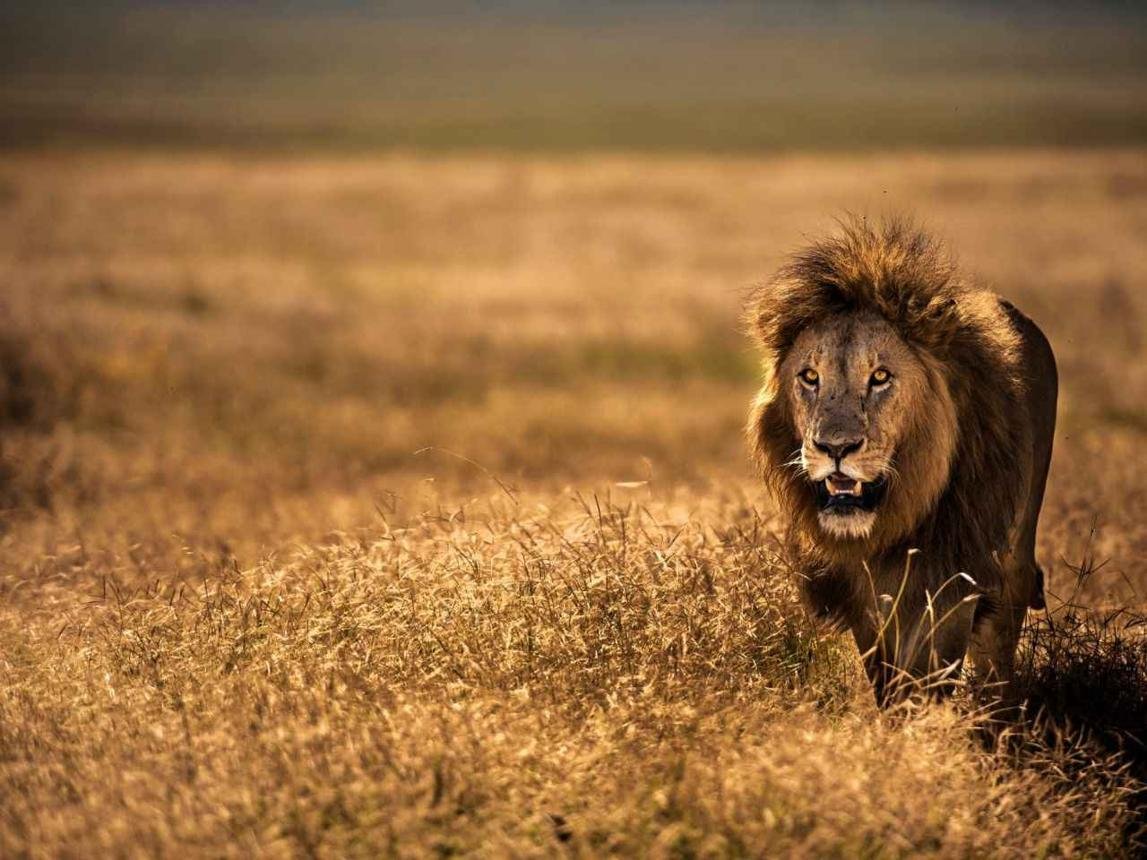
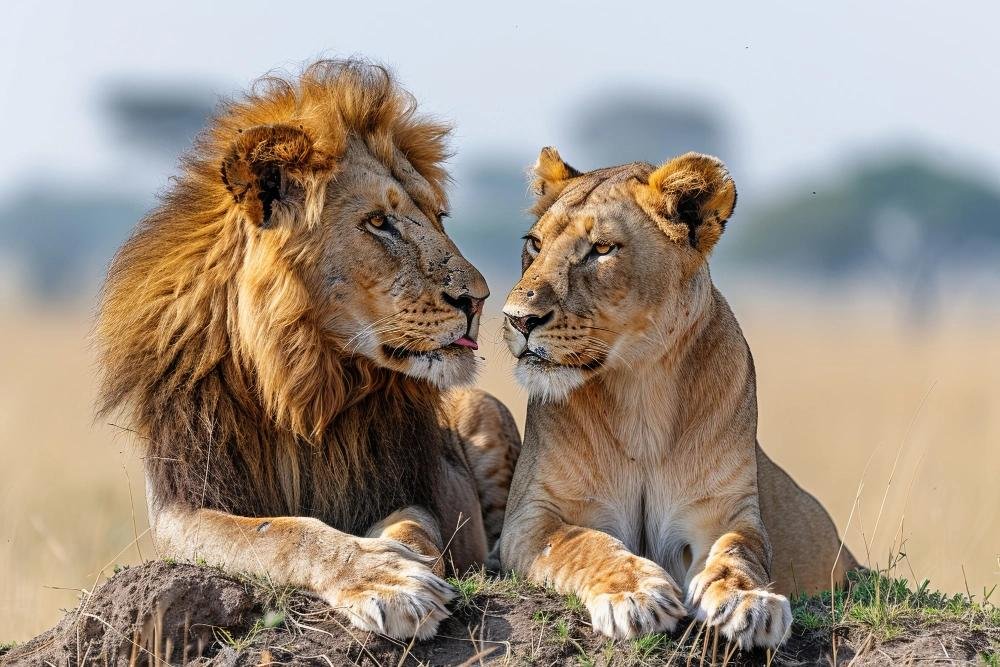
The volcanic crater contains grasslands, woodland, wetlands and seasonal water sources. Visitors may encounter lions, spotted hyenas, elephants, buffaloes, hippopotamuses and black rhinoceroses.
Although all members of the African Big Five occur within the wider conservation area, sightings are never guaranteed.
Ngorongoro is particularly suitable for travellers seeking diverse wildlife encounters within a relatively concentrated landscape.
Combining Ngorongoro with Serengeti creates a balanced itinerary featuring contrasting ecosystems.
Discover elephants in Tarangire National Park
Tarangire National Park is recognised for its elephants, baobab trees and seasonal wildlife concentrations.
During the drier months, animals gather around remaining water sources, particularly the Tarangire River.
Visitors may encounter elephants, giraffes, zebras, impalas, lions and various bird species.
Tarangire is also an excellent destination for wildlife photography. Its distinctive trees and varied landscapes provide attractive backgrounds for photographing animals.
Including Tarangire at the beginning of a northern Tanzania safari allows travellers to experience a different ecosystem before continuing towards Ngorongoro and Serengeti.
Enjoy birdwatching in Lake Manyara National Park
Lake Manyara National Park features groundwater forests, open woodland, grasslands and an alkaline lake.
The park supports monkeys, elephants, giraffes, hippopotamuses and numerous bird species.
Although Lake Manyara is historically associated with tree-climbing lions, these sightings are unpredictable. Flamingo concentrations also vary according to water conditions and food availability.
The park is worth considering for travellers interested in birdwatching and habitat diversity.
However, visitors with limited safari time may prefer additional nights in Serengeti or Tarangire.
Explore southern Tanzania
Travellers seeking alternative safari destinations should consider Nyerere and Ruaha national parks.
Nyerere offers river-based landscapes where boat safaris can complement traditional game drives. Ruaha features extensive wilderness areas, elephants and diverse predator populations.
These destinations generally require a different logistical approach from the northern circuit. Domestic flights may help reduce lengthy road transfers.
Southern Tanzania is especially attractive to experienced safari travellers who have already explored Serengeti and Ngorongoro.
Further information about Tanzania’s protected areas is available through the Tanzania National Parks Authority.
Best time to visit Tanzania from Canada
Tanzania offers wildlife viewing throughout the year. Nevertheless, different seasons provide different experiences.
Canadian travellers should consider wildlife movements, rainfall, accommodation availability and their available holiday dates.
January to March: Escape the Canadian winter
January and February are particularly attractive for Canadians seeking warmer weather and wildlife experiences.
During this period, the southern Serengeti and Ndutu regions typically support the migration’s calving season.
The presence of young wildebeest attracts lions, cheetahs and hyenas. Wildlife photographers may find excellent opportunities during this season.
March can also provide rewarding sightings, although rainfall may become more frequent towards the end of the month.
April and May: Green-season safaris
April and May generally experience heavier rainfall across northern Tanzania.
The landscapes become greener, and birdwatching opportunities can be excellent. Some accommodation providers may also offer lower seasonal rates.
However, rain can affect road conditions, wildlife visibility and access to certain areas.
Travellers considering this period should remain flexible with their itineraries.
June to October: Dry-season wildlife viewing
The period between June and October is generally favourable for traditional wildlife safaris.
As vegetation becomes less dense and water sources decrease, animals often gather around rivers and waterholes.
Northern Serengeti may offer migration-related experiences during parts of this period.
July and August also coincide with summer holidays for many Canadian families. Consequently, early accommodation reservations are advisable.
November and December: Seasonal changes
Short rains frequently occur during November and December, although their timing varies.
These months can offer attractive landscapes, wildlife photography and changing migration movements.
Christmas and New Year are popular travel periods. Travellers planning festive-season safaris should arrange accommodation and international flights well in advance.
Travelling during Canadian March Break
March Break can provide an opportunity for families to visit Tanzania. However, school holiday dates vary between Canadian provinces and school boards.
Families with limited holiday time should consider a focused northern safari circuit rather than attempting to visit too many destinations.
Where possible, allow additional time for international flights and recovery after arrival.
How to travel to Tanzania from Canada
Canadian travellers should generally plan for connecting international flights when travelling to Tanzania.
Possible connections involve major aviation hubs in Europe, the Middle East or Africa. The most convenient routing depends on the departure city, airline availability and travel dates.
Flights from Toronto and Montreal
Travellers departing from Toronto Pearson International Airport or Montréal-Trudeau International Airport can compare connections through international aviation hubs.
When comparing flights, consider the total journey duration rather than the ticket price alone.
Long connections, separate tickets and unsuitable arrival times can make an apparently inexpensive flight less convenient.
Flights from Vancouver and Calgary
Travellers from western Canada may need longer journeys or additional connections.
Compare departures from Vancouver International Airport and Calgary International Airport before committing to an itinerary.
Where possible, book connecting flights under one reservation. This may provide better protection when delays affect subsequent connections.
Which airport is best for a Tanzania safari?
Kilimanjaro International Airport (JRO) is generally the most convenient arrival airport for northern Tanzania safaris.
It provides access to Arusha, Tarangire, Ngorongoro and Serengeti.
Julius Nyerere International Airport (DAR) in Dar es Salaam is another option, particularly for southern Tanzania itineraries.
Abeid Amani Karume International Airport (ZNZ) serves Zanzibar and is convenient for travellers combining wildlife safaris with beach holidays.
An itinerary arriving at Kilimanjaro and departing from Zanzibar may reduce unnecessary backtracking.
Always confirm available airline routes and schedules before booking ground arrangements.
Tanzania visa and entry requirements for Canadian citizens
Canadian citizens require a tourist visa to visit Tanzania.
As verified in November 2026, Tanzania Immigration lists the ordinary single-entry tourist visa at USD 50, with validity of up to 90 days.
Canadians can apply electronically before departure or obtain a visa at designated entry points. Applying online in advance is generally preferable.
Travellers using regular Canadian passports should ensure their passports remain valid for at least six months beyond their planned departure from Tanzania.
Visitors should also carry evidence of their return or onward journey.
A Tanzanian tourist visa covers both mainland Tanzania and Zanzibar, subject to its validity and applicable conditions.
Applications should be submitted through the official Tanzania Immigration visa portal.
Entry requirements may change, so confirm the latest regulations before departure.
How much does a Tanzania safari from Canada cost?
The cost of a Tanzania safari depends on accommodation standards, travel dates, itinerary duration, transport arrangements and the number of travellers.
International flights also represent an important part of the overall holiday budget.
Understanding safari package costs
A comprehensive ground safari package may include:
-
Private or shared safari transport.
-
Professional driver-guide services.
-
Accommodation and specified meals.
-
National park and conservation fees.
-
Scheduled wildlife activities.
-
Airport transfers.
-
Drinking water during game drives.
However, inclusions differ between operators.
International flights, visas, insurance, gratuities, alcoholic drinks and optional activities may be charged separately.
Always request a written quotation showing what is included and excluded.
Budgeting in Canadian dollars
The local currency is the Tanzanian shilling, although US dollars are widely used within the international tourism industry.
Canadian travellers should consider exchange-rate fluctuations when comparing safari quotations issued in US dollars.
Foreign transaction charges and international payment fees can also affect the final cost.
Use the Bank of Canada when checking indicative exchange rates.
Private versus shared safaris
Private safaris provide greater flexibility over departure times, wildlife viewing stops and daily activities.
This can be particularly valuable for photographers, families and couples with specific interests.
Shared safaris may distribute vehicle and guiding costs among several guests. However, participants generally have less control over the itinerary and daily schedule.
Travellers should compare the complete experience rather than selecting a safari based solely on price.
Zamunda Travels can help travellers develop a personalised itinerary based on their preferred destinations, travel dates, accommodation standards and budget.
Choosing safari accommodation in Tanzania
Tanzania offers several accommodation styles, from simple safari camps to high-end wilderness lodges.
Budget accommodation
Budget safaris may include basic lodges, permanent camps or traditional camping arrangements.
These options are suitable for travellers who prioritise wildlife experiences over extensive accommodation facilities.
Mid-range safari lodges and tented camps
Mid-range accommodation generally provides a comfortable balance between facilities, location and cost.
Many permanent tented camps offer proper beds, private bathrooms and dining facilities.
This accommodation category is worth considering for Canadian couples and families seeking comfort without luxury-level expenditure.
Luxury safari accommodation
Luxury lodges and tented camps may feature spacious suites, personalised dining, swimming pools and additional services.
However, location remains an important consideration.
When planning a migration safari, accommodation near the expected wildlife movements may provide more practical value than a luxurious property far from the relevant area.
Recommended 10-day Tanzania safari itinerary from Canada
The following sample itinerary combines northern Tanzania’s principal wildlife destinations at a manageable pace.
The ten days refer to time spent in Tanzania. International travel days should be added separately.
Day 1: Arrival in Tanzania
Arrive at Kilimanjaro International Airport and transfer to accommodation in Arusha.
Spend the remainder of the day resting after the international journey.
Day 2: Arusha to Tarangire National Park
Travel to Tarangire National Park for an afternoon game drive.
Look for elephants, giraffes, zebras and other wildlife before continuing to your accommodation.
Day 3: Full-day Tarangire safari
Enjoy further wildlife viewing across Tarangire’s river valleys, woodland and baobab landscapes.
Day 4: Transfer towards the Serengeti
Travel towards Serengeti through the Ngorongoro Conservation Area.
Enjoy wildlife viewing along suitable sections of the route before reaching your safari camp.
Day 5: Full-day Serengeti safari
Explore the Serengeti ecosystem, searching for lions, leopards, elephants, cheetahs and grazing animals.
Day 6: Seasonal migration safari
Explore areas selected according to the season and current wildlife movements.
The accommodation location and driving schedule should be adapted to the migration’s expected position.
Day 7: Additional Serengeti wildlife viewing
Spend another day exploring Serengeti.
An optional hot air balloon safari may be arranged where available.
Day 8: Serengeti to Ngorongoro
Enjoy wildlife viewing before transferring towards Ngorongoro.
Overnight near the crater or in the surrounding highlands.
Day 9: Ngorongoro Crater safari
Descend into Ngorongoro Crater for wildlife viewing.
Later, continue towards Karatu or Arusha, depending on your accommodation arrangements.
Day 10: Departure
Transfer to Kilimanjaro International Airport for your departure flight or continue to Zanzibar.
The itinerary can be extended to include Lake Manyara, additional Serengeti nights or other East African destinations.
Combining Tanzania with other African destinations
Tanzania safari and Zanzibar beach holiday
Zanzibar provides an opportunity to relax after several days of wildlife viewing.
Visitors can explore Stone Town, visit spice farms, experience coastal culture or spend time along the Indian Ocean.
Adding three to five nights in Zanzibar can create a more relaxed holiday without substantially increasing overland travel.
Tanzania and Kenya safari
Combining Serengeti with Kenya’s Masai Mara provides opportunities to explore different sections of the wider migration ecosystem.
However, international border procedures and transfer arrangements require careful planning.
Travellers should avoid assuming that the national parks can be crossed directly between countries.
Tanzania safari and gorilla trekking
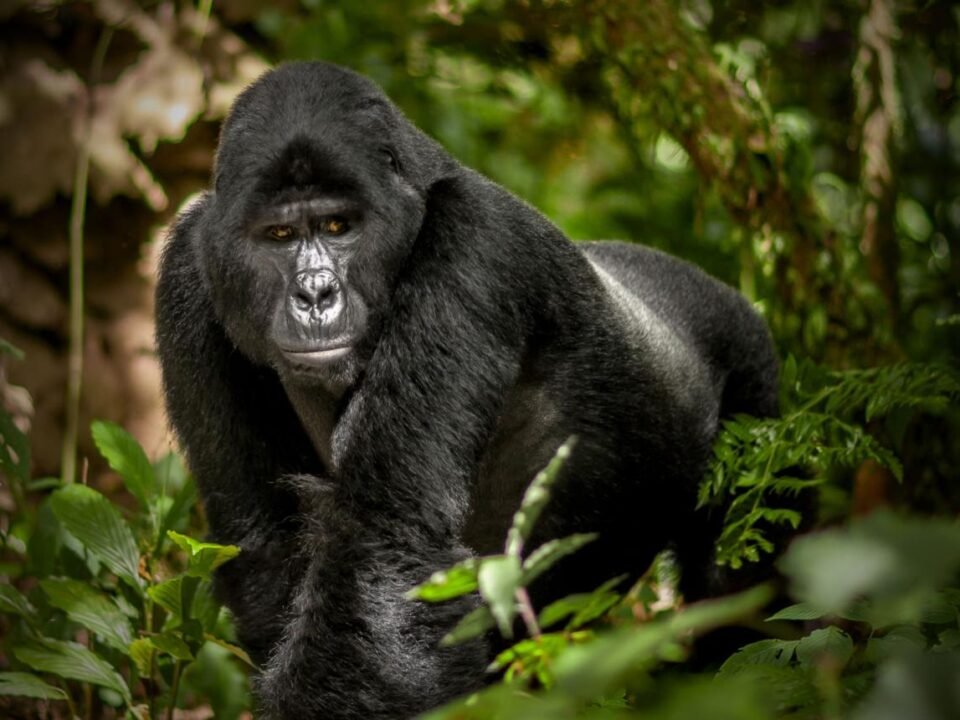
Canadian visitors can also combine Tanzania’s wildlife experiences with mountain gorilla trekking in Uganda or Rwanda.
Uganda additionally offers chimpanzee trekking, boat safaris and diverse wildlife destinations.
Rwanda provides convenient access to Volcanoes National Park, alongside cultural and historical experiences.
A combined itinerary is particularly suitable for travellers with two or more weeks available in East Africa.
Health, travel insurance and safety in Tanzania
Travel health and vaccinations
Consult a Canadian travel-health professional before departure to discuss vaccinations, malaria prevention and other health considerations.
Malaria is a concern in many areas of Tanzania. Appropriate preventive medication and mosquito protection should be discussed with a qualified healthcare provider.
Yellow fever certificate requirements depend partly on the countries visited or transited before entering Tanzania.
Therefore, travellers combining Tanzania with other African destinations should review the requirements for their complete itinerary.
Mandatory travel insurance
As of November 2026, Tanzania has mandatory inbound travel insurance requirements for foreign visitors, subject to applicable exemptions.
Visitors entering mainland Tanzania are directed to the National Insurance Corporation. Those entering Zanzibar are directed to the Zanzibar Insurance Corporation.
Canadian travellers should also maintain comprehensive personal travel insurance covering overseas medical treatment, emergency evacuation, cancellations and relevant safari activities.
Confirm whether additional insurance is necessary when travelling between mainland Tanzania and Zanzibar.
Is Tanzania safe for Canadian travellers?
Tanzania welcomes international safari visitors, but travellers should not assume that all destinations are equally safe.
Follow current government advisories, travel with reputable safari operators and avoid demonstrations or areas affected by security concerns.
During wildlife activities, follow your guide’s instructions and maintain appropriate distances from animals.
Review the Government of Canada’s Tanzania travel advisory before departure for updated security, health and entry information.
Essential Tanzania safari travel tips for Canadians
Pack lightweight clothing in neutral colours, together with warmer layers for early mornings and highland destinations.
Bring binoculars, sunscreen, insect repellent, comfortable footwear and suitable camera equipment.
Travellers taking domestic safari flights should confirm baggage restrictions directly with their airline.
Additionally, avoid arranging too many parks within a short itinerary. Spending several nights in Serengeti may provide more rewarding wildlife encounters than constantly moving between destinations.
Allow sufficient time between domestic and international flights, especially when departing from remote safari areas.
Finally, reserve accommodation according to your wildlife priorities and travel season rather than relying entirely on property photographs or luxury ratings.
Conclusion
A Tanzania safari from Canada offers remarkable wildlife experiences, from the Great Wildebeest Migration in Serengeti to elephant encounters in Tarangire and diverse wildlife in Ngorongoro Crater.
With careful planning, the right travel season and a well-designed itinerary, Zamunda Travels can help you create a personalised safari that suits your interests, budget and travel preferences.
Frequently asked questions
Do Canadian citizens need a visa to visit Tanzania?
Yes. Canadian passport holders require a tourist visa to enter Tanzania. Travellers can apply through the official Tanzania Immigration visa portal or obtain a visa at designated entry points. Always confirm the latest visa requirements before travelling.
What is the best time to travel to Tanzania from Canada?
June to October is generally ideal for dry-season wildlife viewing. However, January to March offers excellent opportunities to experience the wildebeest calving season in southern Serengeti and Ndutu.
How much does a Tanzania safari cost from Canada?
The cost depends on international flights, accommodation, safari duration, travel season and group size. Requesting a personalised safari quotation helps you understand the total cost, package inclusions and additional expenses.
How many days are enough for a Tanzania safari?
Seven to ten days in Tanzania are recommended for exploring the northern safari circuit. Travellers combining wildlife safaris with Zanzibar or other East African destinations should consider a longer holiday.
Are there direct flights from Canada to Tanzania?
Canadian travellers should generally expect connecting flights through international aviation hubs. Kilimanjaro International Airport is usually the most convenient arrival airport for northern Tanzania safaris.
Can I combine a Tanzania safari with gorilla trekking?
Yes. A Tanzania wildlife safari can be combined with mountain gorilla trekking in Uganda or Rwanda. This allows travellers to experience Africa’s savannah wildlife and mountain gorillas within one East African holiday.
Is Tanzania suitable for Canadian families?
Yes. Tanzania offers family-friendly safari experiences, private game drives, comfortable accommodation and cultural activities. Families should consider children’s ages, accommodation policies and travel distances when planning their itinerary.
Plan your Tanzania safari with Zamunda Travels
Ready to explore Tanzania? Fill in the enquiry form below, and our team at Zamunda Travels will help you design a personalised safari based on your travel dates, wildlife interests, accommodation preferences and budget.