Dian Fossey Tomb Hike
October 11, 2026
The Five Volcanoes of Rwanda
October 11, 2026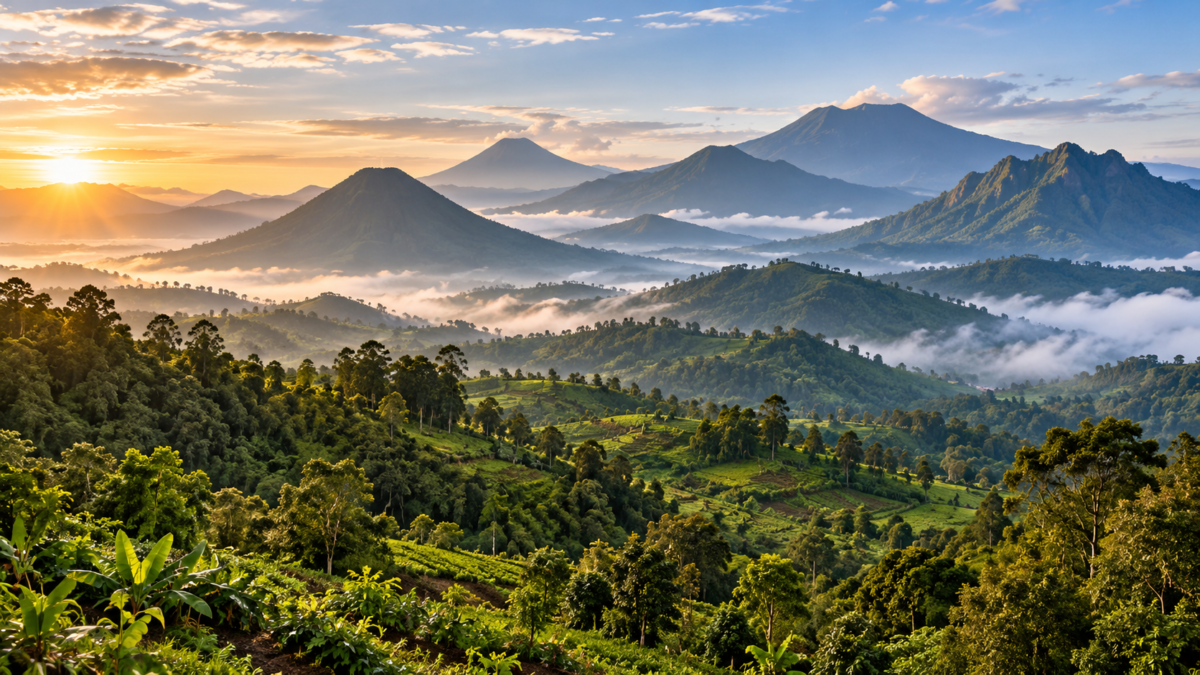
The five volcanoes of Rwanda offer much more than beautiful mountain views. They shelter misty forests, crater lakes and remarkable wildlife. Moreover, their trails provide adventures for different interests and fitness levels.
Karisimbi, Bisoke, Muhabura, Gahinga and Sabyinyo form Rwanda’s section of the Virunga Mountains. These peaks shape the landscape of Volcanoes National Park in northwestern Rwanda. Several also share borders with neighbouring countries.
However, choosing a mountain requires more than comparing summit heights. Trail conditions, available routes and your travel schedule also matter. This guide helps you plan a rewarding mountain adventure with Zamunda Travels.
What Are the Five Volcanoes of Rwanda?
Rwanda’s five volcanoes belong to a mountain landscape shared with Uganda and the Democratic Republic of Congo. Therefore, national borders influence where certain hikes begin.
Karisimbi is Rwanda’s highest mountain. Meanwhile, Bisoke attracts hikers seeking a striking summit crater lake. Muhabura offers a steep challenge, while Gahinga introduces visitors to quieter forest scenery.
Sabyinyo stands out through its rugged, toothlike ridges. Importantly, different Sabyinyo routes lead to different peaks. Consequently, you should confirm the exact route before booking.
| Volcano | Main attraction | Planning consideration |
|---|---|---|
| Karisimbi | Rwanda’s highest summit | Usually requires two hiking days |
| Bisoke | Summit crater lake | Demanding day hike |
| Muhabura | High summit and wide views | Steep, strenuous ascent |
| Gahinga | Bamboo forest and quieter scenery | Confirm the departure country |
| Sabyinyo | Jagged ridges and mountain views | Confirm the specific peak and trail |
Are These Volcanoes Active?
Visit Rwanda describes the park’s five volcanoes as dormant. Nevertheless, this description does not mean every trail always remains accessible. Weather, maintenance and park decisions can affect hiking plans.
For this reason, confirm access shortly before your trip. Also, avoid confusing Rwanda’s mountains with volcanoes elsewhere in the wider region.
Zamunda Travels can help match your preferred mountain with an appropriate itinerary. Start by sharing your hiking experience, available days and comfort with steep terrain.
Mount Karisimbi: Rwanda’s Highest Mountain Adventure
Mount Karisimbi rises to 4,507 metres above sea level. It stands on the Rwanda–DRC border and towers above the surrounding landscape. Therefore, it attracts travellers seeking a substantial mountain challenge.
The standard adventure takes two days, with an overnight camp during the climb. As a result, hikers need more preparation than for a typical day excursion. Cold conditions and sustained effort make suitable equipment essential.
What to Expect During the Climb
On the first day, hikers ascend towards the overnight campsite. Then, the second day involves the summit attempt and descent. Your guide determines the pace according to conditions and the group.
However, reaching camp does not guarantee reaching the summit. Weather and personal fitness can change the plan. Therefore, approach the climb with realistic expectations and some flexibility.
Pack your sleeping equipment inside a waterproof liner. Also, keep a warm layer accessible during breaks. Wet clothing can become uncomfortable quickly when you stop moving.
Who Should Choose Karisimbi?
Karisimbi suits hikers who enjoy long walking days and overnight mountain trips. However, general fitness alone does not guarantee comfort at altitude.
Before booking, explain your recent hiking experience to Zamunda Travels. For example, mention whether you regularly climb hills while carrying a daypack. This provides a clearer picture than simply describing yourself as fit.
Also, allow recovery time afterwards. A demanding climb followed immediately by another strenuous trek can reduce your enjoyment.
Mount Bisoke: A Crater Lake Day Hike
The Mount Bisoke hike offers a rewarding summit without an overnight camping commitment. At approximately 3,711 metres, its summit holds a crater lake. However, reaching that lake requires a serious uphill effort.
The route passes through mountain forest before reaching higher ground. Along the way, muddy sections and steep slopes can slow your progress. Therefore, treat Bisoke as a mountain hike rather than a casual walk.
How Difficult Is Bisoke?
The official booking page describes a typical hike lasting six to seven hours. Nevertheless, personal pace and trail conditions can change the duration. Leave the whole day available instead of planning a tight afternoon transfer.
Although the route is nontechnical, some sections become slippery. Long trousers also help protect against stinging nettles. Furthermore, swimming in the crater lake is prohibited.
A practical approach is to start steadily. Avoid racing during the first hour simply because you feel energetic. Instead, save strength for the steeper sections and the descent.
Is Bisoke the Best First Choice?
Bisoke is a strong option for active visitors wanting one summit day. However, it may overwhelm travellers with little recent walking experience.
For example, a regular hillwalker may enjoy the challenge. Meanwhile, someone accustomed only to short city walks may prefer a lower trail.
Zamunda Travels can build a Bisoke itinerary around an overnight stay near the park. This gives you time to rest before the early departure.
Mount Muhabura: A Steep and Demanding Climb
Mount Muhabura reaches 4,127 metres and straddles the Rwanda–Uganda border. Its name means “the guide,” reflecting its prominence in the landscape. You may also see it written as Muhavura.
Unlike a gentle forest walk, the Mount Muhabura hike demands sustained uphill effort. Rwanda’s official hiking guide describes it as particularly steep. Therefore, strong stamina and sensible pacing matter throughout the day.
What Makes Muhabura Special?
Muhabura appeals to travellers who enjoy a clear physical challenge. On suitable days, the climb also rewards hikers with broad mountain scenery.
However, clouds can hide distant views. Consequently, choose this mountain because you enjoy hiking itself. Treat clear summit scenery as a welcome bonus.
The descent deserves equal attention. Tired legs can make steep ground harder to manage. Therefore, leave enough energy for the return journey.
Rwanda or Uganda?
Muhabura has hiking options associated with both countries. However, departure points, permits and logistics differ.
If your itinerary includes Uganda, compare both approaches before confirming arrangements. Also, check immigration requirements when planning a border crossing.
Zamunda Travels can help coordinate the hiking day with the wider journey. For instance, your route may combine northern Rwanda with Kisoro or Lake Bunyonyi.
However, do not choose a departure country only because its advertised permit looks cheaper. Compare transport, accommodation and border logistics together.
Mount Gahinga: Bamboo Forest and a Quieter Adventure
Mount Gahinga lies between Muhabura and Sabyinyo on the Rwanda–Uganda border. Its name means “small pile of stones.” Although less imposing than nearby peaks, it offers a worthwhile mountain experience.
Mount Gahinga hiking appeals to visitors interested in forest scenery and a less famous route. Nevertheless, a smaller mountain does not automatically mean an easy day.
Mud, climbing and changing weather still require preparation. Therefore, ask about the actual trail rather than judging difficulty from photographs.
What Can You Expect?
Bamboo forest forms part of Gahinga’s appeal. Meanwhile, the mountain’s quieter reputation attracts travellers seeking an alternative to better-known hikes.
Uganda’s tourism information describes a Gahinga climb lasting around six hours. However, that estimate relates to the Ugandan experience. Avoid applying it automatically to a Rwanda departure.
Rwanda’s official hiking brochure also lists a Gahinga route. Therefore, ask which departure point currently operates for your dates. Confirm the expected duration and permit arrangements in writing.
Who Should Consider Gahinga?
Gahinga may suit active travellers who prioritise forests over a high summit. It also deserves consideration within a Rwanda–Uganda mountain itinerary.
However, ask your planner to compare its current route with Bisoke. Lower elevation alone does not explain the full hiking experience.
Zamunda Travels can help you choose according to trail conditions and your interests. This approach creates a more useful plan than simply choosing the shortest mountain.
Mount Sabyinyo: Understand the Trail Before Booking
Sabyinyo has a distinctive serrated skyline. Its name refers to “old man’s teeth,” reflecting the mountain’s weathered appearance. Moreover, its wider mountain landscape meets Rwanda, Uganda and the DRC.
Older travel guides often describe Sabyinyo as inaccessible from Rwanda. However, Visit Rwanda now publishes information about a Sabyinyo hiking trail.
Rwanda’s Sabyinyo Peak 1 Trail
The official description identifies an eastern trail leading to Peak 1. It estimates approximately six hours, including ascent and descent. Additionally, it describes narrow ridge sections and views towards Gahinga and Muhabura.
This detail changes how travellers should research the mountain. Instead of asking whether Sabyinyo is climbable, ask which peak your booking includes.
Also, request the current departure point and route conditions. A general “Sabyinyo hike” description may leave important details unclear.
Is This the Three-Country Summit Hike?
Do not assume Rwanda’s Peak 1 trail reaches the three-country meeting point. The official trail description specifically identifies Peak 1.
Uganda also offers Sabyinyo hiking through Mgahinga Gorilla National Park. Consequently, travellers should compare the exact routes rather than treating them as interchangeable.
When booking with Zamunda Travels, explain which experience matters most. You may prefer ridge scenery, a particular summit or a regional hiking circuit.
Then, confirm that the proposed route matches that goal. This simple step helps prevent disappointment after arrival.
Permits, Costs and Practical Trip Planning
Volcanoes National Park hiking requires authorised arrangements. Therefore, confirm your permit and guided departure before travelling to the trailhead.
At the time of checking, Rwanda’s official booking portal lists these adult foreign visitor rates:
| Activity | Listed permit fee |
|---|---|
| Mount Bisoke hike | US$75 |
| Mount Karisimbi hike | US$400 |
Different visitor categories receive different rates. Additionally, the portal lists a minimum age of 15 for both hikes. Verify current eligibility and prices before payment.
What Else Should Your Budget Include?
A permit price does not explain the full trip cost. Also budget for transport, accommodation, meals and any porter services.
For Karisimbi, ask specifically about camping equipment and food. Confirm who supplies each item rather than assuming everything comes with the permit.
Request current quotations for Muhabura, Gahinga and Sabyinyo. Their exact routes and operating arrangements should appear clearly in your booking.
Where Should You Stay?
Choose accommodation according to the morning meeting point. Musanze and the Kinigi area are practical places to investigate.
Also, check breakfast timing and packed-lunch arrangements. An attractive lodge becomes less convenient if it cannot support your early start.
For a simple itinerary, arrive before the hiking day and sleep locally afterwards. This provides more breathing room than combining a summit with a rushed departure.
Zamunda Travels can connect the accommodation, transfers and hike into one clear plan.
Best Seasons, Packing and Responsible Hiking
Generally, June to August and December to February offer drier conditions. However, rain remains possible in this mountain environment. Therefore, carry waterproof protection regardless of your travel month.
Drier weather can improve footing, but it does not guarantee clear views. Similarly, a cloudy day can still provide atmospheric forest scenery.
What Should You Pack?
Bring boots with reliable grip and socks you have already tested. Also, pack waterproof clothing, warm layers and long trousers.
Your daypack should contain drinking water, food and a protected phone. For overnight hiking, confirm the complete equipment list with your organiser.
Moreover, practise walking downhill before your trip. Many visitors prepare for climbing but overlook the effort of descending.
If you hire a porter, keep essential items accessible. This helps you manage clothing changes and breaks without unnecessary delays.
How Can You Make the Experience More Rewarding?
Listen for the dawn chorus as the forest wakes. Then, give yourself time to notice vegetation and changing mountain scenery.
Follow your guide’s instructions around wildlife. Also, remember that a hiking permit does not promise a gorilla encounter.
Carry every piece of rubbish out of the park. Furthermore, support local services through fair payment and respectful interaction.
For a personalised hiking safari, contact Zamunda Travels through www.zamundatravels.com. Share your preferred mountain, travel dates and recent hiking experience. Email info@zamundatravels.com or WhatsApp +256704705606.
Frequently Asked Questions About Rwanda’s Volcanoes
What Are the Five Volcanoes of Rwanda?
They are Karisimbi, Bisoke, Muhabura, Gahinga and Sabyinyo. Together, they form Rwanda’s volcanic mountain landscape within Volcanoes National Park. Several share borders with neighbouring countries.
Which Volcano Is Best for a First Mountain Hike?
Bisoke is worth considering for active visitors wanting a day hike. However, its steep, muddy terrain still requires preparation. Less experienced walkers should compare lower trails before choosing a summit.
How Long Does It Take to Climb Karisimbi?
The standard Karisimbi adventure takes two days, including an overnight camp. However, weather and group pace can affect the schedule. Allow additional time for arrival and recovery.
Can You Hike Sabyinyo From Rwanda?
Visit Rwanda currently describes a trail to Sabyinyo Peak 1. However, this should not be confused with every other Sabyinyo summit route. Confirm the exact peak and current access before booking.
Can You Combine Volcano Hiking With Gorilla Trekking?
Yes, you can plan both activities within one regional itinerary. However, each needs its own arrangements and suitable preparation. Leave recovery time between demanding days instead of filling every morning with strenuous walking.