Guide to Visiting Ngorongoro Crater
October 19, 2026
Stone Town Zanzibar
October 19, 2026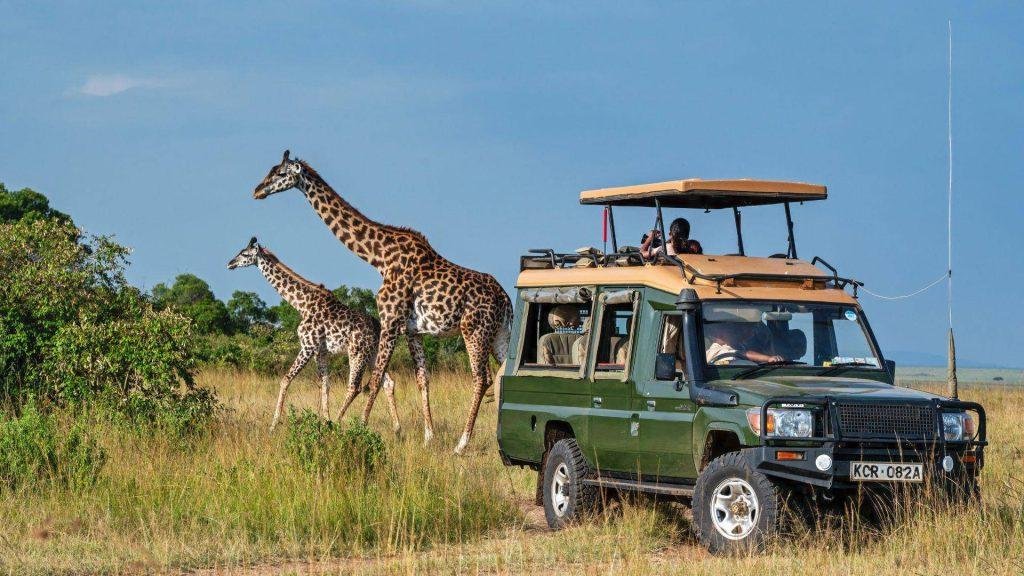
Good manners can make a journey more enjoyable for everyone. A recent Survey Reveals the World’s Politest Tourists, highlighting how travelers from different countries behave abroad.
The 2026 study by SafariBookings identifies Japanese tourists as the world’s politest travelers. Norway and Switzerland follow closely in the rankings.
However, the research also examines generosity, adventure, spending habits, and interest in local food. These findings offer useful insights into international tourism.
At Zamunda Travels Uganda Ltd, we believe respectful travel creates stronger connections between visitors, local communities, and nature. Our safari experiences across Uganda, Rwanda, Kenya, and Tanzania encourage travelers to discover Africa responsibly.
What Does the Survey Reveal About the World’s Politest Tourists?
SafariBookings conducted a survey involving 192 African safari tour operators. These professionals regularly work with international visitors from different backgrounds.
The research focused on five important travel characteristics. Each category explored how tourism professionals perceive travelers from various countries.
The operators identified nationalities associated with:
-
The best travel manners and politeness.
-
The most generous tipping habits.
-
The highest spending during holidays.
-
The greatest enthusiasm for adventure.
-
The strongest interest in local food.
Japan ranked first for politeness, receiving 21.1% of the weighted results. Norway followed with 10.6%, while Switzerland received 10.4%.
These findings attracted attention because they highlight how travelers interact with people in the tourism industry. However, the results reflect professional opinions rather than universal facts about nationalities.
How the Survey Was Conducted
SafariBookings used responses from 192 participating tour operators. It also examined safari inquiry volumes from different countries during 2024.
The researchers weighted responses to account for differences in inquiry volumes. They then converted the adjusted scores into percentages for each category.
Therefore, the percentages are weighted survey results, not direct measurements of every tourist’s behavior.
This distinction matters because an individual’s manners cannot be determined by nationality. Instead, the rankings provide an interesting picture of tourism industry perceptions.
World’s Most Polite Tourists: The 2026 Rankings
| Rank | Nationality | Survey result |
|---|---|---|
| 1 | Japan | 21.1% |
| 2 | Norway | 10.6% |
| 3 | Switzerland | 10.4% |
| 4 | Canada | 9.2% |
| 5 | United States | 8.7% |
| 6 | Poland | 8.2% |
| 7 | Netherlands | 8.1% |
| =8 | Germany | 5.7% |
| =8 | United Kingdom | 5.7% |
| 9 | France | 3.3% |
| 10 | China | 3.2% |
| 11 | Spain | 2.3% |
| 12 | Australia | 2.1% |
| 13 | Italy | 1.3% |
Percentages represent weighted mentions by surveyed operators. A lower position does not establish that a nationality is rude.
Japan Leads the Politeness Rankings
Japanese tourists received the highest share of mentions in the survey. Their score was almost twice Norway’s result.
Japanese society is often associated with consideration, courtesy, and respect for shared spaces. These values may influence how some travelers approach international experiences.
For example, visitors can demonstrate respect by following instructions and considering other people’s comfort. However, those behaviors are not exclusive to Japan.
Norway and Switzerland Follow Closely
Norwegian tourists ranked second, while Swiss travelers took third place. Both nationalities received more than 10% in the weighted results.
Canada and the United States completed the top five. Meanwhile, Poland and the Netherlands also appeared strongly in the rankings.
Interestingly, Germany and the United Kingdom shared eighth position. This shows how several European nationalities earned recognition for their travel manners.
The results also remind us that every country has respectful and considerate travelers. Good behavior remains a personal choice.
Which Tourists Are the Best Tippers?
Politeness and generosity are different aspects of travel behavior. Therefore, SafariBookings examined tipping habits separately.
American tourists led the tipping category with 29.5% of the weighted results. German travelers followed with 13.1%, while Canadians received 10%.
Swiss and British tourists completed the top five.
| Nationality | Tipping result |
|---|---|
| United States | 29.5% |
| Germany | 13.1% |
| Canada | 10.0% |
| Switzerland | 8.6% |
| United Kingdom | 6.9% |
Why Tipping Matters During African Safaris
Safari tourism creates employment opportunities for guides, drivers, lodge staff, and other hospitality workers. Tips can provide additional income and recognize excellent service.
However, tipping practices vary between countries and businesses. Visitors should understand local expectations before starting their journey.
Zamunda Travels Uganda Ltd encourages guests to recognize excellent service whenever they feel comfortable doing so. Nevertheless, tipping should remain voluntary unless a service charge is clearly disclosed.
Guests should also remember that kindness involves more than money. A sincere thank-you or thoughtful review can make a meaningful difference.
Which Tourists Spend the Most Money?
The survey also investigated tourism spending habits. Once again, American tourists secured first position.
The United States received 24% of the weighted results. Germany and Canada shared second place with 12.8% each.
Norway followed with 11.8%, while China received 8.5%.
What Tourism Spending Means for Local Communities
Visitor spending can support accommodation providers, restaurants, craft sellers, and transport businesses. Additionally, responsible tourism can create opportunities beyond major cities.
For example, travelers visiting Uganda may purchase locally made crafts or enjoy community cultural experiences. Similarly, visitors in Kenya and Tanzania may explore locally operated tourism activities.
However, higher spending does not automatically mean greater benefits for communities. Where the money goes matters just as much.
Therefore, Zamunda Travels encourages guests to choose authentic experiences that respect local people. Supporting responsible businesses can make travel more meaningful.
Which Nationalities Are the Most Adventurous Tourists?
Adventure forms another important part of international travel. Some visitors enjoy physically demanding activities, while others prefer relaxed holidays.
According to the survey, German tourists ranked first for adventure with 21.1%. French travelers followed with 17.8%, while Dutch visitors received 11%.
American and Australian tourists also appeared among the leading adventure travelers.
Adventure Travel Opportunities in East Africa
East Africa offers remarkable adventures for travelers with different interests. From rainforest trekking to wildlife viewing, the region provides unforgettable experiences.
With Zamunda Travels, visitors can explore activities such as:
-
Mountain gorilla trekking in Uganda and Rwanda.
-
Chimpanzee tracking in Kibale and Nyungwe.
-
Wildlife game drives in the Serengeti and Masai Mara.
-
Hiking and mountain adventures in Uganda and Rwanda.
However, adventure requires preparation and respect for safety instructions. Visitors should select activities that match their fitness and comfort levels.
A successful safari does not depend on taking the biggest risks. Instead, it comes from enjoying nature responsibly.
Which Tourists Love Local Food the Most?
Food introduces travelers to the history and traditions of a destination. Consequently, culinary experiences are an important part of international tourism.
The survey identified Indian tourists as the leading food enthusiasts, with 18.7%. Japanese tourists followed with 17.5%.
French travelers ranked third with 12.4%, while Chinese visitors received 12.3%. The Netherlands completed the top five with 7.7%.
Discovering East African Food with Zamunda Travels
East Africa offers wonderful opportunities to explore traditional cuisine. Each destination features distinctive dishes shaped by local culture and ingredients.
In Uganda, visitors can enjoy matooke, groundnut sauce, fresh tilapia, and rolex. Meanwhile, Rwanda offers dishes featuring beans, plantains, cassava, and grilled meats.
Kenya is known for foods such as nyama choma, ugali, and sukuma wiki. Tanzania also offers delicious coastal dishes influenced by Swahili traditions.
Zamunda Travels encourages interested guests to experience authentic local cuisine during their journeys. However, food preferences, allergies, and dietary restrictions should always be respected.
Trying local food can become one of the most memorable parts of an African safari.
What Makes a Tourist Truly Polite?
A traveler’s nationality does not determine their character. Instead, everyday behavior reveals how someone treats others.
A polite tourist respects local traditions, communicates kindly, and follows reasonable instructions. Furthermore, considerate travelers recognize that cultural differences are part of the experience.
Respecting Local Communities
Travelers should learn basic cultural expectations before visiting a new destination. Small gestures often make meaningful impressions.
For example, visitors can greet community members before requesting photographs. They should also ask permission before entering private spaces.
In Uganda, greetings are an important part of many everyday social interactions. Therefore, taking time to acknowledge people can create warmer exchanges.
Respecting Wildlife and Nature
Responsible behavior becomes especially important during wildlife safaris. Animals need space to move and behave naturally.
Visitors should avoid shouting, feeding wildlife, or leaving designated areas without permission. Additionally, they should follow park regulations and their guide’s instructions.
During gorilla trekking, travelers must respect the minimum viewing distance specified by park authorities. They must also follow health and safety rules.
Zamunda Travels promotes responsible wildlife encounters that prioritize conservation and visitor safety.
Treating Tourism Workers with Respect
Safari guides, lodge employees, and drivers contribute greatly to a successful holiday. Their knowledge and hard work deserve appreciation.
However, travel sometimes brings unexpected delays, weather changes, or difficult road conditions. Patient communication helps everyone manage these situations.
A polite traveler listens carefully, discusses problems calmly, and treats employees with dignity.
These simple habits can improve the experience for visitors and local tourism professionals.
Why Travel Etiquette Matters for Sustainable Tourism
Tourism connects people from different cultures, languages, and backgrounds. Therefore, respectful travel helps create positive relationships between visitors and host communities.
Good travel manners can also support wildlife conservation and community development. Travelers who understand local expectations are better prepared to make responsible choices.
How Travelers Can Make a Positive Difference
Visitors can contribute to responsible tourism through simple actions. These habits require little effort but may create lasting benefits.
For example, travelers can reduce plastic waste and support local businesses. They can also respect cultural traditions and avoid disturbing wildlife.
Furthermore, purchasing authentic local products supports artisans and small businesses.
Zamunda Travels Uganda Ltd encourages these practices throughout its East African safari experiences. Our goal is to help visitors enjoy nature while respecting the communities they encounter.
Practical Tips for Becoming a More Respectful Tourist
Everyone can develop better travel manners, regardless of nationality. The following recommendations can help visitors enjoy a more responsible African safari.
Before Your Safari
Research your destination and learn about local customs. Additionally, understand the national park rules and prepare suitable clothing.
Share any special requirements with your tour operator before arrival. This helps guides plan appropriate experiences.
During Your Safari
Listen to your guide and respect wildlife viewing regulations. Avoid unnecessary noise near animals and never leave litter behind.
Ask permission before photographing local residents. Furthermore, approach cultural differences with curiosity rather than judgment.
After Your Safari
Thank the people who contributed to your journey. Where appropriate, consider leaving a thoughtful review or recommending responsible businesses.
You can also share conservation messages with friends and family. These small actions help promote better tourism practices.
Experience Responsible African Safaris with Zamunda Travels
Uganda • Rwanda • Kenya • Tanzania
Zamunda Travels Uganda Ltd offers private safaris that combine wildlife encounters, natural landscapes, and cultural experiences. We welcome travelers from around the world.
Our experiences include mountain gorilla trekking, chimpanzee tracking, Big Five game drives, and adventure activities. Additionally, we help guests discover the people and traditions that make East Africa special.
Whether exploring Bwindi Impenetrable Forest or the Serengeti plains, every journey offers something unique. Our safari planning focuses on guest comfort, responsible tourism, and authentic experiences.
We believe the best travelers are not defined by their passports. Instead, they are remembered for their kindness, curiosity, and respect.
Plan your next African safari with Zamunda Travels.
Frequently Asked Questions About the World’s Politest Tourists
Which country has the world’s politest tourists?
Japan ranked first in the 2026 SafariBookings survey, receiving 21.1% of weighted responses. Norway and Switzerland followed in second and third positions.
How many tour operators participated in the survey?
SafariBookings surveyed 192 African safari tour operators. The research examined politeness, tipping, spending, adventure, and food interests.
Which tourists give the best tips?
American tourists ranked first for tipping, with 29.5% of weighted responses. German and Canadian travelers followed in second and third positions.
Which nationality is the most adventurous when traveling?
German tourists led the adventure category with 21.1%. French and Dutch travelers completed the top three.
How can I be a polite tourist during an African safari?
Respect local people, follow wildlife regulations, and listen to your safari guide. Additionally, ask permission before taking photographs and support responsible tourism businesses.
Final Thoughts: Good Manners Make Better Travelers
The 2026 survey reveals interesting differences in how tourism professionals perceive international visitors. Japanese tourists lead the politeness rankings, while Americans stand out for tipping and spending.
Meanwhile, German travelers rank highest for adventure, and Indian visitors lead the food category.
However, these findings should inspire better travel behavior rather than stereotypes. Every traveler can show kindness, patience, and respect.
At Zamunda Travels Uganda Ltd, we believe unforgettable safaris begin with respect for wildlife, people, and nature. Wherever you come from, your behavior can leave a positive impression long after your journey ends.