
Survey Reveals the World’s Politest Tourists
October 19, 2026
Guide to Visiting Amboseli National Park
October 19, 2026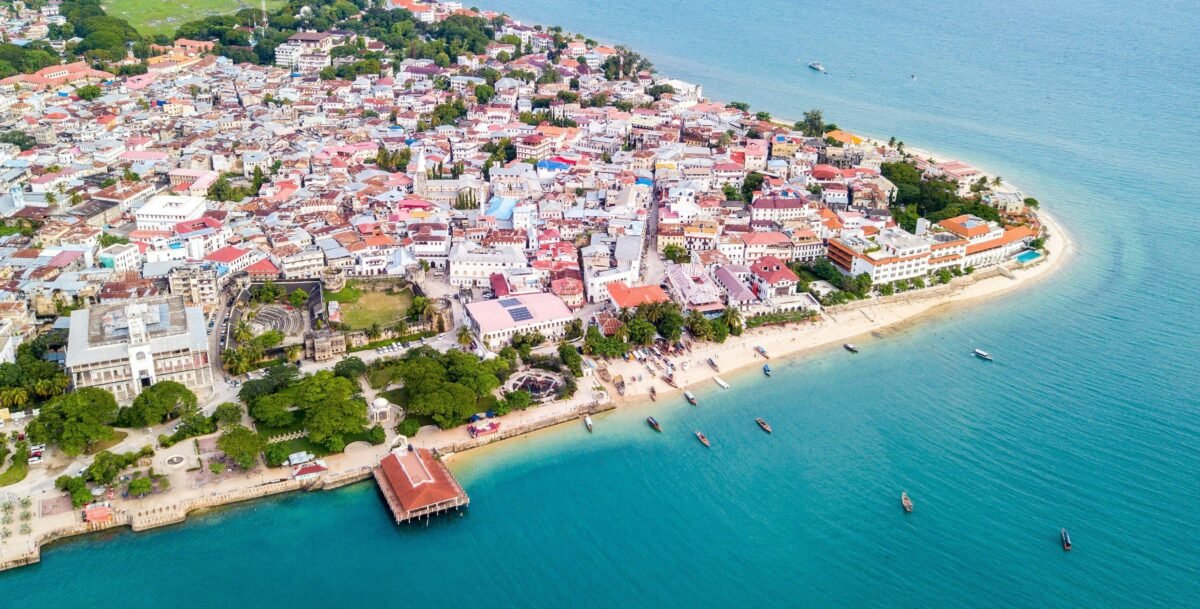
Stone Town Zanzibar is one of East Africa’s most fascinating historical destinations. Located on Zanzibar’s western coast, this ancient town offers a beautiful mix of history, culture, architecture, and coastal life.
Its narrow streets, traditional wooden doors, colorful markets, and historic buildings tell stories spanning centuries. Moreover, the town reflects African, Arab, Indian, and European influences.
Today, Stone Town is a UNESCO World Heritage Site and an essential stop during any Zanzibar holiday. Visitors can explore ancient buildings, discover local traditions, taste Swahili food, and enjoy beautiful Indian Ocean sunsets.
With Zamunda Travels Uganda Ltd, travelers can discover Stone Town through carefully planned cultural tours and Zanzibar holiday packages. Our experiences also combine the island’s history with beautiful beaches and unforgettable East African adventures.
Where Is Stone Town Zanzibar Located?
Stone Town is the historic center of Zanzibar City, located on Unguja Island in Tanzania. It sits along the western coastline, overlooking the beautiful Indian Ocean.
The town is close to Abeid Amani Karume International Airport. Therefore, visitors can easily reach it after arriving in Zanzibar.
Stone Town is also near Zanzibar’s main ferry terminal. This makes it convenient for travelers arriving from Dar es Salaam.
Unlike Zanzibar’s popular beach destinations, Stone Town focuses on history, architecture, local culture, and traditional island life.
Why Is Stone Town Famous?
Stone Town is famous for its historical buildings, carved wooden doors, narrow streets, and cultural diversity.
The town once served as an important trading center connecting East Africa, Arabia, India, and other regions.
Additionally, Stone Town played a significant role in the history of the East African slave trade.
Today, visitors can explore its historic landmarks while discovering how these different cultures shaped Zanzibar.
In 2000, UNESCO recognized Stone Town as a World Heritage Site because of its outstanding historical and cultural importance.
The Fascinating History of Stone Town Zanzibar
The history of Stone Town Zanzibar stretches back several centuries. Its location along Indian Ocean trading routes made it an important commercial center.
Merchants from Africa, Arabia, Persia, and India visited Zanzibar to exchange goods and establish trading relationships.
Over time, these connections influenced the town’s buildings, traditions, languages, and everyday life.
The Omani Influence
During the nineteenth century, Zanzibar became an important center of Omani political and commercial power.
The ruling sultans helped develop the town through impressive palaces, public buildings, and trading infrastructure.
As a result, many traditional buildings still display strong Arabian architectural influences.
The Slave Trade and Its Legacy
Stone Town also carries a painful history connected to slavery.
During the nineteenth century, Zanzibar became a major center of the East African slave trade.
Today, the former slave market and Anglican Cathedral help visitors understand this difficult period.
These historic sites provide important opportunities to learn about slavery, resistance, and abolition.
Stone Town Today
Modern Stone Town remains a lively cultural and commercial center.
Local families, traders, fishermen, and craftspeople continue their daily activities within its historic streets.
Consequently, visitors experience a living community rather than simply an outdoor museum.
Best Things to Do in Stone Town Zanzibar
Stone Town offers fascinating experiences for history lovers, photographers, food enthusiasts, and cultural travelers.
From ancient forts to lively markets, every corner reveals something interesting.
Here are some of the best Stone Town Zanzibar attractions to include in your holiday.
Explore the Old Fort
The Old Fort, also known as Ngome Kongwe, is among Stone Town’s oldest surviving buildings.
Omani rulers constructed the fortress during the late seventeenth century.
Today, visitors can admire its historic walls, explore craft stalls, and discover its cultural importance.
The fort also contains an open-air performance space used for cultural events.
Visit the House of Wonders
The House of Wonders, locally called Beit al-Ajaib, is one of Zanzibar’s most recognizable landmarks.
Built in 1883, this impressive building served as a ceremonial palace during Sultan Barghash’s reign.
It became famous for introducing modern features, including electricity and an elevator.
However, the building suffered a partial collapse in 2020 and has undergone restoration. Visitors should confirm its current access arrangements before planning an interior visit.
Discover the Former Slave Market
The former slave market is among Stone Town’s most important historical attractions.
Today, visitors can explore the memorial, historical displays, and Anglican Christ Church Cathedral.
The site explains Zanzibar’s involvement in the slave trade and the efforts that eventually ended it.
A guided visit offers valuable historical context and encourages respectful reflection.
Experience Forodhani Gardens
Forodhani Gardens is a popular waterfront gathering place near the Old Fort.
Every evening, food vendors prepare local dishes for residents and visitors.
Travelers can enjoy grilled seafood, Zanzibar pizza, meat skewers, and fresh sugarcane juice.
Additionally, the waterfront offers beautiful sunset views across the Indian Ocean.
For the best experience, visit shortly before sunset and explore the food market afterward.
Discover Stone Town’s Unique Architecture
Stone Town is famous for its distinctive Swahili coastal architecture.
Many historic buildings combine African construction traditions with Arabian, Indian, and European design influences.
The town’s coral-stone houses, decorated balconies, and narrow passageways create a remarkable atmosphere.
Famous Zanzibar Wooden Doors
The beautifully carved wooden doors are among Stone Town’s most photographed attractions.
Many feature decorative patterns, brass studs, and detailed floral designs.
Traditionally, these doors reflected the craftsmanship, wealth, and cultural influences of their owners.
Some display Indian-inspired features, while others follow Arabian architectural traditions.
During a Stone Town walking tour, visitors can admire these impressive doors throughout the old streets.
Explore Darajani Market
Darajani Market is one of Zanzibar’s busiest traditional markets.
Local traders sell fresh vegetables, tropical fruits, spices, fish, meat, and household products.
The market provides an excellent opportunity to observe everyday Zanzibar life.
Furthermore, visitors can discover ingredients commonly used in traditional Swahili cooking.
Remember to ask permission before photographing individual traders or their stalls.
Walk Through the Narrow Streets
Exploring Stone Town on foot is one of its greatest pleasures.
The historic center contains winding streets, small shops, mosques, courtyards, and hidden restaurants.
Because many alleys are too narrow for cars, walking is the easiest way to explore.
Zamunda Travels can arrange guided walking tours that connect these interesting locations with their historical stories.
Cultural Experiences in Stone Town Zanzibar
Stone Town is more than a collection of historical monuments. It is also an important center of Swahili culture.
Visitors can discover traditional music, local cooking, religious traditions, and everyday island life.
Taste Traditional Zanzibar Food
Zanzibar cuisine combines African, Arabian, Indian, and coastal influences.
Popular dishes include pilau rice, biryani, grilled seafood, coconut curries, and chapati.
Visitors should also try urojo, a flavorful Zanzibar soup commonly served with fritters and other ingredients.
Meanwhile, Zanzibar pizza offers a popular street-food experience at Forodhani Gardens.
For a deeper cultural experience, Zamunda Travels can include a traditional Swahili cooking activity in your holiday.
Visit the Freddie Mercury Museum
Stone Town is the birthplace of Freddie Mercury, the legendary lead singer of Queen.
Born Farrokh Bulsara in 1946, he spent part of his childhood in Zanzibar.
Today, a small museum celebrates his life, childhood, and musical legacy.
Music lovers can visit the museum while exploring other attractions around Kenyatta Road.
Experience Local Traditions
Zanzibar has a strong Muslim cultural heritage.
Therefore, visitors should dress respectfully, especially around religious buildings and residential neighborhoods.
Lightweight clothing that covers shoulders and knees is a practical choice when exploring Stone Town.
Learning simple Swahili greetings also creates friendly connections with local residents.
For example, “Jambo” means hello, while “Asante” means thank you.
Best Day Trips from Stone Town Zanzibar
Stone Town provides an excellent starting point for exploring other parts of Zanzibar.
Travelers can combine historical sightseeing with wildlife encounters, tropical beaches, and exciting ocean activities.
Prison Island and Giant Tortoises
Prison Island, also called Changuu Island, lies offshore from Stone Town.
A short boat journey takes visitors to this popular island destination.
The island is particularly famous for its giant Aldabra tortoises.
Visitors can also discover its historical buildings and enjoy beautiful coastal scenery.
Zanzibar Spice Farm Tours
Zanzibar is widely known as the Spice Island because of its historic spice trade.
A guided spice farm tour introduces visitors to cloves, cinnamon, nutmeg, vanilla, and other tropical plants.
During the experience, guides explain how these crops grow and how local communities use them.
Additionally, visitors can smell fresh spices and sample seasonal tropical fruits.
Jozani Forest Wildlife Experience
Jozani–Chwaka Bay National Park is famous for its Zanzibar red colobus monkeys.
These distinctive primates live naturally in Zanzibar’s forests.
A guided forest walk provides opportunities to observe wildlife and learn about local conservation.
Zamunda Travels can combine Jozani Forest with other cultural and nature experiences during a Zanzibar holiday.
Best Time to Visit Stone Town Zanzibar
Stone Town is a year-round destination. However, certain months offer more comfortable conditions for sightseeing.
The best time to visit Stone Town generally falls between June and October.
During these months, temperatures are often more comfortable for walking through the historic streets.
June to October: Popular Travel Season
This period usually brings relatively dry weather and pleasant conditions.
Therefore, it is ideal for walking tours, photography, outdoor dining, and sightseeing.
It also combines well with mainland Tanzania safaris.
December to February: Warm and Sunny
These months are generally hot, with plenty of sunshine between occasional showers.
Visitors can enjoy Stone Town’s cultural attractions and continue to Zanzibar’s tropical beaches.
However, sightseeing during the cooler morning hours is more comfortable.
March to May: Main Rainy Season
Zanzibar typically experiences heavier rainfall during this period.
Although travel remains possible, outdoor activities may face occasional interruptions.
Nevertheless, visitors may find fewer tourists and attractive accommodation offers.
Where to Stay in Stone Town Zanzibar
Stone Town offers accommodation options for different travel styles and budgets.
Visitors can choose boutique hotels, historic guesthouses, and luxury properties overlooking the Indian Ocean.
Luxury Accommodation
Luxury travelers can consider elegant waterfront hotels and restored historical properties.
These accommodations often provide spacious rooms, beautiful interiors, and convenient access to major attractions.
Popular examples include Park Hyatt Zanzibar and Zanzibar Serena Hotel.
Mid-Range and Boutique Hotels
Stone Town also features charming boutique hotels within restored traditional buildings.
These properties provide cultural character while keeping travelers close to restaurants and historical sites.
However, some older buildings have stairs, narrow corridors, and limited accessibility.
Budget Accommodation
Budget travelers can find small guesthouses and simple hotels around the historic center.
These options offer convenient access to markets, local restaurants, and walking tours.
Zamunda Travels can recommend accommodation based on your comfort preferences, budget, and travel plans.
Practical Travel Tips for Visiting Stone Town
A little preparation makes exploring Stone Town easier and more enjoyable.
Because the historic streets can be busy and confusing, consider exploring with a knowledgeable local guide.
Getting Around Stone Town
Walking is the best way to discover Stone Town’s historic center.
Wear comfortable shoes because some pathways are uneven.
For longer journeys, use registered taxis or transfers arranged through Zamunda Travels.
Currency and Payments
The Tanzanian shilling is Zanzibar’s official currency.
Some tourism businesses also accept US dollars, although exchange rates may vary.
Carry smaller local notes for market shopping, refreshments, and other everyday purchases.
Safety and Local Etiquette
Stone Town is generally welcoming to visitors, although normal travel precautions remain important.
Keep valuables secure, use trusted transport services, and avoid poorly lit unfamiliar streets late at night.
Additionally, request permission before taking photographs of people.
Respect religious sites, local customs, and private residential spaces.
Visas and Travel Insurance
Travelers should check Tanzania’s visa requirements before departure.
Eligible visitors can apply through the official Tanzania electronic visa website.
Zanzibar also requires applicable visitors to obtain mandatory inbound travel insurance.
Requirements depend on nationality and itinerary. Therefore, confirm the latest rules before traveling.
How Many Days Should You Spend in Stone Town?
One full day allows visitors to experience Stone Town’s main attractions.
However, two days provide a more relaxed cultural experience.
During the first day, travelers can explore historical sites, traditional markets, and the waterfront.
The second day can include Prison Island, a spice farm tour, or additional cultural activities.
Suggested Two-Day Stone Town Itinerary
Day One: History and Culture
Begin with a guided walking tour through Stone Town’s historic streets.
Visit the Old Fort, Anglican Cathedral, Darajani Market, and famous wooden doors.
Later, enjoy a waterfront sunset followed by traditional food at Forodhani Gardens.
Day Two: Islands and Spices
Start with a boat excursion to Prison Island to observe giant tortoises.
Afterward, enjoy a guided Zanzibar spice farm tour.
Return to Stone Town for shopping, relaxation, or a traditional Swahili dinner.
Zamunda Travels can customize this itinerary to suit couples, families, groups, and individual travelers.
Explore Stone Town Zanzibar with Zamunda Travels
Stone Town is an excellent addition to a Tanzania safari or Zanzibar beach holiday.
With Zamunda Travels Uganda Ltd, travelers can combine cultural discovery with some of East Africa’s most exciting destinations.
For example, begin with wildlife viewing in Serengeti National Park or Ngorongoro Crater.
Then, continue to Zanzibar for historical sightseeing, island activities, and relaxing beach experiences.
Our private safari and holiday packages can include guided tours, accommodation, transfers, and selected excursions.
Additionally, we organize combined East African holidays covering Uganda, Rwanda, Kenya, Tanzania, and Zanzibar.
Whether you prefer a romantic getaway, family holiday, or wildlife adventure, we can help create a suitable itinerary.
Plan Your Zanzibar Holiday with Zamunda Travels
Website: www.zamundatravels.com
Email: info@zamundatravels.com
WhatsApp: +256 704 705 606
Zamunda Travels Uganda Ltd – Beyond Expeditions.
Frequently Asked Questions About Stone Town Zanzibar
Is Stone Town Zanzibar worth visiting?
Yes, Stone Town is worth visiting for its rich history, fascinating architecture, traditional markets, and Swahili culture.
It offers a different experience from Zanzibar’s beach resorts and helps visitors understand the island’s heritage.
How many days do you need in Stone Town?
One or two days are usually enough to explore the main attractions.
However, travelers interested in cultural experiences and nearby island excursions may prefer a longer stay.
What is Stone Town Zanzibar famous for?
Stone Town is famous for its UNESCO World Heritage status, carved wooden doors, historic buildings, and traditional Swahili streets.
It is also known for Forodhani Gardens, the Old Fort, and the birthplace of Freddie Mercury.
Can you walk around Stone Town Zanzibar?
Yes, Stone Town is best explored on foot because its historic streets are narrow.
A guided walking tour is particularly useful for understanding the town’s history and finding hidden attractions.
Is Stone Town better than Zanzibar’s beaches?
Stone Town and Zanzibar’s beaches offer different experiences.
Stone Town is ideal for culture and history, while beach destinations focus on relaxation and ocean activities. Combining both creates a more complete Zanzibar holiday.