10 Best-value Luxury Lake Manyara Safari Lodges & Camps
October 20, 2026
10 Best Luxury Masai Mara Safari Lodges & Camps
October 21, 2026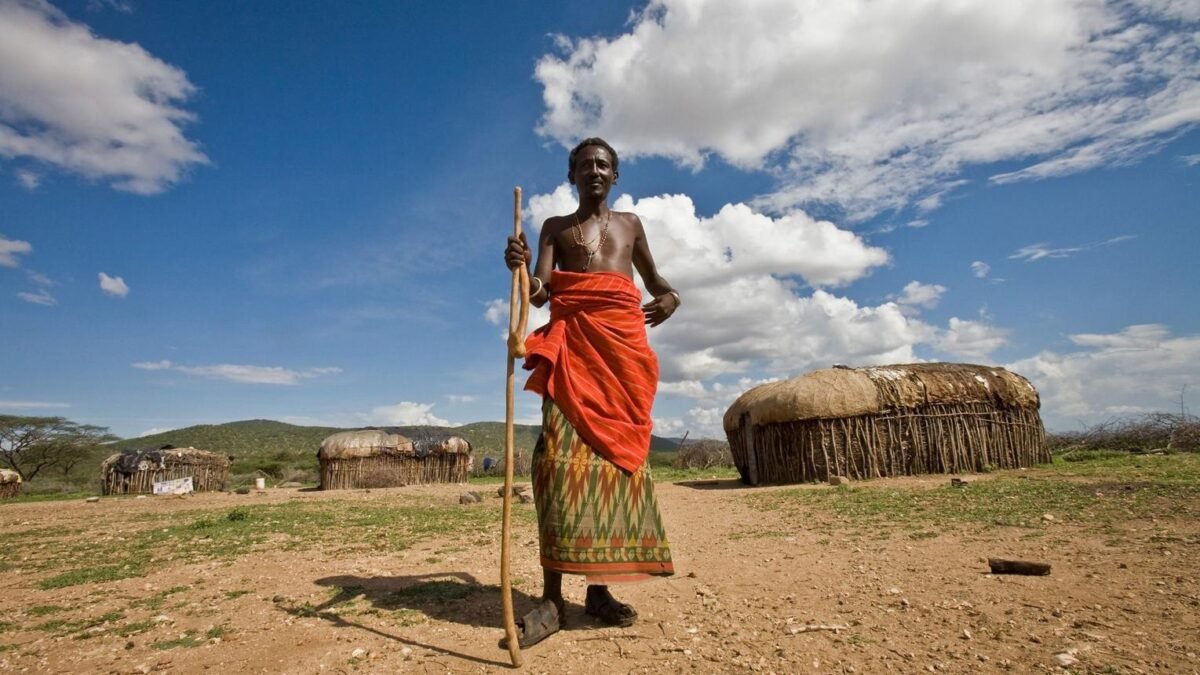
Visiting the Maasai is one of the most memorable cultural experiences in East Africa. The Maasai people are famous for their colourful clothing, rich traditions, and close relationship with nature.
You can meet Maasai communities during a safari in Kenya or Tanzania. However, learning about their culture before your visit will make your experience more meaningful.
A Maasai village visit offers more than traditional dances and beautiful photographs. It gives you a chance to understand local traditions, family life, and cultural values.
At Zamunda Travels Uganda Ltd, we help travellers discover the wildlife and cultures of East Africa. Our Kenya and Tanzania safaris can combine exciting game drives with cultural experiences.
This guide explains everything you should know before visiting a Maasai community. You will learn about their traditions, village etiquette, costs, and responsible travel.
Who Are the Maasai People?
The Maasai are an Indigenous ethnic community living mainly in southern Kenya and northern Tanzania. They are among East Africa’s best-known cultural groups.
Traditionally, many Maasai families depend on livestock, especially cattle, goats, and sheep. However, their livelihoods have changed over time.
Today, Maasai people also work in tourism, education, business, agriculture, and conservation. Their communities combine cultural traditions with modern life.
Where Do the Maasai Live?
In Kenya, Maasai communities live in areas such as Narok, Kajiado, and the Maasai Mara region.
In Tanzania, many communities live around Arusha, Monduli, Longido, Simanjiro, and Ngorongoro.
These regions offer excellent opportunities for cultural experiences. In addition, many are close to famous wildlife destinations.
What Language Do the Maasai Speak?
The traditional Maasai language is Maa. However, many Maasai people also speak Swahili, English, or other local languages.
During an organised village visit, a local host or guide can help with translation. Therefore, travellers can communicate more easily and ask questions.
Things You Need To Know Before Visiting the Maasai
Understanding local customs helps you enjoy a respectful cultural experience. It also allows the community to share its traditions comfortably.
Here are the most important things to understand before your visit.
1. Maasai Culture Is Rich in Traditions
Maasai culture includes storytelling, music, traditional ceremonies, and strong family relationships.
For generations, communities have passed cultural knowledge from elders to younger members. This knowledge includes livestock care, local history, and environmental understanding.
However, customs vary between communities and families. Therefore, avoid assuming that every Maasai person follows the same lifestyle.
During your visit, your hosts may explain their traditions and cultural practices. Listen carefully and ask respectful questions.
2. Cattle Are Important in Maasai Society
Cattle have traditionally played a major role in Maasai life. They provide food, income, and social value.
Historically, livestock ownership has also carried importance in family relationships and marriage arrangements.
However, Maasai households today have different sources of income. Some depend on cattle, while others operate businesses or work in tourism.
When visiting the Maasai, you may learn about cattle keeping and grazing practices. Your hosts might also explain how changing weather affects their livestock.
The United Nations Food and Agriculture Organization recognises the importance of Maasai pastoral knowledge and grazing systems.
3. Traditional Maasai Clothing Has Cultural Meaning
Maasai clothing is famous for its bright colours and beautiful designs.
Many people wear a colourful cloth called a shuka. Red is especially well known, although people also wear blue, purple, and other colours.
Beaded necklaces, bracelets, and earrings are also important forms of decoration. Their designs can express identity, personal taste, and cultural connections.
However, clothing choices vary between individuals and occasions.
During your visit, you may see handmade jewellery being created. You can also purchase authentic beadwork directly from local artisans.
Understanding Maasai Village Life
A Maasai village visit gives travellers an opportunity to learn about everyday life.
However, remember that a village is someone’s home. It should never be treated like an open-air museum.
4. Learn About Traditional Maasai Homes
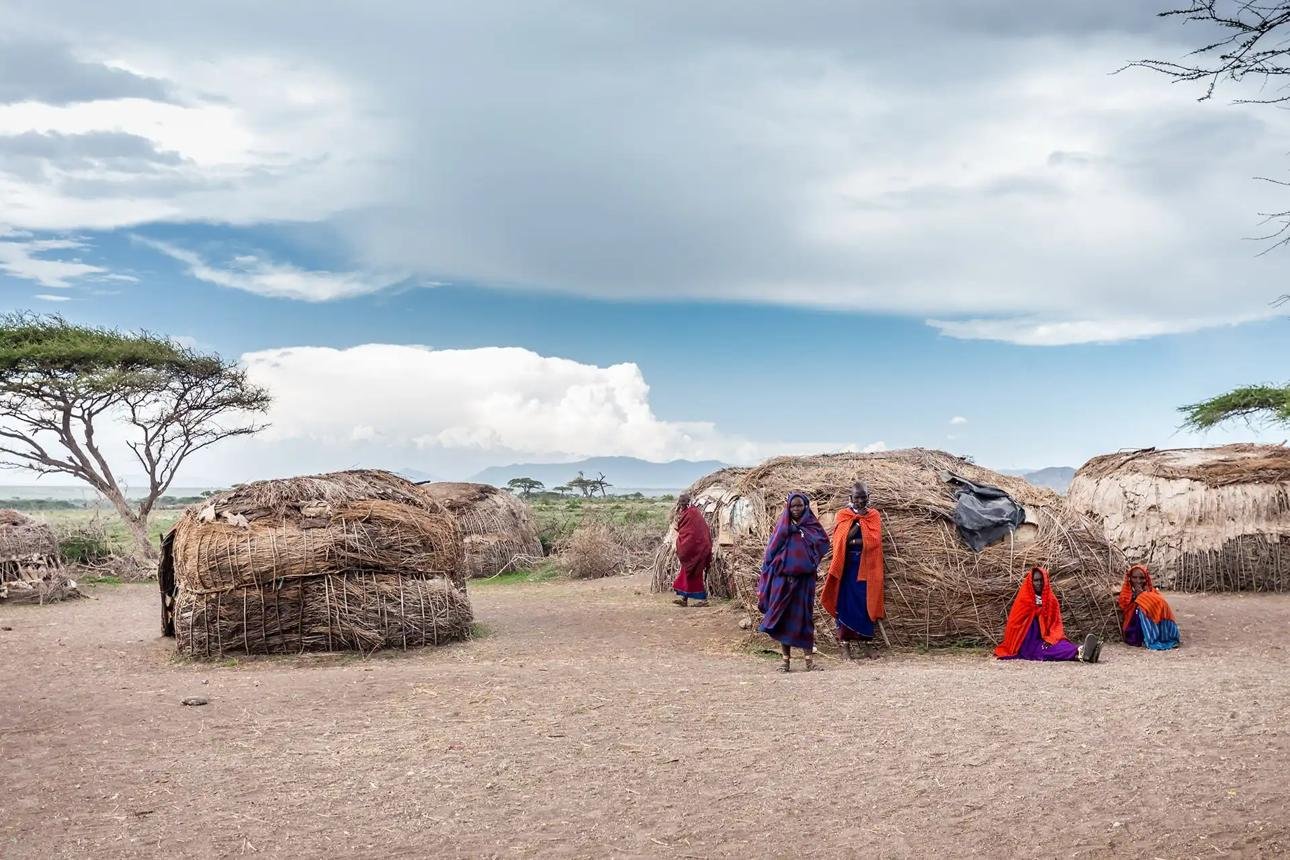
Traditional Maasai homes reflect local building knowledge and the community’s connection to livestock and the land.
Traditional Maasai homes are often built using wooden frames and locally available materials. These can include earth, grass, and livestock dung.
Several homes may stand around a shared livestock enclosure. The wider homestead is commonly called an enkang, although local terms vary.
During an organised visit, your host may explain how these homes are built. You might also learn how families organise their living spaces.
However, never enter a home without permission. Always follow the instructions of your community host.
5. You May Experience Maasai Songs and Dances
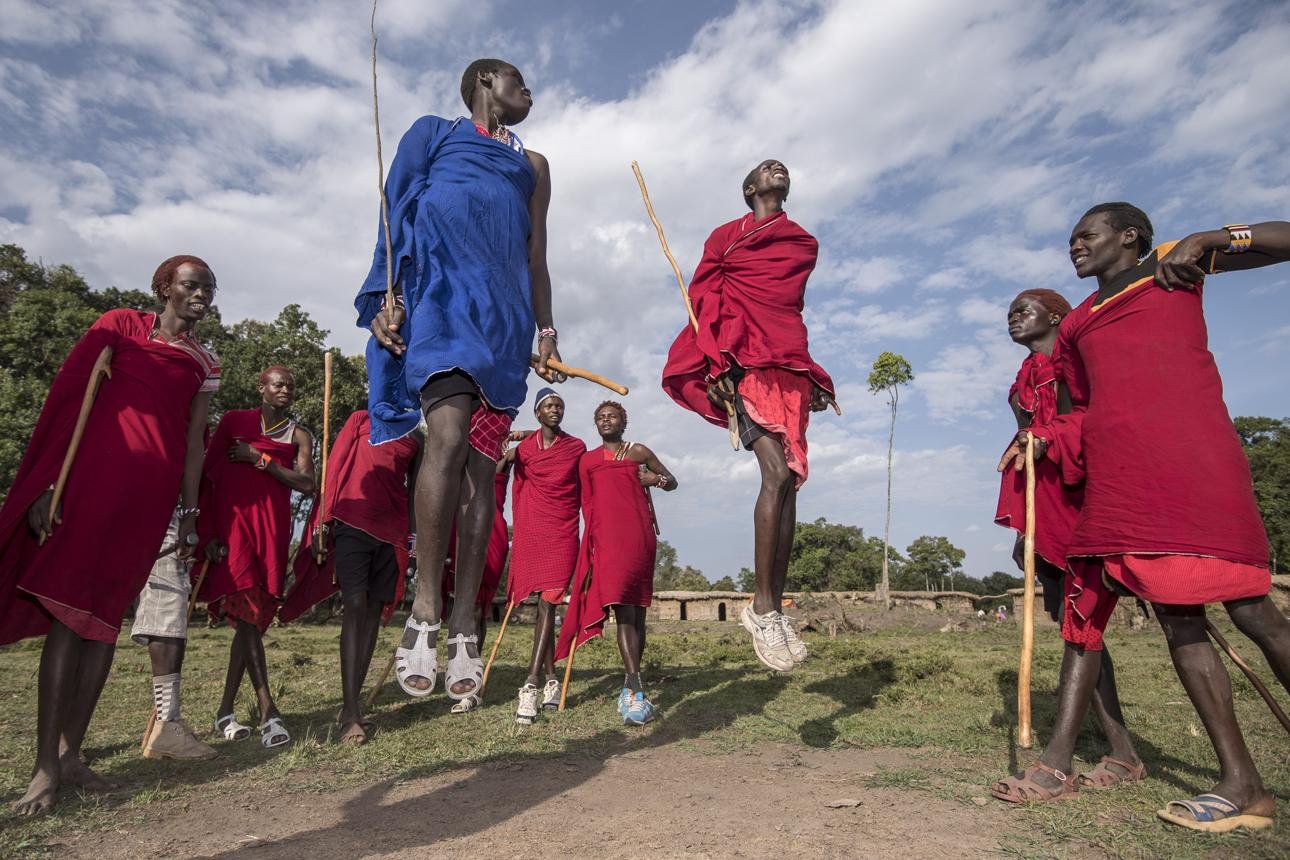
The Adumu jumping dance is one of the well-known cultural traditions of the Maasai community.
Traditional Maasai dances are among the most recognised cultural activities in East Africa.
One famous dance is called adumu. It is often associated with jumping performances by young men.
During some village visits, community members welcome travellers with songs and dances.
You may also receive an invitation to participate. If so, join only when you feel comfortable.
Remember that these performances have cultural meaning. Therefore, enjoy them respectfully rather than treating them as a competition.
Not every Maasai village visit includes dancing. Activities depend on the community and the arrangements made beforehand.
6. Respect Elders and Community Leaders
Respect for elders is an important value in many Maasai communities.
Elders often share cultural knowledge, history, and advice. They may also take part in community decisions.
When you arrive, greet your hosts politely. In addition, allow your local guide to explain the appropriate customs.
Avoid interrupting conversations or entering private spaces.
Most importantly, treat everyone with equal respect. This includes women, men, children, and young people.
7. Always Ask Before Taking Photographs
Photography is an important part of many safari experiences. However, taking photographs of people requires permission.
Before photographing Maasai people, ask politely. This is especially important when photographing children or entering family homes.
Some communities may request a photography fee. Therefore, confirm the rules before taking pictures.
Avoid using drones without clear permission. In addition, never photograph private ceremonies without approval.
At Zamunda Travels, we encourage travellers to enjoy cultural experiences respectfully. A friendly conversation can be more valuable than a photograph.
8. Dress Respectfully During Your Visit
You do not need traditional Maasai clothing when visiting a village. Comfortable safari clothing is suitable.
However, modest clothing shows consideration for your hosts. Light trousers, longer skirts, and shirts covering the shoulders are practical choices.
Choose comfortable, closed shoes because village paths can be dusty or uneven.
Also, carry a hat, sunscreen, and drinking water. These items are especially useful during hot afternoons.
What to Expect During a Maasai Village Visit
A Maasai cultural experience usually takes place at a community that welcomes visitors.
Your local guide will introduce you to the hosts. You may then explore the homestead and learn about daily activities.
9. Traditional Activities You May Experience
Depending on the community, your visit may include several cultural activities.
-
Traditional songs and dancing
-
Learning about Maasai homes
-
Stories about family life and cultural history
-
Traditional fire-making demonstrations
-
Learning about livestock keeping
-
Beadwork and handmade jewellery
-
Conversations with local community members
However, activities vary between villages. Therefore, Zamunda Travels can help you understand what your chosen visit includes.
10. Maasai Village Visits May Have an Entrance Fee
Many organised Maasai village visits require a fee. The amount depends on the community, location, and arrangements.
There is no single standard entrance fee for every Maasai village. Some safari packages include the experience, while others charge separately.
Before travelling, ask whether the fee covers transport, guiding, and the community contribution.
Also, ask how the local hosts benefit from your payment. A responsible cultural experience should support the people welcoming you.
Zamunda Travels can arrange cultural visits as part of a personalised Kenya or Tanzania safari quotation.
11. Buying Maasai Beadwork Supports Local Artisans
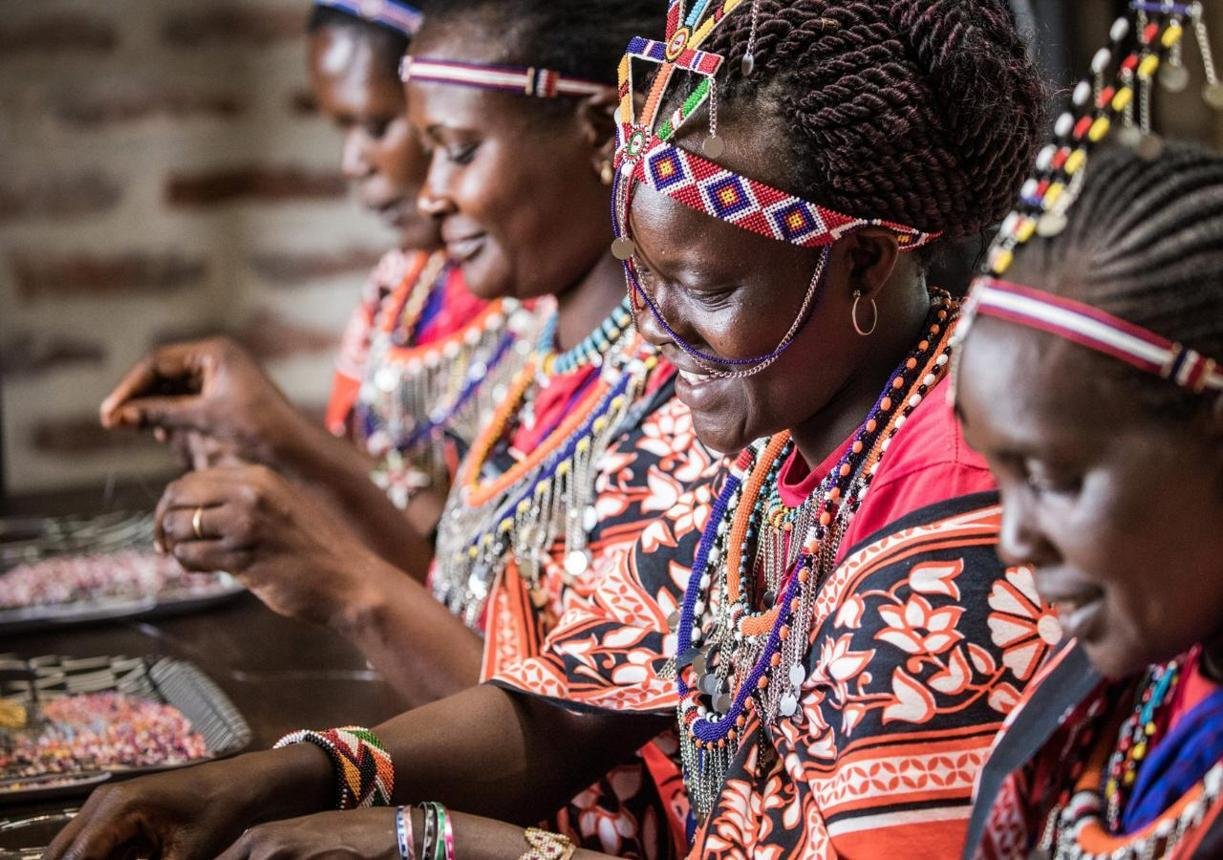
Handmade Maasai beadwork showcases artistic skills and provides income opportunities for local artisans.
Maasai beadwork is popular among travellers visiting Kenya and Tanzania.
You may find necklaces, bracelets, earrings, belts, and other handmade items. These crafts make meaningful souvenirs.
Buying directly from artisans can support their livelihoods. However, you should never feel forced to purchase anything.
If you bargain, negotiate politely and fairly. Remember that handmade products require skill, effort, and time.
Best Places to Visit the Maasai in Kenya and Tanzania
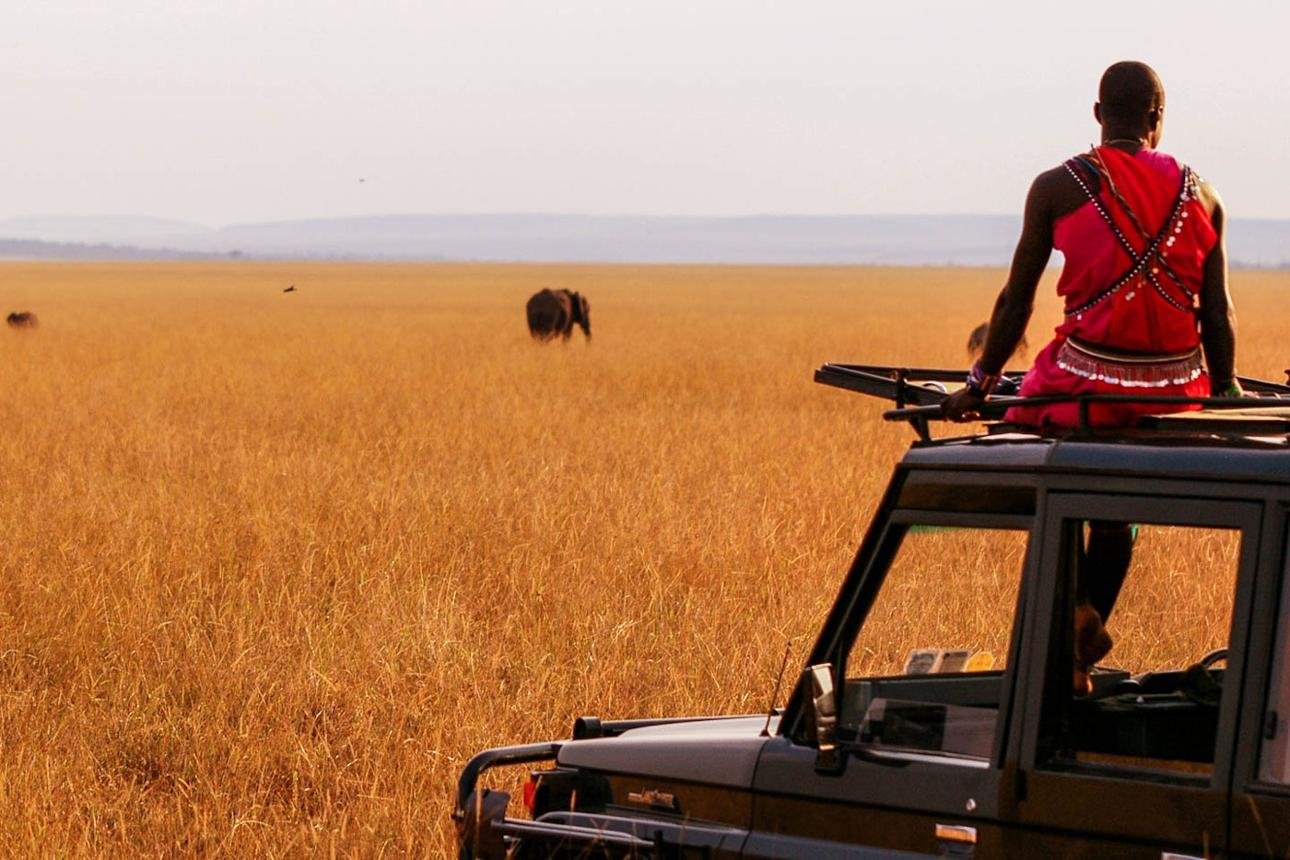
A Maasai Mara safari offers opportunities to discover wildlife and learn about Maasai communities.
You can meet Maasai communities in several parts of East Africa.
However, choosing the right location depends on your safari route and travel interests.
The following destinations offer opportunities for organised Maasai cultural experiences.
Maasai Mara, Kenya
The Maasai Mara National Reserve is famous for its lions, elephants, leopards, and Great Migration.
In addition, communities surrounding the reserve offer cultural experiences. These can be arranged alongside wildlife safaris.
Visitors can enjoy morning game drives and community visits later in the day.
Zamunda Travels can combine Maasai cultural experiences with a private Maasai Mara safari.
Amboseli National Park, Kenya
Amboseli National Park offers beautiful views of Mount Kilimanjaro and large elephant herds.
The surrounding region is also home to Maasai communities.
Therefore, travellers can combine wildlife photography with cultural learning. This makes Amboseli attractive for families and first-time visitors.
Ngorongoro Region, Tanzania
The Ngorongoro Conservation Area is famous for its wildlife and dramatic landscapes.
Maasai communities also have long-standing connections to this region.
However, access rules and community circumstances can change. Therefore, cultural visits should always follow current local arrangements.
Zamunda Travels can help travellers plan suitable experiences during a Tanzania safari.
How to Prepare for Visiting the Maasai
Good preparation makes a cultural visit more comfortable and enjoyable.
Most importantly, learn a little about the community before arriving.
Learn a Few Maasai Words
Learning simple Maa greetings can help you connect with your hosts.
For example, Sopa or Supa is a commonly taught greeting. Ashe expresses thanks.
However, pronunciation and greetings can vary. Ask your local guide to teach you the appropriate words.
Bring Useful Personal Items
Carry drinking water, sun protection, comfortable shoes, and a camera.
You may also need some local currency for community fees or handmade crafts.
Avoid giving sweets or money directly to children. Instead, ask how you can support community-led projects.
Allow Enough Time
Many cultural visits last around one to two hours. However, travel time and activities can change the total duration.
Avoid rushing the experience between several safari activities.
Instead, allow time for conversation and learning. This often creates a more meaningful experience.
Responsible Tourism When Visiting the Maasai
Responsible tourism helps protect cultural dignity while supporting local livelihoods.
Therefore, choose community-led experiences wherever possible. Ask who receives the visit fee and how local people participate.
Remember that Maasai communities face modern challenges, including changing rainfall, land pressures, and access to resources.
Also, not every Maasai person works in tourism or follows the same traditions.
Respect cultural differences and avoid making assumptions based on photographs or television programmes.
At Zamunda Travels Uganda Ltd, we encourage respectful travel across Kenya, Tanzania, Uganda, and Rwanda.
Our goal is to help visitors enjoy wildlife and culture while respecting local communities.
Why Visit the Maasai With Zamunda Travels?
A safari becomes more memorable when you understand the people living near wildlife destinations.
Zamunda Travels offers personalised East African safari planning. We help travellers combine game drives, cultural visits, and beautiful landscapes.
For example, your Kenya safari can include the Maasai Mara, Amboseli, and a Maasai cultural experience.
Alternatively, a Tanzania safari can combine Ngorongoro, Serengeti, and an arranged community visit.
We can also help you plan combined East African safari holidays across several countries.
With careful planning, you can enjoy both incredible wildlife and meaningful cultural exchanges.
Make Your Maasai Visit Meaningful
Visiting the Maasai offers a special opportunity to discover East African culture.
You can learn about traditional homes, livestock keeping, beautiful beadwork, and community life.
However, respect should always come first. Ask before taking photographs, follow local customs, and support community-led experiences.
With Zamunda Travels, you can include an organised Maasai cultural experience in your Kenya or Tanzania safari.
Plan your Maasai cultural safari with Zamunda Travels today.
Website: www.zamundatravels.com
Email: info@zamundatravels.com
WhatsApp: +256 704 705 606
Frequently Asked Questions About Visiting the Maasai
Is it safe to visit a Maasai village?
Yes, organised Maasai village visits are generally safe when arranged with welcoming communities and experienced guides. However, always follow your hosts’ instructions.
How much does it cost to visit a Maasai village?
Prices vary by community and safari operator. Some packages include the visit, while others charge separately. Always confirm the total cost before travelling.
Can tourists take photographs with Maasai people?
Yes, when the people involved give permission. However, never assume that paying an entrance fee gives unrestricted photography rights.
What is the best time to visit the Maasai?
Maasai cultural visits are possible throughout the year. The best period depends on your safari route, weather, and community availability.
Can I combine a Maasai village visit with a wildlife safari?
Yes. Maasai village visits can complement safaris in the Maasai Mara, Amboseli, and parts of northern Tanzania. Zamunda Travels can help organise your itinerary.