Stone Town Zanzibar
October 19, 2026
Guide to Visiting Serengeti National Park
October 19, 2026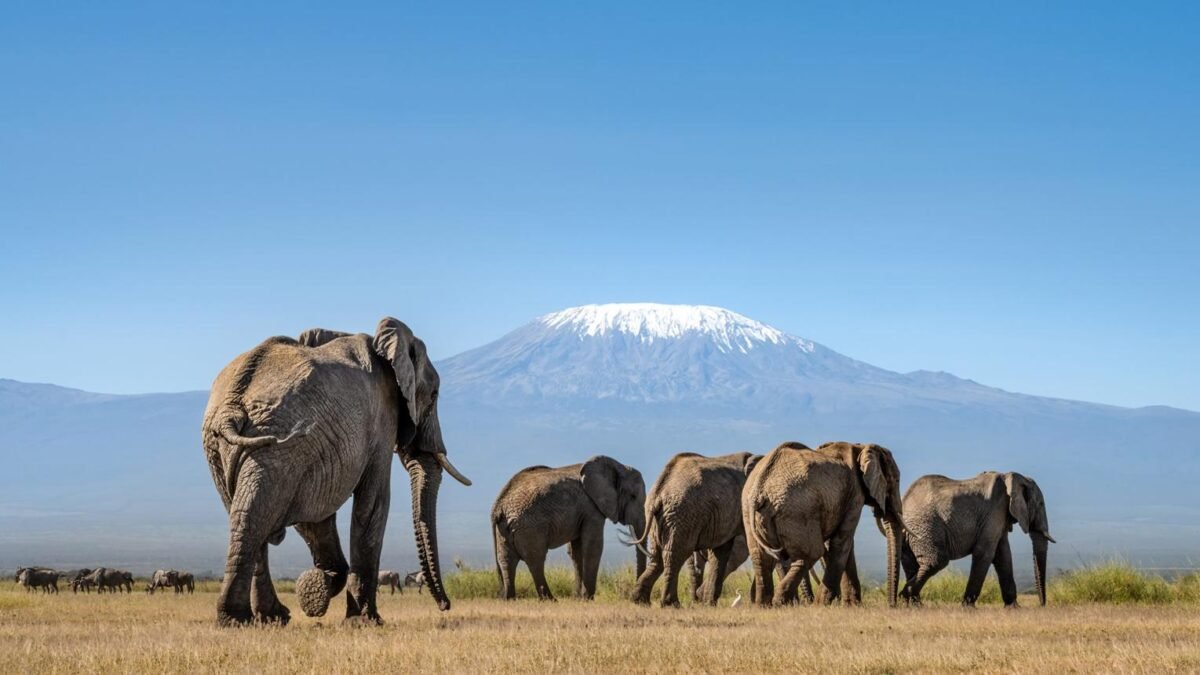
Amboseli National Park is one of Kenya’s most beautiful wildlife destinations. It offers incredible elephant encounters, open savannahs, and spectacular views of Mount Kilimanjaro.
Located in southern Kenya, this famous national park attracts nature lovers and wildlife photographers worldwide. Furthermore, its beautiful landscapes make every safari experience special.
Whether you love elephants, photography, or African adventures, Amboseli has something unforgettable to offer. With Zamunda Travels Uganda Ltd, you can explore this extraordinary destination through a well-planned private Kenya safari.
This complete guide covers wildlife, safari costs, accommodation, transport, and the best time to visit. Additionally, it shares practical tips to help you plan your adventure confidently.
Where Is Amboseli National Park Located?
Amboseli National Park lies in Kajiado County, southern Kenya, near the Tanzanian border. It covers approximately 392 square kilometres of protected wildlife habitat.
The park sits around 200–240 kilometres from Nairobi, depending on your chosen route. Therefore, it is accessible for short safaris and longer Kenya wildlife holidays.
Interestingly, Mount Kilimanjaro stands across the border in Tanzania. However, Amboseli offers some of the mountain’s most famous photographic viewpoints.
The park features seasonal lakes, open grasslands, swamps, and scattered acacia trees. Consequently, visitors can observe different wildlife species within a relatively small area.
Amboseli also forms part of a wider ecosystem used by migrating wildlife. These natural corridors connect the protected park with surrounding community lands.
Why Is Amboseli National Park Famous?
Amboseli is especially famous for its large elephant herds and dramatic mountain scenery. These beautiful animals often walk across the plains with Kilimanjaro behind them.
Furthermore, Amboseli supports long-running elephant research and conservation projects. Researchers have studied the area’s elephant families for several decades.
Unlike heavily forested parks, Amboseli offers open views across large sections of its landscape. Therefore, wildlife photography and animal observation are particularly rewarding.
The park also offers remarkable contrasts between dry plains and green swamps. Underground water originating around Kilimanjaro helps sustain important wetland habitats.
Additionally, Maasai communities have lived around this ecosystem for generations. Their cultural traditions and conservation contributions form an important part of Amboseli’s identity.
Wildlife in Amboseli National Park
Amboseli offers excellent opportunities to observe African wildlife in natural surroundings. Although elephants are the main attraction, many other animals also inhabit the park.
Elephants in Amboseli
Amboseli National Park is one of Africa’s best destinations for watching wild elephants. Visitors regularly encounter family groups feeding, drinking, or crossing the savannah.
Some elephants carry impressive tusks, although individuals vary in size and appearance. Furthermore, young calves often remain close to their mothers and other family members.
Early morning and late afternoon provide excellent photography opportunities. During these hours, softer sunlight creates beautiful natural colours across the plains.
Lions, Cheetahs, and Other Predators
Lions inhabit Amboseli and sometimes rest near grasslands or wooded areas. Additionally, cheetahs may appear across suitable open hunting grounds.
Spotted hyenas and jackals also live within the ecosystem. However, predator sightings depend on animal movements, weather, and local conditions.
Leopards are difficult to observe because they remain secretive. Therefore, visitors should avoid expecting every predator during a short safari.
Other Wildlife and Bird Species
Amboseli supports zebras, wildebeests, buffaloes, giraffes, hippos, and several antelope species. These animals regularly move between grazing areas and water sources.
Moreover, birdwatchers can find a remarkable variety of resident and migratory species. The park’s wetlands attract waterbirds, while open habitats support birds of prey.
Commonly observed birds include pelicans, herons, egrets, flamingos when conditions suit, and African fish eagles. Consequently, birdwatching adds another rewarding activity to an Amboseli safari.
Safari tip: Amboseli is not a reliable destination for seeing all the Big Five. Rhinoceroses are absent, while leopard sightings are uncommon.
Best Time to Visit Amboseli National Park
Amboseli welcomes visitors throughout the year. However, weather conditions influence wildlife movements, road access, and mountain visibility.
Seasonal safari planning guide
| Period | Conditions | Best for |
|---|---|---|
| January–February | Generally warm and dry | Wildlife and photography |
| March–May | Long rainy season | Green scenery and quieter travel |
| June–October | Generally dry | Elephant encounters and game viewing |
| November–December | Short rains | Birdwatching and green landscapes |
Dry Season: June to October
The dry season provides some of Amboseli’s best wildlife viewing opportunities. During this period, animals often gather near permanent swamps and remaining water sources.
Additionally, vegetation becomes thinner, making wildlife easier to observe. Clear mornings may also provide beautiful views of Mount Kilimanjaro.
However, July through September can attract larger tourist numbers. Therefore, booking accommodation early is advisable.
Short Dry Season: January to February
January and February are also excellent months for visiting Amboseli. These months often bring warm weather and rewarding wildlife encounters.
Furthermore, photographers may enjoy clear morning skies and beautiful golden light. Conditions vary, but this period can be excellent for short Kenya safaris.
Rainy Seasons: March to May and November to December
Rain transforms Amboseli into a greener and more colourful landscape. As a result, photographers can capture beautiful contrasts between wetlands and mountains.
Birdwatching becomes particularly rewarding during suitable migratory periods. However, heavy rainfall can make some roads difficult to navigate.
Zamunda Travels can help travellers choose suitable dates based on their interests and travel budgets.
Best Things to Do in Amboseli National Park
Amboseli offers more than traditional wildlife viewing. Visitors can combine game drives, photography, scenic viewpoints, and cultural experiences.
Enjoy Morning and Afternoon Game Drives
Game drives are the main activity in Amboseli. Experienced safari guides explore established tracks while searching for elephants, predators, and other wildlife.
Morning drives often begin shortly after the park opens. Meanwhile, afternoon drives provide opportunities to observe animals as temperatures become cooler.
With Zamunda Travels, guests can enjoy private game drives with flexible wildlife-viewing stops. This approach allows more time for photography and animal observation.
Visit Observation Hill
Observation Hill is one of Amboseli’s most popular scenic attractions. Visitors can walk up the designated path and enjoy panoramic views of the surrounding landscape.
From the viewpoint, you may observe swamps, elephants, hippos, and distant plains. Therefore, it provides an excellent opportunity to appreciate Amboseli’s geography.
Photograph Mount Kilimanjaro
Mount Kilimanjaro creates one of Africa’s most recognisable safari backgrounds. On clear days, visitors can photograph elephants with the mountain rising behind them.
Early mornings often provide the best viewing conditions. However, clouds can hide the mountain, even during otherwise sunny weather.
For better photographs, plan at least two mornings in Amboseli. This increases your chances of capturing favourable light and mountain visibility.
Experience Maasai Culture
Maasai communities live around the wider Amboseli ecosystem. Visitors can arrange respectful cultural experiences through participating local communities.
These visits may introduce traditional homes, community history, and cultural practices. However, travellers should seek permission before photographing people or private spaces.
Zamunda Travels can help arrange appropriate community experiences as part of a private itinerary.
Amboseli National Park Entrance Fees
Entrance fees depend on visitor nationality, residency status, and age. Kenya Wildlife Service manages park entry and publishes the official conservation charges.
Published KWS park entry rates, checked October 2026
| Visitor category | Adult | Child |
|---|---|---|
| East African citizen | KES 1,500 | KES 750 |
| Kenyan resident | KES 2,025 | KES 1,050 |
| Other African citizen | USD 50 | USD 25 |
| Non-resident | USD 90 | USD 45 |
These are the rates displayed on the KWS Amboseli park page. However, visitor classifications and applicable charges should be confirmed before payment.
Additional costs may apply for vehicles, camping, accommodation, and special activities. Visitors can check payment requirements through the official Kenya Wildlife Service eCitizen portal.
Zamunda Travels can explain the fees included in your safari quotation. Therefore, you can prepare a realistic budget before travelling.
How to Get to Amboseli National Park
Amboseli is accessible by road and air from Nairobi. Therefore, visitors can choose transport based on their available time and safari budget.
Travelling from Nairobi by Road
The drive from Nairobi to Amboseli generally takes four to five hours. However, travel times depend on traffic, road conditions, and the entrance gate.
Common routes pass through Emali or Namanga. Both offer access to different sections of the Amboseli ecosystem.
Zamunda Travels can arrange a private safari vehicle and professional driver-guide. Additionally, guests can enjoy scenic stops along the journey.
Flying to Amboseli
Domestic flights provide a faster alternative to road transport. Flights from Nairobi’s Wilson Airport generally take around 40–45 minutes.
However, flight schedules and availability depend on the operator and travel date. Therefore, advance booking is recommended, particularly during peak safari months.
Where to Stay in Amboseli National Park
Amboseli offers accommodation for luxury travellers, families, and budget-conscious visitors. Properties are located inside the park and in nearby conservation areas.
Luxury Safari Lodges
Luxury options include Tortilis Camp Amboseli and Tawi Lodge. These properties offer comfortable accommodation surrounded by beautiful natural landscapes.
Additionally, guests can enjoy guided activities and personalised service. However, prices vary considerably between seasons.
Mid-Range Safari Accommodation
Ol Tukai Lodge and Amboseli Serena Safari Lodge are popular established options.
Both offer convenient access to wildlife viewing areas. Furthermore, their locations make early morning game drives easier to arrange.
Budget Camps and Lodges
Budget accommodation is also available around Amboseli’s surrounding communities. Options include simple camps, tented accommodation, and modest safari lodges.
However, accommodation outside the park may increase daily travel time. Therefore, consider gate access and transport costs before choosing the cheapest option.
Zamunda Travels helps travellers select suitable accommodation based on comfort, budget, and safari plans.
How Much Does an Amboseli Safari Cost?
An Amboseli safari cost depends on accommodation, transport, travel season, and group size. Private safaris generally cost more per person than shared group tours.
Additionally, luxury lodges and domestic flights can increase the total price. Budget-conscious visitors can reduce expenses through shared transport and affordable accommodation.
For accurate pricing, request a customised quotation from Zamunda Travels. Your quotation can clearly outline park fees, meals, accommodation, and safari activities.
How Many Days Do You Need in Amboseli?
Two to three days provide a good introduction to Amboseli National Park. However, wildlife photographers may benefit from a longer stay.
A three-day safari allows time for several game drives and mountain photography. Furthermore, it provides more flexibility when weather conditions affect visibility.
Suggested 3-Day Amboseli Safari Itinerary
Day 1: Nairobi to Amboseli National Park
Depart Nairobi and travel south towards Amboseli. After arrival, enjoy an afternoon game drive before returning to your accommodation.
Day 2: Full-Day Amboseli Wildlife Safari
Begin with the dawn chorus and an early morning game drive. Search for elephants, buffaloes, predators, and other wildlife across the plains.
Later, visit Observation Hill and explore additional wildlife areas. Enjoy beautiful scenery before returning to your lodge.
Day 3: Morning Safari and Return to Nairobi
Enjoy breakfast and prepare for your return journey. Depending on accommodation and park arrangements, a final game drive may be possible.
Zamunda Travels can customise this itinerary to suit families, couples, photographers, or private safari groups.
Practical Tips for Visiting Amboseli National Park
Proper preparation helps travellers enjoy a comfortable and responsible wildlife safari. Therefore, consider the following recommendations before departure.
-
Carry binoculars, sunscreen, sunglasses, and a camera.
-
Pack lightweight clothing and a warm layer for early mornings.
-
Carry drinking water and personal medication.
-
Follow your guide’s wildlife safety instructions.
-
Stay inside your vehicle except in designated areas.
-
Never feed wild animals or approach them closely.
-
Avoid unnecessary noise and respect other safari vehicles.
-
Book peak-season accommodation well in advance.
Kenya Wildlife Service generally operates park gates from 6:00 AM to 6:00 PM. It also restricts off-road driving and requires safe distances from wildlife.
Additionally, international visitors should check Kenya’s current immigration and entry requirements before travelling.
Combining Amboseli With Other Kenya Safari Destinations
Amboseli works beautifully with other famous Kenya safari destinations. Consequently, visitors can enjoy different landscapes and wildlife experiences during one holiday.
A longer itinerary may combine Amboseli with Tsavo West National Park, Lake Nakuru National Park, or Maasai Mara National Reserve.
Tsavo West offers volcanic landscapes and diverse wildlife habitats. Meanwhile, Lake Nakuru is famous for its birdlife and rhino conservation.
The Maasai Mara offers excellent predator viewing and seasonal wildebeest migration experiences. However, the Great Migration depends on rainfall and animal movements.
Zamunda Travels also organises combined East African safaris across Kenya, Tanzania, Uganda, and Rwanda.
Why Book Your Amboseli Safari With Zamunda Travels?
Zamunda Travels Uganda Ltd specialises in personalised East African safari experiences. We organise private wildlife adventures designed around each traveller’s interests.
Our services include safari itinerary planning, accommodation arrangements, professional guiding, and private transport. Furthermore, we help guests combine wildlife destinations across East Africa.
Whether you want a short Amboseli safari or an extended Kenya holiday, our team can assist. We focus on comfortable travel, meaningful wildlife encounters, and responsible tourism.
Plan your Amboseli safari with Zamunda Travels today.
Frequently Asked Questions About Amboseli National Park
Is Amboseli National Park worth visiting?
Yes. Amboseli offers exceptional elephant viewing, beautiful landscapes, and impressive views of Mount Kilimanjaro. It is particularly rewarding for wildlife photographers and nature lovers.
What is the best month to visit Amboseli National Park?
July through September generally offers excellent wildlife viewing. However, January and February are also good choices for photography and dry-season safaris.
Can you see Mount Kilimanjaro from Amboseli?
Yes. Mount Kilimanjaro is visible from Amboseli on clear days. Early mornings often provide the best conditions, although visibility is never guaranteed.
How far is Amboseli National Park from Nairobi?
Amboseli is approximately 200–240 kilometres from Nairobi, depending on the route and gate. Most road journeys take around four to five hours.
How many days are enough for Amboseli National Park?
Two or three days are suitable for most visitors. However, a longer stay provides more photography opportunities and flexibility during changing weather.