Guide to Visiting Serengeti National Park
October 19, 2026
Guide to Visiting Tarangire National Park
October 20, 2026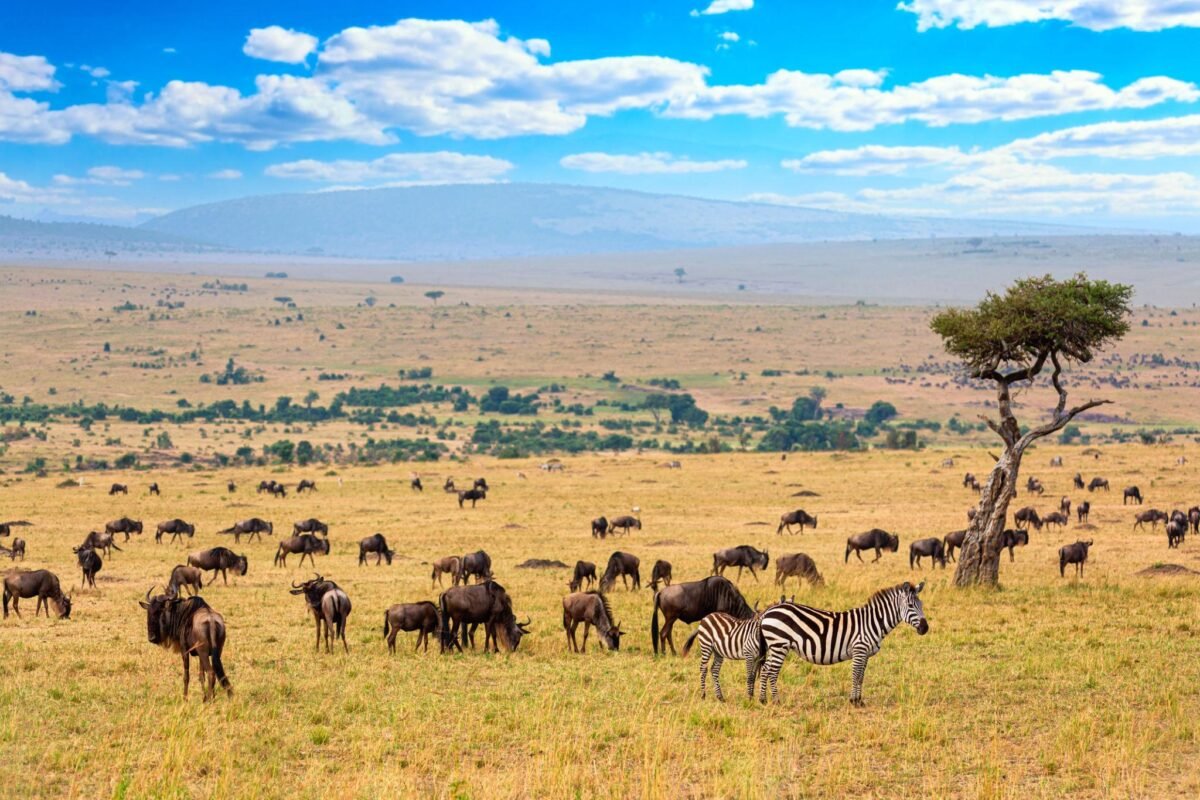
Masai Mara National Reserve is one of Africa’s most famous wildlife destinations. Located in southwestern Kenya, it offers unforgettable safaris, beautiful landscapes, and incredible wildlife encounters.
The reserve is especially famous for the Great Wildebeest Migration. Every year, large herds of wildebeest and zebras move between Kenya and Tanzania in search of fresh grass.
However, Masai Mara National Reserve offers much more than the migration. Visitors can enjoy thrilling game drives, hot-air balloon safaris, Maasai cultural experiences, and luxury wilderness stays.
At Zamunda Travels Uganda Ltd, we organize private Kenya safaris for travelers seeking authentic African adventures. Our customized itineraries help visitors explore the Masai Mara comfortably while discovering its remarkable wildlife.
This complete guide covers everything you need to know before visiting Masai Mara National Reserve.
Where Is Masai Mara National Reserve Located?
Masai Mara National Reserve lies in Narok County, southwestern Kenya. It borders Tanzania’s Serengeti National Park and forms part of the larger Serengeti-Mara ecosystem.
The reserve covers approximately 1,510 square kilometers. Its landscape features rolling grasslands, scattered acacia trees, river valleys, and open savannah plains.
Additionally, the Mara River and Talek River provide important water sources for wildlife throughout the year.
The reserve is approximately five to seven hours from Nairobi by road. However, travel time depends on road conditions, traffic, and your chosen accommodation.
Visitors can also reach the Masai Mara by domestic safari flights from Nairobi.
Zamunda Travels organizes both road safaris and fly-in adventures. Therefore, travelers can choose the transport option that best suits their interests and budget.
Why Is Masai Mara National Reserve Famous?
Masai Mara National Reserve is internationally recognized for its outstanding wildlife viewing opportunities.
The reserve supports large populations of lions, elephants, buffaloes, giraffes, zebras, and many other animals. Additionally, it is one of Africa’s most celebrated destinations for big-cat photography.
Its open grasslands make spotting wildlife easier than in many heavily forested parks.
The Great Wildebeest Migration
The Great Wildebeest Migration is one of the world’s most remarkable natural wildlife events.
During the migration, huge herds move across the Serengeti-Mara ecosystem following seasonal rainfall and fresh grazing areas.
Between July and October, many migrating animals usually reach the Kenyan Masai Mara. However, their arrival varies each year.
The most dramatic moments often occur around the Mara River. Here, wildebeest and zebras may cross dangerous waters containing Nile crocodiles.
Meanwhile, lions, hyenas, and other predators take advantage of the seasonal abundance of prey.
Because wildlife movements remain unpredictable, river crossings cannot be guaranteed.
Zamunda Travels recommends spending several days in the Mara during migration season. This increases your opportunities to observe different wildlife activities.
Wildlife in Masai Mara National Reserve
Masai Mara National Reserve provides excellent wildlife viewing throughout the year.
Although migration season attracts many visitors, resident wildlife remains active during other months.
The Big Five Animals
The Masai Mara is home to all five members of Africa’s famous Big Five.
- Lion: Commonly seen resting, hunting, or moving across open grasslands.
- Leopard: Often found around riverine forests and wooded habitats.
- Elephant: Seen feeding in grasslands and near water sources.
- African buffalo: Frequently observed in large grazing herds.
- Black rhinoceros: Rare and difficult to spot because of its small population.
Lions are particularly popular among safari visitors. The reserve is also famous for its cheetahs, which hunt across the open plains.
Other Animals in Masai Mara
Apart from the Big Five, visitors may encounter giraffes, hippos, crocodiles, hyenas, jackals, and antelopes.
Topis, hartebeests, impalas, gazelles, and warthogs are also common across suitable habitats.
Meanwhile, the Mara River supports hippos and crocodiles throughout the year.
Birdwatching in Masai Mara
The wider Mara ecosystem supports hundreds of bird species, making it an excellent birdwatching destination.
Visitors may observe secretary birds, crowned cranes, vultures, eagles, and colorful bee-eaters.
Additionally, seasonal migrant birds provide exciting opportunities for dedicated birdwatchers.
Zamunda Travels can customize safari itineraries for wildlife photographers and birdwatching enthusiasts.
Best Time to Visit Masai Mara National Reserve
The best time to visit Masai Mara depends on your travel interests.
Fortunately, the reserve offers rewarding wildlife experiences throughout the year.
July to October: Great Migration Season
July to October is generally the most popular period for visiting the Masai Mara.
Large migrating herds may enter Kenya during these months. As a result, visitors have opportunities to witness impressive wildlife concentrations.
The relatively dry conditions also improve visibility across many grassland areas.
However, this is the busiest safari season. Accommodation prices are often higher, while popular wildlife viewing areas can become crowded.
Therefore, Zamunda Travels recommends booking accommodation and safari arrangements well in advance.
January to March: Excellent Wildlife Viewing
January to March often brings warmer conditions and relatively dry weather.
During this period, resident wildlife remains active across the reserve.
Furthermore, visitors may enjoy excellent big-cat sightings without the highest migration-season crowds.
This period suits photographers, families, and travelers seeking a relaxed safari experience.
April to May: Green Season
April and May usually experience Kenya’s long rains.
The landscapes become greener, creating beautiful scenery for photography.
Additionally, visitor numbers generally decrease, and some accommodations offer reduced rates.
However, heavy rainfall may make certain roads muddy and difficult to navigate.
November to December: Short Rains
November and December usually bring shorter, less predictable rainy periods.
During these months, the plains become greener, while resident animals remain present.
Birdwatchers may also enjoy additional migratory species.
Therefore, this season can suit travelers who prefer greener landscapes and fewer visitors.
Best Things to Do in Masai Mara National Reserve
Masai Mara offers several activities beyond traditional wildlife viewing.
From exciting game drives to cultural experiences, every safari offers something memorable.
Game Drives in Masai Mara
Game drives are the main activity in Masai Mara National Reserve.
Visitors explore the savannah using safari vehicles while searching for wildlife in its natural habitat.
Morning game drives are especially rewarding because many animals become active during cooler hours.
Similarly, late-afternoon drives offer beautiful lighting and excellent photography opportunities.
Zamunda Travels organizes private game drives using suitable safari vehicles and experienced guides.
Hot-Air Balloon Safari
A hot-air balloon safari offers a spectacular aerial view of the Masai Mara.
Flights usually begin around sunrise, allowing visitors to observe the landscape from above.
From the balloon, travelers may see grazing herbivores, winding rivers, and endless savannah plains.
Most flights last approximately one hour, depending on weather conditions.
After landing, many balloon safari packages include a special bush breakfast.
Zamunda Travels can arrange balloon safaris as an optional addition to your Kenya safari package.
Maasai Cultural Experiences
The Maasai people have lived within the greater Mara region for generations.
Visiting a Maasai community offers opportunities to learn about local traditions and daily life.
Travelers may discover traditional homesteads, beadwork, livestock practices, and cultural customs.
However, cultural visits should respect local communities and their privacy.
Zamunda Travels encourages responsible cultural tourism that benefits participating communities.
Wildlife Photography
Masai Mara is one of Africa’s outstanding wildlife photography destinations.
Its grasslands create beautiful backgrounds for photographing lions, cheetahs, elephants, and other wildlife.
Early morning and late afternoon provide particularly attractive natural light.
For dedicated photographers, Zamunda Travels can organize longer game drives and flexible safari schedules.
Masai Mara National Reserve Entrance Fees
Understanding park fees helps travelers plan their safari budgets.
Masai Mara National Reserve charges entrance fees based on visitor category, age, and season.
For 2026, the published non-resident visitor rates are:
| Visitor category | January–June | July–December |
|---|---|---|
| Adult, 18 years and above | USD 100 per day | USD 200 per day |
| Child, 9–17 years | USD 50 per day | USD 50 per day |
| Child, 8 years and below | Free | Free |
These rates apply to international non-resident visitors. Kenyan citizens and qualifying residents have different rates.
Reserve entry tickets generally cover the daytime period from 6:00 AM to 6:00 PM. Vehicle charges and certain activities cost extra.
Additionally, nearby private conservancies may charge separate conservation fees.
Important: Park fees and regulations may change. Zamunda Travels confirms applicable charges before finalizing each safari quotation.
How Much Does a Masai Mara Safari Cost?
The cost of visiting Masai Mara depends on your travel season, accommodation, transport, and safari duration.
Budget travelers can choose simpler tented camps and shared arrangements.
Meanwhile, midrange travelers often prefer comfortable lodges and private safari vehicles.
Luxury travelers can enjoy exclusive camps, personalized services, and fly-in safaris.
As a general planning guide, safari packages may range from approximately USD 200 to over USD 1,000 per person daily.
However, actual prices vary considerably. Premium lodges, private transport, park fees, and special activities can increase the total.
For example, balloon safaris often cost several hundred dollars per person.
Zamunda Travels provides customized quotations based on your travel dates, group size, and accommodation preferences.
Where to Stay in Masai Mara National Reserve
Masai Mara offers accommodation for different budgets and travel styles.
Visitors can choose luxury lodges, comfortable tented camps, or more affordable accommodations outside the reserve.
Luxury Safari Lodges
Luxury safari lodges provide comfortable rooms, beautiful settings, and personalized hospitality.
Popular options include Mara Serena Safari Lodge, Angama Mara, and Governors’ Camp.
Some properties overlook wildlife-rich plains, rivers, or scenic escarpments.
However, their locations and services differ, so careful selection is important.
Midrange Safari Camps
Midrange accommodations offer comfort without the highest luxury prices.
Depending on availability, options may include Mara Sopa Lodge and selected tented camps around the reserve.
Many provide meals, comfortable rooms, and convenient access to wildlife areas.
Budget Accommodation
Budget safari camps offer more affordable access to the Masai Mara.
Several are located near the reserve’s main entry gates.
However, travelers should consider travel distances and additional park entrance costs before booking.
Zamunda Travels helps guests select accommodation that matches their preferred safari experience.
How to Get to Masai Mara National Reserve
Most international travelers begin their Kenya safari in Nairobi.
From there, visitors can reach Masai Mara by road or domestic flight.
Traveling by Road
The road journey usually takes around five to seven hours, depending on your destination.
Travelers pass through sections of the Great Rift Valley and Narok County.
A road safari is often more economical, especially for small private groups.
Additionally, it allows travelers to enjoy the changing Kenyan countryside.
Traveling by Air
Scheduled safari flights operate between Nairobi’s Wilson Airport and airstrips serving the Mara.
Flights generally take around 45 to 60 minutes.
However, transfers from the airstrip to your accommodation require additional time.
Flying is particularly convenient for visitors with shorter holidays.
Zamunda Travels can arrange airport pickups, safari transfers, and complete Kenya travel logistics.
Masai Mara National Reserve vs Private Conservancies
The main reserve and neighboring conservancies offer different safari experiences.
Masai Mara National Reserve is particularly popular for extensive game drives and seasonal migration viewing.
Meanwhile, nearby conservancies often provide quieter wildlife experiences and more exclusive accommodation.
Some conservancies permit guided walking safaris, controlled off-road viewing, and night drives.
However, these activities are subject to each conservancy’s rules.
Importantly, staying in a conservancy does not automatically include entrance into the main reserve.
Zamunda Travels can combine the reserve with suitable conservancies for a more varied safari experience.
How Many Days Do You Need in Masai Mara?
A three-day Masai Mara safari is a popular introduction to Kenya’s wildlife.
However, longer safaris allow more time for wildlife viewing and photography.
Three days: Ideal for first-time visitors with limited travel time.
Four to five days: Suitable for relaxed game drives, photography, and migration-focused safaris.
Six days or longer: Excellent for exploring multiple wildlife areas and combining the reserve with conservancies.
For migration enthusiasts, Zamunda Travels recommends at least four days where possible.
However, no safari duration can guarantee a Mara River crossing.
Essential Masai Mara Safari Travel Tips
Good preparation makes your Masai Mara safari more comfortable and enjoyable.
First, pack lightweight clothing in natural colors. Also, bring a warm jacket for cool morning game drives.
Carry sunscreen, insect repellent, binoculars, comfortable shoes, and a camera.
Additionally, keep important travel documents accessible throughout your journey.
International visitors should check Kenya’s current entry requirements before traveling. Many travelers need an approved electronic travel authorization.
Travelers should also consult qualified medical professionals about malaria prevention and recommended vaccinations.
During game drives, always follow your guide’s instructions. Never feed wildlife or leave your vehicle without permission.
Furthermore, respect park rules and avoid disturbing animals for photographs.
Zamunda Travels encourages responsible tourism that protects wildlife and supports local communities.
Combine Masai Mara with Other East African Destinations
Masai Mara is an excellent starting point for a longer East African safari.
Visitors can combine the reserve with Amboseli National Park, Lake Nakuru, or other Kenyan wildlife destinations.
Additionally, a Kenya and Tanzania safari can include Serengeti National Park and Ngorongoro Crater.
Travelers interested in primates can extend their adventure to Uganda or Rwanda for mountain gorilla trekking.
For example, a combined safari may include Masai Mara wildlife viewing, Serengeti game drives, and Uganda gorilla trekking.
Zamunda Travels specializes in customized East African safaris across Kenya, Tanzania, Uganda, and Rwanda.
Therefore, visitors can experience different landscapes, wildlife species, and cultures within one carefully planned journey.
Book Your Masai Mara Safari with Zamunda Travels
Exploring Masai Mara National Reserve is an unforgettable African wildlife experience.
From watching lions on the savannah to witnessing the Great Wildebeest Migration, every day brings new discoveries.
At Zamunda Travels Uganda Ltd, we create personalized Kenya safari holidays for couples, families, photographers, and private groups.
Our safari services include itinerary planning, accommodation arrangements, transport, game drives, and optional balloon experiences.
Whether you prefer a luxury safari or an affordable wildlife adventure, we can help plan your journey.
Start planning your Masai Mara safari today.
Zamunda Travels Uganda Ltd – Beyond Expeditions
Website: www.zamundatravels.com
Email: info@zamundatravels.com
WhatsApp: +256 704 705 606
Frequently Asked Questions About Masai Mara National Reserve
What is Masai Mara National Reserve famous for?
Masai Mara is famous for the Great Wildebeest Migration, outstanding big-cat sightings, and beautiful African savannah landscapes. It also offers excellent year-round wildlife viewing.
What is the best month to visit Masai Mara?
August and September are popular months for migration viewing. However, January to March also offers excellent wildlife encounters with fewer peak-season crowds.
How many days are enough for a Masai Mara safari?
Three days provide a good introduction to the reserve. However, four to five days are better for relaxed exploration and additional wildlife photography opportunities.
How much is the entrance fee for Masai Mara National Reserve?
In 2026, non-resident adults pay USD 100 daily from January to June. The fee increases to USD 200 daily from July to December. Always confirm current fees before visiting.
Can I see the Big Five in Masai Mara National Reserve?
Yes, the reserve supports all Big Five species. However, black rhinos are rare, and seeing every species on one safari is not guaranteed.