
How Many Nights in the Masai Mara: Two, Three or Four?
October 29, 2026
Private vs Shared Safari in Kenya
October 29, 2026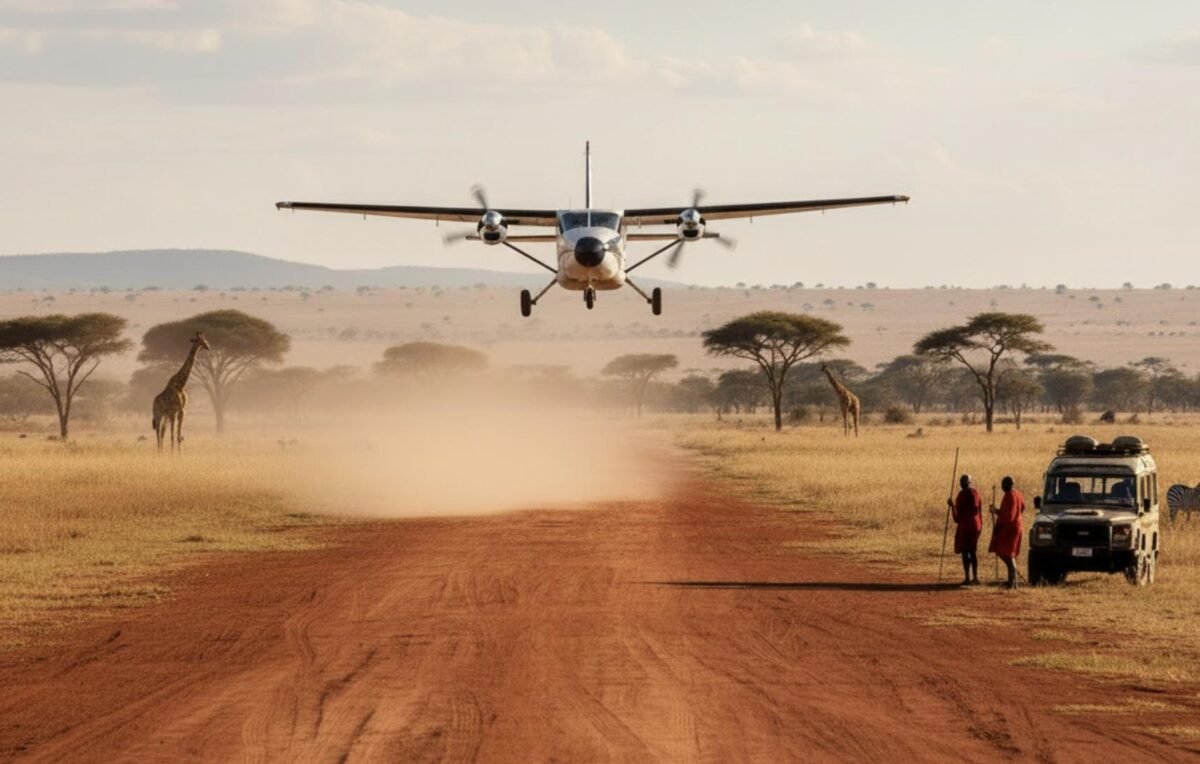
Planning a safari in Kenya involves more than choosing a lodge and booking game drives. You must also decide how to reach the Masai Mara from Nairobi.
A Masai Mara fly-in safari saves travel time and reduces long road journeys. However, a road safari often costs less, especially for couples, families and small groups.
Both options offer excellent wildlife viewing. Therefore, your decision should depend on your budget, available days, comfort and preferred safari experience.
At Zamunda Travels, we help travellers compare transport options before planning their Kenya safari. This guide explains the costs, travel times and practical differences.
Quick answer: A road safari from Nairobi to the Masai Mara usually takes five to seven hours each way. A scheduled flight takes approximately 45–60 minutes from Wilson Airport. Flying saves time but usually costs more. Driving offers better value for groups, while flying suits short safaris and travellers who prefer comfort.
These are typical 2026 planning times. Actual journeys depend on the lodge, route, weather and flight schedule.
The Masai Mara has several access gates and airstrips. Therefore, two travellers visiting different camps may have very different transfer times.
Our recommendation at Zamunda Travels is to select your accommodation before confirming transport. This helps avoid unnecessary transfers and additional costs.
The road figure is a hypothetical transport allocation, not a verified current vehicle tariff. Neither example includes accommodation, reserve fees or game-drive costs.
As a result, the full fly-in safari may cost considerably more than this simple comparison suggests.
Rates change, so confirm current prices with Zamunda Travels.
If you are unsure which option fits your budget, request both quotations. We can compare the full safari arrangements rather than transport alone.
Masai Mara Fly-In Safari vs Road Safari: Quick Comparison
Both transport options take you to the same wildlife destination. However, they offer different travel experiences.| Feature | Fly-in safari | Road safari |
|---|---|---|
| Main journey | 45–60-minute flight | 5–7-hour drive |
| Starting point | Nairobi Wilson Airport | Nairobi hotel or airport |
| Transport cost | Usually higher | Usually lower |
| Game-drive vehicle | Camp vehicle or separately arranged 4×4 | Often the same safari vehicle |
| Luggage | Usually 15 kg in soft bags | More flexible |
| Comfort | Less road travel | Longer journey, some rough roads |
| Flexibility | Fixed flight schedules | Flexible departure and stops |
| Best for | Short stays and luxury trips | Families, groups and budget-conscious travellers |
How Long Does It Take to Drive from Nairobi to Masai Mara?
A road safari usually starts in Nairobi and follows the route towards Narok. Along the way, travellers pass through parts of Kenya’s Great Rift Valley. The journey also offers views of rural communities, farms and changing landscapes. For most itineraries, allow approximately five to seven hours. However, some camps require longer journeys because of their location.What affects driving time?
Several factors influence your arrival.-
Nairobi traffic, especially during busy morning hours.
-
Road conditions after heavy rainfall.
-
The location of your safari lodge.
-
Stops for photographs, meals and refreshments.
-
The final approach to the reserve or conservancy.
Is the road journey comfortable?
Comfort depends on the vehicle and road conditions. A private 4×4 Land Cruiser generally provides a suitable safari experience. However, passengers may still encounter dust, bumps and uneven surfaces. Travellers with back problems should discuss their needs before booking. At Zamunda Travels, we recommend planning enough time for breaks. This makes the journey more comfortable, especially for older travellers and families.How Does a Masai Mara Fly-In Safari Work?
A fly-in safari normally begins at Wilson Airport in Nairobi. Travellers board a scheduled light aircraft to an airstrip serving their lodge or camp. The flight usually takes around 45–60 minutes, although some routes include additional stops. Common Mara airstrips include Keekorok, Ol Kiombo, Musiara and Kichwa Tembo. After landing, a safari vehicle collects guests for the final transfer. Depending on the camp, this journey may include wildlife viewing.Flying does not eliminate all transfer time
A short flight does not mean the entire journey takes one hour. First, you must travel to Wilson Airport. Next, you need time for check-in and boarding. After landing, your camp may be another short drive away. Therefore, compare total door-to-door travel time rather than flight duration alone.For exa44mple, AirKenya advises passengers to arrive at Wilson Airport approximately 60–90 minutes before departure.
Which airlines fly to the Masai Mara?
Established operators include Safarilink and AirKenya. Schedules vary by season and airstrip. Therefore, confirm the exact destination before paying for flights. Our guides at Zamunda Travels recommend matching the airstrip to the booked lodge. This can save unnecessary driving after landing.Masai Mara Fly-In Safari Costs vs Road Safari Costs
Transport prices depend on the travel season, group size and booking arrangements. A flight normally costs money for each passenger. In contrast, a private road vehicle often has one shared transport cost. This difference becomes important when travelling with several people.How much does a flight from Nairobi to Masai Mara cost?
Published 2026 route information indicates that scheduled flights commonly cost around USD 200–300 per person, one way. Actual fares vary by airline, taxes, availability and travel dates. A return journey may therefore represent a substantial part of your safari budget. Additional charges may include airport transfers, camp transfers and private game-drive vehicles. Some luxury camps include local transport in their accommodation packages. However, others charge separately. Always request a complete quotation rather than comparing flight tickets alone.How much does a road safari cost?
Road transport pricing works differently. A private safari vehicle may serve the same group throughout the journey. Therefore, the cost can be shared between passengers. For example, a couple travelling privately pays more per person than a group sharing the same vehicle. The final package also includes fuel, guide services, accommodation and other safari arrangements. There is no single road safari price that applies to every traveller.Example: Comparing transport budgets for two travellers
The following is a calculation example, not a confirmed Zamunda Travels package quotation.| Expense | Fly-in option | Road option |
|---|---|---|
| Return transport | USD 500 per person, illustrative | USD 600 per vehicle, illustrative |
| Two travellers | USD 1,000 | USD 600 |
| Difference | USD 400 more | USD 400 less |
Which Safari Option Gives You More Time for Wildlife?
The biggest advantage of flying is the time saved. On a three-day safari, spending most of the first and final days travelling reduces your available game-viewing time. However, flying may allow you to reach the camp earlier and enjoy an afternoon activity.Example 1: Three-day road safari
Day 1: Depart Nairobi in the morning. Travel through the Great Rift Valley and Narok. Arrive at your camp and enjoy an evening game drive if time permits. Day 2: Enjoy a full-day game drive with a picnic lunch. Search for lions, elephants, giraffes, buffaloes and other wildlife. Day 3: Have breakfast and return to Nairobi by road. This itinerary suits travellers seeking value. However, it includes two substantial travel days.Example 2: Three-day fly-in safari
Day 1: Transfer to Wilson Airport and fly to the Mara. Meet your camp guide and enjoy an afternoon game drive, subject to arrival time. Day 2: Spend the day exploring the reserve or conservancy. Your guide will plan activities according to wildlife movements and local rules. Day 3: Enjoy an optional morning activity if your departure schedule allows. Transfer to the airstrip and fly to Nairobi. This arrangement generally offers more time for wildlife viewing. However, early departures, flight delays and airstrip routing can change the schedule.Is Flying or Driving Better During the Great Migration?
The Great Migration attracts travellers hoping to see large wildebeest and zebra herds. Many visitors plan their Mara safari between July and October. However, wildlife movements depend on rainfall and grazing conditions. River crossings cannot be guaranteed on a particular date. During the busy season, flights, accommodation and safari vehicles may become expensive. Therefore, booking early is important for both fly-in and road safaris.Seasonal planning considerations
January to March often offers rewarding wildlife viewing and relatively dry conditions. April and May can bring substantial rainfall. Consequently, some roads become muddy, and journey times may increase. June to October is generally popular for wildlife safaris. However, availability and prices vary considerably. November and December can also offer excellent game viewing, although rain remains possible. For travellers seeking migration photography, we recommend prioritising enough nights in the Mara. A longer stay provides more opportunities than relying on one particular game drive.Hidden Costs Travellers Should Check Before Booking
The cheapest advertised safari is not always the cheapest complete trip. Before booking, check what the operator includes.Reserve entry fees
Masai Mara National Reserve fees depend on residency, age and season. For 2026, published non-resident adult rates are USD 100 per day from January to June and USD 200 per day from July to December. Different rules and fees may apply in private conservancies. Also, reserve access rules can affect the number of payable entry periods. Therefore, confirm the applicable arrangements for your lodge and game drives. Rates change, so confirm current prices with Zamunda Travels.Game-drive vehicles and transfers
A road package may include a dedicated vehicle and driver-guide. However, a fly-in package may use shared camp vehicles. Private game drives sometimes cost extra. Therefore, ask whether your quotation includes shared or exclusive activities. Also, confirm airport transfers, airstrip transfers and any additional conservancy charges.Luggage allowances
Light aircraft have limited luggage capacity. Safarilink and AirKenya generally allow 15 kg per passenger on Mara flights, including hand luggage. Soft-sided bags are required. This matters for photographers carrying heavy camera equipment. Travellers with extra luggage should request approval before departure.Which Option Is Better for Families, Couples and Photographers?
Different travellers have different priorities. Families often benefit from a private road vehicle. They can carry more luggage and make stops when needed. Couples on short romantic holidays may prefer flying. It reduces time spent travelling between Nairobi and the Mara. Photographers should compare both options carefully. Flying saves time, but luggage limits may restrict equipment. Road transport offers more flexibility for cameras, lenses and support gear. Older travellers may appreciate shorter journeys. However, small aircraft, boarding arrangements and airstrip transfers also deserve consideration. At Zamunda Travels, we recommend choosing transport based on comfort, equipment and available time.Can You Fly One Way and Drive the Other?
Yes. Combining road and air travel can offer a useful compromise. For example, travellers can drive from Nairobi to the Mara and return by plane. This allows time to experience the Great Rift Valley without repeating the long road journey. Alternatively, flying into the Mara and driving out may suit a longer Kenya itinerary.Example 3: A combined Kenya safari
Day 1: Depart Nairobi by road and stop at a Great Rift Valley viewpoint. Continue to the Masai Mara. Day 2: Enjoy a full-day wildlife safari. Day 3: Take another game drive, subject to your package and reserve access arrangements. Day 4: Transfer to the airstrip and fly to Nairobi. However, mixed transport requires careful vehicle planning. A road vehicle may need to return separately. Therefore, one-way flying does not always reduce costs. Request a combined quotation before assuming this option is cheaper.Practical Tips Before Choosing Your Safari Transport
Good planning can prevent unnecessary expenses and delays. First, select your preferred lodge or camp. Then, confirm the most suitable road route or airstrip. Next, compare quotations that include the same accommodation, game drives and reserve fees. Also, allow enough time between international flights and domestic connections. Travellers arriving at Jomo Kenyatta International Airport must account for the transfer to Wilson Airport when using the usual scheduled Mara flights. Finally, pack according to your transport choice. Bring comfortable clothing, sun protection, drinking water and essential medication. For road journeys, consider a small day bag with snacks and personal items. For flights, keep essential documents and valuables accessible.Final Verdict: Fly or Drive to the Masai Mara?
Both options can deliver an excellent safari. Choose a Masai Mara fly-in safari if you have limited time, prefer shorter transfers or want to maximise wildlife activities. Choose a road safari if you prefer better value, flexible stops and a private vehicle throughout the journey. For longer holidays, combining flying and driving may provide a suitable balance. At Zamunda Travels, we organise personalised Kenya safaris based on your travel dates, budget and interests. Whether you prefer a private road safari or a fly-in holiday, we can help you compare the complete costs. Plan Your Masai Mara Safari with Zamunda Travels Website: www.zamundatravels.com Email: info@zamundatravels.com WhatsApp: +256 704 705 606 Contact us for a personalised Masai Mara safari quotation, including transport, accommodation, park fees and guided wildlife activities.Frequently Asked Questions About Masai Mara Safari Transport
Is it better to fly or drive to the Masai Mara?
Flying is better for travellers with limited time or those who prefer shorter journeys. Driving is usually better for families, groups and travellers managing a smaller budget. However, the best choice depends on your lodge location, available days and game-drive arrangements. Compare complete safari quotations before deciding.How much is a flight from Nairobi to Masai Mara?
Scheduled flights commonly cost approximately USD 200–300 per person one way, based on published 2026 planning information. However, prices depend on the airline, season, taxes and availability. Airport transfers and camp vehicles may cost extra. Rates change, so confirm current prices with Zamunda Travels.How long does it take to drive from Nairobi to Masai Mara?
The drive generally takes five to seven hours, depending on traffic, weather and your lodge location. Some remote camps require additional travel time. Most road safaris pass through Narok and sections of the Great Rift Valley. Therefore, an early departure from Nairobi is usually advisable.Which airport do you fly into for the Masai Mara?
Most scheduled safari flights depart from Nairobi’s Wilson Airport and land at airstrips within the wider Masai Mara ecosystem. Common destinations include Keekorok, Musiara and Ol Kiombo. Your lodge determines the most suitable airstrip. Therefore, confirm your accommodation before booking a domestic flight.What is the cheapest way to reach the Masai Mara?
A shared road safari is generally the cheapest option, especially when several travellers share transport expenses. Private road safaris can also offer good value for families. However, compare accommodation, reserve fees, vehicle arrangements and game drives. A cheap transfer alone does not guarantee the lowest total safari price.
Related posts
October 29, 2026
October 29, 2026