Night Walks in Kibale National Park
November 6, 2026
Kenya Safari from Belgium
November 6, 2026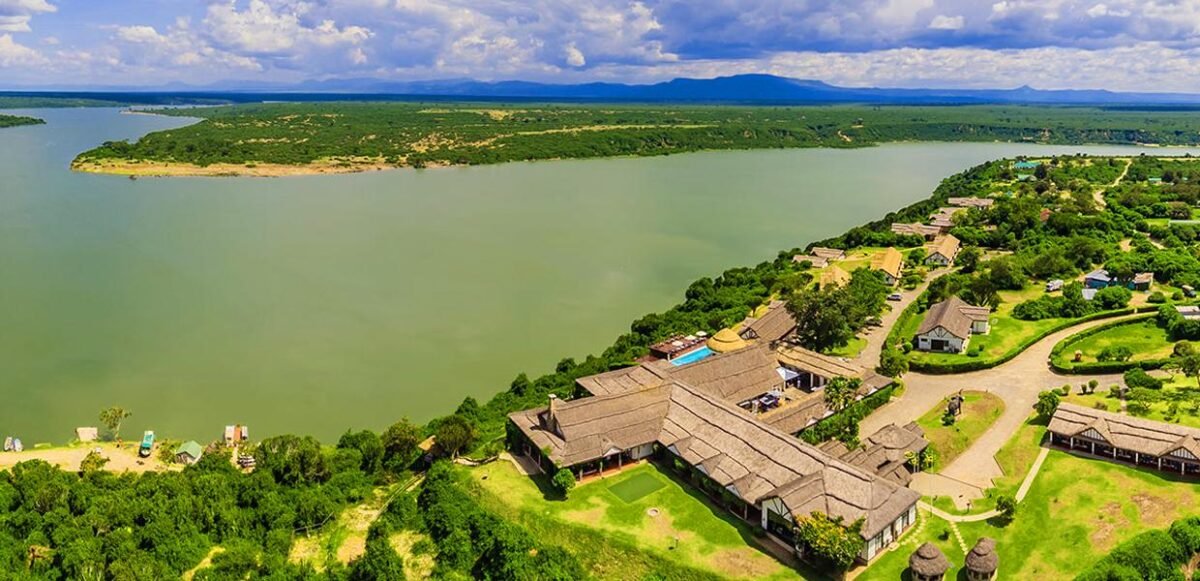
Why Queen Elizabeth National Park carries a British monarch’s name is an interesting part of Uganda’s conservation history. Located in western Uganda, the park is famous for its wildlife, scenic landscapes and the Kazinga Channel.
However, the name tells another story. It connects Uganda’s colonial past with a royal visit in 1954, several years before the country gained independence.
Today, Queen Elizabeth National Park remains one of Uganda’s leading safari destinations. Understanding its history adds another dimension to exploring its wildlife and surrounding communities.
Quick answer: Why is it called Queen Elizabeth National Park?
Queen Elizabeth National Park was named after Queen Elizabeth II of Britain in 1954. The name commemorated her official visit to Uganda that year. Originally established as Kazinga National Park in 1952, the protected area received its new name during British colonial rule. Uganda later gained independence in 1962.
Why Queen Elizabeth National Park Was Named After the Queen
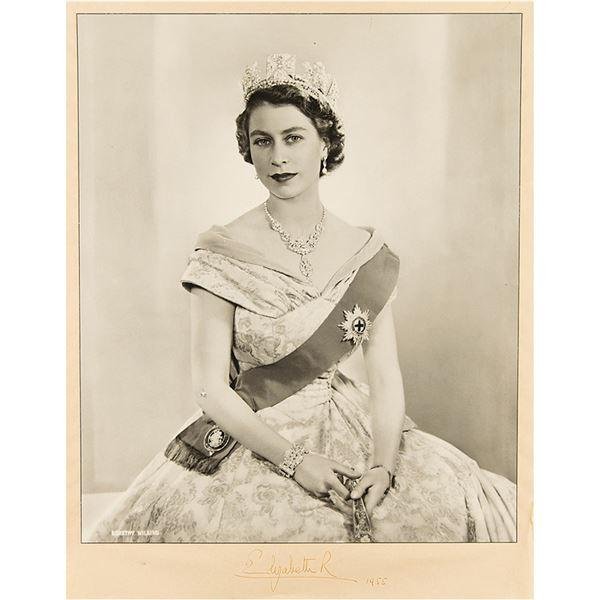
The park received its current name to honour Queen Elizabeth II’s visit to Uganda in 1954. At that time, Uganda was a British protectorate.
Queen Elizabeth II had become monarch in 1952. Her coronation followed in June 1953, attracting international attention across Britain and the Commonwealth.
Her visit to Uganda in April 1954 formed part of a wider Commonwealth tour. Consequently, colonial authorities commemorated the occasion by renaming Kazinga National Park.
The decision reflected the political relationship between Uganda and Britain during the colonial period. Royal names were sometimes attached to prominent institutions and geographical landmarks.
However, the park existed before the royal visit. Its establishment resulted from earlier wildlife conservation efforts around Lakes Edward and George.
According to the Uganda Wildlife Authority’s management plan, the name changed in 1954 following Queen Elizabeth II’s visit. Therefore, the royal connection concerns the park’s name rather than its original establishment.
Did Queen Elizabeth II actually visit the park?
Historical records confirm that Queen Elizabeth II visited Uganda in 1954. However, the official park documents reviewed do not establish that she personally entered the national park.
This distinction matters because some accounts confuse visiting Uganda with visiting the protected area itself.
The documented reason for the renaming was her visit to the country. Therefore, visitors should not assume that the Queen toured the park’s present safari routes.
The History of Queen Elizabeth National Park Before 1954
The history of Queen Elizabeth National Park began long before it received its royal name.
The landscape supported wildlife and local communities for generations. Its grasslands, lakes and wetlands also provided important resources for fishing and livestock keeping.
During the colonial period, authorities introduced formal wildlife reserves around Lakes George and Edward.
Lake George Game Reserve was established in 1925. Lake Edward Game Reserve followed in 1930.
These protected areas later contributed to the creation of Kazinga National Park in 1952.
The name Kazinga came from the channel connecting Lake George and Lake Edward. Today, that waterway remains one of the park’s most popular attractions.
The Uganda Wildlife Authority records this early conservation history in its management plan.
When was Queen Elizabeth National Park established?
Queen Elizabeth National Park was originally established in 1952 under the name Kazinga National Park.
However, its current name dates to 1954.
The difference explains why visitors sometimes encounter two establishment dates in travel guides.
The park’s history can be summarised through several important milestones:
-
1925: Establishment of Lake George Game Reserve.
-
1930: Establishment of Lake Edward Game Reserve.
-
1952: Creation of Kazinga National Park.
-
1954: Renaming to Queen Elizabeth National Park.
-
1962: Uganda gains independence from Britain.
-
1979: The area receives UNESCO biosphere reserve recognition.
The distinction between 1952 and 1954 is especially useful when researching the park’s history.
Why Queen Elizabeth National Park Was Once Called Rwenzori National Park
The park’s name changed again during Uganda’s post-independence history.
During the 1970s, under President Idi Amin, the park became known as Rwenzori National Park.
The name referenced the Rwenzori Mountains, which rise north of the park.
Historical publications from the 1970s and early 1980s used the Rwenzori name.
However, the park eventually returned to its earlier name, Queen Elizabeth National Park.
The precise legal dates of these later naming changes are not consistently established in the sources reviewed.
Today, visitors should distinguish Queen Elizabeth National Park from Rwenzori Mountains National Park. They are separate protected areas with different attractions.
What does the name mean to Uganda today?
The royal name represents one part of the park’s history. However, its conservation story also includes local communities and changing approaches to land management.
The Basongora and other communities have longstanding connections to this landscape.
Colonial conservation policies affected traditional grazing, settlement and access to natural resources. Some communities experienced displacement and restrictions on their livelihoods.
Today, fishing settlements and neighbouring communities remain important to the park’s social and cultural landscape.
Understanding this history helps visitors appreciate the relationship between conservation and community livelihoods.
It also encourages more respectful tourism and informed discussions about Uganda’s heritage.
Where Is Queen Elizabeth National Park Located?
Queen Elizabeth National Park lies in western Uganda, within the Albertine Rift Valley.
It covers approximately 1,978 square kilometres, making it Uganda’s second-largest national park after Murchison Falls National Park.
The park extends between Lake George and Lake Edward. The Kazinga Channel connects these two lakes and forms an important wildlife habitat.
Its landscapes include open savannah, tropical forests, wetlands, volcanic craters and lakeshores.
Additionally, the Rwenzori Mountains provide a dramatic backdrop to parts of the northern park.
The park spans areas of Kasese, Rubirizi, Rukungiri and Kamwenge districts. Its different sectors offer distinct wildlife experiences.
How far is Queen Elizabeth National Park from Kampala?
The park lies roughly 400–420 kilometres from Kampala, depending on the route and destination within the park.
Driving generally takes seven to nine hours. However, road conditions, traffic and sightseeing stops can affect the journey.
Visitors can also reach the park from Fort Portal, Kasese, Kabale and other western Uganda destinations.
For travellers coming from Bwindi Impenetrable National Park, the southern Ishasha sector offers a convenient connection.
Our guides at Zamunda Travels recommend planning routes around the specific park activities you want to enjoy.
For example, visitors interested in tree-climbing lions should allow time for Ishasha rather than concentrating only on Mweya.
What Is Queen Elizabeth National Park Famous For?
Although its name reflects colonial history, Queen Elizabeth National Park is best known for its wildlife diversity.
Its combination of savannah, forests and wetlands creates habitats for numerous animal and bird species.
According to the Uganda Wildlife Authority, the park supports approximately 95 mammal species and more than 600 bird species.
Tree-climbing lions in Ishasha
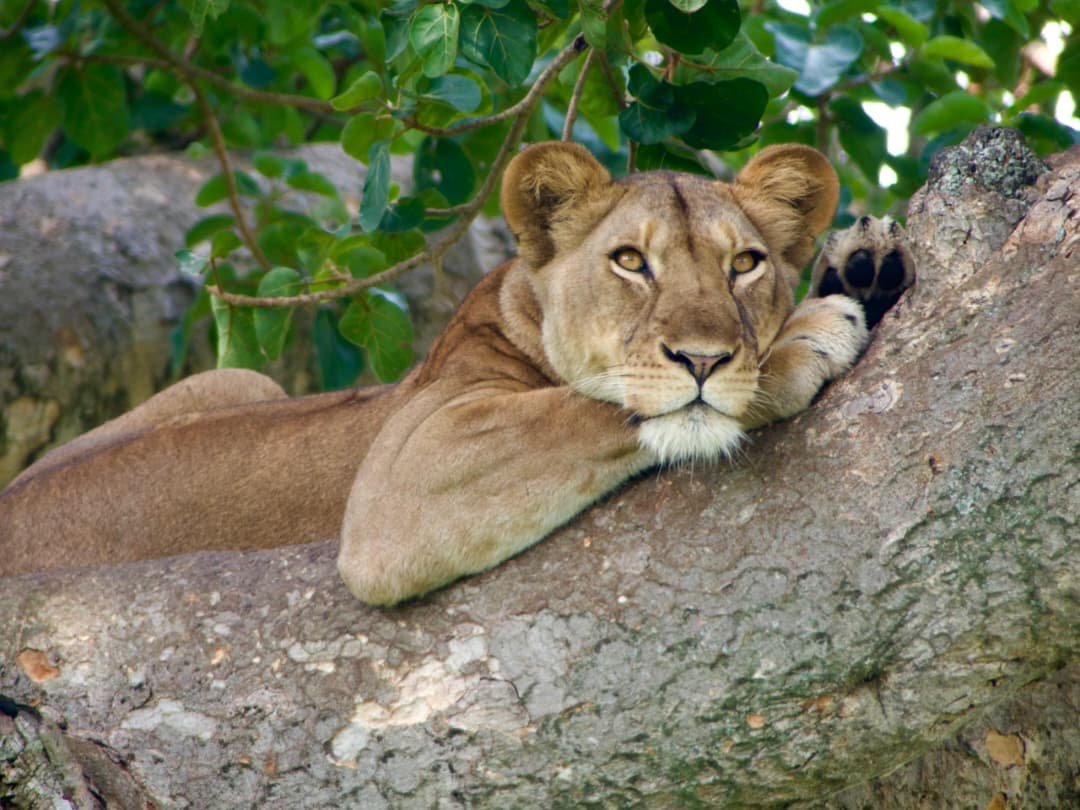
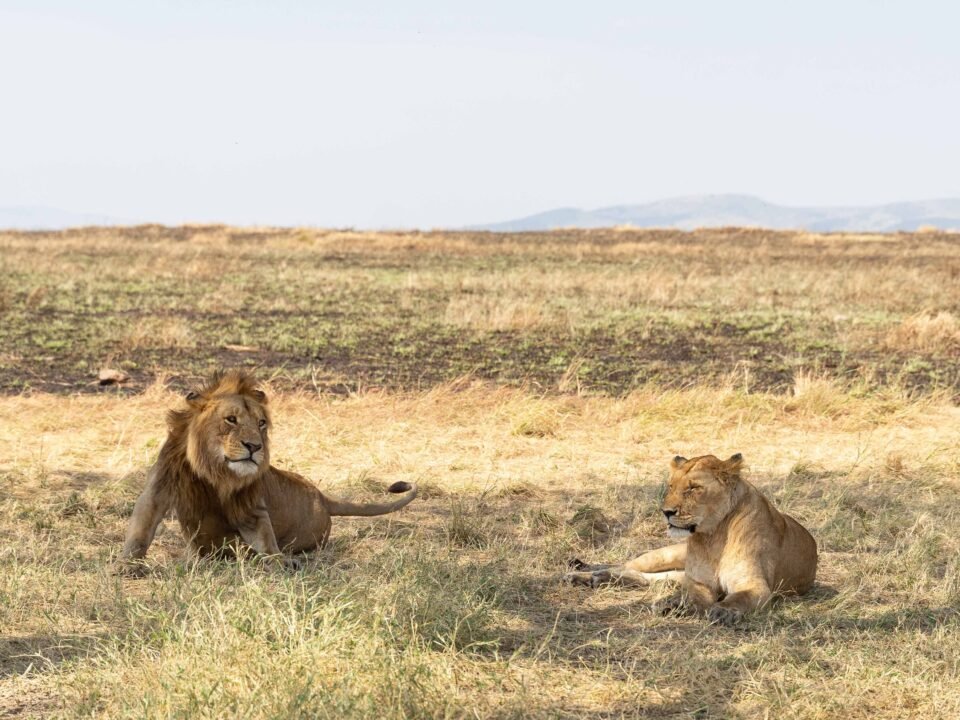
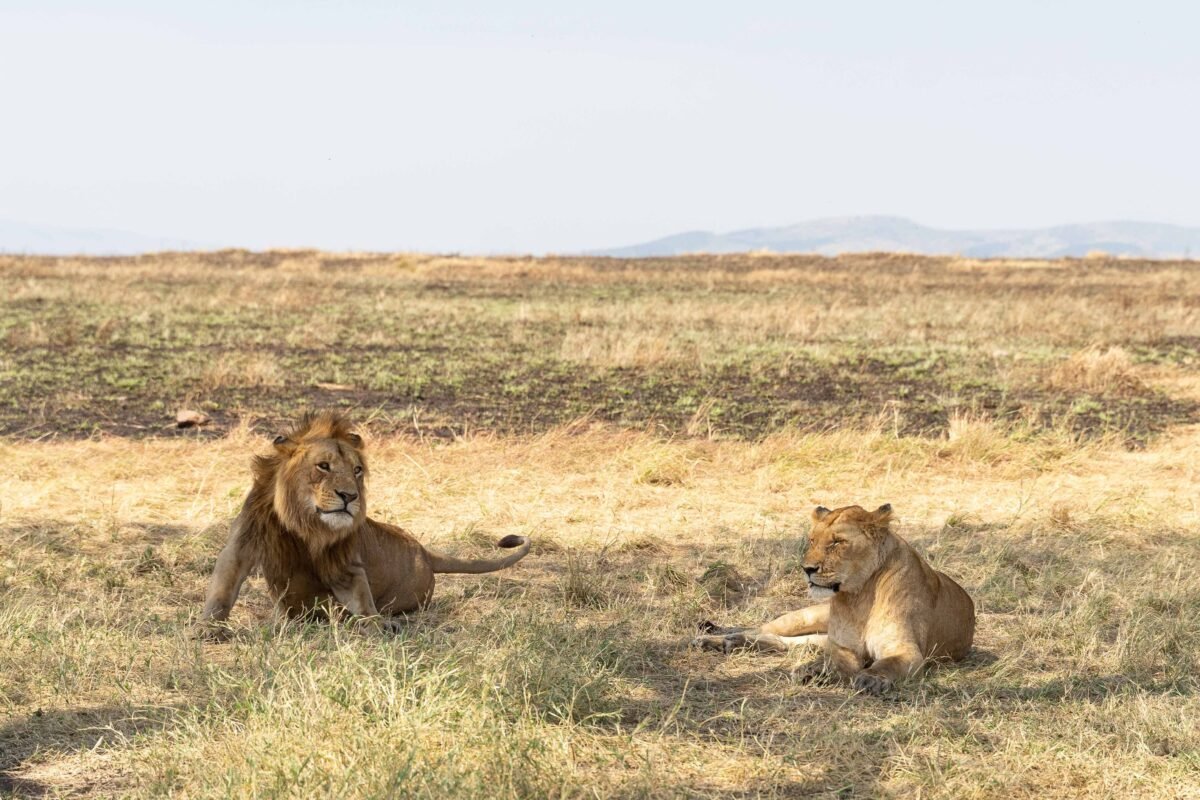
The Ishasha sector is particularly famous for its tree-climbing lions.
Visitors sometimes observe lions resting on branches of large fig trees.
Although lions elsewhere occasionally climb trees, Ishasha is among the best-known places for observing this behaviour.
However, sightings are never guaranteed.
Morning and afternoon game drives provide opportunities to search for lions and other wildlife.
Boat cruises along the Kazinga Channel
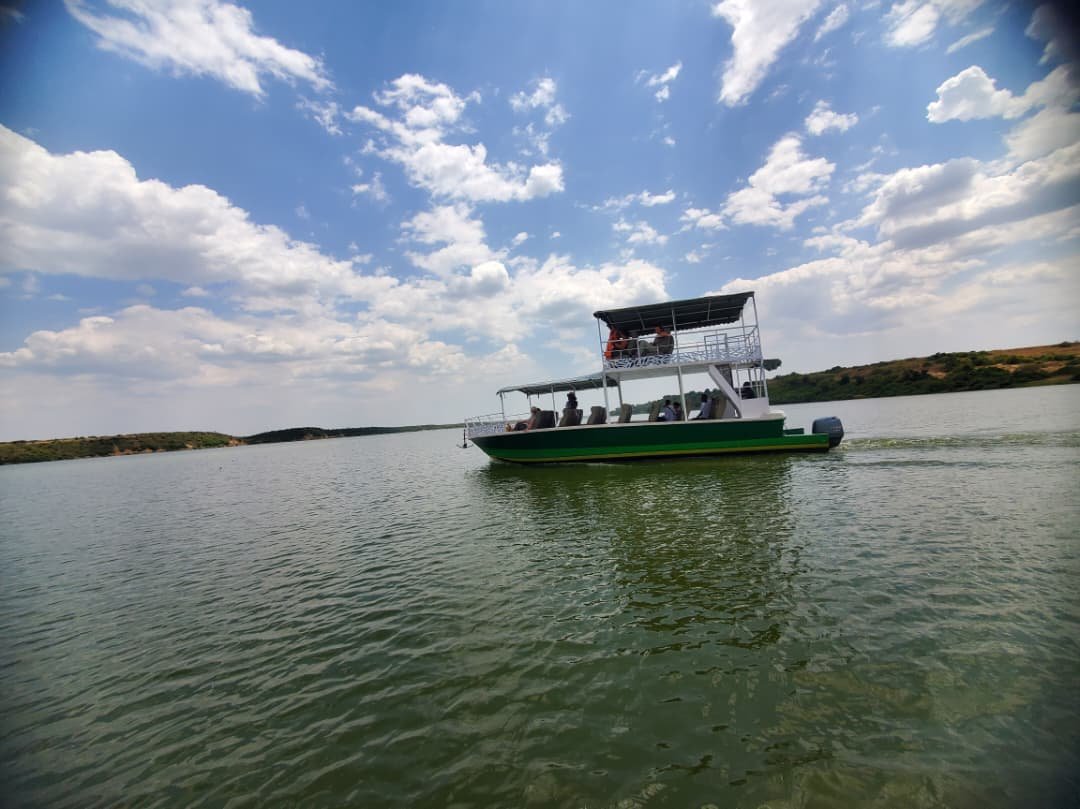
The Kazinga Channel remains one of the park’s most rewarding wildlife attractions.
This natural waterway connects Lake George with Lake Edward.
During a boat cruise, visitors can observe hippos, crocodiles and numerous waterbirds.
Elephants, buffaloes and antelopes may also approach the banks to drink.
A typical scheduled boat excursion lasts approximately two hours.
Interestingly, the channel also preserves the park’s original name, Kazinga.
Therefore, exploring this waterway offers a direct connection to the area’s earlier history.
Wildlife drives and chimpanzee tracking
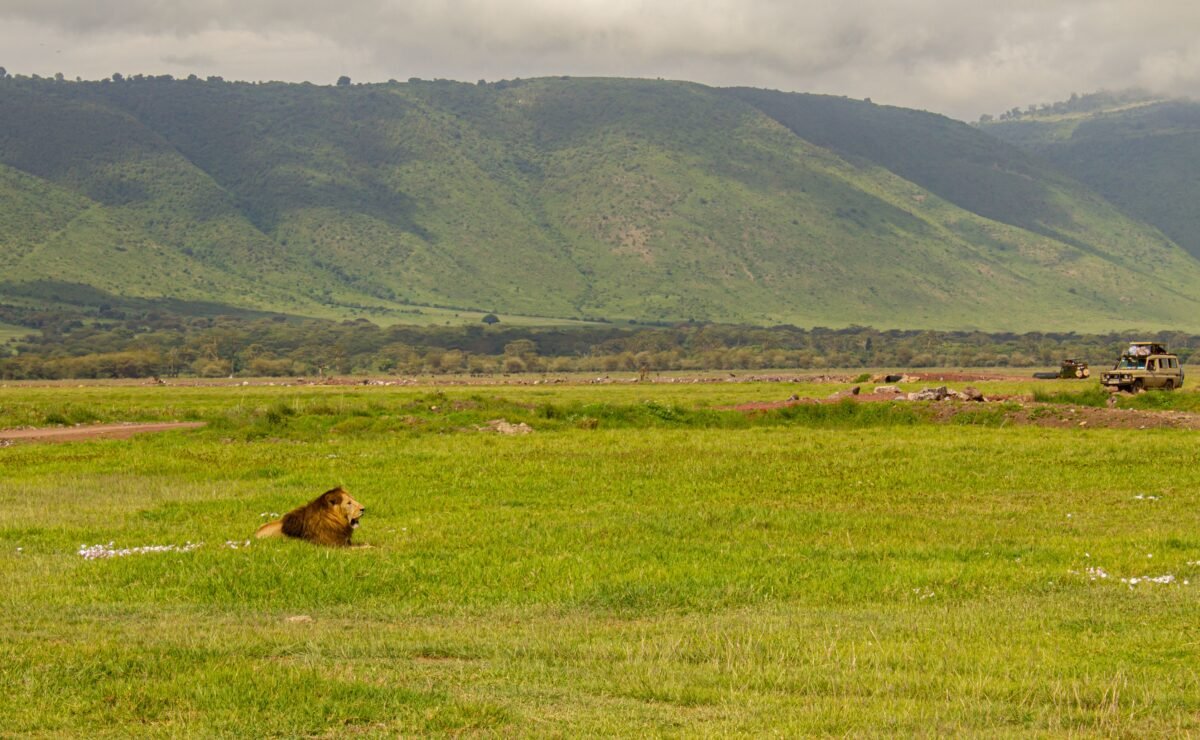
The Kasenyi plains are popular for game drives, particularly when searching for lions and Uganda kob.
Visitors may also encounter elephants, buffaloes, warthogs and other savannah animals.
Meanwhile, Kyambura Gorge provides opportunities for guided chimpanzee tracking.
The forested gorge contrasts sharply with the surrounding grasslands.
However, chimpanzee sightings depend on animal movements and conditions during the activity.
Best Time to Visit Queen Elizabeth National Park
Queen Elizabeth National Park welcomes visitors throughout the year.
However, seasonal rainfall can influence road conditions, wildlife movements and overall safari comfort.
The generally drier periods occur from June to August and December to February.
During these months, many tracks become easier to navigate. Animals may also gather around accessible water sources.
The wetter periods usually fall around March to May and September to November.
Rainfall can make some tracks muddy. However, the landscape becomes greener, and birdwatching can be particularly rewarding.
Because western Uganda experiences variable weather, these seasons are guidelines rather than guarantees.
Our guides at Zamunda Travels recommend choosing travel dates according to your interests.
For example, photographers may enjoy the green landscapes after rainfall. Meanwhile, visitors prioritising extensive game drives may prefer drier conditions.
Regardless of the season, pack suitable clothing and prepare for occasional rain.
How to Plan a Queen Elizabeth National Park Safari
A visit to Queen Elizabeth National Park can combine wildlife viewing with history, culture and scenic exploration.
Although a short visit is possible, two or three days allow a more comfortable experience.
Travellers can also combine the park with Kibale National Park, Bwindi Impenetrable National Park or Lake Bunyonyi.
The best itinerary depends on your arrival point, available time and preferred activities.
Example: Three-day Queen Elizabeth National Park safari
Day 1: Transfer to Queen Elizabeth National Park
Depart Kampala or Entebbe and travel towards western Uganda.
Along the way, enjoy countryside views and suitable refreshment stops.
Arrive near the park and check into your accommodation.
Depending on your arrival time, enjoy an evening game drive or relax before the following day’s activities.
Day 2: Game drive and Kazinga Channel boat cruise
Begin with an early morning game drive around the Kasenyi plains.
Look for lions, elephants, buffaloes and Uganda kob.
Later, return to your lodge for lunch and relaxation.
In the afternoon, enjoy a scheduled boat cruise along the Kazinga Channel.
The cruise provides excellent opportunities for observing hippos, crocodiles and waterbirds.
Day 3: Return journey
After breakfast, begin the return journey to Kampala or Entebbe.
Alternatively, continue towards Bwindi for gorilla trekking.
This combination works particularly well for visitors exploring southwestern Uganda.
Zamunda Travels can arrange a private itinerary based on your preferred accommodation, budget and travel dates.
How Much Does a Queen Elizabeth National Park Safari Cost?
The cost of visiting Queen Elizabeth National Park depends on several factors.
These include accommodation, transport, park entrance fees, guiding services and optional activities.
A private safari generally costs more per person for a solo traveller than for a group sharing a vehicle.
Additionally, lodge prices vary between budget, mid-range and luxury properties.
Example of a safari budget
When preparing your budget, consider the following expenses:
-
Park entrance fees: Charges depend on visitor category and applicable UWA rates.
-
Accommodation: Budget, mid-range and luxury lodges have different nightly rates.
-
Transport: A private safari vehicle, driver-guide and fuel affect the total cost.
-
Activities: Boat cruises, chimpanzee tracking and specialist experiences may carry separate charges.
-
Meals and personal expenses: Check which meals, drinks and additional services your package includes.
For a three-day safari, accommodation choices and the number of travellers often make the biggest difference.
Also, confirm whether the quotation includes park entrance, activities and transfers.
Rates change, so confirm current prices with Zamunda Travels.
Our team can prepare a detailed quotation that clearly separates included services from optional expenses.
Practical Tips for Visiting Queen Elizabeth National Park
Good preparation improves comfort and helps visitors enjoy the park responsibly.
First, plan game drives for early morning or late afternoon when wildlife activity can be favourable.
However, animal sightings remain unpredictable throughout the day.
Second, carry binoculars and a camera with a suitable zoom lens.
These are especially useful during boat cruises and birdwatching excursions.
Third, wear comfortable neutral-coloured clothing and bring a light rain jacket.
Temperatures can vary, particularly during early morning activities.
Also, carry drinking water, sunscreen, insect repellent and any personal medication.
Safety and health advice
Always follow the instructions of your safari guide and Uganda Wildlife Authority rangers.
Never leave your vehicle in wildlife areas unless your guide confirms that it is safe and permitted.
Keep a respectful distance from elephants, buffaloes, lions and other animals.
Furthermore, avoid feeding wildlife or approaching animals for photographs.
Travellers should discuss malaria prevention and other travel health requirements with a qualified healthcare professional before departure.
Finally, arrange suitable travel insurance and check current entry requirements for Uganda.
Common mistakes to avoid
Some visitors underestimate travel distances between different park sectors.
For example, Ishasha and Mweya require separate driving time. Therefore, they should not be treated as one small sightseeing area.
Others plan only one game drive and expect guaranteed lion sightings.
However, wildlife encounters depend on animal behaviour, weather and time spent searching.
Another common mistake is overlooking the Kazinga Channel boat cruise.
This activity provides a different perspective from vehicle-based game drives.
At Zamunda Travels, we recommend combining complementary activities rather than rushing through too many destinations.
Why Visit Queen Elizabeth National Park With Zamunda Travels?
Understanding why Queen Elizabeth National Park received its name makes the safari experience more meaningful.
However, the destination offers much more than its royal connection.
Visitors can explore the landscapes that shaped its conservation history while observing Uganda’s remarkable wildlife.
Zamunda Travels is a locally based Ugandan safari operator organising journeys throughout Uganda and East Africa.
Our guides can help visitors explore the park’s history, wildlife habitats and surrounding destinations.
We also arrange tailored safaris connecting Queen Elizabeth National Park with gorilla trekking in Bwindi and chimpanzee tracking in Kibale.
Whether you prefer a short wildlife safari or a longer Uganda itinerary, we can help plan a suitable journey.
The Story Behind Queen Elizabeth National Park’s Name
Queen Elizabeth National Park received its name in 1954 to commemorate Queen Elizabeth II’s visit to Uganda.
Originally established as Kazinga National Park in 1952, the park reflects an important chapter in Uganda’s colonial and conservation history.
Today, its identity extends far beyond the royal name.
Its wildlife, landscapes, local communities and conservation importance make it a significant destination for visitors exploring Uganda.
From the tree-climbing lions of Ishasha to the wildlife-rich Kazinga Channel, the park offers many opportunities for discovery.
Plan your Queen Elizabeth National Park safari with Zamunda Travels.
Website: www.zamundatravels.com
Email: info@zamundatravels.com
WhatsApp: +256 704 705 606
Zamunda Travels — Beyond Expeditions.
Frequently Asked Questions About Queen Elizabeth National Park
1. Why is it called Queen Elizabeth National Park?
Queen Elizabeth National Park was named after Queen Elizabeth II of Britain in 1954. The renaming commemorated her official visit to Uganda during British colonial rule. Before that, the protected area was known as Kazinga National Park. The name has remained associated with the park through much of Uganda’s subsequent history.
2. What was Queen Elizabeth National Park originally called?
Queen Elizabeth National Park was originally called Kazinga National Park. Authorities established it under that name in 1952. The name came from the Kazinga Channel, which connects Lake George and Lake Edward. In 1954, the park received its present name to commemorate Queen Elizabeth II’s visit to Uganda.
3. When was Queen Elizabeth National Park established?
Queen Elizabeth National Park was established in 1952 as Kazinga National Park. However, earlier conservation areas existed around Lake George and Lake Edward. The park received its current name in 1954. Therefore, 1952 refers to its original establishment, while 1954 marks its renaming in honour of Queen Elizabeth II.
4. Did Queen Elizabeth II visit Queen Elizabeth National Park?
Queen Elizabeth II visited Uganda in April 1954. However, the official historical documents reviewed do not confirm that she personally visited the national park. The park was renamed to commemorate her visit to Uganda, rather than a verified visit to the park itself. This distinction is important when explaining its history.
5. What is Queen Elizabeth National Park famous for?
Queen Elizabeth National Park is famous for its tree-climbing lions in Ishasha, Kazinga Channel boat cruises and diverse wildlife. Visitors can observe elephants, buffaloes, hippos and numerous bird species. The park also offers game drives, chimpanzee tracking in Kyambura Gorge and scenic views of the Albertine Rift Valley.