Tanzania Safari from Portugal
November 23, 2026
Tanzania Safari from Greece
November 23, 2026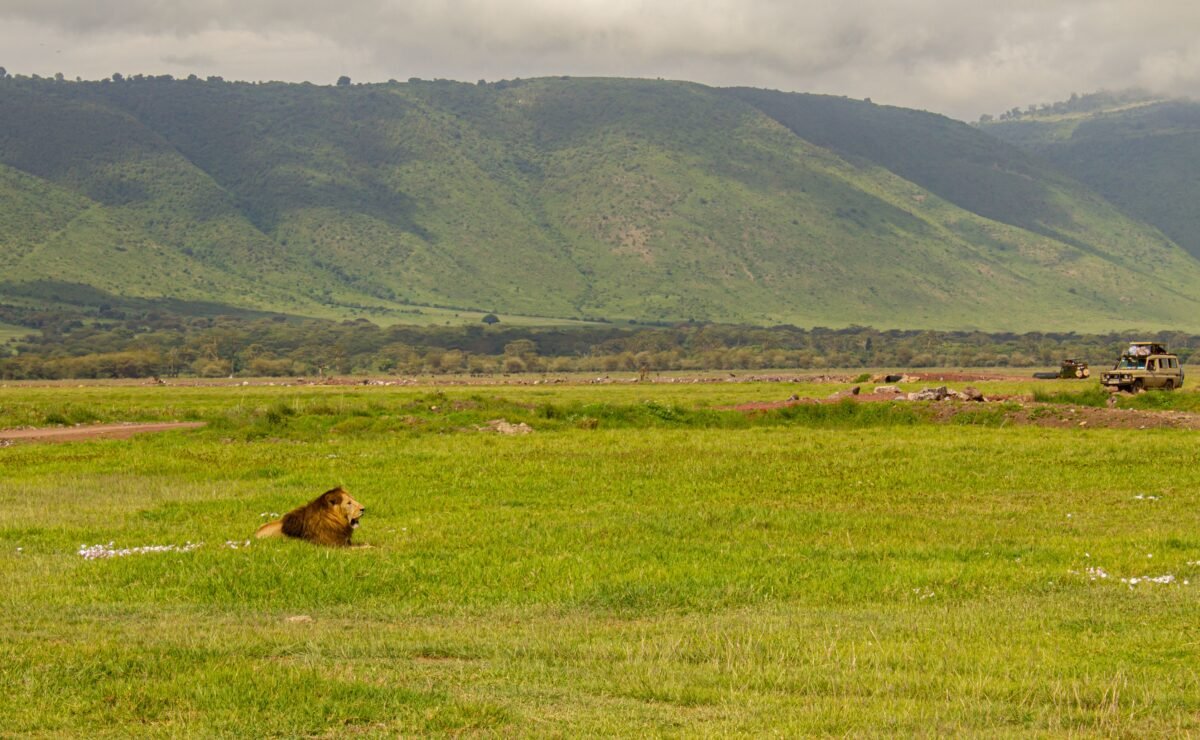
Planning a Tanzania safari from Finland gives you the opportunity to experience some of Africa’s most recognised wildlife destinations. Tanzania offers extensive savannahs, large elephant populations, the Great Wildebeest Migration and remarkable landscapes across its national parks. For Finnish travellers, organising this holiday involves more than choosing a safari destination. You also need to consider international flights, travel seasons, accommodation, entry requirements and the best route through the country.
A well-planned Tanzania safari can combine Serengeti National Park, Ngorongoro Crater and Tarangire National Park into one wildlife holiday. You can also extend your trip to Zanzibar for time on the Indian Ocean coast. This guide explains how to plan your journey from Finland, choose suitable destinations and organise a safari that matches your available time and travel preferences.
Planning a Tanzania Safari from Finland
A Tanzania safari from Finland is best planned around your preferred wildlife experiences, travel dates and available holiday time. Most first-time visitors choose the northern safari circuit because it combines several major wildlife destinations within one itinerary.
Finnish travellers can begin their journey in Helsinki and connect to Tanzania through an international airport. Kilimanjaro International Airport is particularly useful for visitors planning safaris around Arusha, Tarangire, Ngorongoro and Serengeti.
Before booking, decide whether you want a private safari, a group departure or a customised holiday. These options affect your accommodation, daily schedule, transport arrangements and overall budget.
It is also important to decide whether you want to include Zanzibar. Combining a wildlife safari with a few days on the coast creates a different holiday from spending the entire trip exploring national parks.
How to Travel from Finland to Tanzania
Flights from Helsinki to Tanzania
Helsinki-Vantaa Airport is the main international departure point for Finnish travellers.
Travellers should expect to consider connecting flights when planning their journey to Tanzania. Possible connection hubs include Amsterdam, Doha, Istanbul, Frankfurt, Addis Ababa and Nairobi. Actual airline combinations depend on travel dates and available schedules.
For northern Tanzania safaris, Kilimanjaro International Airport (JRO) is generally the most convenient arrival airport.
Another option is Julius Nyerere International Airport in Dar es Salaam. However, arriving there may require an additional domestic flight or a longer transfer before reaching the northern safari circuit.
When comparing flights, consider the following:
- Total journey time rather than only the first flight.
- Connection times between airlines.
- Checked baggage allowances.
- Whether your tickets are issued on one booking.
- Arrival time in Tanzania.
- Whether you need an overnight stay before starting the safari.
Avoid arranging an immediate long-distance road transfer after a tiring international journey if your arrival time makes adequate rest difficult.
Arriving at Kilimanjaro International Airport
Kilimanjaro International Airport provides access to northern Tanzania’s safari destinations.
After completing immigration procedures and collecting your luggage, you can meet your safari representative and transfer towards Arusha or your booked accommodation.
Arusha is a useful starting point for exploring the northern circuit. It provides access to Tarangire, Lake Manyara, Ngorongoro and the Serengeti route.
If you arrive late in the evening, an overnight stay before beginning your safari is worth considering.
Best Time to Visit Tanzania from Finland
Tanzania is a year-round safari destination. However, the best travel period depends on your wildlife interests, preferred weather and chosen national parks.
The main seasonal considerations are the dry season, the rainy periods and the changing movement of the wildebeest migration.
June to October: The Dry Season
June to October is generally a popular period for wildlife safaris.
Vegetation becomes less dense in many areas, and wildlife may concentrate around available water sources. This can make animals easier to locate during game drives.
It is also an important period for following the Great Wildebeest Migration in different parts of the Serengeti ecosystem.
However, the migration does not follow an exact timetable. Rainfall, grazing conditions and the availability of fresh grass influence the herds’ movements.
Travellers hoping to see a particular migration event should select their accommodation according to the expected location of the herds, rather than simply booking anywhere in the Serengeti.
November to December: The Short Rains
November and December can bring short rains to parts of northern Tanzania.
The landscapes begin to become greener, and the scenery changes considerably from the dry-season appearance.
This period can appeal to photographers interested in greener backgrounds and changing light conditions.
Wildlife viewing remains possible, although local rainfall can influence road conditions and animal movements.
January to February: The Calving Season
January and February are particularly interesting for visitors hoping to experience the wildebeest calving season.
The southern Serengeti and Ndutu area are important locations during this period, although the exact timing and distribution of the herds can change.
The presence of young wildebeest also attracts predators, creating opportunities to observe natural wildlife behaviour.
This is an excellent period to consider if your main interest is predator activity and the early stages of the migration cycle.
March to May: The Long Rains
March to May generally brings the longer rainy period.
Some roads can become challenging, and accommodation availability may vary because certain camps operate seasonally.
Nevertheless, this period can suit travellers who prefer quieter safari experiences and greener landscapes.
The Tanzania National Parks Authority provides official park information covering seasons, activities and access arrangements.
Best National Parks for a Tanzania Safari
Tanzania has several protected wildlife areas. For Finnish travellers visiting for the first time, the northern circuit is a practical starting point.
The following destinations offer different landscapes and wildlife experiences.
1. Serengeti National Park
Serengeti National Park is one of Tanzania’s most important safari destinations.
Its open grasslands, woodland areas, rocky outcrops and river systems support a wide variety of wildlife.
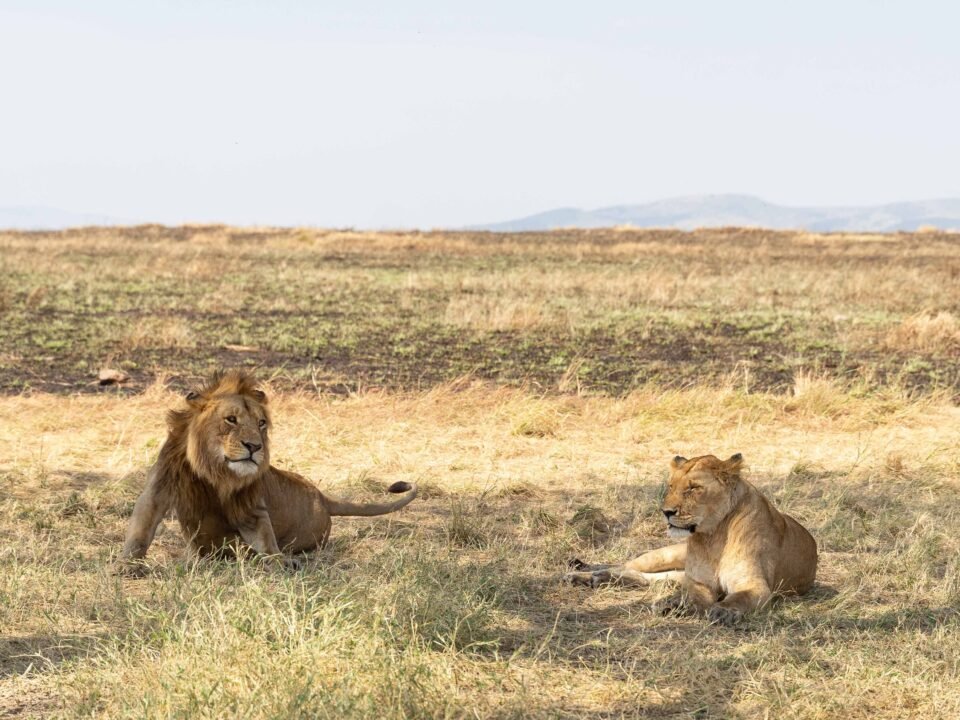
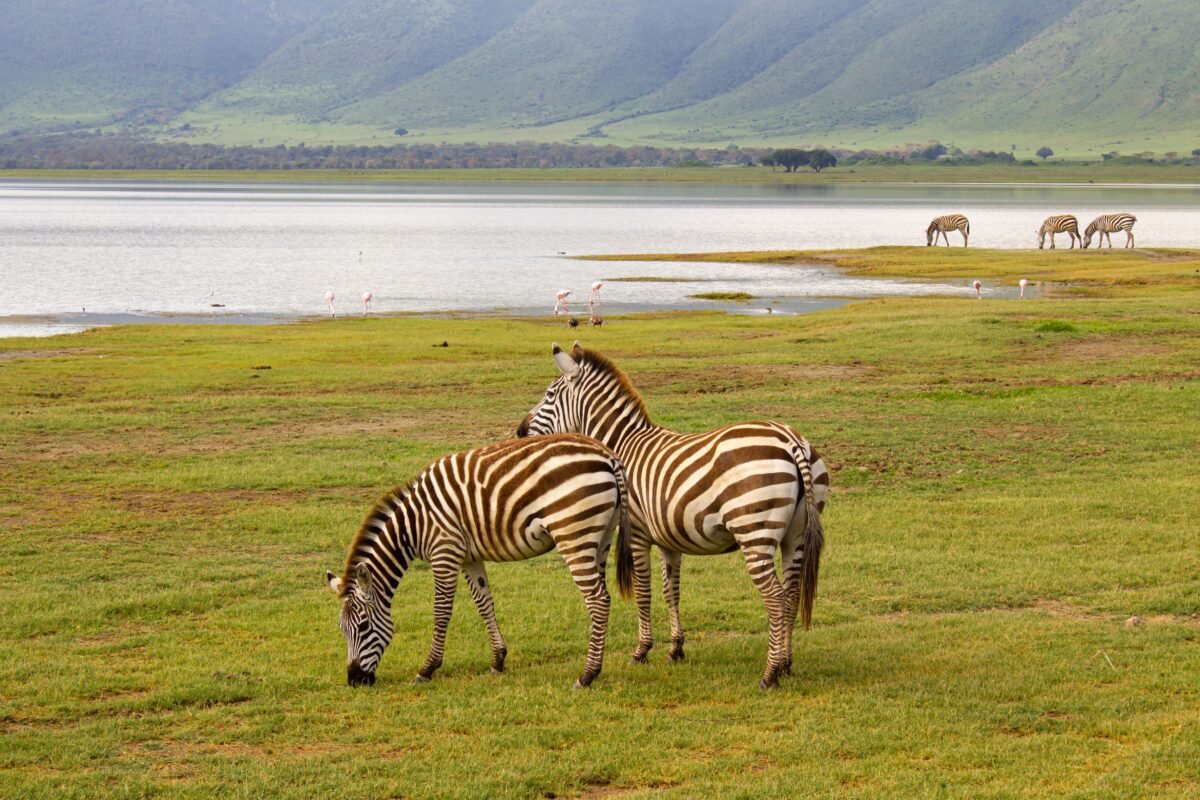
Visitors can encounter lions, leopards, cheetahs, elephants, giraffes, zebras, buffaloes and different antelope species.
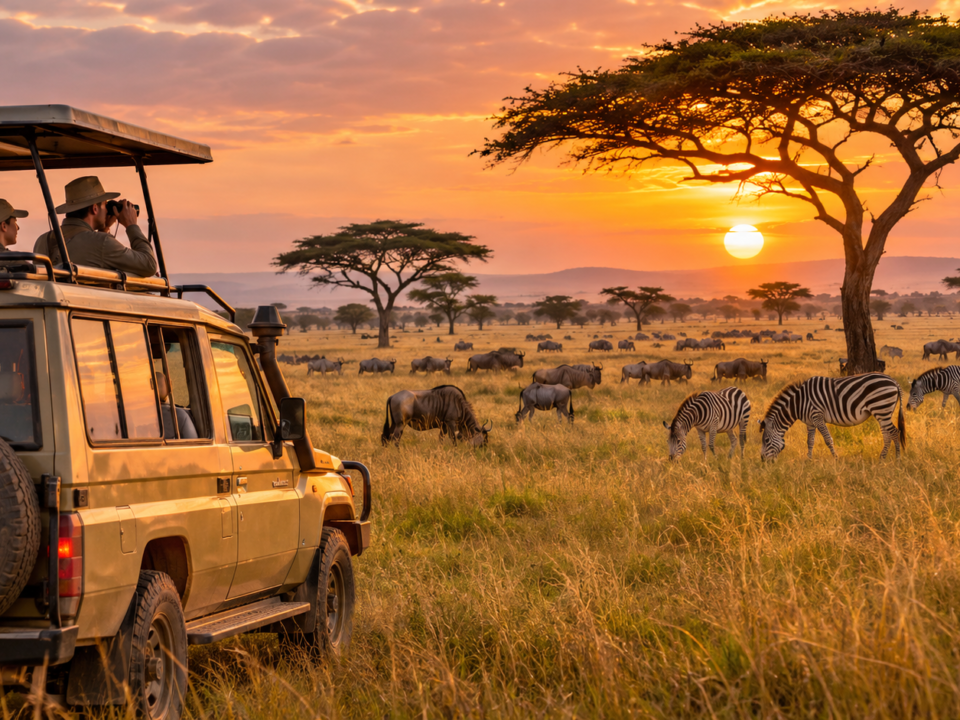
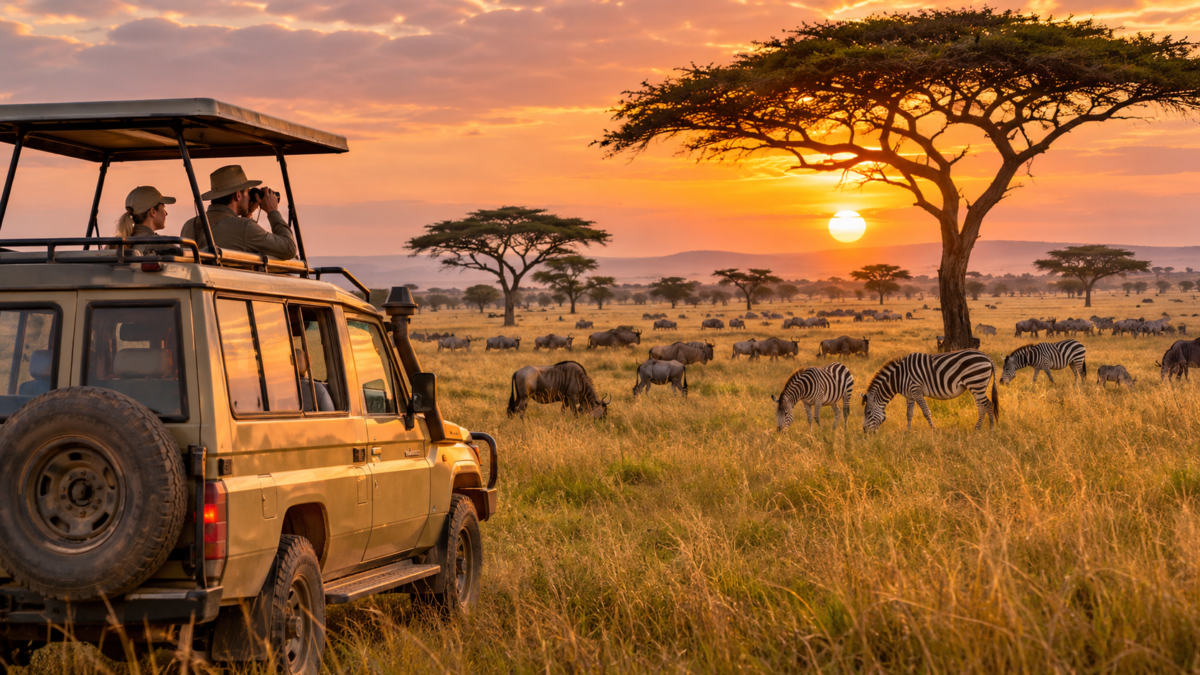
The park is particularly famous for the Great Wildebeest Migration, when large herds of wildebeest and zebras move across the Serengeti ecosystem in search of grazing.
The migration is not a single event that happens in one location. It is a continuous seasonal movement involving different areas of the ecosystem.
For this reason, choosing the right Serengeti region is important. A traveller visiting during the calving season may need a different accommodation location from someone hoping to see northern river crossings.
2. Ngorongoro Conservation Area
Ngorongoro is another major highlight of a northern Tanzania safari.
Its famous crater contains a large concentration of wildlife within a dramatic volcanic landscape.
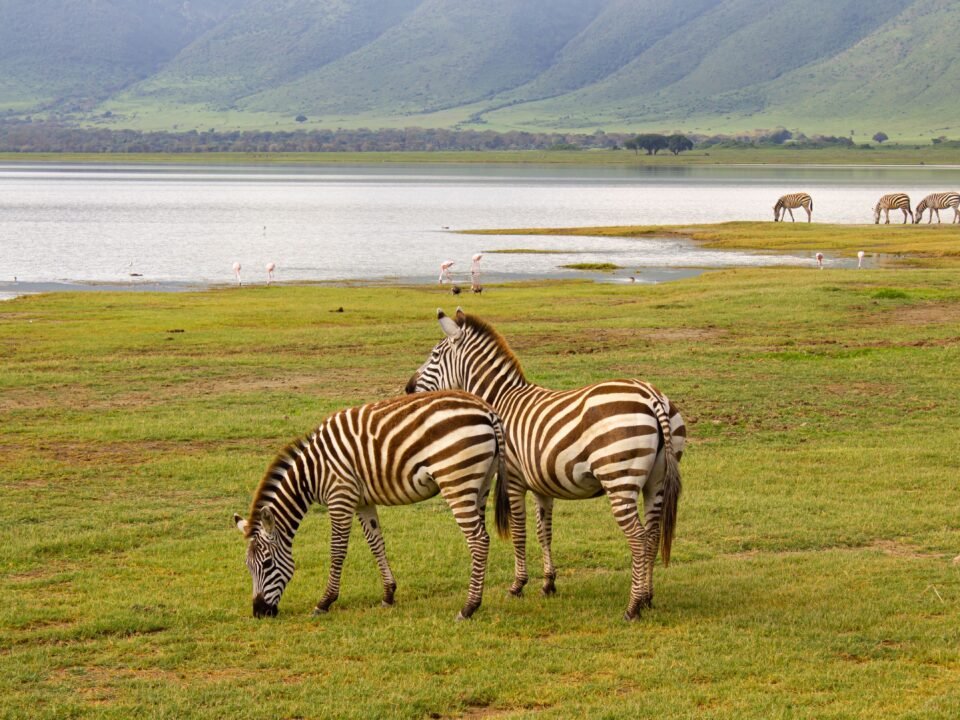
Game drives on the crater floor offer opportunities to see lions, elephants, buffaloes, zebras, wildebeest, hyenas and other wildlife.
The area is also an important conservation landscape where wildlife protection and human settlement, including Maasai pastoral communities, coexist.
The crater is particularly attractive to travellers who want to experience a different landscape from the open plains of the Serengeti.
Because the crater has specific access arrangements and conservation regulations, its inclusion should be considered when planning your itinerary.
The Ngorongoro Conservation Area Authority provides official destination information.
3. Tarangire National Park
Tarangire is particularly recognised for its elephants and distinctive baobab trees.
The Tarangire River is an important water source, especially during the dry season. Wildlife may gather around the river and surrounding areas as other water sources become less available.
Elephants are among the park’s major attractions. Visitors may also encounter lions, giraffes, zebras, wildebeest, buffaloes and numerous bird species.
Tarangire is a useful addition to a northern Tanzania itinerary because it provides a different wildlife setting from the Serengeti.
It can be especially rewarding between June and October when seasonal water availability influences wildlife distribution.
4. Lake Manyara National Park
Lake Manyara offers a contrasting environment with woodland, groundwater forest, open areas and a large alkaline lake.
The park supports elephants, giraffes, buffaloes, zebras, baboons and several other wildlife species.
Birdwatching is another attraction, particularly around the lake and its surrounding habitats.
Lake Manyara can be included as part of a northern circuit itinerary, depending on your available time and the other parks you intend to visit.
Which Parks Should You Choose?
If you have limited time, consider prioritising Serengeti and Ngorongoro.
If you have more days, adding Tarangire creates a broader northern Tanzania experience.
Lake Manyara can be included when birdlife, woodland scenery or an additional park experience is important to your travel interests.
The best combination depends on your arrival airport, travel dates and accommodation preferences.
How Many Days Do You Need for a Tanzania Safari?
For a first safari in Tanzania, seven to ten days is a useful planning range for exploring several northern circuit destinations.
A shorter holiday can still provide a rewarding wildlife experience, but it may require limiting the number of parks.
The main consideration is not simply the number of destinations. It is how much time you have available for actual wildlife viewing.
A safari itinerary should account for road transfers, park entry arrangements, accommodation check-ins and game drives.
Trying to visit too many places within a short period can make the experience unnecessarily rushed.
Suggested Eight-Day Tanzania Safari Itinerary
This is an illustrative itinerary, not a confirmed Zamunda package or quotation.
Day 1: Arrival in Tanzania
Arrive at Kilimanjaro International Airport and transfer to Arusha. Spend the evening resting and preparing for the safari.
Day 2: Arusha to Tarangire National Park
Travel to Tarangire for your first game drives. Explore the park’s savannah, baobab landscapes and wildlife areas before continuing to your accommodation.
Day 3: Tarangire to Karatu
Enjoy additional wildlife viewing before travelling towards Karatu, a convenient base for exploring the Ngorongoro area.
Day 4: Ngorongoro Crater
Descend into the crater for a game drive. Explore its different habitats and look for lions, buffaloes, elephants, zebras and other wildlife.
Day 5: Ngorongoro to Serengeti National Park
Travel towards Serengeti through the Ngorongoro Conservation Area. Depending on the route and conditions, enjoy wildlife viewing along the way.
Day 6: Serengeti National Park
Spend a full day exploring the Serengeti. Your guide can select suitable wildlife viewing areas according to recent sightings, seasonal conditions and your interests.
Day 7: Serengeti National Park
Enjoy another day of game drives. Having additional time in the park improves your opportunity to explore different habitats and follow wildlife movements.
Day 8: Departure
Depending on your international flight arrangements, transfer to an appropriate airport or use a scheduled domestic flight connection.
This itinerary can be adjusted to include more Serengeti nights, a different migration region or an additional Zanzibar extension.
Choosing Accommodation for Your Tanzania Safari
Accommodation is an important part of planning a safari from Finland.
Your choice affects your comfort, location, daily schedule and overall safari budget.
Budget Accommodation
Budget options may include public campsites, basic lodges and simpler guesthouses outside national parks.
These can suit travellers who prefer to spend more of their budget on wildlife activities rather than accommodation.
However, check the location, bathroom facilities, meals and transfer arrangements before confirming.
Mid-Range Accommodation
Mid-range lodges and tented camps offer a balance between comfort and cost.
Many provide private bathrooms, restaurant services and comfortable rooms or safari tents.
Their locations are particularly important. Staying closer to the wildlife areas you want to explore can reduce unnecessary transfers.
Luxury Accommodation
Luxury safari accommodation may include spacious suites, private decks, swimming pools, fine dining and additional personalised services.
Some properties are positioned in remote wildlife areas, providing convenient access to selected safari regions.
Before choosing a luxury camp, consider whether its location suits the wildlife experiences you want.
How Much Does a Tanzania Safari from Finland Cost?
There is no single fixed price for a Tanzania safari from Finland.
The total cost depends on the travel season, number of travellers, accommodation category, safari duration, transport arrangements and activities included.
International flights from Helsinki are generally priced separately unless a travel operator specifically includes them in a complete holiday quotation.
Your safari quotation should clearly explain the following:
- Private or shared safari transport.
- Professional driver-guide services.
- Accommodation and meal arrangements.
- National park and conservation fees.
- Ngorongoro access and applicable crater charges.
- Airport transfers.
- Domestic flights, where applicable.
- Optional activities such as balloon safaris.
- Applicable taxes and other compulsory charges.
Park fees and conservation charges should be checked against the official tariffs applicable to your travel dates. Do not assume that an older quotation remains valid for a future season.
When comparing operators, look beyond the headline price. A cheaper quotation may exclude important services that another operator has already included.
For a more accurate quotation, provide your intended travel dates, number of travellers, preferred accommodation and the parks you want to visit.
Can You Combine a Tanzania Safari with Zanzibar?
Yes. Zanzibar is a popular extension for travellers who want to combine wildlife viewing with time on the Indian Ocean coast.
After exploring Serengeti, Ngorongoro and Tarangire, you can arrange a flight towards Zanzibar.
The island offers different experiences, including:
- Beach relaxation.
- Snorkelling and marine activities.
- Stone Town cultural visits.
- Spice farm visits.
- Traditional dhow excursions.
- Coastal accommodation.
A safari and Zanzibar combination is particularly suitable for couples and travellers with enough time for both experiences.
However, you should avoid squeezing too many destinations into a short holiday. A few additional days can make the difference between a rushed transfer and a comfortable coastal extension.
If your main interest is wildlife, prioritise sufficient nights in the national parks before allocating time to Zanzibar.
Tanzania Entry Requirements for Finnish Travellers
Entry requirements should be checked before purchasing flights or confirming your safari.
The following information is based on official Tanzania Immigration guidance reviewed on 23 November 2026.
Tanzania Visa for Finnish Citizens
Finnish passport holders are listed among the nationalities eligible to apply for a Tanzanian visa online or obtain a visa on arrival under the published immigration guidelines.
For ordinary tourism, the standard single-entry visa costs USD 50 and is valid for up to 90 days, subject to the applicable conditions.
The official immigration guidelines request:
- A valid passport with at least six months’ validity.
- At least one unused visa page.
- A return ticket.
- A completed visa application.
- Payment of the applicable visa fee.
Each traveller, including a child, must have an individual visa application where a visa is required.
Although visa on arrival is listed as an option for eligible nationalities, applying through the official online portal before travelling is the recommended approach.
Use the official Tanzania Immigration eVisa portal rather than unofficial visa application websites.
Mandatory Inbound Travel Insurance
Tanzania introduced mandatory inbound travel insurance for foreign visitors entering mainland Tanzania, effective 1 October 2026.
The Zanzibar Insurance Corporation published a clarification on 7 October 2026 explaining that the applicable insurance depends on the first point of entry into the United Republic of Tanzania.
For visitors entering mainland Tanzania first, the designated insurance route is through the National Insurance Corporation.
For visitors entering Zanzibar first, the applicable policy is obtained through the Zanzibar Insurance Corporation.
The published clarification also states that one valid policy applies to the same journey involving both mainland Tanzania and Zanzibar, subject to the policy’s terms and validity.
Travellers should retain their insurance certificate and QR code.
This mandatory inbound cover should not be confused with comprehensive personal travel insurance. Finnish travellers should also maintain appropriate cover for medical expenses, cancellation, baggage and emergency assistance.
Check the current requirements and policy details before departure:
- National Insurance Corporation: https://inbound.nicinsurance.co.tz
- Zanzibar inbound travel insurance: https://inbound.visitzanzibar.go.tz
Safety and Health Considerations for Finnish Travellers
Tanzania is an established safari destination, but travellers should take normal precautions and follow current official advice.
Finland’s Ministry for Foreign Affairs currently advises travellers to exercise particular caution in Tanzania. Its November 2026 travel advisory also identifies specific areas where unnecessary travel should be avoided. Travellers should read the complete advisory before departure.
During a safari, use an established tour operator and follow your guide’s instructions.
Other useful precautions include:
- Keep valuables secure, particularly in busy urban areas.
- Avoid walking alone in unfamiliar areas after dark.
- Use reliable airport transfers.
- Follow park regulations during wildlife viewing.
- Do not approach or feed wild animals.
- Keep your travel documents and insurance details accessible.
Health Preparation
Consult a travel-health professional several weeks before departure.
Malaria prevention deserves particular attention. The World Health Organization identifies malaria as a significant travel-health consideration in affected areas and recommends professional advice on appropriate preventive measures.
Discuss the following with a qualified medical professional:
- Recommended vaccinations.
- Yellow fever requirements based on your complete flight itinerary.
- Malaria prevention medication.
- Mosquito protection.
- Personal prescription medication.
- Medical insurance and emergency evacuation arrangements.
A yellow fever certificate may be required depending on your travel history and transit route. Do not assume that departing directly from Finland automatically determines your vaccination requirements if your itinerary includes a qualifying transit through another country.
Also check current health declaration requirements before departure.
How to Choose a Reliable Tanzania Safari Operator
Choosing the right safari operator is just as important as selecting the national parks.
A good operator should understand the route, provide a clear itinerary and explain what is included in the quotation.
Before paying a deposit, consider the following:
- Check whether the operator is properly registered and licensed for the services it offers.
- Request a detailed day-by-day itinerary.
- Confirm the vehicle and transport arrangements.
- Ask about accommodation locations and room categories.
- Request a clear breakdown of park fees and other compulsory charges.
- Confirm cancellation and payment conditions.
- Check how the operator handles emergencies and itinerary changes.
You should also establish who will provide the actual safari services on the ground, particularly when booking through an international agent.
A well-organised safari should not leave important details unclear.
Planning Your Tanzania Safari with Zamunda Travels
Zamunda Travels Uganda Ltd is an East African safari tour operator based in Uganda, with safari arrangements covering Tanzania, Kenya, Rwanda and Uganda.
For Finnish travellers interested in Tanzania, the planning process should begin with your preferred travel dates, wildlife interests, accommodation expectations and available holiday time.
A customised itinerary can then be considered around the northern circuit, with options to explore Serengeti, Ngorongoro, Tarangire and other suitable destinations.
If you are interested in combining a Tanzania safari with Zanzibar, this can also be discussed when planning the overall holiday.
Rather than selecting a package based only on the number of days, consider the wildlife experiences you want and the amount of time needed at each destination.
Final Thoughts on Tanzania Safari Holidays from Finland
A Tanzania safari offers Finnish travellers an opportunity to explore diverse wildlife habitats, experience the Great Wildebeest Migration and discover some of East Africa’s most important conservation areas.
The northern circuit is a practical choice for a first visit because it brings together Serengeti, Ngorongoro and Tarangire.
However, the right safari depends on your travel dates, wildlife interests, preferred accommodation and available time.
Plan your flights carefully, check the latest entry requirements and choose an itinerary that allows enough time for wildlife viewing rather than rushing between destinations.
For assistance planning your East African wildlife holiday, contact Zamunda Travels Uganda Ltd.
Zamunda Travels Uganda Ltd
www.zamundatravels.com
info@zamundatravels.com
WhatsApp: +256 704 705 606
Beyond Expedition
Frequently Asked Questions About Tanzania Safaris from Finland
1. Can Finnish citizens travel to Tanzania without a visa?
Finnish citizens are not listed as visa-exempt in the Tanzanian immigration guidance reviewed. Finland is listed among nationalities eligible for online and visa-on-arrival facilities. The standard ordinary tourist visa costs USD 50 and is valid for up to 90 days, subject to immigration conditions.
2. How do you fly from Finland to Tanzania?
Most travellers depart from Helsinki-Vantaa Airport and connect through an international hub. Kilimanjaro International Airport is a convenient arrival point for northern Tanzania safaris. Flight availability, airlines and journey times depend on the travel dates and connection selected.
3. What is the best month for a Tanzania safari?
The best month depends on your wildlife interests. June to October is generally favourable for dry-season wildlife viewing. January and February are particularly interesting for wildebeest calving in the southern Serengeti. Migration movements vary with rainfall and grazing conditions.
4. How many days should I spend on a Tanzania safari?
Seven to ten days is a useful starting point for exploring several northern circuit destinations. This allows time for Tarangire, Ngorongoro and multiple nights in the Serengeti. Travellers with fewer days should prioritise fewer parks rather than rushing between destinations.
5. Can I combine a Tanzania safari with Zanzibar?
Yes. You can combine a northern Tanzania safari with a Zanzibar beach holiday using suitable domestic flight arrangements. Allow enough time for the safari before travelling to the coast. Zanzibar offers opportunities for beach relaxation, marine activities and cultural visits.
6. Is travel insurance compulsory for Finnish travellers visiting Tanzania?
Yes. Tanzania introduced mandatory inbound travel insurance for foreign visitors entering mainland Tanzania from 1 October 2026. The applicable policy depends on your first point of entry. Finnish travellers should also maintain comprehensive personal travel insurance for medical emergencies, cancellation and other travel risks.
7. Is Tanzania suitable for first-time safari travellers?
Yes. Tanzania offers established safari routes, a range of accommodation options and guided wildlife experiences. First-time visitors can begin with the northern circuit, particularly Serengeti, Ngorongoro and Tarangire. A private guided itinerary can help organise transfers, accommodation and game drives.