Tanzania Safari from Ireland
November 22, 2026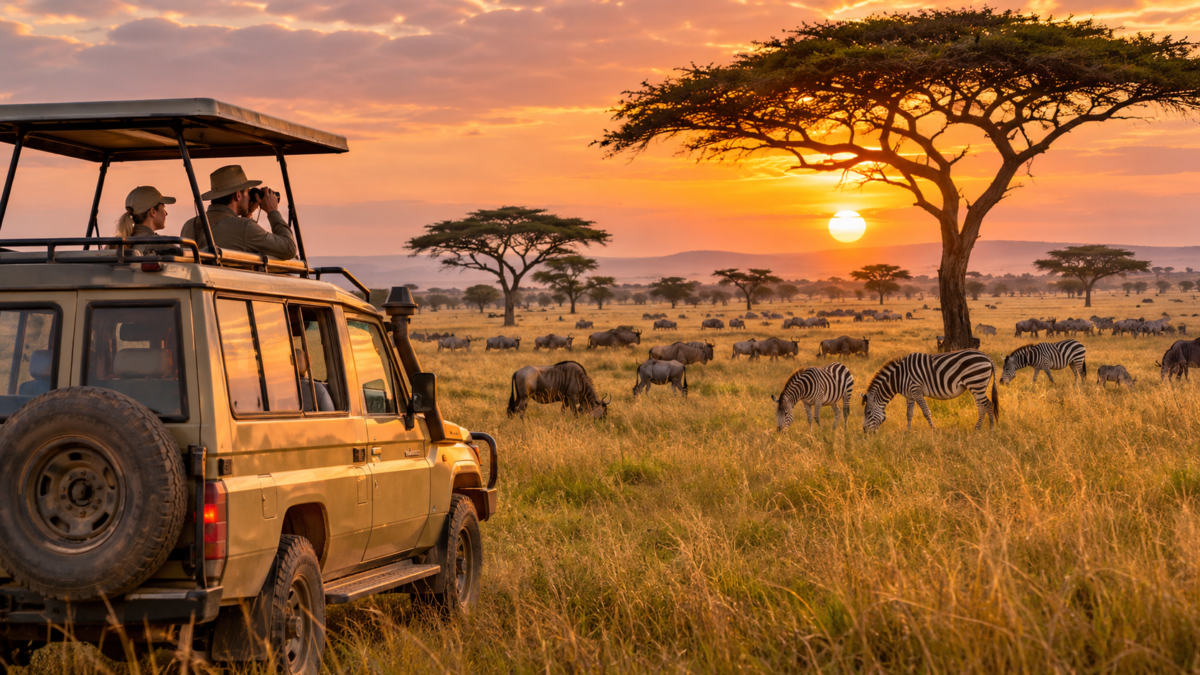
Planning a Tanzania safari from Poland is an opportunity to explore some of Africa’s best-known wildlife destinations, including Serengeti National Park, Ngorongoro Crater and Tarangire National Park. For Polish travellers visiting Africa for the first time, choosing the right route, travel season and safari duration can make a significant difference.
Tanzania offers guided game drives across open savannah, volcanic landscapes, woodlands and seasonal wetlands. Visitors can encounter elephants, lions, giraffes, zebras, wildebeest and many other animals in their natural habitats.
However, planning a successful safari involves more than choosing a national park. You also need to consider international flights, accommodation, travel documents, health precautions and the overall cost.
This guide explains how to organise your first Tanzania safari from Poland, including the destinations worth considering, practical travel arrangements and how to choose a safari that matches your interests and budget.
Why choose Tanzania for your first African safari?
Tanzania is an excellent choice for first-time safari travellers because its northern safari circuit combines several distinctive wildlife environments within one itinerary.
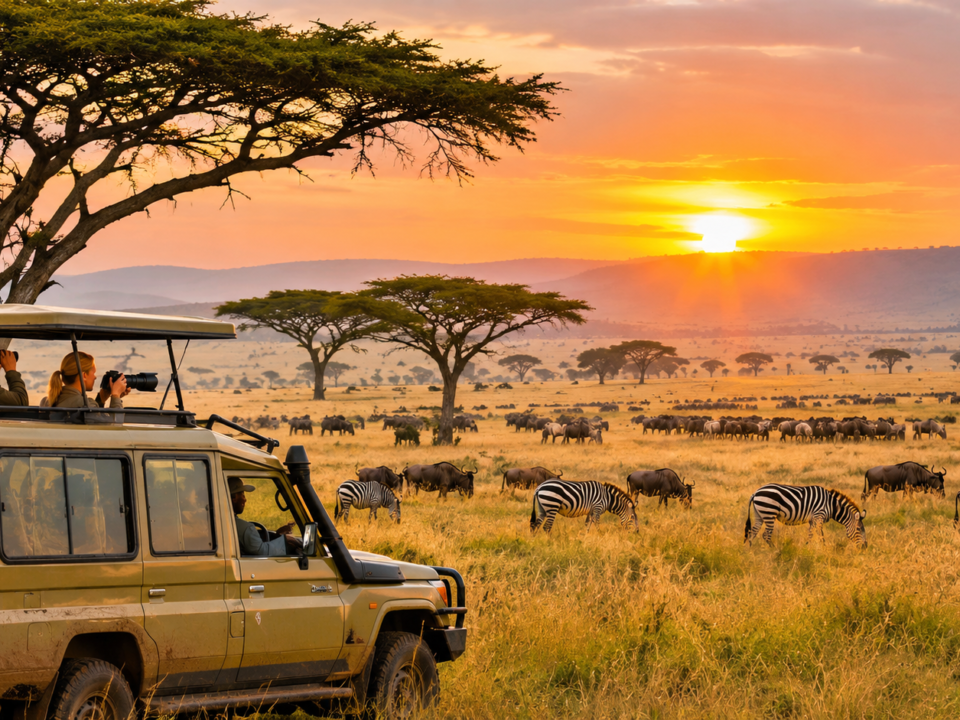
The Serengeti is famous for its extensive grasslands, large predators and the seasonal movement of wildebeest and zebras. Ngorongoro Crater offers wildlife viewing within a volcanic caldera, while Tarangire is known for elephants, baobab trees and seasonal wildlife concentrations.
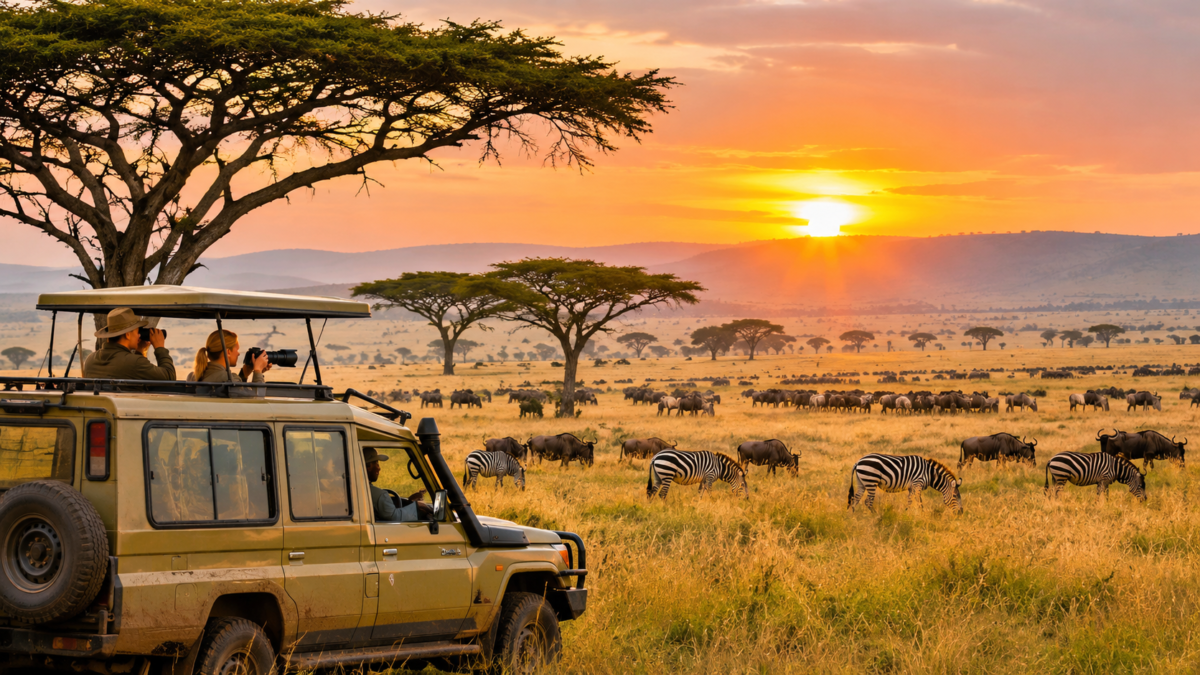
Travellers can explore these destinations through guided game drives in specialised safari vehicles. A knowledgeable guide helps identify wildlife, interpret animal behaviour and explain the different habitats.
Tanzania also provides opportunities to combine a wildlife safari with cultural experiences, mountain trekking or a beach holiday on Zanzibar.
For travellers coming from Poland, the northern circuit is often a sensible starting point because it offers several major safari experiences without requiring travel across the entire country.
Best Tanzania safari destinations for Polish travellers
Choosing the right destinations is one of the most important parts of planning your safari. Each park offers different landscapes and wildlife-viewing opportunities.
Serengeti National Park
Serengeti National Park is one of Tanzania’s most recognised safari destinations. Its grasslands, river systems and woodland habitats support a wide variety of wildlife.
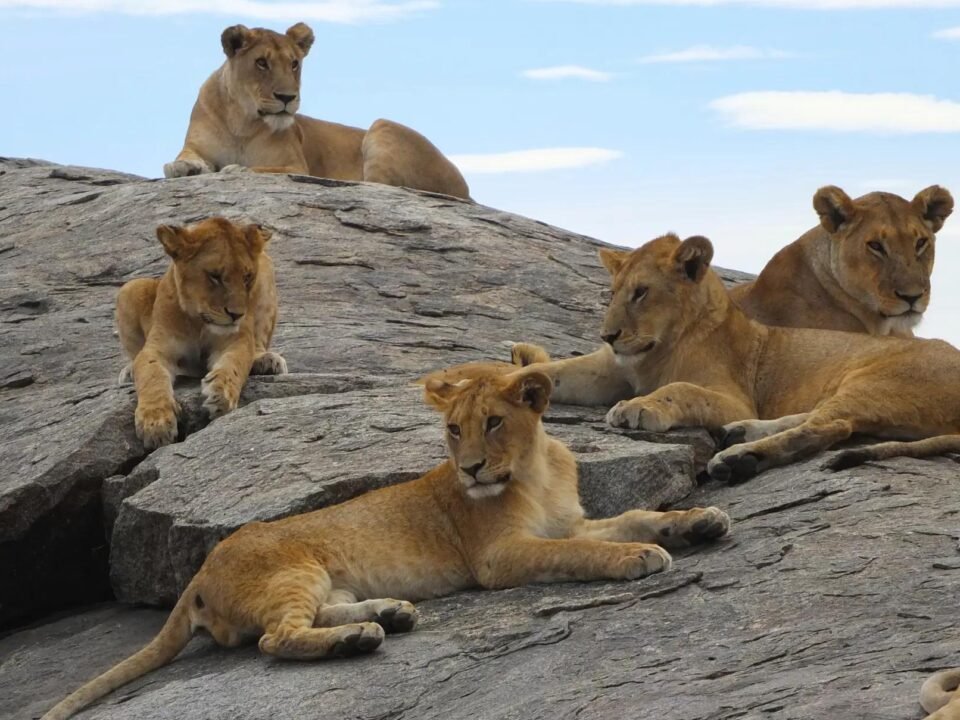
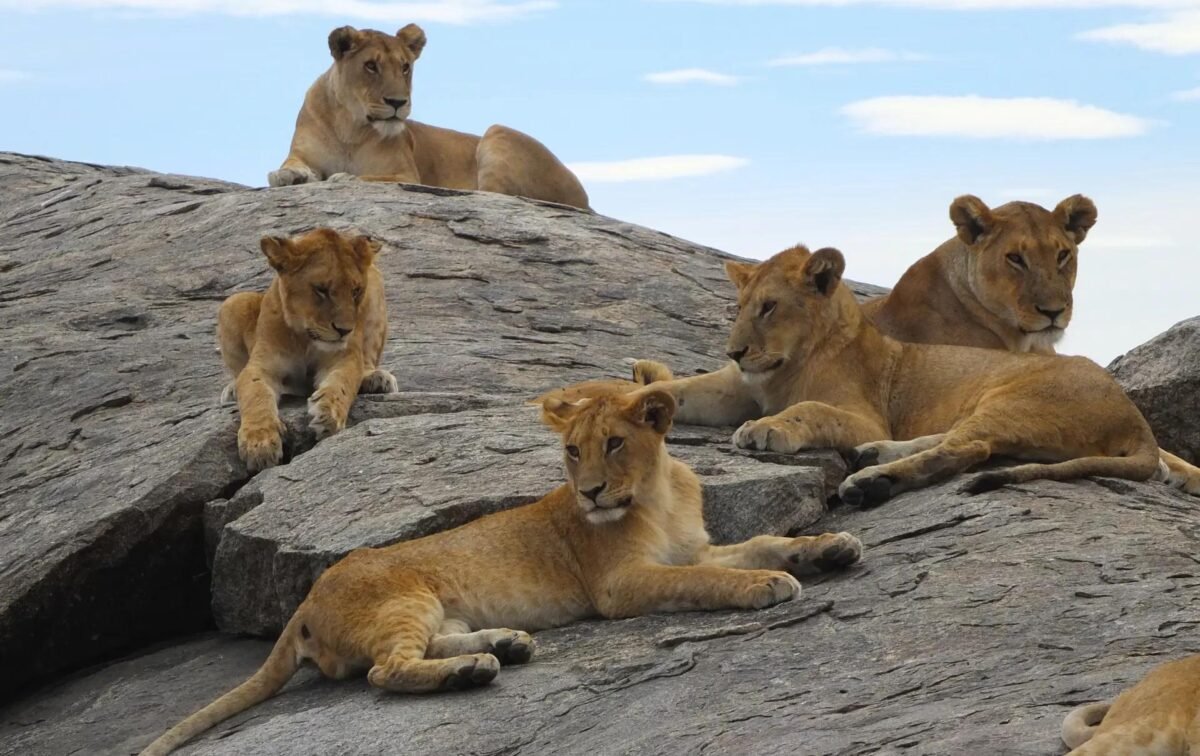
Visitors may encounter lions, leopards, cheetahs, elephants, giraffes, buffaloes, hyenas and several antelope species.
The Serengeti is also associated with the Great Migration, when large numbers of wildebeest and zebras move through the wider Serengeti–Mara ecosystem in response to seasonal rainfall and grazing conditions.
However, the migration does not remain in one location throughout the year. Travellers hoping to see river crossings or large herds should choose their travel dates and accommodation locations carefully.
For a first safari, spending multiple nights in the Serengeti is generally preferable to rushing through the park in a single day.
Ngorongoro Crater
Ngorongoro Crater offers a different safari experience from the Serengeti.
The crater contains grasslands, wetlands, woodland and a soda lake within a large volcanic caldera. Wildlife includes buffaloes, zebras, wildebeest, lions, hyenas and, with some luck, black rhinos.
One advantage of Ngorongoro is the opportunity to explore several habitats during a single crater excursion.
However, wildlife sightings remain unpredictable, and visitors should not assume that every animal will be seen.
Ngorongoro is particularly suitable for travellers who want to combine wildlife photography with distinctive scenery.
Tarangire National Park
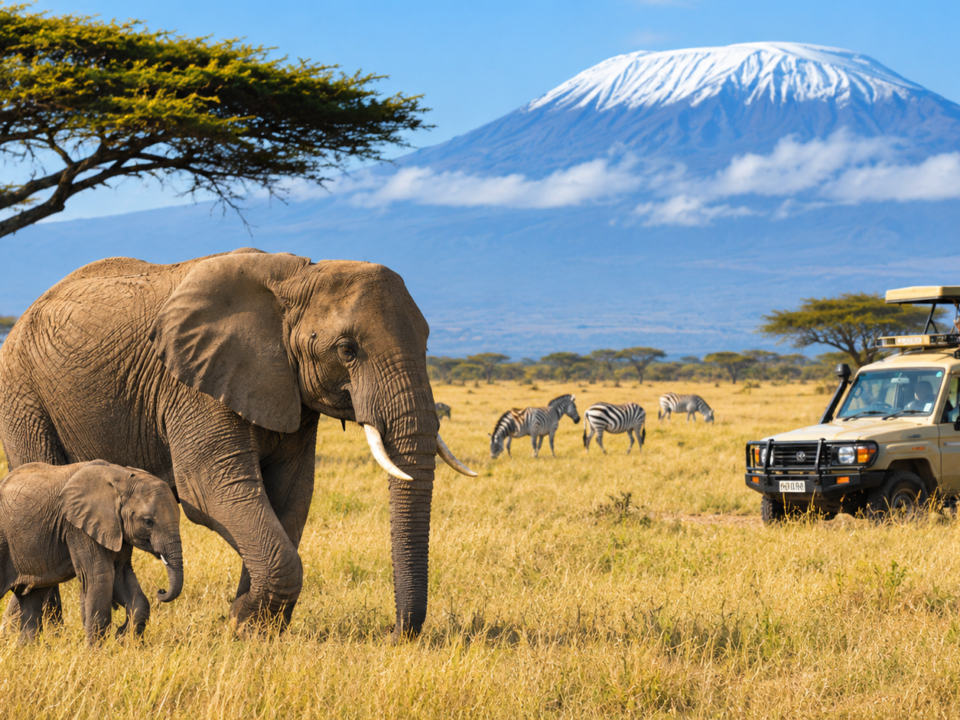
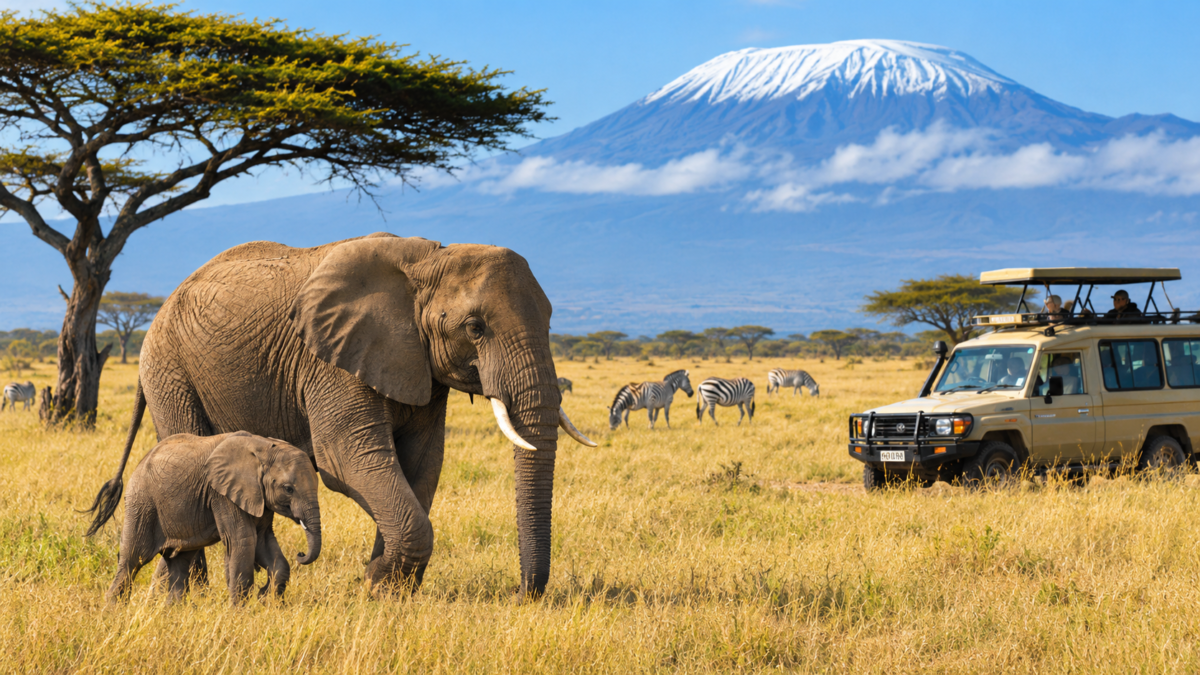
Tarangire National Park is known for its elephant populations, large baobab trees and varied landscapes.
During the drier months, wildlife often concentrates around the Tarangire River and other remaining water sources. This can create productive game-viewing opportunities.
Visitors may encounter elephants, giraffes, zebras, buffaloes, lions and numerous bird species.
Tarangire is a good addition to a northern Tanzania safari because its landscape differs noticeably from the open plains of the Serengeti.
Lake Manyara National Park
Lake Manyara National Park features groundwater forests, woodland, open areas and a large alkaline lake.
The park supports elephants, monkeys, hippos and various bird species. It is also associated with tree-climbing lions, although sightings are never guaranteed.
Lake Manyara can work well as part of a shorter northern circuit, especially when travellers want additional habitat diversity.
However, visitors with limited time may prefer to prioritise Serengeti, Ngorongoro and Tarangire rather than trying to include every park.
How to travel from Poland to Tanzania
Travellers planning a Tanzania safari from Poland should first decide where their safari will begin.
Warsaw Chopin Airport is a useful starting point for comparing international connections. Depending on airline schedules, travellers may also find suitable departures from Kraków, Gdańsk, Katowice or other Polish airports.
International journeys to Tanzania commonly involve a connection through a major aviation hub. Travellers can compare routings through cities such as Istanbul, Doha or Addis Ababa, depending on current airline services.
These are possible connection hubs, not confirmed flights for particular dates. Always check airline schedules, transit requirements and baggage arrangements before booking.
Which airport should you choose in Tanzania?
Kilimanjaro International Airport is a practical arrival option for many northern Tanzania safari itineraries. It provides access to Arusha, a major starting point for safaris to Tarangire, Ngorongoro and the Serengeti.
Arusha Airport also serves domestic aviation routes, including connections used for some safari itineraries.
Julius Nyerere International Airport in Dar es Salaam may be more appropriate for travellers planning a southern Tanzania safari or connecting through the country’s commercial centre.
Zanzibar’s international airport is useful when combining a safari with a beach holiday. However, reaching the northern safari circuit from Zanzibar may require an additional flight or other transport arrangements.
The best airport depends on the entire itinerary, not simply the cheapest international airfare.
Practical flight-booking advice
When comparing flights from Poland, consider the total journey rather than the advertised ticket price alone.
A cheaper flight with a long connection may leave you exhausted before the safari begins. Similarly, arriving late in the evening can make it impractical to begin a long road transfer immediately.
For many first-time visitors, spending the arrival night in Arusha before starting the safari is a sensible option.
Travellers should also check whether international flights, domestic flights and airport transfers are included in their safari quotation.
Best time to visit Tanzania from Poland
Tanzania offers wildlife viewing throughout the year, but seasonal conditions affect the landscapes, animal movements and travel experience.
June to October: Generally drier conditions
June through October is commonly considered a favourable period for wildlife viewing across much of northern Tanzania.
Vegetation often becomes less dense, and animals may gather near dependable water sources. These conditions can make wildlife easier to locate in some areas.
However, this is also a popular travel period, so well-located accommodation may need to be reserved early.
Travellers interested in the northern Serengeti’s migration river crossings often consider part of this period, although crossing locations and timing vary.
November to December: Short-rain season
November and December commonly bring shorter periods of rainfall to parts of northern Tanzania.
The landscapes may become greener, and birdwatching can be rewarding. Wildlife viewing remains possible, although conditions vary between parks and years.
This period can suit travellers who prefer greener scenery and are flexible about occasional rain.
January to March: Southern Serengeti and calving season
January to March can be particularly interesting for travellers following the Great Migration.
During suitable seasonal conditions, large herds gather around the southern Serengeti and Ndutu area. Calving activity often attracts predators.
However, the exact location and timing of the herds depend on rainfall and grazing conditions.
Visitors should choose their accommodation according to the expected wildlife movement rather than assuming that one Serengeti location works equally well all year.
April to May: Main rainy season
April and May generally form part of the longer rainy season in northern Tanzania.
The landscapes can become exceptionally green, but heavy rainfall may affect road conditions and wildlife-viewing plans.
Some accommodation providers may operate seasonally, so availability should be confirmed before booking.
For a first safari, the best month depends on whether you prioritise drier roads, migration activity, photography, birdwatching or quieter travel periods.
How many days do you need for your first Tanzania safari?
For travellers arriving from Poland, a safari of five to eight days is a useful starting point for exploring northern Tanzania.
A shorter trip can cover selected parks, but it may involve more driving and less time observing wildlife.
A seven-day itinerary provides room for several destinations without requiring constant changes of accommodation.
Travellers with more time can extend their safari to explore different areas of the Serengeti or add Zanzibar.
If your main priority is wildlife photography, consider spending additional nights in fewer locations. Repeated game drives in one area can be more rewarding than visiting many parks quickly.
Sample seven-day northern Tanzania safari itinerary
The following itinerary is an illustrative planning example rather than a confirmed Zamunda departure. Driving conditions, accommodation locations, park access and flight times must be considered when finalising the route.
Day 1: Arrival at Kilimanjaro International Airport
Arrive in Tanzania and transfer to your accommodation in Arusha.
Use the evening to rest after your international journey and prepare for the safari. Depending on your arrival time, you may meet your safari guide and review the upcoming itinerary.
Overnight in Arusha.
Day 2: Arusha to Tarangire National Park
After breakfast, travel towards Tarangire National Park.
Enjoy a game drive through areas known for elephants, baobab trees and seasonal wildlife concentrations.
Your actual game-viewing time will depend on your departure time, park-entry arrangements and accommodation location.
Overnight near Tarangire or in the wider northern safari circuit.
Day 3: Transfer to Serengeti National Park
Continue towards the Serengeti, travelling through the Ngorongoro Conservation Area where the chosen route permits.
This is primarily a transfer day, although wildlife may be encountered along sections of the journey.
Arrive at your accommodation in the Serengeti, allowing for the day’s road conditions and park-entry arrangements.
Overnight in the Serengeti.
Day 4: Full-day Serengeti safari
Spend the day exploring the Serengeti with your guide.
Depending on the season and your accommodation location, game drives may focus on grasslands, woodland or areas where wildlife is particularly active.
Look for predators, herbivores and birdlife while allowing time to observe animal behaviour rather than simply moving between sightings.
Overnight in the Serengeti.
Day 5: Serengeti game drive and transfer towards Ngorongoro
Begin with a morning game drive before travelling towards the Ngorongoro area.
This day combines wildlife viewing with a substantial road transfer. The precise schedule should be adapted to park regulations and accommodation location.
Overnight near the Ngorongoro Conservation Area or Karatu.
Day 6: Ngorongoro Crater safari
Travel to Ngorongoro Crater for a guided game drive, subject to the applicable entry and crater-access arrangements.
Explore the crater’s varied habitats while looking for buffaloes, zebras, wildebeest, lions, hippos and other wildlife.
After the excursion, return to accommodation in the Karatu area or continue towards Arusha if the schedule allows.
Day 7: Return to Arusha and departure
Complete the return journey towards Arusha or Kilimanjaro International Airport.
The departure schedule should allow sufficient time for road travel, airport procedures and any unforeseen delays.
If your international flight leaves early, an additional overnight stay may be preferable.
How much does a Tanzania safari from Poland cost?
The total cost of a Tanzania safari depends on travel dates, accommodation standards, itinerary length, group size, park fees and transport arrangements.
A private safari usually involves a dedicated vehicle and guide, while a shared safari distributes some operating costs among several travellers.
Accommodation also makes a substantial difference. Basic camping, comfortable lodges and luxury tented camps offer different facilities and service levels.
Rather than relying on a general advertised price, travellers should request a detailed quotation showing exactly what is included.
What should a safari quotation include?
A well-prepared quotation should explain the accommodation category, meal plan, transport arrangements and park-entry charges.
It should also clarify whether the safari vehicle is private, whether the guide is included throughout the journey and whether airport transfers are covered.
Other costs to check include international flights, domestic flights, visa fees, required insurance, optional activities, drinks and gratuities.
Understanding Tanzania national park fees
Tanzania’s national park charges vary according to visitor category, season, activity and accommodation arrangements.
For example, the official Tanzania National Parks tariff for Serengeti lists an adult non-resident entrance charge of TZS 178,850 for the high-entry period from 16 May 2026 to 14 March 2027.
This is a park entrance charge, not a complete safari price. Vehicle charges, accommodation-related fees and other services may be additional.
The official tariff is available through Tanzania National Parks.
Before comparing packages, confirm that each quotation uses the appropriate fees for your travel dates and visitor category.
Should Polish travellers pay in euros, dollars or zloty?
Polish travellers may be accustomed to budgeting in Polish zloty, but international safari quotations are often prepared in US dollars.
Before paying, confirm the quotation currency, exchange-rate arrangements, payment method and any bank or card charges.
Avoid comparing two packages only by their converted price. Check whether they include the same accommodation standards, park visits, transport and activities.
If you are planning a private safari, Zamunda Travels Uganda Ltd can help prepare an itinerary based on your preferred destinations, travel dates and accommodation expectations.
Private safari or group safari: Which should you choose?
A private safari offers greater flexibility because the vehicle and guide are arranged for your travelling party.
This can be particularly useful for couples, families and photographers who want more control over their daily schedule.
Private safaris also allow travellers to adjust the pace of game drives according to their interests, within park regulations and the agreed itinerary.
A shared group safari may be more economical because transport and guiding costs are divided among participants.
However, group departures usually follow a fixed schedule. Travellers may have less flexibility over stops, accommodation choices and time spent at wildlife sightings.
For your first Tanzania safari, the best choice depends on your budget, preferred level of independence and willingness to share a vehicle.
Tanzania visa requirements for Polish citizens
Polish passport holders planning a tourist visit to Tanzania should arrange the appropriate entry permission before travelling.
Tanzania Immigration Services provides an online visa application system and recommends applying through its official website.
The ordinary tourist visa is listed at USD 50 and allows a validity period of up to 90 days under the published rules. This is the government visa fee, not a fee for flights, accommodation or safari services.
Applicants should hold a passport valid for at least six months with at least one unused visa page. Tanzania Immigration also requires relevant travel documentation, including a return or onward ticket.
The official visa terms advise submitting an online application at least ten days before the expected travel date. Applying earlier provides additional time to resolve documentation issues.
Travellers should use the official Tanzania eVisa portal and check the latest guidance before departure.
A Tanzania visa can cover travel to both mainland Tanzania and Zanzibar, subject to the applicable entry conditions.
Travel insurance, health and safety
Preparing for a safari also means understanding the health risks and insurance arrangements associated with travel in Tanzania.
Mandatory inbound travel insurance
Tanzania introduced mandatory inbound travel insurance for foreign visitors entering mainland Tanzania from 1 October 2026.
According to the Tanzanian Ministry of Finance’s published notice, the policy costs USD 44 per visitor and provides specified emergency assistance for up to 92 days. Mainland policies are administered through the National Insurance Corporation, while Zanzibar has its own designated provider.
This government-mandated cover should not automatically be treated as a replacement for comprehensive travel insurance.
Polish travellers should also consider insurance covering medical treatment, evacuation, trip cancellation, baggage and any planned adventure activities.
Check the current insurance arrangements for your arrival point and itinerary before departure.
Vaccinations and malaria precautions
Travellers should consult a qualified travel-health professional well before visiting Tanzania.
Malaria is a concern in many parts of the country, and preventive measures may include prescribed medication, insect repellent and suitable clothing.
Yellow fever vaccination certificate requirements depend partly on travel history and transit arrangements. Travellers arriving from or transiting through certain countries may face different requirements.
Do not assume that a direct journey from Europe and a journey involving a stop in another African country have identical health-entry conditions.
Consult official Tanzanian health guidance and an appropriate travel clinic for advice based on your route and medical circumstances.
Staying safe during your safari
Follow your guide’s instructions whenever you are in a national park or wildlife area.
Never approach wild animals on foot unless participating in an authorised guided activity. Avoid feeding wildlife or leaving your vehicle in areas where stopping is prohibited.
When travelling between destinations, allow enough time for road conditions and avoid unnecessary night driving in unfamiliar areas.
Polish travellers should also review the latest advice from the Polish Ministry of Foreign Affairs.
Where should you stay during your Tanzania safari?
Accommodation choices influence both the cost and overall experience of a safari.
Budget camping may appeal to travellers who want a simpler outdoor experience. Mid-range lodges and tented camps generally provide more comfort, while luxury properties may offer additional facilities and personalised services.
However, accommodation location can be just as important as its standard.
A lodge far from your planned game-viewing area may require additional driving each morning and evening.
Staying inside or close to a park can sometimes improve access to wildlife-viewing areas, although relevant park and accommodation charges must be considered.
Before booking, ask where the property is located in relation to the park entrance and the areas you intend to explore.
What should you pack for a Tanzania safari?
Safari clothing should be comfortable, practical and suitable for changing temperatures.
Lightweight neutral-coloured clothing works well for daytime game drives. A warm jacket is useful for cooler mornings and evenings, particularly around the Ngorongoro highlands.
Useful items include:
-
Comfortable walking shoes and lightweight clothing
-
A warm layer for early mornings
-
A sunhat, sunglasses and sunscreen
-
Insect repellent
-
Binoculars for wildlife viewing
-
A camera with spare batteries and memory cards
-
Personal medication and travel documents
-
A small day bag for game drives
Travellers taking domestic flights should also check baggage restrictions with their airline, particularly when using smaller aircraft.
Common mistakes when planning a first Tanzania safari
One common mistake is trying to visit too many national parks within a short holiday.
Tanzania’s safari destinations cover large areas, and road transfers can take a significant part of the day. A realistic itinerary should balance travel time with wildlife viewing.
Another mistake is booking accommodation without checking its location. Two properties described as being near the Serengeti may offer very different access to the areas you want to explore.
Travellers should also avoid assuming that the Great Migration can be seen in the same location throughout the year.
Finally, compare complete safari quotations rather than headline prices. A package that initially looks cheaper may exclude essential park fees, transfers or activities.
Taking time to clarify these details before booking can help avoid unexpected expenses and unrealistic expectations.
Planning your Tanzania safari with Zamunda Travels Uganda Ltd
Planning a Tanzania safari from Poland becomes easier when your route is designed around the wildlife experiences that matter most to you.
Zamunda Travels Uganda Ltd offers safari planning across East Africa, including Tanzania, Kenya, Uganda and Rwanda.
Whether you want to explore the Serengeti, visit Ngorongoro Crater or combine several northern Tanzania parks, your itinerary should reflect your available time, interests and accommodation preferences.
Travellers can request a personalised safari proposal showing the proposed route, accommodation options, transport arrangements and applicable inclusions.
Conclusion
A Tanzania safari from Poland requires thoughtful planning, but the process becomes manageable when you make the main decisions in the right order.
Start by choosing the wildlife experiences you want, then decide how many days you can spend in Tanzania. Compare suitable travel seasons, select your arrival airport and review the complete cost before confirming your booking.
For many first-time visitors, a northern Tanzania safari combining Serengeti, Ngorongoro and Tarangire provides a varied introduction to the country’s wildlife and landscapes.
With realistic expectations and a carefully planned itinerary, you can spend more time enjoying your safari and less time worrying about travel arrangements.
To discuss a personalised Tanzania safari, contact Zamunda Travels Uganda Ltd.
Zamunda Travels Uganda Ltd
Website: www.zamundatravels.com
Email: info@zamundatravels.com
WhatsApp: +256 704 705 606
Beyond Expedition
Frequently asked questions about Tanzania safaris from Poland
Do Polish citizens need a visa to visit Tanzania?
Yes. Polish citizens travelling for tourism generally need a Tanzania visa. The official ordinary tourist visa fee is USD 50 under the published immigration guidance. Applicants should check passport validity, supporting documents and application timing through Tanzania’s official eVisa portal before travelling.
How many days should I spend on my first Tanzania safari?
Five to eight days is a useful starting point for a northern Tanzania safari. A seven-day itinerary can combine Tarangire, Serengeti and Ngorongoro, although travel time between destinations must be considered. Travellers particularly interested in photography or the Great Migration may benefit from spending more nights in the Serengeti.
What is the best month for a Tanzania safari from Poland?
There is no single best month for every traveller. June to October often offers drier conditions, while January to March can be interesting for the southern Serengeti’s calving season. November and December may provide greener scenery. Your ideal month depends on wildlife interests, budget and tolerance for rainfall.
Can I combine a Tanzania safari with Zanzibar?
Yes. Many travellers combine a northern Tanzania safari with time on Zanzibar. This usually involves arranging suitable transport between the safari circuit and the island. Tanzania’s immigration guidance allows travel to both mainland Tanzania and Zanzibar under the same applicable visa, although separate insurance arrangements may apply.
Is a private Tanzania safari better than a group safari?
A private safari is usually more flexible because your travelling party has a dedicated vehicle and guide. This can be particularly useful for photographers, couples and families. Group safaris may reduce shared operating costs, but they generally follow a fixed schedule. Compare the full inclusions before deciding.
How much money should I budget for a Tanzania safari from Poland?
Your budget should include international flights, safari accommodation, transport, guiding, park fees, visa and insurance charges, plus personal expenses. The final amount depends on travel dates, group size and accommodation standard. Request an itemised quotation rather than relying on a general package estimate.
Is Tanzania suitable for first-time African safari travellers?
Yes. Tanzania’s northern safari circuit is well suited to first-time visitors who want guided wildlife viewing across different landscapes. Serengeti, Ngorongoro and Tarangire offer varied safari experiences. Choosing a realistic itinerary, appropriate accommodation and a knowledgeable guide can help make the trip more comfortable and organised.