Guide to Visiting Amboseli National Park
October 19, 2026
Masai Mara National Reserve
October 20, 2026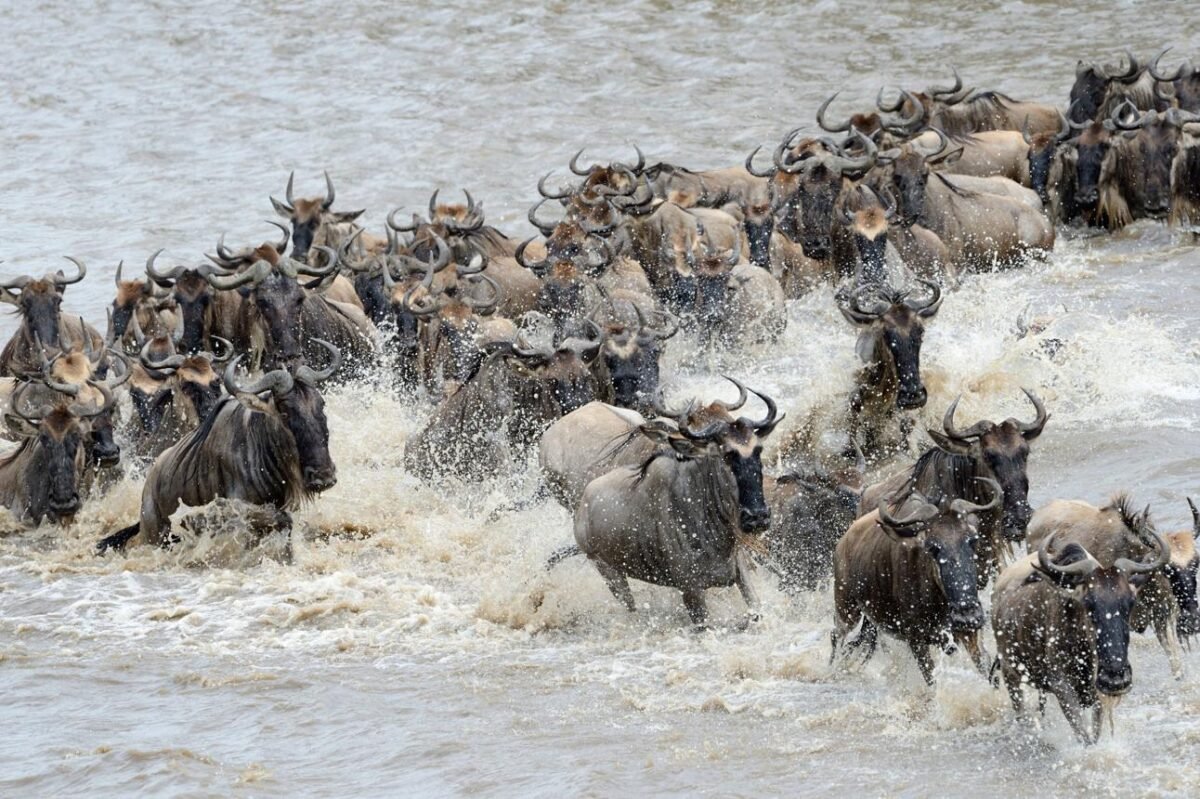
A Guide to Visiting Serengeti National Park helps travelers discover one of Africa’s most famous wildlife destinations. Located in northern Tanzania, the Serengeti offers endless grasslands, remarkable wildlife, and exciting safari adventures.
Moreover, the park hosts the Great Wildebeest Migration, one of the world’s greatest natural events. Visitors can enjoy thrilling game drives, luxury safari lodges, hot air balloon safaris, and breathtaking African sunsets.
Whether you love wildlife photography or peaceful nature experiences, the Serengeti offers something unforgettable. Zamunda Travels Uganda Ltd organizes personalized Tanzania safaris that bring you closer to these incredible landscapes.
This guide covers everything you need to plan your visit, from wildlife and seasons to accommodation and safari costs.
Where Is Serengeti National Park Located?
Serengeti National Park lies in northern Tanzania, within the country’s famous northern safari circuit. It covers approximately 14,763 square kilometers of protected savannah, woodland, rivers, and rolling grasslands.
The park borders Kenya’s Maasai Mara ecosystem to the north. Additionally, it connects with the Ngorongoro Conservation Area and other important wildlife habitats.
The name Serengeti comes from the Maa language and is commonly translated as “endless plains.” This description perfectly captures the park’s beautiful, open landscapes.
In 1981, UNESCO recognized Serengeti National Park as a World Heritage Site. Today, it remains one of Africa’s most important wildlife conservation areas.
Why Is Serengeti National Park Famous?
Serengeti National Park is especially famous for its extraordinary wildlife populations and annual migration.
Millions of grazing animals move across the greater Serengeti ecosystem in search of fresh grass and water. Meanwhile, lions, cheetahs, leopards, and hyenas follow these herds.
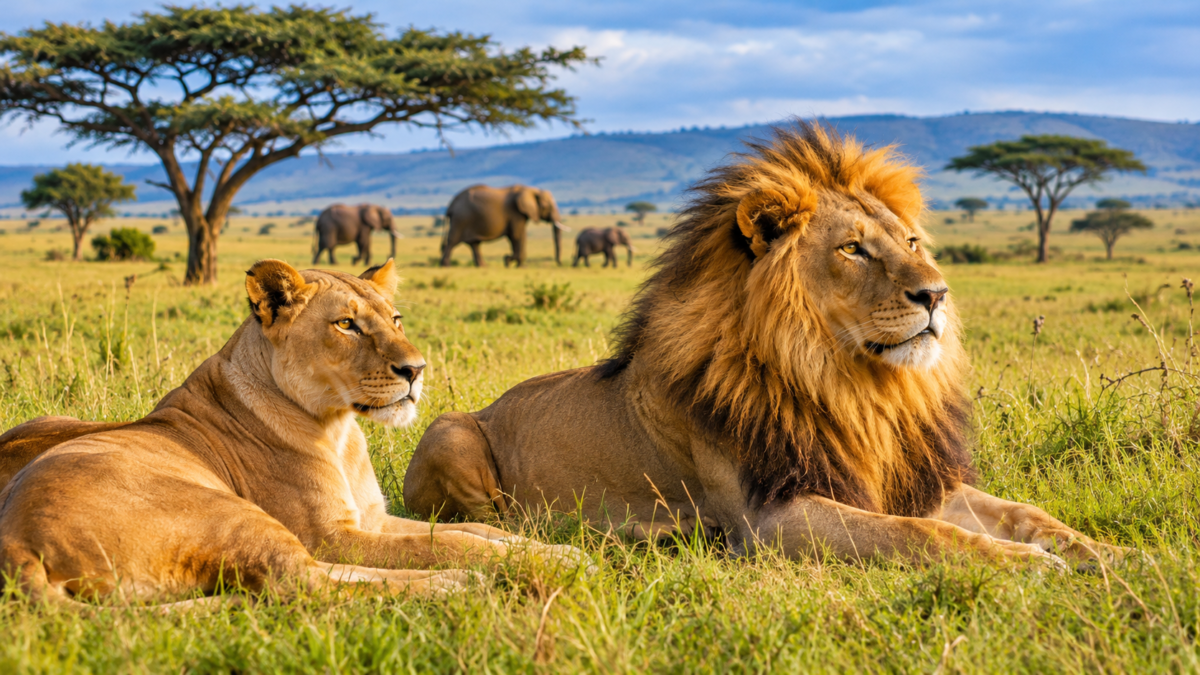
The park also offers excellent opportunities to observe Africa’s Big Five. These animals include lions, leopards, elephants, buffaloes, and rhinoceroses.
Furthermore, the Serengeti provides beautiful photography opportunities throughout the year.
Best Time to Visit Serengeti National Park
The best time to visit Serengeti National Park depends on your preferred wildlife experiences. Fortunately, visitors can enjoy excellent game viewing throughout the year.
However, different seasons offer unique opportunities.
June to October: Dry Season
June through October generally brings drier conditions and easier wildlife viewing.
During this period, vegetation becomes thinner, making animals easier to spot. Additionally, many animals gather around remaining water sources.
The northern Serengeti is especially popular between July and October. During these months, migrating wildebeest may cross the Mara River.
However, river crossings depend on rainfall and animal movements. Therefore, sightings cannot be guaranteed.
November to May: Green Season
The green season brings fresh vegetation, dramatic skies, and beautiful landscapes.
Between January and March, many wildebeest give birth across the southern Serengeti ecosystem. This attracts predators and creates exciting wildlife encounters.
Meanwhile, April and May often bring heavier rainfall and fewer visitors. Some roads become muddy, but the scenery is particularly beautiful.
Zamunda Travels helps travelers choose suitable dates based on wildlife interests, travel budgets, and preferred safari experiences.
The Great Wildebeest Migration in Serengeti
The Great Wildebeest Migration is among the most extraordinary wildlife spectacles on Earth.
Millions of wildebeest, zebras, and gazelles move through the Serengeti–Mara ecosystem. Their movements follow seasonal rainfall and the availability of fresh grazing.
Along the journey, animals face predators, challenging terrain, and dangerous rivers.
Serengeti Great Migration Calendar
| Months | Typical migration location | Main experience |
|---|---|---|
| December–March | Southern Serengeti and Ndutu | Calving and predator activity |
| April–May | Central and western areas | Large migrating herds |
| May–July | Western Corridor | Grumeti River area and migration |
| July–October | Northern Serengeti | Potential Mara River crossings |
| November–December | Moving southward | Herd movements toward southern plains |
These dates are approximate because rainfall patterns change every year.
Therefore, Zamunda Travels recommends flexible migration safari itineraries. Choosing accommodation near the expected herds can improve your chances of enjoying the migration.
Wildlife You Can See in Serengeti National Park
Serengeti National Park supports an impressive variety of African wildlife.
Its open savannah provides excellent feeding grounds for grazing animals. Meanwhile, rivers and woodlands provide shelter for different species.
The Big Five Animals
Visitors may encounter lions, elephants, African buffaloes, leopards, and black rhinoceroses.
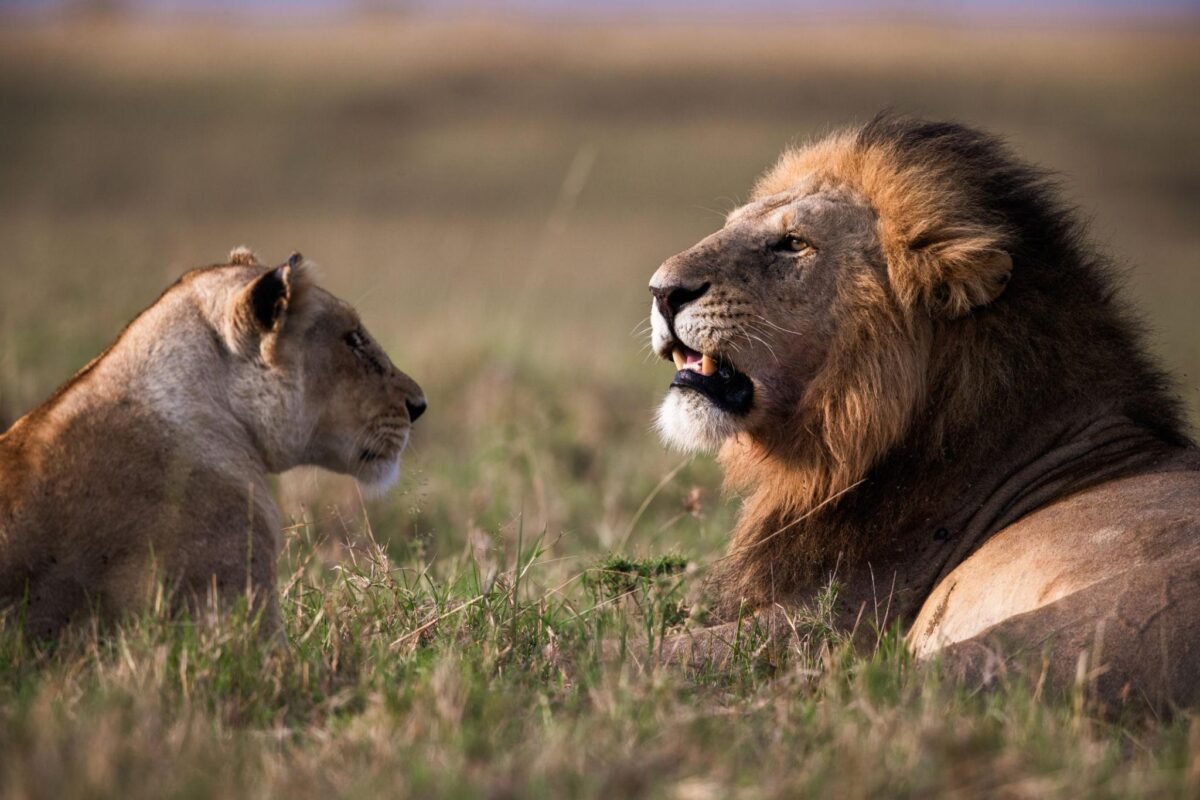
Lions are particularly common in productive wildlife areas such as Seronera. Leopards often rest in trees or hide near riverine vegetation.
Elephants travel through woodland and grassland habitats. However, black rhinoceroses are rare and difficult to observe.
Other Wildlife in Serengeti
Besides the Big Five, visitors can spot cheetahs, giraffes, zebras, wildebeest, hyenas, hippos, and crocodiles.
Cheetahs are especially fascinating on open grasslands. Their speed and hunting behavior make them favorite subjects for wildlife photographers.
Furthermore, the Serengeti hosts hundreds of bird species. Common sightings include ostriches, secretary birds, vultures, eagles, and colorful rollers.
Zamunda Travels can arrange specialized wildlife photography and birdwatching safaris for interested travelers.
Best Things to Do in Serengeti National Park
The Serengeti offers more than traditional game drives. Visitors can enjoy several exciting activities during their Tanzania safari.
Game Drives in Serengeti
Game drives remain the most popular safari activity.
Experienced guides explore wildlife-rich areas using safari vehicles. Early morning drives are particularly rewarding because many predators remain active.
Afternoon game drives also offer excellent photography opportunities. Moreover, changing sunlight creates beautiful colors across the savannah.
Hot Air Balloon Safaris
A hot air balloon safari offers a spectacular view of the Serengeti.
Flights normally begin around sunrise, depending on weather conditions. From above, visitors enjoy sweeping views of grasslands and wildlife.
Many balloon experiences include a bush breakfast after landing.
However, these flights cost extra and require advance booking.
Wildlife Photography
The Serengeti is one of Africa’s leading wildlife photography destinations.
Photographers can capture lions resting on rocky outcrops, cheetahs hunting, and elephants moving through golden grasslands.
Additionally, sunrise and sunset provide beautiful natural lighting.
Zamunda Travels can arrange private photography safaris with flexible game-drive schedules.
Birdwatching and Nature Experiences
Birdwatching adds another exciting dimension to a Serengeti safari.
Visitors can identify birds of prey, waterbirds, and colorful savannah species. Furthermore, guides explain how different animals interact within their habitats.
Some neighboring conservation areas also offer walking safaris and cultural experiences. However, activities depend on location, permits, and local regulations.
Best Areas to Visit in Serengeti National Park
The Serengeti covers a huge area. Therefore, choosing the right region makes a major difference to your safari.
Central Serengeti – Seronera
Central Serengeti provides excellent year-round wildlife viewing.
The Seronera Valley attracts lions, leopards, elephants, and grazing animals. Moreover, the region contains numerous safari lodges and established game-drive routes.
It is an excellent choice for first-time safari visitors.
Northern Serengeti – Mara River
Northern Serengeti is famous for seasonal wildebeest river crossings.
The region offers remote landscapes and spectacular wildlife photography. However, visitors should stay several nights to improve their chances of witnessing migration activity.
Western Corridor – Grumeti
The Western Corridor features riverine forests, open plains, and beautiful landscapes.
During certain months, migrating wildebeest move through this region. Additionally, the Grumeti River supports crocodiles and other wildlife.
Southern Serengeti and Ndutu
The southern plains are famous for seasonal wildebeest calving.
Between January and March, visitors may witness newborn wildebeest and active predators. However, much of the Ndutu area lies within the neighboring Ngorongoro Conservation Area.
Zamunda Travels selects safari routes according to seasonal wildlife movements and travelers’ interests.
How to Get to Serengeti National Park
Most international visitors reach the Serengeti through Kilimanjaro International Airport or Arusha.
From there, travelers can continue by road or domestic safari flight.
Traveling by Road
A road safari commonly starts in Arusha and passes through the Ngorongoro Conservation Area.
The journey to central Serengeti can take approximately seven to nine hours. However, driving times vary depending on roads, stops, and weather.
Traveling by road also allows visitors to explore other northern Tanzania attractions.
Traveling by Air
Domestic flights connect Arusha and other safari airports with Serengeti airstrips.
Common arrival points include Seronera and Kogatende, depending on the destination.
Flying saves travel time and offers wonderful aerial views. Therefore, it is ideal for travelers with limited time.
Zamunda Travels can organize airport transfers, safari vehicles, domestic flights, and accommodation arrangements.
Where to Stay in Serengeti National Park
Serengeti National Park offers accommodation for different travel styles and budgets.
Visitors can choose comfortable tented camps, midrange safari lodges, and exclusive luxury properties.
Budget Safari Accommodation
Budget travelers can use designated campsites or selected affordable safari camps.
These options offer a closer connection with nature. However, facilities and comfort levels vary.
Midrange Safari Lodges
Midrange lodges provide comfortable rooms, meals, and excellent safari locations.
Many properties offer beautiful savannah views and friendly hospitality.
Consequently, they are popular among couples, families, and small safari groups.
Luxury Safari Camps
Luxury safari camps provide elegant accommodation in carefully selected wildlife areas.
Some feature private terraces, fine dining, and personalized hospitality. Seasonal camps may also move between locations to follow migration patterns.
Zamunda Travels recommends accommodation according to the travel season, preferred comfort level, and available budget.
Serengeti Safari Cost: How Much Should You Budget?
Serengeti safari costs vary depending on accommodation, transport, season, and group size.
Private safaris generally cost more than shared group tours. However, they offer greater flexibility and personalized game drives.
The following are broad planning estimates rather than confirmed quotations.
| Safari style | Estimated cost per person per day |
|---|---|
| Budget safari | $200–$350 |
| Midrange safari | $350–$650 |
| Luxury safari | $650–$1,200+ |
These estimates assume shared arrangements and vary considerably by itinerary.
For example, a fly-in safari with luxury accommodation usually costs more than a road safari. Single travelers may also pay higher vehicle and room costs.
What Does a Serengeti Safari Package Include?
A package organized by Zamunda Travels can include accommodation, meals, transport, game drives, and guide services.
It can also cover park entry fees and airport transfers.
However, international flights, visas, tips, balloon flights, and personal expenses may cost extra.
Travelers should always request a detailed quotation before booking.
Serengeti National Park Entry Fees
Park fees depend on nationality or residency, age, season, and applicable regulations.
Additionally, vehicle fees, concession fees, and camping charges may apply.
Because tariffs can change, Zamunda Travels confirms applicable fees when preparing each safari quotation.
Sample 5-Day Serengeti Safari Itinerary
A five-day itinerary offers an excellent introduction to Tanzania’s famous wildlife destinations.
Day 1: Arrival in Arusha
Arrive at Kilimanjaro International Airport and transfer to your hotel. Meet your safari guide for a briefing.
Day 2: Arusha to Serengeti National Park
Travel through the Ngorongoro highlands toward the Serengeti. Enjoy wildlife viewing before reaching your lodge.
Day 3: Full-Day Serengeti Game Drive
Explore the Serengeti’s wildlife-rich areas. Look for lions, elephants, leopards, giraffes, and migrating herds when present.
Day 4: Serengeti to Ngorongoro Conservation Area
Enjoy a morning game drive before traveling toward Ngorongoro. Relax and admire the surrounding highland scenery.
Day 5: Ngorongoro Crater and Return to Arusha
Descend into Ngorongoro Crater for an exciting game drive. Afterward, return to Arusha for your onward journey.
Zamunda Travels can customize this itinerary for couples, photographers, families, and private safari groups.
Essential Serengeti Safari Travel Tips
Planning carefully helps visitors enjoy a comfortable and successful safari.
Book accommodation early. Popular camps fill quickly during migration season. Therefore, consider booking several months ahead.
Pack suitable clothing. Choose comfortable, neutral-colored clothing and bring a warm jacket for early mornings.
Carry binoculars. Binoculars help identify distant wildlife and birds.
Protect yourself from the sun. Bring sunscreen, a hat, sunglasses, and drinking water.
Respect wildlife. Never feed wild animals or leave vehicles without permission.
Prepare travel documents. Check passport validity, Tanzania visa requirements, and any applicable health entry rules.
Seek medical advice. Discuss malaria prevention and recommended vaccinations with a qualified healthcare professional.
Allow enough time. Spend at least three nights in the Serengeti when possible. This provides more relaxed game drives and better wildlife opportunities.
Why Book Your Serengeti Safari with Zamunda Travels?
Planning a Serengeti adventure becomes easier with professional safari support.
Zamunda Travels Uganda Ltd organizes customized safaris across Tanzania and other leading East African destinations.
Our safari arrangements focus on enjoyable wildlife experiences, comfortable travel, and carefully selected destinations.
We help travelers choose suitable accommodations, reliable transport, experienced guides, and practical safari schedules.
Furthermore, visitors can combine the Serengeti with Ngorongoro Crater, Tarangire National Park, and Zanzibar.
For a longer African adventure, Zamunda Travels can also arrange combined Tanzania, Kenya, Uganda, and Rwanda safaris.
Whether you want a honeymoon, family safari, photographic expedition, or private wildlife adventure, we can help plan your journey.
Plan Your Serengeti Safari with Zamunda Travels
Website: www.zamundatravels.com
Email: info@zamundatravels.com
WhatsApp: +256 704 705606
Zamunda Travels Uganda Ltd – Beyond Expeditions.
Frequently Asked Questions About Serengeti National Park
Is Serengeti National Park worth visiting?
Yes. Serengeti National Park offers exceptional wildlife encounters, beautiful landscapes, and exciting safari experiences. It is especially famous for the Great Wildebeest Migration.
How many days do you need in Serengeti National Park?
Three to four nights provide a rewarding experience for most first-time visitors. However, longer stays are helpful for migration safaris and wildlife photography.
What is the best month to visit Serengeti National Park?
July to October is popular for northern migration river crossings. Meanwhile, January to March is excellent for southern calving season. Central Serengeti offers rewarding wildlife viewing throughout the year.
Can you see the Big Five in Serengeti National Park?
Yes. All Big Five species occur within the Serengeti ecosystem. However, black rhinoceroses are rare, so sightings are not guaranteed.
Is Serengeti National Park safe for tourists?
Serengeti is generally a well-established safari destination when visitors follow park rules and guide instructions. Always remain inside your vehicle where required and respect wildlife distances.
Final Thoughts
A visit to Serengeti National Park offers one of Africa’s most memorable wildlife experiences. From the Great Migration to extraordinary predator encounters, every safari brings new discoveries.
With careful planning, visitors can enjoy the Serengeti during any season. Book your Tanzania adventure with Zamunda Travels and explore the remarkable beauty of East Africa.