Tanzania Safari from Denmark
November 22, 2026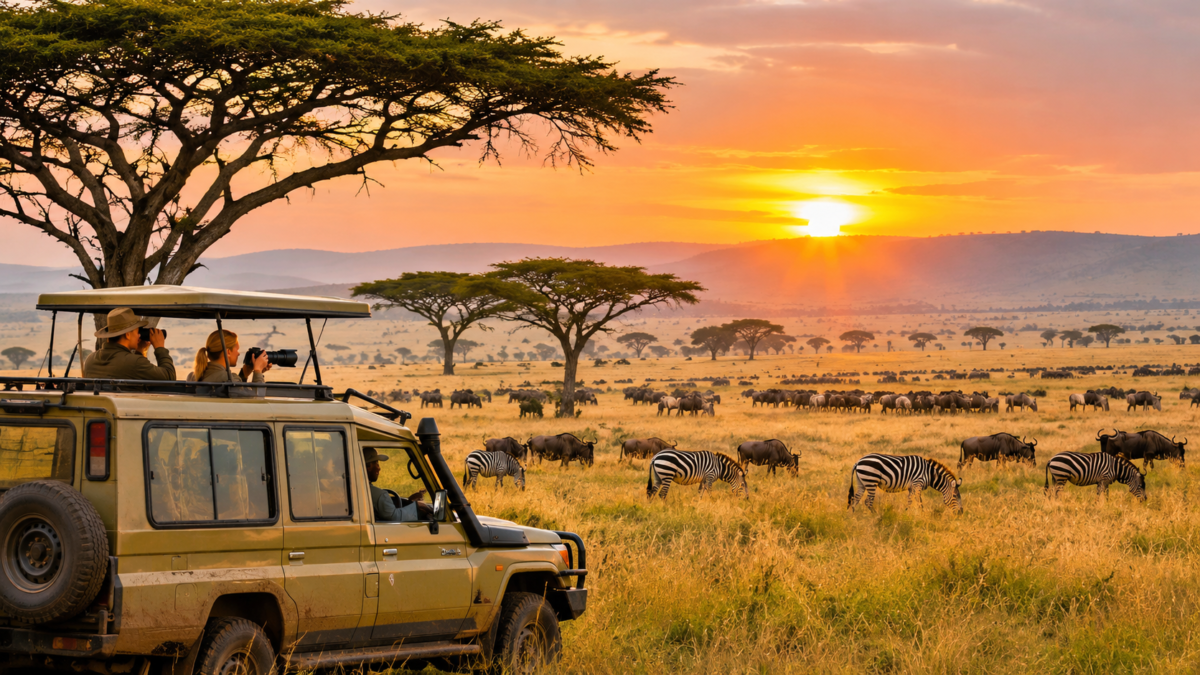
A Tanzania safari from Ireland offers the opportunity to explore some of Africa’s most recognised wildlife destinations, including Serengeti National Park, Ngorongoro Crater and Tarangire National Park. From watching lions on the open plains to observing elephants near ancient baobab trees, Tanzania provides varied wildlife experiences within a single holiday.
For Irish travellers, planning a safari involves more than choosing a national park. You need to consider international flights, travel seasons, accommodation, entry requirements and how much time to spend exploring each destination.
This guide explains how to organise a Tanzania safari from Ireland, which parks to visit, when to travel and how to choose an itinerary that suits your interests and budget.
Why Choose Tanzania for an African Safari?
Tanzania is one of East Africa’s leading wildlife destinations, with national parks, conservation areas and landscapes that support a remarkable variety of animals.
The northern safari circuit is particularly attractive for first-time visitors because it connects several major wildlife destinations. These include Serengeti National Park, Ngorongoro Conservation Area, Tarangire National Park and Lake Manyara National Park.
Travellers can enjoy guided game drives, wildlife photography, birdwatching and visits to conservation landscapes. Depending on the itinerary, cultural experiences and a beach extension to Zanzibar can also be included.
Tanzania is particularly suitable for travellers interested in observing wildlife in natural habitats rather than visiting animal attractions. However, sightings depend on the season, weather, animal movements and time spent exploring each area.
How to Travel from Ireland to Tanzania
Travelling from Ireland to Tanzania generally involves an international flight connection before reaching East Africa. Choosing the correct arrival airport is important because it affects your safari route and transfer arrangements.
Flights from Dublin to Tanzania
Dublin Airport is a practical departure point for many Irish travellers planning an African safari. International itineraries may involve connections through major airline hubs in Europe, the Middle East or Africa.
Flight availability and connection times vary by airline and travel date. Therefore, travellers should compare complete itineraries rather than selecting flights based only on the cheapest advertised fare.
Before booking, check whether your ticket includes checked luggage, whether connections require changing airports and whether you will need to collect and recheck your bags.
Travellers departing from Cork, Shannon or other Irish airports should also compare the total journey time against travelling to Dublin first.
Which Airport Should You Arrive At?
Kilimanjaro International Airport is a practical arrival point for many northern Tanzania safari itineraries. From there, travellers can continue towards Arusha, a common starting point for safaris visiting Tarangire, Ngorongoro and Serengeti.
Arusha Airport is also used for domestic flights, including connections to safari destinations where suitable services operate.
Julius Nyerere International Airport in Dar es Salaam may be useful for travellers visiting other parts of Tanzania or arranging onward domestic flights.
Abeid Amani Karume International Airport in Zanzibar is relevant for travellers combining their wildlife safari with a beach holiday.
For a northern Tanzania safari, choosing Kilimanjaro International Airport can simplify the overall route. However, the best airport depends on the confirmed itinerary and available flights.
Best Places to Visit on a Tanzania Safari
Tanzania offers several excellent wildlife destinations, but each provides a different experience. The right combination depends on your available time, wildlife interests and preferred travel style.
Serengeti National Park – Big Cats and the Great Migration
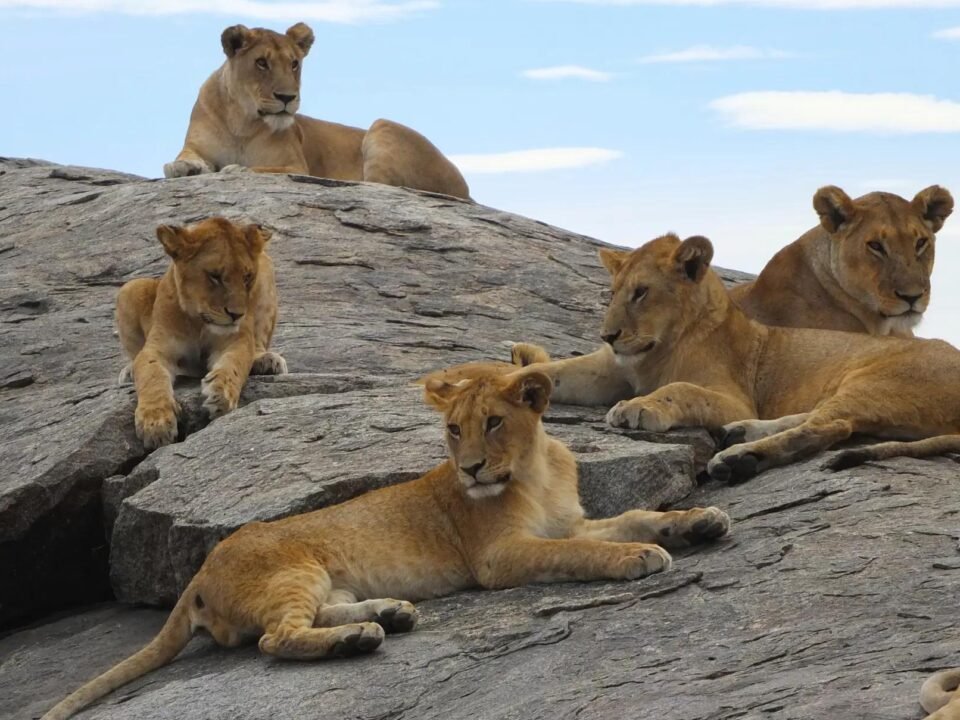
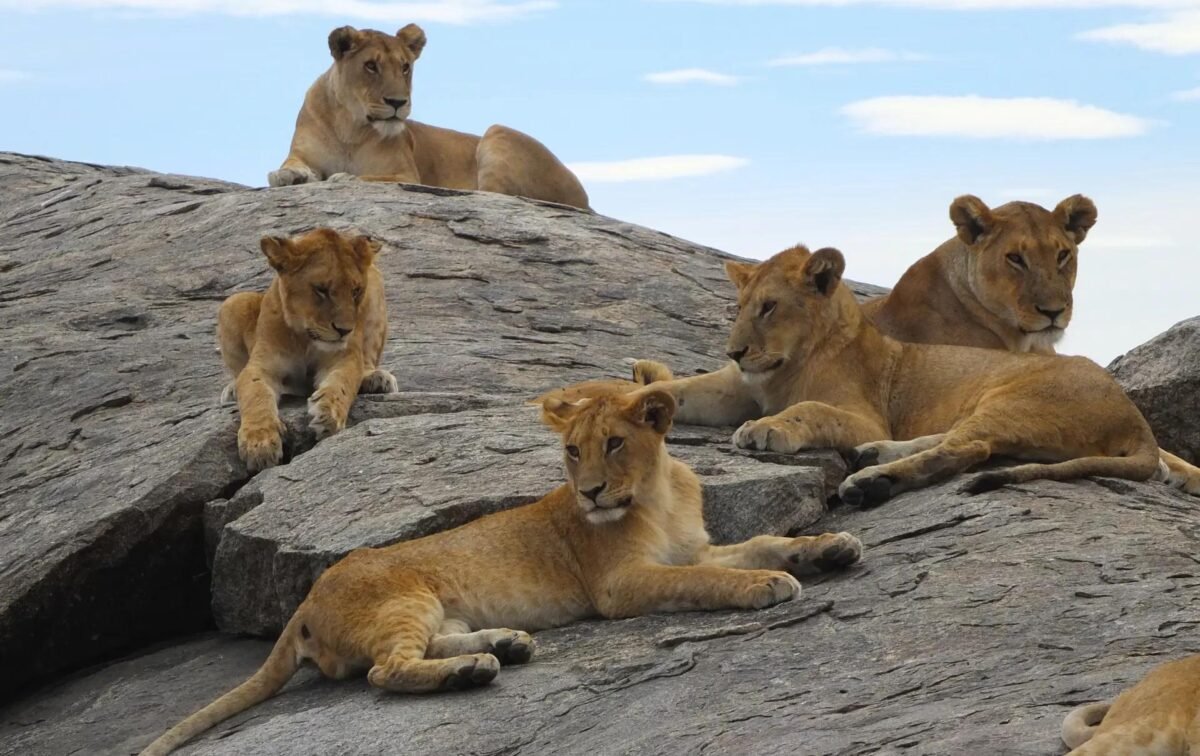
Serengeti National Park is one of Tanzania’s best-known safari destinations. Its open grasslands, rocky outcrops and extensive plains provide habitats for lions, leopards, cheetahs, elephants, giraffes and many antelope species.
The park is also famous for the Great Migration, during which wildebeest and zebras move through the wider Serengeti–Mara ecosystem in response to seasonal rainfall and grazing conditions.
Travellers interested in the migration should understand that the animals do not remain in one location throughout the year. The best area to visit depends on the expected seasonal movements.
Wildlife sightings are never guaranteed, and a particular river crossing cannot be promised for a specific date.
For travellers interested in big cats and wildlife photography, spending several nights in Serengeti generally provides more flexibility than attempting a brief visit.
Ngorongoro Crater – Wildlife Within a Volcanic Landscape
Ngorongoro Crater is a major wildlife destination within the Ngorongoro Conservation Area.
The crater floor contains grassland, woodland, wetlands and freshwater habitats. Visitors may encounter lions, buffaloes, zebras, wildebeest, hippos and, with luck, black rhinos.
One of the crater’s advantages is that different habitats can be explored during a guided game drive within a relatively concentrated area.
However, visitor numbers can be significant during popular travel periods. It is important to plan the crater excursion carefully and follow the conservation authority’s rules.
The Ngorongoro Conservation Area Authority requires visitors to use authorised roads and licensed guides when visiting the crater.
Tarangire National Park – Elephants and Baobab Trees
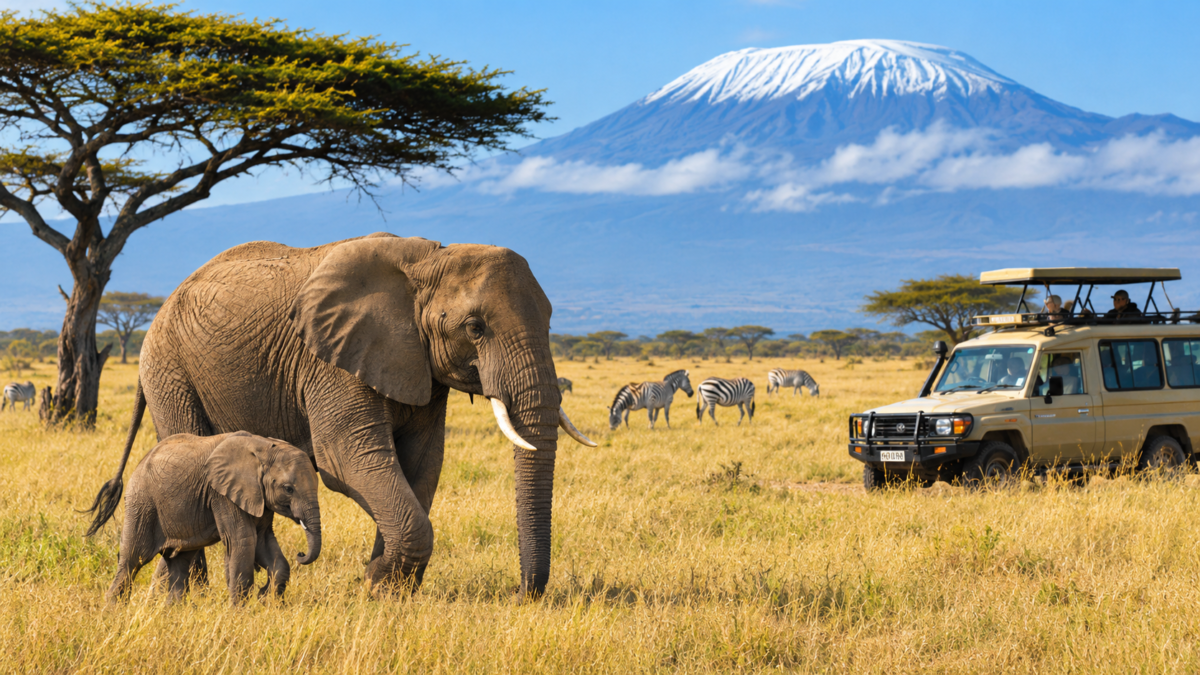
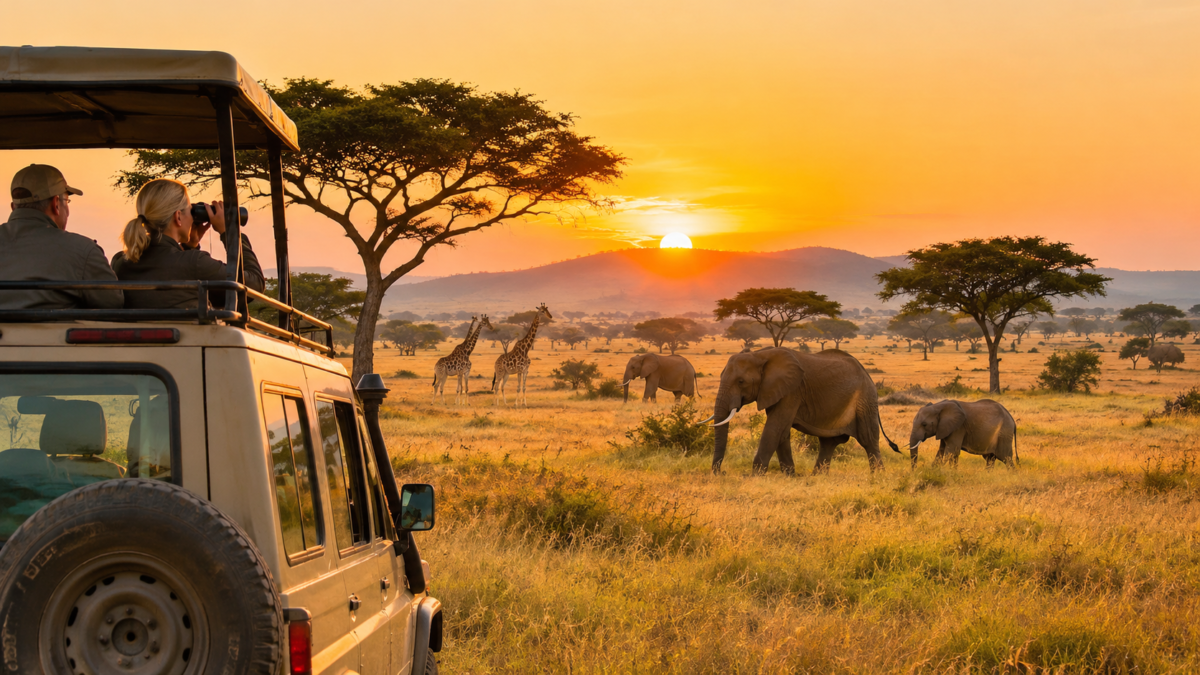
Tarangire National Park is especially appealing to travellers who enjoy elephants, birdwatching and varied savannah landscapes.
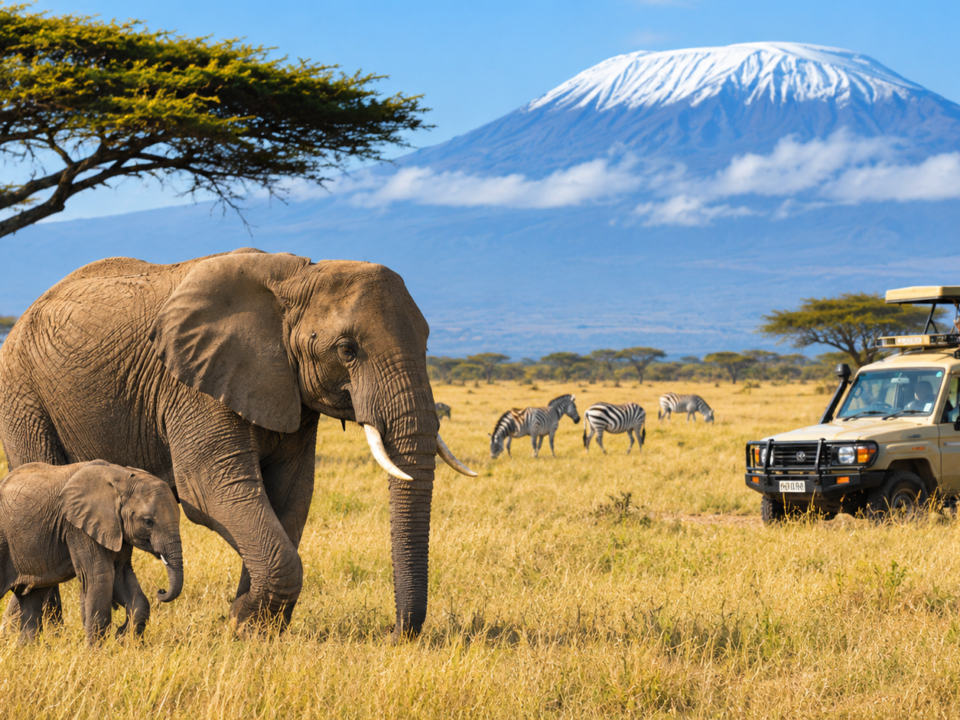
The park is known for its large baobab trees, seasonal river habitats and wildlife concentrations around available water during drier periods.
Visitors may encounter elephants, giraffes, zebras, buffaloes, antelopes and predators.
Tarangire can be a useful addition to a northern Tanzania itinerary because it offers a different landscape from Serengeti and Ngorongoro.
Travellers with limited time may choose Tarangire and Ngorongoro rather than attempting to include too many distant destinations.
Lake Manyara National Park – Forests, Birds and Rift Valley Scenery
Lake Manyara National Park offers a different safari environment, with groundwater forests, open areas and lakeside habitats.
The park is associated with birdlife, monkeys, elephants and other wildlife. It is also known for occasional sightings of tree-climbing lions, although these should not be expected on every visit.
Lake Manyara can fit into a northern Tanzania safari when the itinerary allows sufficient time.
For travellers whose main priority is extended big-cat photography or the Great Migration, additional time in Serengeti may be more valuable.
When Is the Best Time to Visit Tanzania from Ireland?
Tanzania can be visited throughout the year, but the best season depends on the wildlife experience you want.
Rainfall affects road conditions, vegetation, animal movements and visibility. Therefore, travellers should choose their dates based on their priorities rather than assuming one month is ideal for every safari.
June to October – Popular Dry-Season Safaris
The June-to-October period is generally associated with drier conditions across much of northern Tanzania.
Wildlife may become easier to locate around permanent water sources as seasonal water becomes less available.
These months are attractive for Irish travellers planning summer holidays, particularly those interested in combining wildlife viewing with time away from home during July or August.
However, popular safari areas and accommodation can become busy. Early planning is sensible when travelling during school holidays or when specific lodges are important.
November to December – Short Rains and Changing Landscapes
November and December often bring shorter seasonal rains, although rainfall patterns vary.
Vegetation can become greener, and the landscape may be particularly attractive for photography. However, rain can also affect driving conditions and travel arrangements.
The Irish Department of Foreign Affairs has warned that above-average rainfall was expected in parts of Tanzania during October to December 2026, with possible transport disruption.
Travellers visiting during this period should check updated forecasts and allow flexibility in their plans.
January to March – Calving Season and Predator Activity
The southern Serengeti and Ndutu areas are particularly interesting during the early months of the year.
Seasonal rainfall can attract large numbers of migrating wildebeest to the short-grass plains, where calving activity may occur.
This can also attract predators, making the season interesting for wildlife photographers.
According to the Ngorongoro Conservation Area Authority’s seasonal guidance, late February and early March are often favourable periods for observing migration activity on the southern plains.
Actual wildlife locations still depend on rainfall and animal movements.
April to May – The Wetter Safari Season
April and May generally fall within Tanzania’s main rainy season.
The landscape can be green, but heavier rainfall may affect roads and access to some areas. Travellers should also confirm whether their preferred accommodation operates during these months.
A safari remains possible in suitable areas, but the itinerary should account for weather-related delays.
For Irish travellers seeking predictable road conditions and extensive game drives, the drier months may be more convenient.
How Many Days Do You Need for a Tanzania Safari?
The ideal duration depends on how many parks you want to visit and whether you plan to include Zanzibar.
A short safari can provide rewarding wildlife encounters, but attempting to visit too many parks often means spending a large proportion of the holiday on the road.
Four to Five Days
A four- or five-day safari may suit travellers with limited time. A carefully designed itinerary could focus on Tarangire and Ngorongoro, with another destination included only when the route is practical.
This option is best for visitors who prefer a shorter introduction to Tanzania’s wildlife.
Six to Eight Days
Six to eight days provide more flexibility for exploring the northern safari circuit.
An itinerary could combine Tarangire, Serengeti and Ngorongoro while allowing additional time for game drives.
This is a suitable starting point for many first-time visitors who want to experience different landscapes without rushing every destination.
Nine to Twelve Days
A longer holiday provides opportunities for additional nights in Serengeti, slower travel and a possible Zanzibar extension.
Travellers interested in photography may benefit from spending more time in fewer locations rather than changing accommodation every night.
For a Tanzania safari from Ireland, it is also important to allow for international travel and the possibility of flight delays.
Example Eight-Day Tanzania Safari Itinerary
The following is an illustrative northern Tanzania itinerary. It is not a confirmed Zamunda package, and the final programme would depend on accommodation, road conditions, flight schedules and park arrangements.
Day 1 – Arrival at Kilimanjaro International Airport
Arrive in Tanzania and transfer to accommodation in Arusha.
Depending on your arrival time, the remainder of the day can be used to relax after the international journey.
Overnight in Arusha.
Day 2 – Arusha to Tarangire National Park
Depart Arusha and travel towards Tarangire National Park.
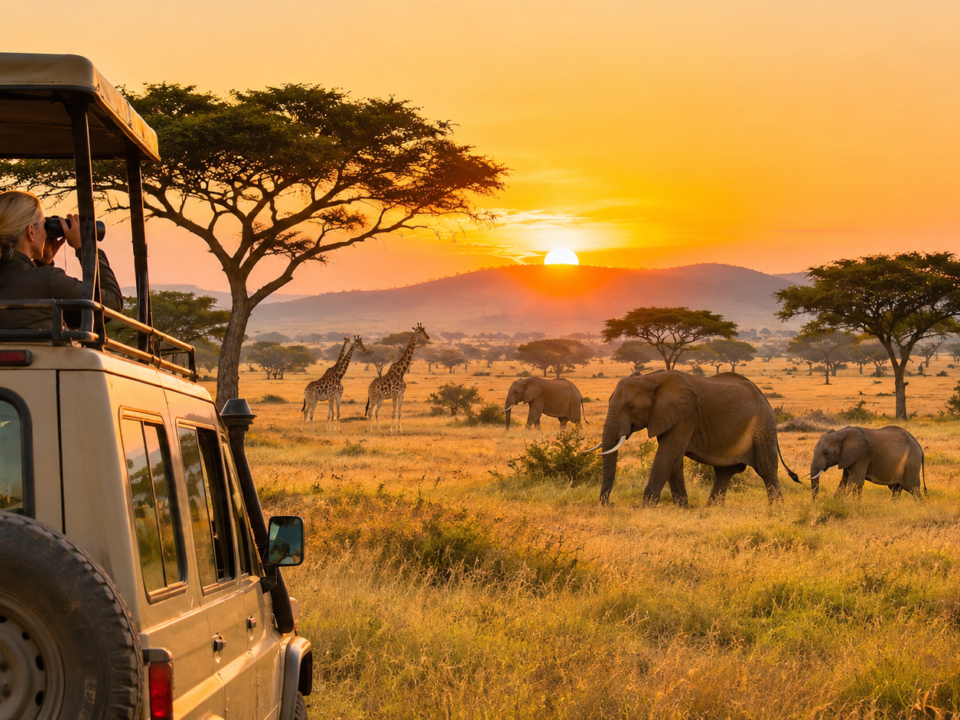
Enjoy a guided game drive, looking for elephants, giraffes, zebras and other wildlife.
Overnight near Tarangire or along the northern safari circuit.
Day 3 – Transfer to Serengeti National Park
Continue towards Serengeti through the Ngorongoro Conservation Area, subject to the confirmed route and required permits.
This is a substantial travel day. The amount of wildlife viewing available will depend on road conditions and departure time.
Overnight in Serengeti.
Day 4 – Full-Day Serengeti Safari
Spend the day exploring Serengeti National Park with your safari guide.
Game drives may focus on areas where wildlife activity has recently been observed.
Look for lions, elephants, giraffes, antelopes and other animals while enjoying the park’s open landscapes.
Overnight in Serengeti.
Day 5 – Another Day Exploring Serengeti
Enjoy additional game drives in Serengeti.
Having another day in the park provides flexibility to explore different areas rather than relying on a single day’s sightings.
Overnight in Serengeti.
Day 6 – Serengeti to Ngorongoro Area
Enjoy a morning wildlife drive, depending on the location of your accommodation and departure arrangements.
Later, travel towards the Ngorongoro area.
Overnight at accommodation selected for convenient access to the crater excursion.
Day 7 – Ngorongoro Crater Safari
Descend into Ngorongoro Crater for a guided wildlife drive, subject to the conservation authority’s access regulations.
Explore the crater’s grasslands, wetlands and woodland habitats while looking for lions, buffaloes, zebras and other wildlife.
Later, travel towards Karatu or Arusha, depending on the final itinerary.
Day 8 – Departure
Transfer to Kilimanjaro International Airport for your onward journey.
The final transfer and departure arrangements should be planned around your confirmed international flight time.
This itinerary provides a practical example of how to combine three major wildlife destinations without adding unnecessary park changes.
How Much Does a Tanzania Safari from Ireland Cost?
The cost of a Tanzania safari depends on the travel season, accommodation category, number of travellers, transport arrangements and the parks included.
A private safari for two travellers will have a different cost structure from a larger group sharing transport.
Accommodation also makes a significant difference. Simple safari lodges, comfortable mid-range tented camps and luxury properties offer different levels of service and facilities.
What Usually Affects the Safari Price?
Park entry fees, conservation charges and applicable vehicle fees can form a significant part of the overall safari cost.
Other expenses may include a private safari vehicle, driver-guide services, fuel, accommodation, meals, airport transfers and domestic flights.
Travellers should request a written quotation that clearly identifies which services are included.
In particular, confirm whether the proposed price includes international flights from Ireland, park fees, accommodation, meals, drinking water, transfers and any optional activities.
No fixed Zamunda safari package price is stated here because prices depend on the actual itinerary and confirmed travel arrangements.
Is a Private Safari Worth Considering?
A private safari can be useful for couples, families and wildlife photographers who prefer a personalised programme.
It allows the itinerary to be designed around particular interests, such as big cats, elephants or birdwatching.
However, private transport costs are shared among fewer travellers, which can make the per-person price higher than a group departure.
For travellers comparing packages, the most important consideration is whether the proposed safari matches their priorities and includes the services they expect.
Zamunda Travels Uganda Ltd can help prepare a personalised Tanzania safari itinerary based on your travel dates, preferred accommodation and wildlife interests.
Tanzania Visa Requirements for Irish Travellers
Irish passport holders require a visa to enter Tanzania for tourism.
According to Tanzania Immigration Services, the ordinary single-entry tourist visa costs US$50 and permits a stay of up to 90 days, subject to immigration approval.
Ireland’s Department of Foreign Affairs recommends applying for an eVisa before travelling. A single-entry visa may also be available on arrival at designated entry points, subject to immigration requirements.
Irish passports should have at least six months’ validity from the date of entry and at least one unused visa page. Irish passport cards are not accepted.
Travellers should use the official Tanzania eVisa portal rather than relying on unofficial visa agencies.
Visa requirements can change, so confirm the current rules before booking and again before departure.
Travel Insurance and Health Advice
Health preparation is an important part of planning a safari, particularly when visiting remote wildlife areas.
Mandatory Inbound Travel Insurance
Ireland’s Department of Foreign Affairs advises that visitors to mainland Tanzania and Zanzibar, other than residents, must obtain mandatory inbound travel insurance from the designated Tanzanian provider.
Travellers entering mainland Tanzania first are directed to the National Insurance Corporation. Those entering Zanzibar first are directed to the Zanzibar Insurance Corporation.
The official guidance states that one qualifying inbound policy can cover both mainland Tanzania and Zanzibar.
This mandatory policy should not be confused with comprehensive travel insurance purchased in Ireland.
Irish travellers should also arrange suitable cover for medical treatment, emergency evacuation, cancellation and any activities planned during their holiday.
Check the latest requirements through Ireland’s official Tanzania travel advice.
Vaccinations and Malaria Prevention
Travellers should consult their GP or a qualified travel-health clinic at least eight weeks before departure.
Malaria is a recognised risk in Tanzania, and travellers should obtain professional advice about suitable preventive medication.
Long sleeves, insect repellent and appropriate mosquito protection can help reduce exposure to mosquito bites.
Yellow fever certificate requirements depend on travel history and transit arrangements. This is particularly relevant for travellers connecting through another African country.
Do not assume that travelling directly from Ireland and travelling through a yellow-fever-risk country involve identical requirements.
Health Screening and Travel Updates
Ireland’s official Tanzania travel advice reports that health surveillance forms and additional screening measures were introduced in October 2026.
Travellers should check whether these requirements remain in force for their intended departure dates.
Health and border procedures may change, particularly when public-health alerts affect the region.
Can You Combine a Tanzania Safari with Zanzibar?
Yes. A Tanzania safari can be combined with time on the beaches of Zanzibar, allowing travellers to enjoy wildlife viewing followed by a more relaxed coastal stay.
Zanzibar offers Indian Ocean beaches, historic Stone Town, cultural experiences and a variety of accommodation options.
A safari-and-beach holiday may be particularly appealing to couples and honeymooners travelling from Ireland.
However, adding Zanzibar requires additional travel arrangements. Domestic flights, transfers and the international departure airport should be considered before finalising the itinerary.
For travellers with limited holiday time, it may be better to prioritise the safari rather than reduce every national park visit to accommodate a beach extension.
Those with a longer holiday can divide their time between wildlife exploration and Zanzibar according to their interests.
How to Plan and Book Your Tanzania Safari from Ireland
Planning a safari becomes easier when you establish your priorities before comparing packages.
First, choose your preferred travel period. Consider the wildlife season, Irish school holidays if relevant and how flexible your departure dates are.
Next, decide which animals or experiences matter most. Travellers interested in the Great Migration may need a different Serengeti itinerary from those prioritising elephants or a short introduction to wildlife.
Then, decide how many days you can spend in Tanzania, including international travel.
Choose an accommodation category that suits your budget and expectations. Mid-range lodges and tented camps can provide comfortable accommodation without requiring the highest-priced properties.
Finally, request a detailed itinerary and quotation. Confirm accommodation names, transport arrangements, included park fees, meal plans, payment conditions and cancellation policies.
Common Mistakes to Avoid
One common planning mistake is including too many distant destinations within a short itinerary.
Another is choosing travel dates solely around the Great Migration without considering where the animals are likely to be during that season.
Travellers should also avoid comparing safari prices without checking inclusions. A package excluding park fees or airport transfers may not be directly comparable with one that includes them.
Finally, do not leave passport checks, health advice and insurance arrangements until the final days before departure.
Plan Your Tanzania Safari with Zamunda Travels
A Tanzania safari from Ireland is most rewarding when the itinerary matches your wildlife interests, available time and preferred travel style.
Whether you want to explore Serengeti, visit Ngorongoro Crater, photograph elephants in Tarangire or combine your safari with Zanzibar, thoughtful planning helps make better use of your holiday.
Zamunda Travels Uganda Ltd arranges East African safari experiences, including personalised travel itineraries in Tanzania.
Share your preferred travel dates, number of travellers, accommodation preferences and wildlife interests to begin planning your safari.
Zamunda Travels Uganda Ltd
Website: www.zamundatravels.com
Email: info@zamundatravels.com
WhatsApp: +256 704 705 606
Beyond Expedition
Frequently Asked Questions About Tanzania Safaris from Ireland
Can I fly directly from Ireland to Tanzania?
Travellers should plan for a connecting international flight unless a suitable direct service is confirmed for their dates. Dublin is a practical departure airport for many Irish travellers. Kilimanjaro International Airport is often convenient for northern Tanzania safaris, while Zanzibar and Dar es Salaam may suit different itineraries. Check current airline schedules before booking.
Do Irish citizens need a visa for Tanzania?
Yes. Irish passport holders require a visa for tourism in Tanzania. The official ordinary single-entry visa fee is US$50, with a permitted stay of up to 90 days, subject to approval. Applying through the official Tanzania eVisa portal before departure is recommended. Travellers should also check passport validity and current entry requirements.
What is the best time to visit Serengeti from Ireland?
Serengeti can be visited throughout the year, but the best period depends on your wildlife interests. June to October is generally associated with drier conditions, while the southern plains can be particularly interesting during the early-year calving season. Migration movements vary with rainfall, so specific animal encounters cannot be guaranteed.
How many days should I spend on a Tanzania safari?
Six to eight safari days are a useful starting point for travellers wanting to explore Serengeti, Ngorongoro and Tarangire. Shorter itineraries can focus on fewer destinations, while longer holidays allow more time for photography or a Zanzibar extension. Include international travel days when calculating the total length of your holiday.
Is Tanzania suitable for a first-time safari traveller?
Yes. Tanzania’s northern safari circuit offers a combination of wildlife destinations, established safari accommodation and guided game drives. First-time travellers may find a private guided itinerary particularly convenient because transport and park visits can be arranged in advance. Following park regulations and choosing reliable operators remain important.
Can I combine Serengeti and Zanzibar in one holiday?
Yes. A Serengeti safari and Zanzibar beach stay can be included in one Tanzania itinerary. The combination works best when sufficient time is allowed for wildlife viewing, domestic transfers and relaxation. Travellers should confirm flight availability and avoid planning a tight connection between their final safari activity and international departure.
What should I pack for a Tanzania safari?
Pack lightweight clothing in neutral colours, comfortable closed shoes, a warm layer for cool mornings, sun protection, insect repellent and any prescribed medication. Binoculars and a camera are useful for wildlife viewing. Travellers should also carry passport documents, insurance details and suitable luggage for any domestic flights included in the itinerary.