Arusha National Park
October 7, 2026
Nyerere National Park Safari
October 7, 2026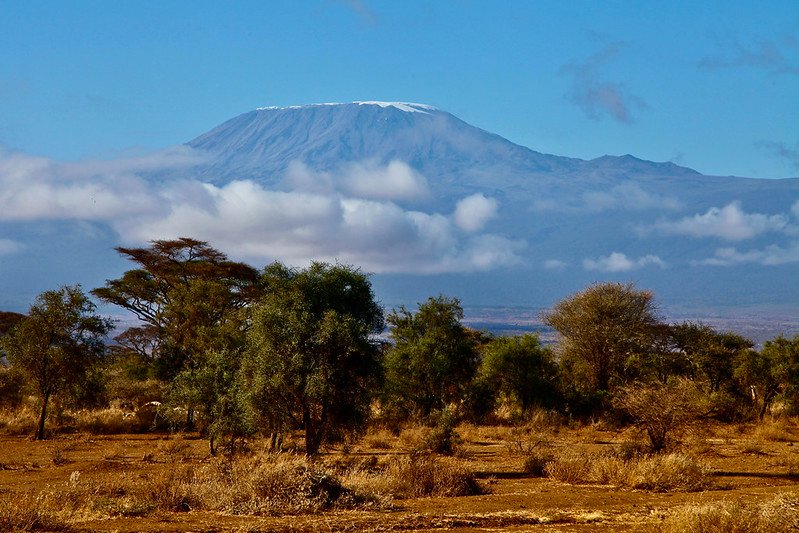
Mount Kilimanjaro is one of Africa’s most remarkable natural landmarks and the highest mountain on the continent. Rising to 5,895 metres (19,341 feet) above sea level, the mountain stands in northern Tanzania near the Kenyan border. Unlike many famous mountains, Kilimanjaro does not form part of a long mountain range. Instead, it rises dramatically from the surrounding plains. This makes the summit especially impressive. Mount Kilimanjaro climbing is therefore more than a physical challenge. It is a journey through changing landscapes, climates, and ecosystems before reaching Uhuru Peak, the highest point in Africa. At Zamunda Travels, we help travellers understand what the climb involves so they can choose a suitable route, prepare properly, and enjoy the mountain responsibly.
Mount Kilimanjaro at a Glance
Mount Kilimanjaro is a massive volcanic mountain located within Kilimanjaro National Park in northern Tanzania. The mountain has three main volcanic cones: Kibo, Mawenzi, and Shira. Kibo contains Uhuru Peak, which rises to 5,895 metres and represents the highest point in Africa. Mawenzi reaches about 5,149 metres, while Shira rises to about 3,962 metres. Kibo is the highest of the three and forms the main summit area visited by trekkers. The mountain also has several distinct ecological zones. As you climb, you can move from cultivated lower slopes into montane forest, heath and moorland, alpine desert, and finally the cold summit zone. This remarkable change can happen within a single multi-day trek.
Kilimanjaro National Park protects the mountain and its surrounding natural environments. UNESCO recognised the park as a World Heritage Site because of the mountain’s exceptional landscape, ecological importance, and outstanding natural features. The park covers approximately 75,575 hectares and protects the mountain above the tree line as well as important forest areas. The mountain’s isolated position gives visitors impressive views over the Tanzanian plains when weather conditions are clear. For travellers booking with Zamunda Travels, this combination of scenery, wildlife, culture, and physical adventure makes Kilimanjaro an excellent addition to a wider Tanzania safari.
Why Climb Mount Kilimanjaro?
One of the biggest attractions of Kilimanjaro is accessibility. You do not need advanced mountaineering skills to reach Uhuru Peak on a standard trekking route. Most routes do not require technical rock climbing or ropes. However, this does not mean the mountain is easy. The main challenge comes from altitude, long walking days, changing weather, cold temperatures, and the final summit push. Tanzania National Parks notes that climbs can take between five and eight days depending on the route, while additional time can improve acclimatization.
The experience also offers an unusual sense of progression. You begin in a relatively warm environment and gradually enter cooler and more demanding landscapes. Forest birds and vegetation dominate the lower slopes. Higher up, the vegetation becomes shorter and more specialised. Eventually, the landscape becomes rocky and dry before the summit environment takes over. During the final ascent, climbers often walk through darkness and aim to reach the summit around sunrise. Standing at Uhuru Peak while the surrounding landscape begins to brighten is one of the defining experiences of a Kilimanjaro trek.
For many travellers, the climb also becomes a personal achievement. You do not need to be an elite athlete. Instead, you need preparation, patience, determination, and enough time for your body to adjust to altitude. A well-planned itinerary can make a significant difference. This is why Zamunda Travels focuses on choosing suitable routes and realistic trekking schedules rather than simply selecting the shortest climb.
Mount Kilimanjaro Climbing Routes
Choosing the right route is one of the most important decisions when planning your trek. Kilimanjaro has several established approaches, and each route provides a different experience. Some offer more gradual acclimatization. Others provide different scenery or accommodation styles. The most commonly discussed routes include Marangu, Machame, Lemosho, Rongai, Northern Circuit, Umbwe, and Shira. Tanzania National Parks confirms that several major gates provide access to the mountain, including Marangu, Machame, Lemosho through Londorossi, and Rongai.
Marangu Route
The Marangu Route is often called the Coca-Cola Route and is one of the best-known approaches to Kilimanjaro. It is popular because trekkers sleep in mountain huts rather than tents. The route approaches Kibo from the southeastern side and passes through forest, moorland, alpine desert, and the summit zone.
Marangu can be attractive for travellers who prefer hut accommodation. However, its shorter itineraries provide less time for altitude adjustment. Choosing an additional acclimatization day can make the experience more comfortable. The route also follows the same trail for the ascent and descent, unlike some routes that provide more varied scenery. Tanzania National Parks confirms that Marangu uses huts at Mandara, Horombo, and Kibo.
Machame Route
The Machame Route is one of the most popular trekking options because of its scenery and varied terrain. It approaches the mountain from the south and takes trekkers through forest before reaching the moorland and alpine environments. The route includes the famous Barranco area and provides impressive views of Kibo.
Machame usually involves camping rather than hut accommodation. The route can feel physically demanding because of several steep sections and long trekking days. However, a well-planned itinerary gives travellers more time to adapt to altitude. For active travellers who want a scenic experience, Machame is one of the strongest choices. Zamunda Travels can also combine a Kilimanjaro trek with a northern Tanzania safari after the mountain experience.
Lemosho Route
The Lemosho Route approaches Kilimanjaro from the western side. It is known for scenic landscapes and a longer approach that can support better acclimatization. Trekkers gradually move through forest and moorland before joining sections of the southern circuit.
The longer nature of Lemosho makes it attractive to travellers who want a more gradual experience. It also gives you more time to appreciate the mountain before reaching the summit zone. For many travellers, an eight-day Lemosho itinerary offers a strong balance between scenery, trekking time, and acclimatization.
Rongai Route
The Rongai Route approaches Kilimanjaro from the northern side near the Kenyan border. It has a different character from the southern routes. The landscape can feel more remote, and the northern approach provides a different perspective of the mountain.
Rongai can appeal to travellers who prefer a quieter trekking environment. It also has the advantage of approaching the mountain from a side that receives different weather patterns. However, the exact experience depends on the season, itinerary, and mountain conditions.
Northern Circuit Route
The Northern Circuit is the longest major route on Kilimanjaro. It takes a wider path around the mountain before approaching the summit. The additional trekking days can provide valuable time for acclimatization.
This route suits travellers who have enough time and want a slower journey. It is particularly attractive to people who prefer to avoid rushing the altitude transition. The additional days also allow trekkers to experience more of Kilimanjaro’s northern landscapes.
Umbwe Route
Umbwe is known for its steep and demanding approach. It is generally better suited to experienced trekkers or travellers with strong mountain fitness. The route gains elevation relatively quickly, which makes acclimatization an important concern.
Because the mountain is already challenging at high altitude, Zamunda Travels does not recommend choosing a route simply because it looks shorter. A route should match your experience, fitness, available time, and ability to cope with altitude.
Shira Route
The Shira Route approaches the mountain from the west and joins the wider Kilimanjaro trail system. Because some starting points are already at considerable elevation, travellers should consider how quickly they gain altitude on the itinerary.
For this reason, route selection should involve more than comparing distance. The starting elevation, daily gains, acclimatization opportunities, and total number of trekking days all matter.
Best Time for Mount Kilimanjaro Climbing
Kilimanjaro can be climbed throughout the year, but weather conditions influence the experience. The main trekking seasons are generally associated with the drier periods. January to early March can offer good conditions, while June through October is another popular period. July, August, September, and early October are especially popular because they often provide favourable trekking conditions, although weather can still change rapidly on the mountain.
The wetter months can bring more rain on the lower slopes and more challenging trail conditions. However, they do not automatically make a climb impossible. Experienced operators can still organise climbs during less busy periods. One advantage of quieter seasons is that you may encounter fewer trekkers on some sections of the mountain.
If your priority is the best combination of weather and trekking conditions, Zamunda Travels generally recommends considering the main dry-season windows. Still, the ideal month depends on your wider Tanzania itinerary. You may want to combine Kilimanjaro with Serengeti wildlife viewing, the Ngorongoro Crater, Tarangire National Park, or Lake Manyara National Park.
How Difficult Is Mount Kilimanjaro?
Mount Kilimanjaro is often described as a non-technical mountain. That description can be misleading if travellers interpret it as easy. You do not need advanced climbing skills, but you still need to walk for several days at high altitude.
The biggest challenge is the thin air near the summit. At 5,895 metres, your body receives much less available oxygen than it does at sea level. You may experience headaches, tiredness, reduced appetite, nausea, dizziness, or shortness of breath as you gain altitude. Mild symptoms can occur during normal acclimatization, but severe symptoms require immediate attention.
The key principle is to walk slowly and allow your body time to adjust. Guides monitor trekkers throughout the climb and can advise when someone should slow down or descend. Tanzania National Parks specifically recommends choosing an itinerary with acclimatization days, ascending slowly, staying hydrated, and reporting symptoms to the guide.
Mount Kilimanjaro Climbing and Altitude Acclimatization
Altitude acclimatization is one of the most important parts of a successful Kilimanjaro trek. Fitness alone cannot guarantee that you will reach Uhuru Peak. Your body needs time to adapt as elevation increases.
A longer itinerary can provide more opportunities for acclimatization. This explains why an experienced operator may recommend a seven- or eight-day route instead of a rushed itinerary. The objective is not simply to reach the highest elevation as quickly as possible. Instead, you want to gain altitude in a controlled way and give your body time to respond.
Your guide should monitor how you feel during the trek. You should also communicate honestly about symptoms. Do not hide a headache, nausea, unusual weakness, confusion, or breathing difficulty because you want to reach the summit. Safety should always come first.
Tanzania National Parks requires climbs to operate with licensed guiding arrangements and does not permit independent trekking. The park also advises visitors to stay on designated routes and follow guide and ranger instructions.
Training for Mount Kilimanjaro
You do not need to become a professional athlete before climbing Kilimanjaro. However, preparation can make the trek much more enjoyable. Your training should focus on endurance, leg strength, balance, and the ability to walk for several hours.
Walking is one of the simplest ways to prepare. Start with regular walks and gradually increase the distance. Add hills or stairs when possible. You can also include exercises such as lunges, squats, step-ups, and controlled uphill walking.
During the final weeks before departure, use the same hiking boots and backpack that you plan to take on Kilimanjaro. This helps you identify problems before reaching Tanzania. It also gives your feet time to adapt to your footwear.
Training should also include recovery. Rest days allow your muscles to adapt and reduce the risk of arriving at the mountain already exhausted. Zamunda Travels can help travellers plan realistic trekking schedules that match their available preparation time.
What to Pack for Kilimanjaro
Packing correctly is essential because conditions change dramatically as you climb. The lower mountain can feel warm, while the summit can become extremely cold. Your clothing system should therefore allow you to add or remove layers.
Essential items normally include moisture-wicking base layers, warm insulating layers, a waterproof jacket, waterproof trousers, trekking trousers, gloves, a warm hat, hiking socks, and sturdy broken-in hiking boots. A good sleeping bag suitable for very cold mountain conditions is also important on camping routes.
You should also carry a headlamp because the summit attempt normally begins during the night. Sunglasses and sunscreen are important because ultraviolet exposure increases at high altitude. A refillable water bottle or hydration system helps you maintain regular fluid intake.
Other useful items include a small daypack, personal medication, toiletries, trekking poles, snacks, a power bank, and waterproof bags for protecting important belongings. Your operator should provide a detailed packing list before departure. Zamunda Travels can also help you understand what the trekking team supplies and what you need to bring personally.
What Is Summit Night Like?
Summit night is usually the hardest section of the trek. Climbers leave their high camp during the night and begin the slow ascent toward the crater rim. The darkness hides much of the surrounding landscape, while the headlamp illuminates only a small section of trail ahead.
The cold becomes more intense as you climb. The air also becomes thinner, so even a slow pace can feel difficult. Guides normally encourage a very controlled walking rhythm. The goal is to conserve energy while maintaining steady progress.
As dawn approaches, the landscape begins to change. Reaching the crater rim is a major achievement, but the journey continues toward Uhuru Peak. The final section follows the crater rim before reaching the summit. At 5,895 metres, Uhuru Peak represents the highest point in Africa.
After taking photographs and celebrating the achievement, trekkers begin the descent. The descent can feel easier because you are moving toward thicker air, but it still requires concentration. Tired legs and loose terrain can create their own challenges.
What Can You See on Kilimanjaro?
One of the greatest attractions of Kilimanjaro is the rapid change in scenery. The mountain contains several major vegetation zones, creating an experience that feels like multiple environments within one journey. UNESCO identifies lower slopes, montane forest, heath and moorland, alpine desert, and the summit zone among the major ecological areas.
The lower slopes contain cultivated areas and forest. Higher sections reveal mosses, heathers, giant vegetation, and open moorland. As you continue upward, the landscape becomes increasingly dry and rocky. The alpine desert has sparse vegetation and dramatic volcanic terrain. Near the summit, the environment becomes cold, dry, and exposed.
Wildlife sightings are possible, especially in the lower forest zones. However, Kilimanjaro should not be treated as a conventional wildlife safari destination. The main attraction is the mountain itself, along with its changing ecosystems and spectacular views.
Kilimanjaro National Park and Conservation
Kilimanjaro is protected within Kilimanjaro National Park. The park plays an important role in conserving the mountain’s forests, wildlife, landscapes, and natural ecosystems. Its World Heritage status also highlights the global importance of the area.
Responsible tourism is therefore important. Travellers should remain on designated routes, avoid littering, respect wildlife, and follow park regulations. Climbers should also respect local communities and the mountain crews who make expeditions possible.
A responsible operator should also take porter welfare seriously. Porters carry equipment, food, camping supplies, and other essential items. Choosing a reputable company helps support safer and more ethical trekking practices.
How to Get to Mount Kilimanjaro
Most international travellers fly into Kilimanjaro International Airport (JRO) when planning a Kilimanjaro trek. The airport provides convenient access to Moshi and Arusha, which are the main tourism centres for northern Tanzania. Tanzania National Parks identifies Kilimanjaro International Airport and Arusha Airport among the main access points for visitors.
Moshi is particularly popular with Kilimanjaro climbers because of its location near the mountain. Many travellers spend a night in Moshi before starting their trek. This provides time to rest, complete preparations, meet the trekking team, and check equipment.
If you are travelling from Uganda, Zamunda Travels can help organise the wider journey into Tanzania. Depending on your itinerary, you can combine Kilimanjaro with a safari in the Serengeti, Ngorongoro, Tarangire, or Lake Manyara.
How Much Does a Kilimanjaro Climb Cost?
The cost of climbing Kilimanjaro varies according to route, number of days, accommodation, park charges, group size, transport, meals, equipment, guide services, porter support, and other arrangements. Official park charges also depend on visitor category, route, and duration. Tanzania National Parks advises travellers to confirm the current fee schedule because conservation, camping or hut, and rescue charges may apply.
A cheaper package is not always the better option. A properly organised climb requires experienced guides, adequate food, suitable camping equipment where needed, park fees, porter support, transport, and appropriate safety procedures.
When comparing operators, look beyond the headline price. Ask what the package includes, how many trekking days are provided, whether airport transfers are included, how porter welfare is handled, and what happens if you need to descend because of altitude illness.
Zamunda Travels can create a Kilimanjaro itinerary around your budget and travel goals while also helping you combine the climb with a Tanzania safari.
Is Kilimanjaro Suitable for Beginners?
Yes, Kilimanjaro can be suitable for first-time high-altitude trekkers. You do not need previous experience climbing technical mountains. However, beginners should not underestimate the altitude or the physical demands.
A first-time climber should choose a suitable route, train before the trip, pack properly, and allow enough days for acclimatization. You should also listen carefully to your guide throughout the trek.
The most important lesson is simple: do not rush the mountain. A slower pace can conserve energy and help your body adjust. Your goal should be a safe and enjoyable journey, not simply the fastest possible ascent.
Mount Kilimanjaro Climbing with Zamunda Travels
Choosing the right travel company can make the planning process much easier. Zamunda Travels can help organise a Kilimanjaro adventure around your preferred travel dates, budget, route, and wider Tanzania safari plans.
Our approach begins with understanding what you want from the mountain. Some travellers want a challenging trek with spectacular scenery. Others prefer a longer itinerary that provides more time for acclimatization. Some visitors also want to combine Kilimanjaro with wildlife experiences after the climb.
A well-designed itinerary can include airport transfers, accommodation before and after the trek, mountain permits and park arrangements, professional guiding, meals, porter support, and transportation. The exact inclusions depend on the package selected.
Most importantly, we encourage travellers to prepare properly. Kilimanjaro is a serious high-altitude trek, even though it does not normally require technical climbing skills. The right route, realistic schedule, preparation, and professional support can make a major difference.
Combining Kilimanjaro with a Tanzania Safari
A Kilimanjaro climb works particularly well as part of a longer northern Tanzania adventure. After several days on the mountain, travellers can continue to the Serengeti for classic wildlife viewing. You can also visit the Ngorongoro Crater, where the dramatic landscape supports a wide range of wildlife.
Tarangire National Park is another excellent addition. The park is famous for elephants, large baobab trees, and seasonal wildlife concentrations. Lake Manyara can also complement the itinerary with forest, woodland, lake scenery, and diverse wildlife.
This combination allows you to experience two very different sides of Tanzania. Kilimanjaro provides the mountain adventure, while the national parks provide classic East African safari experiences. Zamunda Travels can design these experiences into one private or customised Tanzania itinerary.
Final Thoughts on Climbing Africa’s Highest Mountain
Mount Kilimanjaro offers one of Africa’s most memorable adventure experiences. Its height, volcanic history, changing ecosystems, and isolated position make the mountain unlike any ordinary hiking destination. Although the standard routes do not require technical climbing skills, the altitude makes proper planning essential.
The best approach is to choose a suitable route, allow enough days for acclimatization, train before travelling, carry the right equipment, and climb at a steady pace. You should also work with a licensed and responsible trekking operator that understands the mountain and its regulations.
With careful preparation, the journey to Uhuru Peak can become much more than reaching the highest point in Africa. It can become a complete Tanzania adventure that combines mountain landscapes, local experiences, conservation, and unforgettable memories.
Zamunda Travels can help you plan your Kilimanjaro adventure and combine it with the best northern Tanzania safari destinations.