Chimpanzee Trekking vs Chimpanzee Habituation in Kibale
September 9, 2026
How Far Is Kibale National Park from Kampala?
September 9, 2026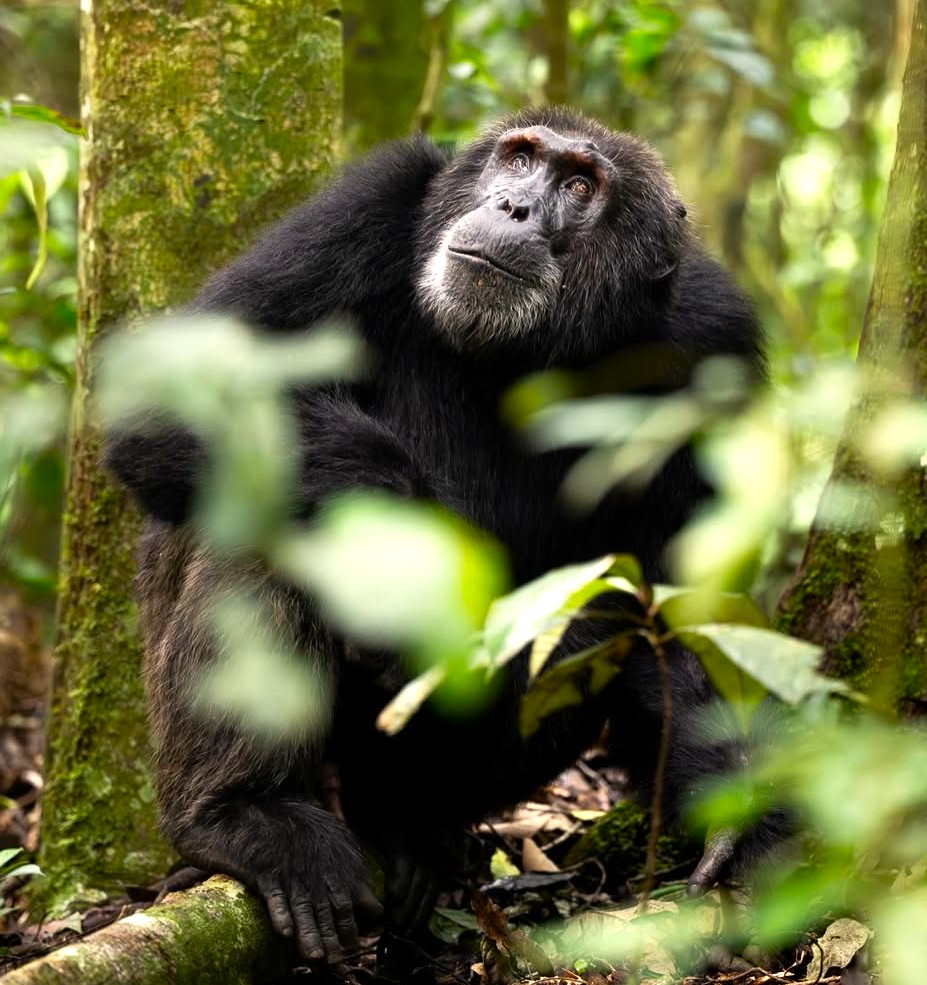
Kibale National Park sits quietly in western Uganda, yet it holds one of the densest populations of primates found anywhere on the African continent. Travelers who dream of standing a few meters from a wild chimpanzee family, listening to their calls echo through a rainforest canopy, eventually ask the same practical question: when should they go? Zamunda Travels has guided countless guests through this forest, and our field experience, paired with verified climate and park data, confirms that the answer depends on rainfall patterns, trail conditions, and how each traveler weighs comfort against value. This guide breaks down the best time for chimpanzee trekking in clear, practical terms, so you can plan a trip that matches your expectations, your budget, and your tolerance for mud.
Getting to Know Kibale National Park Before You Trek
Kibale National Park spans the districts of Kabarole, Kamwenge, Kyenjojo, and Kyegegwa, roughly five hours by road from Kampala or Entebbe International Airport. The park protects one of the last expanses of moist evergreen and semi-deciduous rainforest in the region, and this forest sustains thirteen primate species, over three hundred bird species, forest elephants, and a wide range of butterflies and reptiles. Because Kibale sits almost directly on the equator, temperatures stay warm and fairly stable throughout the year, ranging between roughly 18°C at night and 28°C during the day. Rainfall, rather than temperature, drives every seasonal shift here, and it shapes trail conditions, chimpanzee movement, and overall visitor comfort far more than heat ever does.
Chimpanzee sightings occur throughout the calendar year, and tracking success rates hover near 99 percent regardless of season, since experienced rangers track fresh nests, feeding sounds, and vocalizations before guests even enter the forest. Still, seasonal rainfall changes the experience considerably, which is exactly why the timing question matters so much to first-time visitors and why Zamunda Travels spends real time discussing it with every client during trip planning.
Understanding Kibale’s Seasons and Rainfall Patterns
Uganda’s equatorial climate produces two dry seasons and two wet seasons each year, and Kibale follows this pattern closely. Recognizing these four windows helps travelers set realistic expectations before they commit to travel dates.
The Long Dry Season: June to September
This stretch delivers the driest, most predictable weather of the year. Rainfall drops sharply, forest trails firm up, and humidity feels noticeably lower than during the wet months. Because so many international travelers schedule vacations around midyear, this period also functions as Kibale’s peak tourist season, so lodges fill quickly and permit demand climbs. Despite the crowds, this window remains extremely popular precisely because it delivers reliable conditions for hiking, wildlife viewing, and photography alike.
The Short Dry Season: December to February
A second, shorter dry spell arrives at the end of the calendar year and stretches into February. Daytime temperatures often reach the upper twenties in Celsius, skies stay mostly clear, and trails remain firm underfoot. Many seasoned travelers actually prefer this window over the June-to-September rush, since it offers nearly identical trekking conditions with somewhat thinner crowds at the park’s main trailheads.
The Long Wet Season: March to May
Heavy rainfall defines these three months, and the forest responds by growing thick and lush almost overnight. Trails turn muddy and occasionally slippery, so treks demand sturdier boots and slower pacing. Chimpanzees, however, find food more abundant during this period, which sometimes shortens the distance rangers must cover to locate them. Lodge rates typically drop during these months, making this a genuinely attractive option for budget-conscious travelers who don’t mind a bit of rain.
The Short Wet Season: October and November
Rain returns for a shorter stretch toward the end of the year, though generally with less intensity than the March-to-May period. Vegetation stays green and vibrant, bird activity peaks thanks to migratory species passing through, and travelers willing to pack a rain jacket often find this window rewarding rather than restrictive.
Best Time for Chimpanzee Trekking in Kibale National Park
For travelers who prioritize dry trails, comfortable hiking, and strong photographic light, the dry months of June through September and December through February represent the best time for chimpanzee trekking. During these windows, rainfall drops significantly, forest paths stay firm, and visibility through the undergrowth improves because vegetation thins slightly compared to the lush wet season. Rangers report that chimpanzees often move to higher branches and forage more visibly during daylight hours, giving trekkers extended opportunities to observe grooming, feeding, and social interaction from a respectful distance.
Trekking groups moving through drier trails also cover ground more efficiently, since mud and slippery roots slow progress considerably during the rains. Zamunda Travels typically recommends the dry season to first-time visitors, families, and anyone traveling with less rugged footwear or limited hiking experience, simply because the physical demands of the trek drop noticeably when the ground cooperates. Photographers, in particular, benefit from clearer skies and better natural light filtering through the canopy, which produces sharper images of chimpanzees against the forest backdrop.
Why Many Travelers Consider the Dry Season the Best Time for Chimpanzee Trekking
Beyond firmer trails, the dry season offers a second advantage that many guests overlook: road access. Rural roads leading into Kibale can become difficult to navigate during heavy downpours, occasionally delaying transfers between lodges and the park headquarters at Kanyanchu. Dry-season travel removes this uncertainty almost entirely, allowing itineraries to run on schedule and giving travelers more confidence when they combine chimpanzee trekking with other activities, such as visits to the nearby Bigodi Wetland Sanctuary or crater lakes surrounding Fort Portal. Because this reliability appeals to so many international visitors, permit demand rises sharply during these months, so Zamunda Travels advises booking chimpanzee permits at least two to three months ahead of a planned dry-season trip.
Trekking During the Wet Season: An Underrated Alternative
Not every traveler needs postcard-dry trails to enjoy Kibale, and the wet season deserves more credit than it usually receives. Fewer tourists visit between March and May, and again between October and November, which means smaller trekking groups, quieter trailheads, and a more intimate encounter with the chimpanzees. Lush vegetation transforms the forest into a vivid, dripping green landscape that many photographers find visually striking in its own right. Lodges frequently lower their rates during these quieter months, so travelers stretch their budgets further without sacrificing the core trekking experience. Zamunda Travels often steers budget-focused clients and dedicated birdwatchers toward these wetter windows, since migratory bird activity peaks alongside the rains and the forest feels wonderfully alive with sound.
Rain does bring real trade-offs, though. Trails become slick, humidity climbs, and hikers should pack quick-drying clothing, waterproof boots, and a reliable rain jacket. Chimpanzees also tend to stay lower in the canopy since food sources are more plentiful nearby, which occasionally shortens the physical trek even as it delivers equally rewarding sightings.
Chimpanzee Trekking Permits: Costs, Rules, and Booking Tips
The Uganda Wildlife Authority issues all chimpanzee trekking permits for Kibale National Park, and current rates stand at 250 US dollars for foreign non-residents, 200 US dollars for foreign residents, and a discounted rate in Ugandan shillings for East African citizens. Travelers seeking a longer, more immersive encounter can instead book the Chimpanzee Habituation Experience, priced higher because it grants up to four hours with a semi-habituated group alongside park researchers, rather than the standard one-hour visit granted by a regular permit. Children under twelve years old cannot join either experience, and each trekking group is limited to a small number of guests to reduce stress on the chimpanzees and lower the risk of disease transmission between humans and primates.
Because permits sell out quickly, especially across the dry-season months, Zamunda Travels recommends securing bookings well before finalizing flights or lodge reservations. Our team handles permit applications directly, confirms availability against your preferred trekking date, and builds the rest of your Uganda itinerary around that confirmed slot, removing the guesswork that independent travelers often face when timing conflicts arise.
How to Choose the Best Time for Chimpanzee Trekking Based on Your Priorities
Every traveler weighs trekking conditions differently, so Zamunda Travels encourages clients to match the season to their personal priorities rather than chase a single “perfect” month. Hikers who want dry, firm trails and don’t mind larger crowds should target June through September. Travelers seeking the same reliable weather with slightly fewer visitors often prefer December through February instead. Budget travelers, dedicated bird enthusiasts, and anyone comfortable with a little mud should look closely at the wetter months, since discounted rates and quieter trails make March through May and October through November genuinely appealing. Whichever window fits your plans, chimpanzee sightings remain consistently high throughout the year, so no season truly disqualifies a visit to this remarkable forest.
Planning Your Trip with Zamunda Travels
Choosing dates is only the first step in building a rewarding Kibale itinerary. Zamunda Travels designs complete Uganda safari packages that pair chimpanzee trekking with complementary experiences nearby, including guided nature walks through Bigodi Wetland Sanctuary, cultural visits to local communities, and extensions toward Queen Elizabeth National Park for savannah game drives. Our guides know the forest’s seasonal rhythms intimately, and they adjust each itinerary based on current rainfall, permit availability, and each traveler’s fitness level, so every group arrives at the trailhead fully prepared for whatever the forest presents that day.
Final Thoughts
There is no single wrong month to visit Kibale National Park, though travelers focused purely on dry trails, easier hiking, and crisp photography should treat June through September and December through February as the best time for chimpanzee trekking. Those chasing quieter trails, lower prices, and vibrant birdlife will find genuine reward in the wetter months instead. Whatever window suits your travel style, Zamunda Travels stands ready to secure your permits, arrange comfortable accommodation, and guide you safely through one of Africa’s richest rainforests toward an encounter with our closest living relatives.