Gorilla Trekking in Mgahinga Gorilla National Park
September 27, 2026
Things to Do in Mgahinga Gorilla National Park
September 27, 2026
Uganda’s Mgahinga Gorilla National Park sits at the base of three dormant volcanoes in the far southwest corner of the country. Travelers who dream of meeting mountain gorillas face one big question early on: when should they go? Zamunda Travels has guided countless guests through this decision, and the short answer is simple. The best time for gorilla trekking in Mgahinga falls within the park’s two dry seasons, when trails stay firm and forest visibility improves. This guide breaks down the weather patterns, seasonal trade-offs, and planning tips that make a trek both comfortable and memorable.
Understanding Mgahinga’s Climate and Seasons
Mgahinga sits at a high altitude, so its climate stays cooler than much of Uganda’s lowland regions. Two distinct dry spells and two rainy spells shape the year here. The long dry season runs from June through September. A shorter dry stretch follows from December to February. Between these windows, rain falls more often, especially from March to May and again in November. Zamunda Travels tracks these patterns closely because they directly affect trail conditions, gorilla movement, and overall guest comfort. Even during rainy months, downpours tend to be brief afternoon showers rather than all-day storms, so trekking never becomes impossible. Still, mud changes everything on a steep volcanic slope.
The Dry Seasons
The dry months offer the clearest advantage for anyone planning a trek. Firm ground means faster hiking, fewer slips, and more energy left for the actual gorilla encounter. Zamunda Travels recommends these windows to first-time trekkers and travelers with limited fitness, since the physical demand drops noticeably when trails are dry.
June to September
This stretch marks Uganda’s longest dry period and its busiest tourist season. Skies stay clearer, temperatures feel milder at altitude, and the Nyakagezi gorilla family tends to stay within reach of the park headquarters. Because demand peaks during these months, permits sell out well in advance. Travelers who want guaranteed dates should book through Zamunda Travels at least three to six months ahead.
December to February
A second dry window opens right after the short rains taper off. Crowds thin slightly compared to mid-year, yet trekking conditions remain excellent. This period also overlaps with the holiday season, so families often choose it for a Christmas or New Year adventure. Zamunda Travels frequently arranges combined itineraries during these months, pairing a gorilla trek with visits to nearby Lake Mutanda or the Batwa community trail.
Why the Best Time for Gorilla Trekking in Mgahinga Matters for Your Experience
Timing shapes far more than comfort alone. Dry-season trails allow guides to move faster through dense vegetation, which increases the number of hours available for observing the gorillas once found. Photography also improves dramatically. Clearer skies bring better natural light, and dry fur photographs far more sharply than a gorilla soaked from rain. Additionally, park rangers report that gorilla families sometimes range closer to the trailheads during dry months, since food sources shift with rainfall patterns. As a result, some dry-season treks finish faster than wet-season ones, though every hike remains unpredictable by nature. Zamunda Travels always sets realistic expectations with guests, since gorillas move freely and no outcome can be guaranteed.
Wet Season Trekking: Is It Worth Considering?
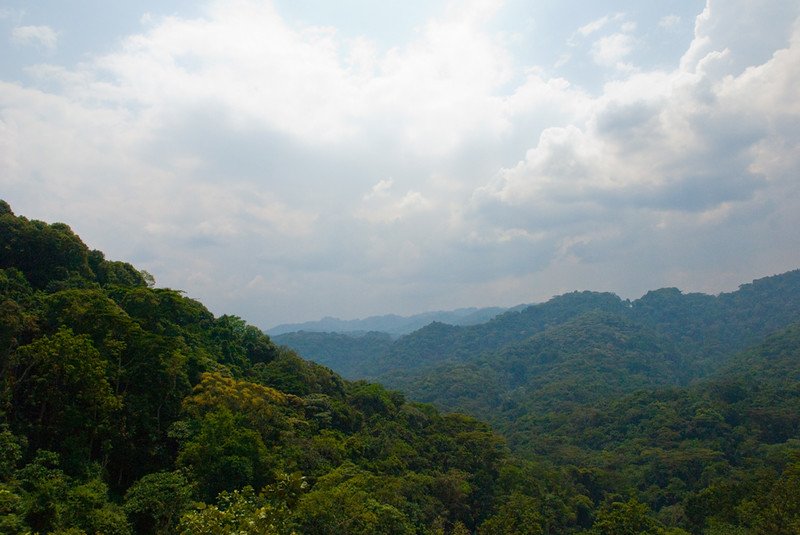
Some travelers actually prefer the rainy months, and their reasoning holds up. Permit prices sometimes drop during low season, lodges offer discounted rates, and fewer tourists share the trail. Mist rolling through the Virunga foothills also creates a dramatic, cinematic backdrop that dry-season light can’t replicate. Birdwatchers in particular favor the wet months, since migratory species pass through Mgahinga between March and May. However, mud slows the pace considerably, and gaiters or waterproof boots become essential gear rather than optional extras. Zamunda Travels still runs treks throughout the wet season for guests who prioritize budget or solitude over dry ground, and many of them come away thrilled with the experience regardless of the weather.
Booking Your Gorilla Permit with Zamunda Travels
A Mgahinga gorilla permit currently costs around 700 US dollars per person, and only eight permits get issued daily for the single habituated family in the park, the Nyakagezi group. Because supply stays limited, early booking matters more than almost any other planning step. Zamunda Travels handles the entire permit process, secures accommodation near the Ntebeko park headquarters, and coordinates transport from Kampala or Kigali. Guests simply choose their preferred dates, and the team manages every logistical detail from there. This hands-on approach removes the stress that often comes with navigating Uganda Wildlife Authority bookings independently.
Tips for a Successful Gorilla Trek in Mgahinga
A few practical choices can make or break the day. Sturdy waterproof hiking boots handle both dry dust and unexpected drizzle. Long sleeves and trousers protect against nettles and biting insects along the forest floor. Porters, available for hire at the trailhead, carry packs and offer a steady hand on steep sections, and hiring one also supports the local community directly. Guests should also pack a light rain jacket even during the dry months, since mountain weather shifts quickly at this altitude. Zamunda Travels provides a full packing checklist to every client before departure, so nothing gets left behind on trek morning.
Final Thoughts on the Best Time for Gorilla Trekking in Mgahinga
Choosing the right month comes down to personal priorities. Travelers who want the driest trails and clearest photography should target June through September or December through February. Those chasing lower costs, quieter trails, or migratory birds might find the wet months more rewarding despite the mud. Whichever season fits your plans, Zamunda Travels can build an itinerary around it, matching permit availability with comfortable lodging and reliable transport. Mountain gorillas remain one of Africa’s rarest wildlife encounters, and with the right timing, that encounter becomes even more unforgettable.