Mountain Gorillas of Bwindi Impenetrable National Park
October 1, 2026
Wildlife in Bwindi Impenetrable National Park
October 1, 2026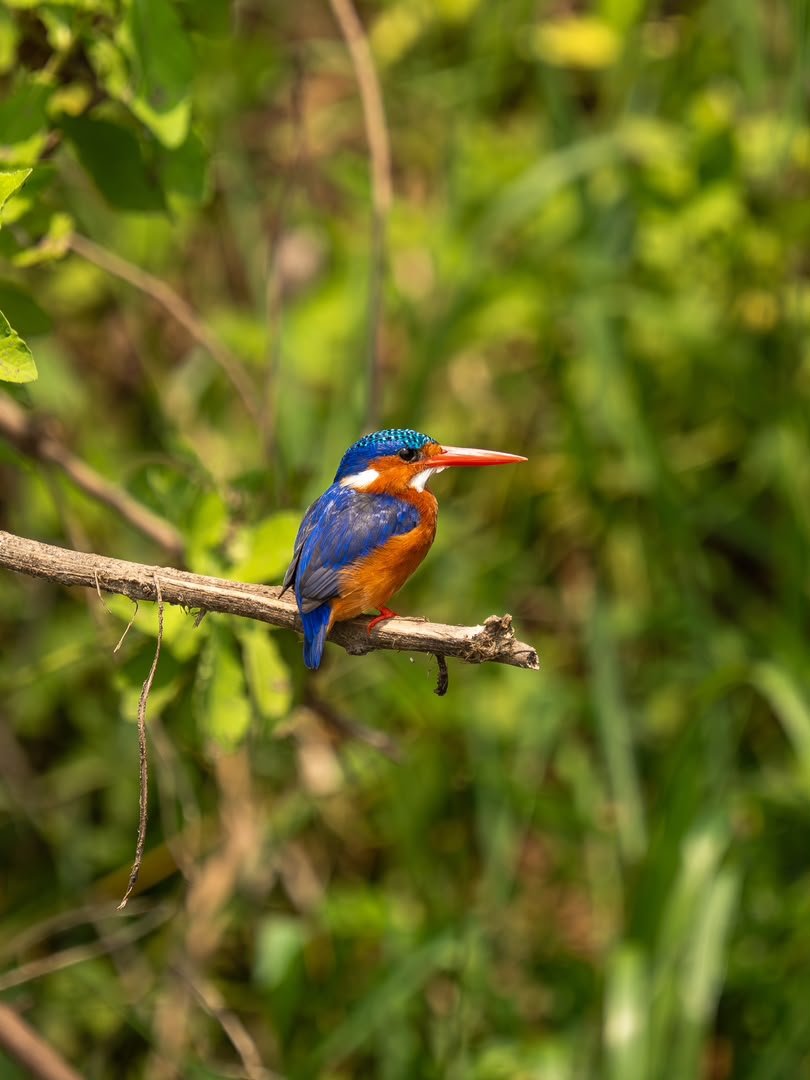
Bird watching in Bwindi is one of the richest wildlife experiences in Africa, and Zamunda Travels designs birding journeys that make the most of it. Most travelers know Bwindi Impenetrable National Park for its mountain gorillas. However, the forest also shelters more than 350 recorded bird species. This ancient rainforest in southwestern Uganda became a UNESCO World Heritage Site in 1994, and its steep, misty ridges create habitats that few other places can match. Consequently, birders from around the world travel here to find species that live nowhere else. This guide explains what you can see, where to walk, when to go, and how Zamunda Travels can organize every detail of your trip.
Why Bird Watching in Bwindi Stands Out
Bwindi sits within the Albertine Rift, one of the most important biodiversity hotspots on the African continent. The park covers roughly 321 square kilometres of montane and lowland forest. Altitudes vary widely across that area, so the forest supports many different habitats. Dense canopy, bamboo stands, open swamps, and fast rivers all lie within a few hours’ walk of each other. As a result, each habitat attracts its own set of birds, and your list grows quickly.
The numbers explain the park’s fame. Sources report between 347 and 360 species, and most operators cite “more than 350.” About 23 of these are Albertine Rift endemics, which means they live only in this region of Africa. Another 14 species are found nowhere else in Uganda. Skilled birders sometimes record close to 100 species in a single day, although a first-time visitor should expect a smaller total. Zamunda Travels builds each itinerary around these strengths, so you spend your time on the trails that deliver the most.
Albertine Rift Endemics You Can Spot in Bwindi
The endemics are the main reason serious birders choose Bwindi. Several of them sing from the mid-canopy, while others hide in thick undergrowth. The regal sunbird is a favorite. This small bird flashes green, yellow, red, and brown, and it carries a long tail and bill. Birders usually find it around Buhoma and Ruhija. The Rwenzori turaco, the Rwenzori batis, and the Rwenzori double-collared sunbird also live here. Likewise, the Kivu ground thrush, the red-throated alethe, and the handsome francolin reward patient observers.
Warblers deserve special attention. Neumann’s warbler, Grauer’s warbler, and Grauer’s rush warbler all occur in Bwindi. These species often call from dense vegetation, so you hear them long before you see them. A good guide recognizes each song and helps you locate the bird. For that reason, Zamunda Travels pairs every birding client with a licensed park guide who knows the calls, the habits, and the favorite perches of each species.
Rare and Threatened Birds That Draw Birders to Bwindi
Bwindi also protects birds of high conservation concern. The African green broadbill is the most famous example. Bwindi is among the most reliable places in the world to find it, and it remains a top target for visiting birders. Grauer’s rush warbler, Chapin’s flycatcher, and Shelley’s crimsonwing also carry global threat status. Furthermore, three species here are the sole surviving members of their genera. These are the African green broadbill, Grauer’s warbler, and the short-tailed warbler. Few forests anywhere can claim such evolutionary treasures.
Night birds add another layer. Fraser’s eagle owl, the African wood owl, and the Rwenzori nightjar all live in the park. Larger birds appear too, including the great blue turaco, which flies noisily between fruiting trees. Mountain buzzards and Ayres’s hawk-eagles patrol the ridgelines. Meanwhile, bar-tailed trogons and black bee-eaters sit quietly in the lower forest. Zamunda Travels can adjust your schedule to include dawn and dusk sessions, because these hours produce the most activity.
Best Sectors for Bird Watching in Bwindi
Bwindi has four main tourism sectors: Buhoma, Ruhija, Rushaga, and Nkuringo. Each offers a different birding style. Therefore, the right choice depends on your target species and your appetite for walking. Many keen birders split their stay between at least two sectors. Zamunda Travels often recommends this approach because it raises both the species count and the variety of landscapes.
Ruhija Sector and the Mubwindi Swamp Trail
Ruhija lies on the eastern side of the park at a higher altitude. The air is cooler and mistier here, and many montane specialists thrive in these conditions. Most experienced birders consider Ruhija the best birding sector in Bwindi. The Mubwindi Swamp Trail is the main attraction. It descends several hundred metres from the trailhead to a swamp that hosts a remarkable list of rare birds. Operators describe the walk as a four-to-five-hour outing, so you should start early.
Along this trail, you may encounter the African green broadbill, Grauer’s rush warbler, and Grauer’s warbler. Doherty’s bushshrike and the chestnut-throated apalis also appear regularly. In addition, the bamboo zone near Ruhija supports its own specialists, such as the Rwenzori batis and the handsome francolin. Serious birders often stay at least two full days in this sector. Zamunda Travels can arrange lodging close to the trailhead, which saves valuable morning light.
Buhoma Sector: Main Trail and Waterfall Trail
Buhoma sits in the north and serves as the park’s best-known base. The forest near the trails is relatively open, so visibility is often better than in other sectors. The Main Trail winds through mid-altitude forest and lets you listen for mixed flocks. Then the Waterfall Trail follows a stream to a cascade, and the sound of falling water attracts many birds. Along this route, white-tailed ant thrushes sing from the forest floor. Black bee-eaters dart out from low perches, and francolins forage near the path.
Buhoma also suits travelers who want to combine birding with other activities. For example, the Buhoma village walk and the Batwa cultural experience both fit easily into a spare afternoon. Zamunda Travels can add these experiences to your plan, so you enjoy both wildlife and culture.
Nkuringo and Rushaga: Quiet Southern Trails
The southern sectors feel remote and less visited. Consequently, you can walk for hours without meeting another group. In Nkuringo, the Nombe pocket forest offers a hidden birding gem. Meanwhile, the Kashasha River Trail links Nkuringo with Buhoma and acts as a wildlife corridor. Rushaga offers similar solitude, and its forest edges often hold sunbirds and flycatchers. This part of Bwindi suits birders who value silence as much as rare sightings. Zamunda Travels can route you through these sectors if you want a quieter experience.
The Neck and Echuya Forest: Extra Stops for Dedicated Birders
A narrow forest strip called “The Neck” connects Ruhija and Buhoma. It follows a river valley where the trees press close on both sides, and the sheltered setting attracts many forest birds. Beyond the park, Echuya Forest Reserve lies between Bwindi and Mgahinga. This bamboo and montane forest hosts more than 150 bird species. It is a well-known stop for Grauer’s rush warbler and Neumann’s warbler. Moreover, it holds good numbers of Rwenzori sunbirds. Zamunda Travels can include Echuya as a rewarding stop on the road between parks.
Best Time for Bird Watching in Bwindi
Birding in Bwindi works all year, because resident species stay in the forest in every month. Nevertheless, the season still affects your comfort and your results. The drier periods, roughly June to August and December to February, make trails easier and less slippery. June to August is also a good window for targeting endemics. In contrast, the rainy months bring lush vegetation and plenty of food, but muddy paths can slow you down. Heavy showers sometimes interrupt a walk, so you should carry waterproof gear in any season.
Migratory birds add extra variety between about November and April. During this period, visitors from Europe and northern Africa join the resident species. Many guides also recommend March and September for lively bird activity, although rainfall can be higher in those months. Time of day matters even more than season. Birds feed most actively in the early morning, and late afternoon offers a second burst. Therefore, Zamunda Travels schedules most birding walks to begin at first light.
Combining Bird Watching with Gorilla Trekking
Many visitors come to Bwindi for gorillas and add birding as a bonus. This plan works well, because birdwatching trails do not require a gorilla permit. Park rules still apply, so you must register with the Uganda Wildlife Authority and walk with an armed ranger guide. Park entry and guide fees apply too, and they can change, so confirm current rates when you book. Zamunda Travels handles these arrangements for you and checks the latest requirements before your departure.
A smart schedule places the gorilla trek on one day and a full birding day on the next. Birders benefit from a rest day after a demanding trek. Meanwhile, trekkers often enjoy the calm of a forest walk after the excitement of meeting a gorilla family. Zamunda Travels can balance both activities, so neither one feels rushed.
What to Pack for Birding in Bwindi
Good preparation improves every walk. Bring binoculars with a wide field of view, because forest light is often dim. A field guide to East African birds helps with identification, and a camera with a zoom lens captures distant perches. Waterproof hiking boots grip muddy slopes, and a light rain jacket protects you from sudden showers. Long sleeves and long trousers guard against insects and stinging plants. In addition, pack a hat, a small daypack, and plenty of drinking water. Zamunda Travels sends each guest a detailed packing list before travel.
Plan Bird Watching in Bwindi with Zamunda Travels
A well-planned trip turns a long bird list into a lasting memory. Zamunda Travels organizes the full journey, from airport pickup to lodge bookings and park permits. Our team arranges knowledgeable guides, comfortable transport, and accommodation in the sector that fits your goals. We also tailor the pace to your experience. A casual birder may prefer shorter walks with time to relax. By contrast, a dedicated lister can follow a packed schedule that targets rare endemics.
Most dedicated birding itineraries run from ten to fourteen days. They often combine Bwindi with Mgahinga, Echuya, and Queen Elizabeth National Park. Shorter trips still deliver excellent results when planned carefully. Contact Zamunda Travels with your travel dates and your wish list of birds, and we will design a route that suits you.
Conclusion
Bird watching in Bwindi rewards both beginners and seasoned listers. The park offers more than 350 species, 23 Albertine Rift endemics, and trails that range from open forest paths to misty swamps. With careful timing, local guides, and the right sectors, you can see birds that few travelers ever find. Zamunda Travels would be glad to plan your Bwindi birding adventure from start to finish. Reach out today, and start your journey into one of Africa’s greatest bird habitats.