Where to Stay in Nkuringo for Gorilla Trekking
October 1, 2026
Bird Watching in Bwindi Impenetrable National Park
October 1, 2026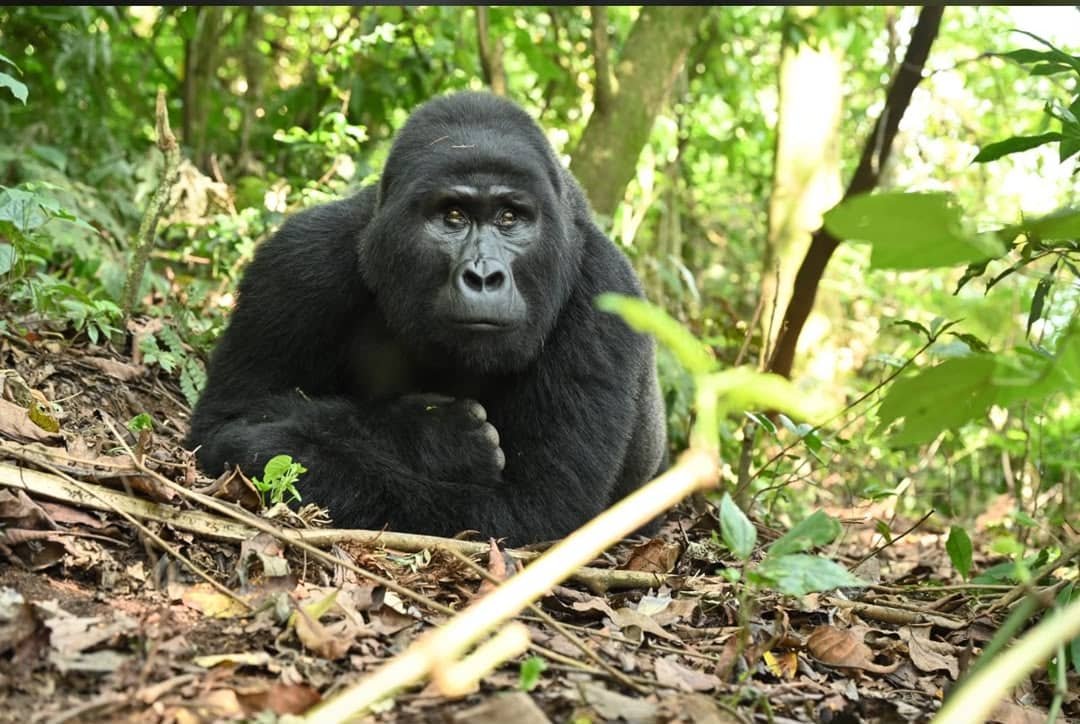
Deep in the mist-covered hills of southwestern Uganda, the mountain gorillas of Bwindi live inside one of the oldest and richest forests in Africa. Bwindi Impenetrable National Park covers about 321 square kilometres across the Kanungu, Kisoro and Kabale districts. UNESCO listed it as a World Heritage Site in 1994 because of its rare biodiversity. The park shelters roughly half of all mountain gorillas left on Earth, so every visit here matters for conservation. Zamunda Travels designs gorilla safaris that put these animals first and travellers second. This guide explains who the gorillas are, where they live, how their families work, and how you can meet them responsibly.
Meet the Mountain Gorillas of Bwindi
Mountain gorillas are the largest living primates in their habitat, and they are gentle by nature. Adult males, called silverbacks, weigh between 140 and 200 kilograms. They earn their name from the silver-grey hair that spreads across their backs once they mature. Females are smaller, and they usually weigh about half as much as the males. Thick, dark fur helps both sexes survive the cold, damp air of the highlands. In 2018, the IUCN moved the mountain gorilla from Critically Endangered to Endangered, which was a rare conservation success. However, the species is still fragile, because only a little over a thousand individuals remain in the wild. The 2018 census counted 459 gorillas in Bwindi, and the rest live in the Virunga Massif across Uganda, Rwanda and the Democratic Republic of Congo. Zamunda Travels explains these facts to every guest before the trek, because informed visitors behave better around wildlife.
Where the Mountain Gorillas of Bwindi Live
The forest itself is a major reason these gorillas thrive. Bwindi sits between 1,160 and 2,607 metres above sea level, and its steep ridges and deep valleys create a patchwork of micro-climates. Scientists believe the forest has survived for more than 25,000 years, which let many species evolve here undisturbed. The vegetation is so dense in places that locals named it “impenetrable.” That thick cover protects the gorillas, and it also gives them an endless supply of food. Besides gorillas, the park hosts about 120 mammal species, more than 350 bird species, and over 200 kinds of trees. Many of the birds are Albertine Rift endemics, so birders often join gorilla travellers on the same trip. Meanwhile, rain falls throughout the year, which keeps the undergrowth lush and the trails slippery. Zamunda Travels therefore advises guests to pack good boots and waterproof layers, and our guides help with the rest on arrival.
Habituated Gorilla Families and Where to Find Them
Uganda Wildlife Authority has habituated around twenty gorilla groups in Bwindi for tourism. Habituation takes two to three years, during which trackers and researchers visit a group daily until the gorillas accept humans nearby. The park divides its trekking areas into four sectors, and each sector offers its own families. Buhoma in the north hosts groups such as Mubare, Habinyanja and Rushegura. Mubare became the first family opened to visitors in 1993, so it holds a special place in Uganda’s tourism history. Ruhija in the east offers groups like Bitukura and Oruzogo, and it suits travellers who also love birds. Rushaga in the south has the largest number of families, which makes permits easier to secure in the busy months. Nkuringo in the southwest requires a more demanding hike, but it rewards trekkers with sweeping views over the Virunga volcanoes. In addition, Rushaga offers the Gorilla Habituation Experience, where visitors spend up to four hours with a family that is still learning to accept people. Zamunda Travels matches each guest to the right sector based on fitness, budget and travel dates.
Life Inside a Gorilla Family
Each gorilla family functions like a small, well-organised village. One dominant silverback leads the group, and he decides where everyone feeds, rests and sleeps. He also protects the family from rivals, and he settles quarrels among the females. Several adult females and their young make up the rest of the group, and some families also include younger males called blackbacks. A female carries her baby for about eight and a half months, and she usually gives birth only once every four years. Infants cling to their mothers for the first months, then they start to play, wrestle and climb. Young gorillas stay with the family for years, but females often leave around age eight to join other groups. This movement keeps the gene pool healthy, which matters greatly for a small population. Wild gorillas live roughly 35 to 40 years, although many face threats before reaching old age.
What Mountain Gorillas Eat and How They Behave
Gorillas spend most of their day searching for food and eating it. They are mainly herbivores, and they consume leaves, stems, shoots, bamboo, fruit and the occasional insect. An adult male can eat up to 30 kilograms of vegetation daily, so the family moves constantly through the forest. After a long morning meal, the group rests, and the young ones play nearby. At dusk, each gorilla builds a fresh nest from branches and leaves, and the baby sleeps beside its mother. Visitors often notice the famous chest-beating display, which a silverback uses to show strength or to warn intruders. Yet most of the time, the gorillas behave calmly, and they groom each other and cuddle in the sun. Zamunda Travels guides read these signals carefully, so they can tell you when to step back and when to stay still.
Gorilla Trekking Rules and What to Expect
A gorilla trek begins early at the park headquarters of your chosen sector, where rangers brief all visitors around 7:30 to 8:00 am. Each group of up to eight people follows a guide and armed rangers into the forest. Trackers go ahead of the group, and they radio the location of the family. The hike can last between one and eight hours, depending on where the gorillas spent the night. Once you find the family, you receive one precious hour to watch, photograph and listen. Strict rules protect the animals during that hour. You must keep at least seven metres away, avoid flash photography, and never eat or drink near the gorillas. Anyone with a cough, flu or other contagious illness must stay behind, because gorillas catch human diseases easily. The minimum age for trekking is 15 years. Permits for foreign non-residents cost $800 at the time of writing, but travellers should always confirm current rates with Uganda Wildlife Authority. Zamunda Travels books permits months ahead because the best dates sell out quickly.
How Zamunda Travels Plans Your Bwindi Gorilla Safari
Planning a gorilla trip involves many moving parts, so Zamunda Travels handles each one for you. First, our team secures your permit for the sector and date that fits your plans. Next, we arrange comfortable transport from Entebbe or Kampala, using a driver-guide who knows the winding highland roads. The journey takes a full day by road, or you can fly to a nearby airstrip to save time. Then we book lodges that match your budget, ranging from simple camps to luxury eco-lodges with forest views. We also add portering services, because local porters carry your bag, steady you on steep slopes, and earn income for their families. Many guests extend their trip with game drives in Queen Elizabeth National Park or a boat ride on Lake Bunyonyi. Whatever you choose, Zamunda Travels builds the itinerary around your pace and interests.
Conservation: Protecting the Mountain Gorillas of Bwindi
Tourism pays for much of the protection that keeps these animals alive. Permit fees fund ranger patrols, veterinary care and snare removal throughout the park. In addition, Uganda shares a portion of permit revenue with the communities living around Bwindi. That money builds schools, clinics and roads, so local people gain real benefits from keeping the forest intact. The Batwa, the forest’s original inhabitants, also guide cultural walks that share their traditions and knowledge of medicinal plants. Even so, challenges remain, including disease, illegal snares, and pressure from farmland at the park’s edge. Responsible travel therefore makes a difference. Zamunda Travels supports community projects, follows every park rule, and encourages guests to respect the gorillas’ space and health.
Final Thoughts on the Mountain Gorillas of Bwindi
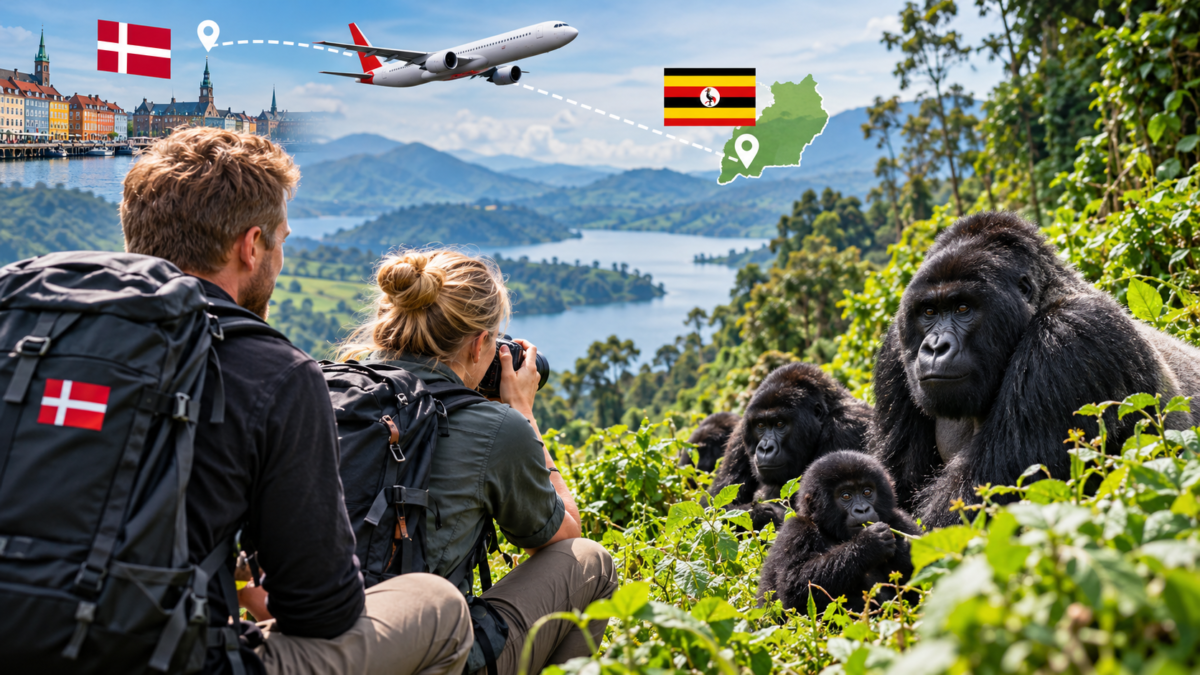
Few wildlife encounters compare to sitting quietly while a silverback chews bamboo and a baby tumbles beside its mother. The mountain gorillas of Bwindi offer that moment, and they remind us why protecting wild places is worth the effort. Your visit supports the animals, the rangers and the villages that share their forest. Zamunda Travels would love to help you plan this life-changing adventure from the first permit request to the last farewell. Contact our team today, and let us build a Bwindi gorilla safari that matches your dreams.