Zebra and Giraffe Safari in Lake Mburo National Park
September 24, 2026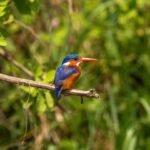
Birdwatching in Lake Mburo National Park
September 24, 2026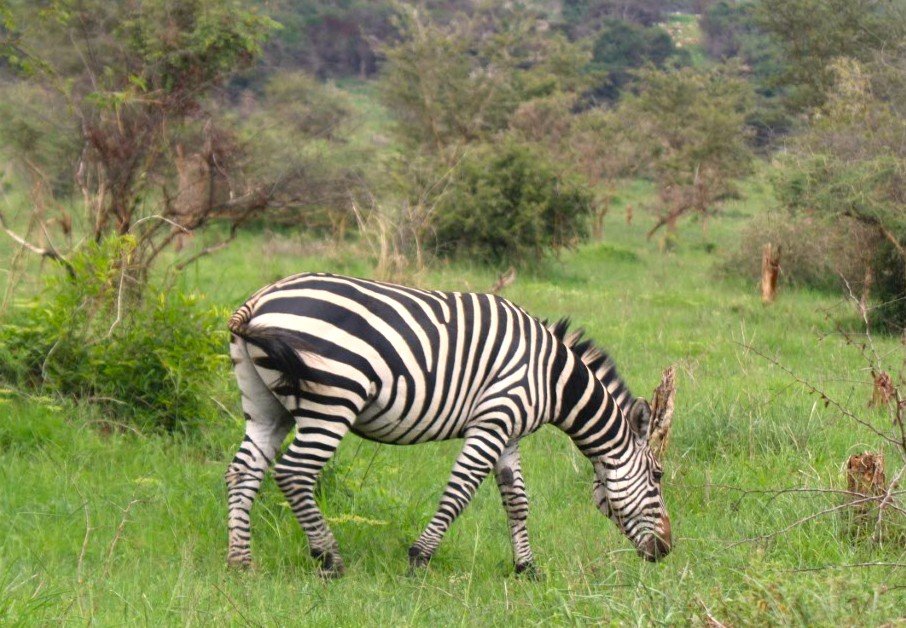
Lake Mburo animals surprise many first-time visitors to Uganda. Zamunda Travels often meets guests who expect a quick stopover, yet they leave talking about zebras, giraffes, and leopards. The park covers just 370 square kilometres, so it is the smallest savannah park in the country. However, its size works in your favour. Wildlife gathers close to the lake and the main tracks, and you can see a great deal in a single day. In this guide, Zamunda Travels introduces the main species, explains where to find them, and shows you how to plan a rewarding visit.
Why Lake Mburo Animals Deserve a Place on Your Uganda Itinerary
Lake Mburo animals offer something that most Ugandan parks cannot match. The park protects species that are rare or absent elsewhere in the country. For example, it is the only park in Uganda where impala live naturally. Eland and Burchell’s zebra are also far harder to find in other Ugandan parks. In addition, the park holds the largest zebra population in Uganda, estimated at around 5,000 animals. Altogether, the park shelters 68 mammal species and more than 350 bird species. Elephants, rhinos, and lions no longer roam here, so guests can also explore on foot, by bicycle, or on horseback. Therefore, Zamunda Travels recommends Lake Mburo to travellers who want a relaxed safari. The park lies about 240 kilometres west of Kampala and roughly 30 kilometres east of Mbarara. As a result, it makes a natural stop on the road to Bwindi Impenetrable National Park.
A Compact Park with Varied Habitats
Habitat explains why the wildlife here is so varied. Acacia savannah covers much of the park, and patches of forest and seasonal grassland break up the landscape. Rocky ridges and forested gorges rise in the western section. Meanwhile, papyrus swamps and wetlands line the shores of the lakes. Lake Mburo itself is the centrepiece, and it belongs to a chain of about fourteen interconnected lakes in the region. The Lake Mburo-Nakivali Wetland System earned Ramsar status in 2006, which highlights its global importance. The area has a long protection history too. Colonial authorities made it a controlled hunting area in 1933, and it became a game reserve in 1963. Finally, Uganda declared it a national park in 1983. Each habitat supports its own cast of animals, so a short drive can move you from open plains to a hippo-filled shoreline.
Zebras, Impalas, and Elands: The Plains Game
Plains game gives Lake Mburo its signature look. Burchell’s zebras graze in large family groups across the open grassland, and their bold stripes make them easy to spot from far away. Impalas move in graceful herds, and the males carry elegant lyre-shaped horns. Because impalas occur naturally nowhere else in Uganda, most guests ask to see them first. The common eland is Africa’s largest antelope, yet it stays shy and often keeps its distance from vehicles. Topi, oribi, defassa waterbuck, and bohor reedbuck also feed on the plains and along the woodland edges. Klipspringers perch on rocky outcrops, while common duikers slip through the thicker bush. Bushbuck show a charming habit here, since they often stand watch on termite mounds. In the marshes, patient observers may even glimpse the elusive sitatunga. Guides frequently take guests to the Eland Track and the open plains near Mihingo Lodge, because these areas hold reliable numbers of grazers.
Rothschild’s Giraffes and Big Herds of Buffalo
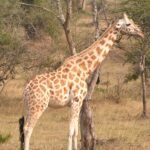
Rothschild’s giraffes add height and drama to the scenery. Conservationists introduced about fifteen of these endangered giraffes to the park in July 2015. The herd has since settled well, and visitors now see the animals on many game drives. They browse on thorny acacia trees, and their long necks rise easily above the canopy. Some operators now list them as Nubian giraffes, which reflects updated naming of the same population. Buffalo herds also roam the park, and they gather near water sources, especially around the lake. Warthogs trot across the tracks with their tails held high, and they provide plenty of entertainment for photographers. Together, these large grazers turn an ordinary morning drive into a lively wildlife show.
Leopards and Other Predators Among Lake Mburo Animals
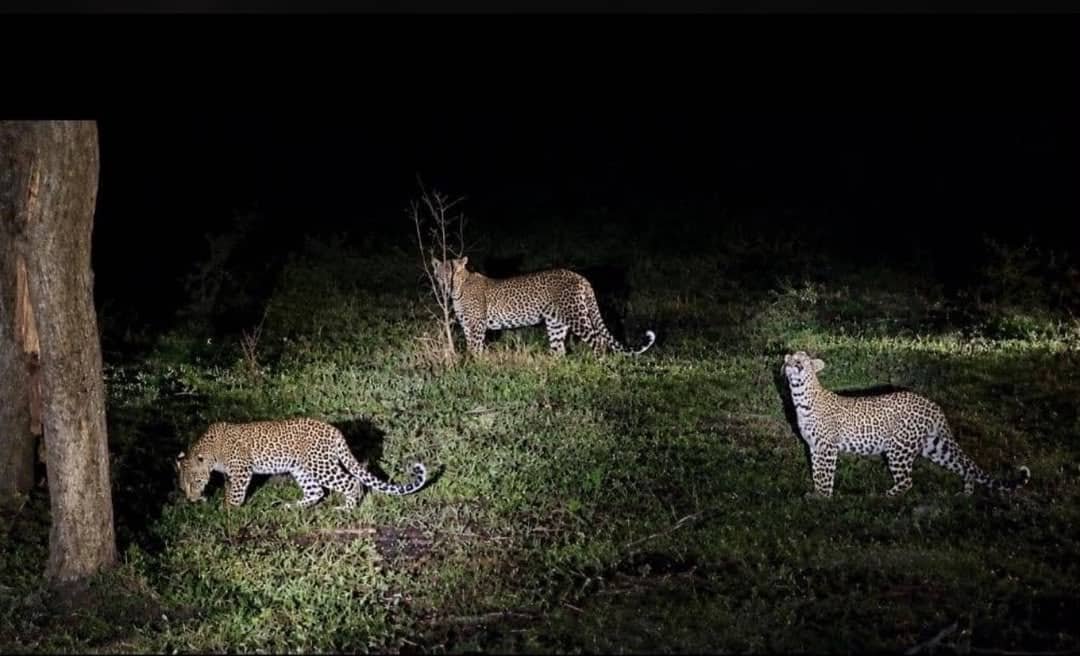
Predators add mystery to Lake Mburo animals, and the leopard tops most wish lists. A camera trap study counted about 25 leopards in the park, which may be the highest concentration in Uganda. Nevertheless, leopards stay elusive and hunt mostly after dark. Guides therefore point guests toward night drives, where torchlight often reveals glowing eyes in the bush. Early risers sometimes spot leopards near a well-known viewpoint called Leopard Rock. Spotted hyenas and jackals also patrol the park, but you must look carefully to find them. Smaller hunters include servals, genets, civets, and several mongoose species. Lions once lived here, although local communities eliminated them in the 1980s. A single wandering lion appeared in 2015, but travellers should not expect to see one. This absence keeps the park relaxed and safe for guided walks.
Hippos, Crocodiles, and Birdlife on the Water
The lake supports about 300 hippos, and boat cruises bring you remarkably close to them. The animals wallow in the shallows by day and graze on land at night. Nile crocodiles bask on the shoreline, while Nile monitors and spotted-necked otters appear along the papyrus edges. Boat trips run in both the morning and the afternoon, so guests can choose the light they prefer. Birds add another layer of interest. The park has recorded more than 350 species, including African fish eagles, kingfishers, herons, and the rare African finfoot. Lake Mburo also hosts 35 raptor species, which is the highest count of any Ugandan park. Shoebills appear occasionally in nearby wetlands, so bird lovers should keep their binoculars ready. For a deeper look at the park’s feathered residents, ask Zamunda Travels about a dedicated birdwatching itinerary.
How to See Lake Mburo Animals with Zamunda Travels
Good planning multiplies your sightings. Zamunda Travels builds each itinerary around the wildlife you most want to see, and our guides know the tracks and waterholes well. The dry seasons, from June to August and from December to February, usually give the best viewing. During these months, animals concentrate near water and the grass stays short. Furthermore, cool mornings and late afternoons are the most productive times for photography.
Game Drives and Boat Cruises
Daytime game drives offer the best introduction to the park. An armed Uganda Wildlife Authority ranger joins each drive and helps identify animals and birds. Afterwards, a boat cruise gives a completely different angle on the wildlife. You glide past hippos, crocodiles, and waterbirds without disturbing them. Zamunda Travels usually combines both activities in a single day, so guests see the plains and the shoreline.
Night Drives for Spotting Lake Mburo Animals
Night drives reveal a hidden side of Lake Mburo animals. Leopards, hyenas, genets, and bush babies become active after sunset. In contrast, most grazers rest quietly and are harder to see. Guides sweep spotlights across the grassland and follow every sound. Consequently, night drives give guests a good chance of a leopard encounter. Walking safaris, cycling routes, and horseback rides add even more variety. Zamunda Travels can arrange any of these experiences because the park has no elephants or lions.
leoparda
Final Thoughts on Your Lake Mburo Safari
Lake Mburo may be small, but it delivers a rich and varied wildlife experience. You can meet zebras, impalas, elands, giraffes, buffalo, hippos, and leopards within a couple of days. Moreover, the park’s calm atmosphere lets you enjoy safari activities that larger parks rarely allow. Contact Zamunda Travels today, and our team will design a Lake Mburo itinerary that fits your dates and interests.