How Much Does Chimpanzee Trekking in Kibale National Park Cost?
September 8, 2026
What Is the Difference Between Chimpanzee Trekking and Habituation?
September 8, 2026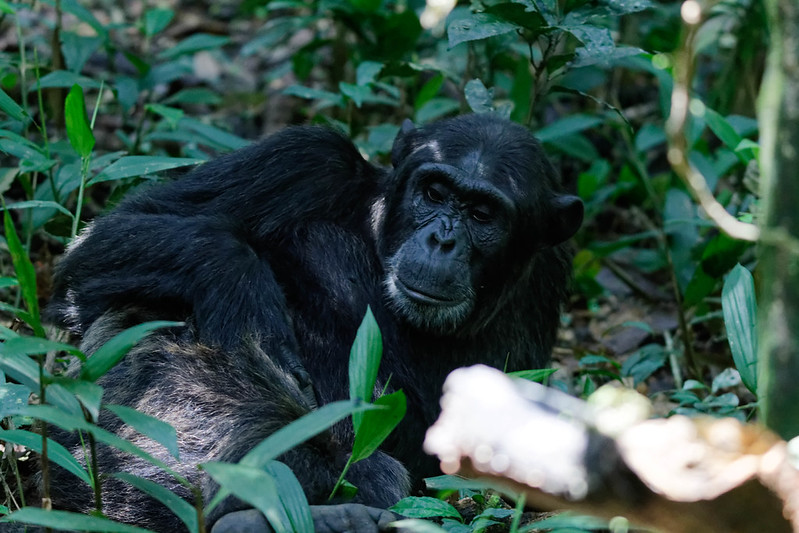
The Chimpanzee Habituation Experience in Kibale National Park is one of Uganda’s most immersive primate adventures. Unlike ordinary chimpanzee tracking, this experience gives visitors more time to observe chimpanzees as they gradually become accustomed to human presence. You do not simply arrive, find a chimpanzee group, watch it briefly, and leave. Instead, you follow the animals through different stages of their daily routine while working alongside experienced guides and trackers.
Kibale National Park is one of Africa’s leading destinations for chimpanzee encounters. The Uganda Wildlife Authority (UWA) estimates that Kibale supports more than 1,500 chimpanzees. The park also protects an exceptional variety of other primates and forest wildlife. For travellers who want a deeper understanding of chimpanzee behaviour, the habituation experience offers a more rewarding alternative to a standard trek.
At Zamunda Travels, we recommend this experience to travellers who want to spend more time in the forest and learn about chimpanzee behaviour beyond a short wildlife encounter. It is particularly suitable for photographers, researchers, primate enthusiasts and travellers who enjoy slow paced wildlife experiences.
What Is the Chimpanzee Habituation Experience?
The Chimpanzee Habituation Experience in Kibale National Park involves following a chimpanzee community that is undergoing habituation. Habituation is the process through which wild chimpanzees gradually become accustomed to the presence of people without changing their natural behaviour. The process requires patience because the animals must remain wild while becoming less likely to flee when humans approach.
The experience allows visitors to observe chimpanzees for much longer than normal chimpanzee tracking. UWA states that chimpanzee habituation takes place throughout the year. Its official information also explains that tourists spend the day with the chimpanzees during the habituation process.
This makes the activity very different from a conventional wildlife viewing experience. You may see chimpanzees feeding in the trees, moving between forest areas, resting, communicating, grooming or travelling through the undergrowth. Their behaviour can change quickly, so each habituation outing feels different.
Chimpanzee Habituation Experience vs Chimpanzee Tracking
Understanding the difference between the two activities is important before booking your Kibale safari. Standard chimpanzee tracking focuses on locating a habituated chimpanzee community and spending a limited period observing the animals after finding them. UWA’s current chimpanzee management guidelines allow a maximum of one hour of viewing during normal chimpanzee tracking.
The Chimpanzee Habituation Experience in Kibale National Park, however, provides a much longer viewing opportunity. UWA’s guidelines allow up to four hours of viewing during a chimpanzee habituation experience. The activity itself starts early and continues until visitors return for debriefing.
This longer period gives you more opportunities to understand chimpanzee behaviour. You can watch how the animals interact with one another and how their activities change throughout the day. Therefore, travellers who want a deeper forest experience often prefer habituation over standard tracking.
How the Chimpanzee Habituation Experience Works
A typical Chimpanzee Habituation Experience in Kibale National Park starts early in the morning. UWA guidelines currently indicate a 6:30 a.m. start for chimpanzee habituation activities. The early start is important because chimpanzees begin their daily activities around dawn.
You meet your guide and receive a briefing before entering the forest. The team then begins the search for the chimpanzee community. Finding the animals can involve walking through dense vegetation, following trails and listening for vocalisations. Chimpanzees can travel quickly, so you should expect a genuine forest walk rather than a simple roadside wildlife viewing activity.
Once the chimpanzees are located, you can begin observing their behaviour. The experience may include watching them feed, travel, groom, rest, communicate and interact with other members of the community. You should remain attentive because the animals may move between trees and different parts of the forest.
The day can also provide opportunities to observe other wildlife. Kibale is famous for its primate diversity, and the Kanyanchu area can offer encounters with several other primate species. UWA lists species such as red colobus, black-and-white colobus, L’Hoest’s monkeys and grey-cheeked mangabeys among the park’s wildlife.
What You Can See During Chimpanzee Habituation
One of the greatest advantages of the Chimpanzee Habituation Experience in Kibale National Park is the opportunity to observe natural behaviour over an extended period. A short encounter may show you only one part of a chimpanzee’s day. A longer experience gives you a broader view.
Chimpanzees are highly social animals. They communicate through vocalisations, gestures and body movements. They also form complex social relationships within their communities. During your experience, you may see individuals grooming one another or interacting with other members of the group.
Feeding is another common behaviour to observe. Chimpanzees eat a variety of forest foods, including fruits, leaves and other plant material. When food becomes available, several individuals may gather around the same tree or feeding area.
You may also see chimpanzees moving across the forest floor. Although they are excellent climbers, they spend considerable time travelling on the ground. Their movement can make the experience exciting because the group may suddenly disappear into thick vegetation and reappear several metres away.
With enough time, you may also observe resting periods. Chimpanzees do not remain active throughout the entire day. Their behaviour changes according to food availability, social interactions and movement patterns.
Where Does Chimpanzee Habituation Take Place?
The main tourist area for chimpanzee activities in Kibale is the Kanyanchu sector. UWA identifies Kanyanchu as one of the designated entry points for chimpanzee tracking in its chimpanzee management guidelines.
Kanyanchu is also the centre of Kibale’s well established primate tourism programme. UWA notes that the Kanyanchu chimpanzee community has been monitored and habituated since 1993.
The forest around Kanyanchu provides a rich environment for primates. Visitors can therefore combine chimpanzee experiences with opportunities to encounter other forest species. However, wildlife sightings are never completely predictable. The forest remains a wild environment, and animal movements change from day to day.
Chimpanzee Habituation Permit Cost
For travellers planning a Chimpanzee Habituation Experience in Kibale National Park, the permit cost is an important part of the safari budget.
According to the UWA conservation tariff covering July 2024 to June 2026, the chimpanzee habituation fee was US$300 for foreign non-residents, US$250 for foreign residents and UGX 250,000 for East African citizens. The tariff states that the habituation fee includes the guide and park entrance fee.
Because tourism tariffs can change, travellers should confirm the applicable rate for their travel date before making payment. This is particularly important for trips scheduled around tariff changes.
The permit is only one part of the total safari cost. A complete trip may also include transportation, accommodation, meals, driver-guide services and other activities. At Zamunda Travels, we can combine the habituation experience with accommodation and transport to create a complete Kibale safari itinerary.
Best Time for Chimpanzee Habituation in Kibale
The Chimpanzee Habituation Experience in Kibale National Park is available throughout the year. Therefore, you can plan your trip around your wider Uganda safari itinerary rather than waiting for one specific season. UWA confirms that chimpanzee habituation and tracking take place all year.
However, different seasons create different forest conditions. During wetter periods, the forest becomes lush and green. Rain can make trails muddy, but it also creates beautiful photographic conditions and supports abundant vegetation.
During drier periods, walking conditions can improve in some areas. However, UWA notes that chimpanzees may move deeper into the forest while searching for food.
For this reason, there is no single month that guarantees the best chimpanzee encounter. Your choice should depend on your priorities. If you value easier trail conditions, you may prefer a drier period. If you enjoy lush forest scenery and fewer visitors, wetter months can be attractive.
How Long Does Chimpanzee Habituation Take?
The full activity begins early in the morning and can occupy much of the day. UWA’s guidelines state that chimpanzee habituation starts from 6:30 a.m. and continues until visitors return to the briefing location for debriefing.
However, the important distinction is between the overall activity duration and the maximum viewing time. Visitors can spend up to four hours viewing chimpanzees once they find the animals.
This means you should keep your schedule flexible. Do not plan another major activity immediately after habituation. The chimpanzees may move through dense forest, and the search itself can take time.
Chimpanzee Habituation Rules and Guidelines
Responsible behaviour is essential during the Chimpanzee Habituation Experience in Kibale National Park. The purpose of habituation is not to make chimpanzees dependent on people. Instead, the process aims to reduce their fear of human observers while protecting their natural behaviour.
Visitors should always follow instructions from their ranger and guide. Keep a respectful distance from the animals and avoid sudden movements. You should also avoid shouting or making unnecessary noise.
Flash photography should not be used around chimpanzees. It can disturb the animals and interfere with the experience. Your guide will explain the appropriate way to photograph the chimpanzees.
Health precautions are equally important. Chimpanzees are closely related to humans, so some human illnesses can threaten them. If you feel unwell before the activity, inform your tour operator or park authorities rather than entering the forest.
You should also avoid littering. Carry your waste out of the forest and follow all UWA instructions. These simple actions help protect Kibale’s ecosystem and the chimpanzees that depend on it.
What to Pack for Chimpanzee Habituation
A good packing list can make the Chimpanzee Habituation Experience in Kibale National Park much more comfortable. Start with sturdy hiking shoes that provide good grip. Kibale’s forest trails can become slippery after rain.
Wear lightweight, comfortable clothing that covers your arms and legs. Long trousers and a long-sleeved shirt can provide protection from vegetation and insects. A light rain jacket is also useful because Kibale has a tropical forest climate.
Carry drinking water and enough food for the long activity. Your lodge or safari operator can usually arrange a packed lunch. A small waterproof backpack can protect your personal items.
Photography enthusiasts should carry spare batteries and memory cards. A camera with a suitable telephoto lens can help you photograph chimpanzees without approaching them too closely.
Other useful items include insect repellent, sunscreen, a hat, binoculars and a small first-aid kit. Keep your luggage light because you may spend several hours walking through the forest.
Is Chimpanzee Habituation Difficult?
The experience requires a reasonable level of physical fitness. You may walk for several hours through uneven forest terrain while searching for chimpanzees. The difficulty can also change depending on weather and the location of the chimpanzee community.
You should therefore prepare for mud, slopes, roots and dense vegetation. Comfortable footwear is essential. However, you do not need to be an expert hiker to participate.
Your guide will help you manage the walk and will provide instructions throughout the activity. At Zamunda Travels, we also consider the traveller’s fitness and preferences when planning Kibale activities.
Why Choose Chimpanzee Habituation Over Standard Tracking?
The biggest advantage is time. Standard tracking provides a shorter encounter, while habituation offers up to four hours of chimpanzee viewing under current UWA guidelines.
The extra time can make a major difference. You have more opportunities to observe feeding, movement, communication and social interactions. You also have more time to appreciate the forest itself.
Habituation can be particularly valuable for wildlife photographers. More time in the forest means more opportunities to find good compositions and observe changing behaviour.
It is also a strong choice for travellers who have already experienced standard chimpanzee tracking. Instead of repeating the same type of activity, you can experience a more immersive approach to chimpanzee conservation and research.
Chimpanzee Habituation and Conservation
Tourism can play an important role in supporting wildlife conservation when it is managed responsibly. The money generated by protected area tourism helps support park management, conservation programmes and local economic activity.
Kibale also demonstrates how forest conservation can benefit communities. In 2026, UWA highlighted restoration work in Kibale and reported that restored forest areas contribute to carbon absorption while supporting livelihoods around the park.
The chimpanzees themselves are also important to scientific research. UWA recently highlighted more than 30 years of research into chimpanzee social behaviour in Kibale’s Ngogo area.
Therefore, a visit is more than a wildlife excursion. It gives travellers an opportunity to support a protected ecosystem that has scientific, ecological and economic value.
Where to Stay for Chimpanzee Habituation
There are several accommodation options around Kibale National Park. The best choice depends on your budget, preferred comfort level and the location of your planned activities.
Staying near the Kanyanchu area can make an early morning start easier. This is especially useful because chimpanzee habituation begins early. Budget travellers can choose comfortable guesthouses and camps, while mid-range and luxury travellers can select lodges with forest views and additional facilities.
At Zamunda Travels, we can recommend accommodation based on your safari budget and combine it with transport, meals and chimpanzee permits. This approach makes it easier to build a practical itinerary without overlooking early morning departure times.
How to Get to Kibale National Park
Kibale National Park lies in western Uganda. By road, the quickest route from Kampala follows the Kampala–Fort Portal highway. UWA gives the road distance as approximately 326 kilometres, with a travel time of around six hours under normal conditions.
Travellers can also reach the region by air. UWA notes that domestic flights can operate from Entebbe or Kajjansi to Kasese, followed by a road transfer to the park. Flights to Fort Portal are another option for some itineraries.
For international visitors, many itineraries combine Kibale with other destinations. A typical Uganda safari may link Kibale with Queen Elizabeth National Park, Bwindi Impenetrable National Park or Murchison Falls National Park.
Combine Chimpanzee Habituation With Other Kibale Activities
A Kibale safari does not have to focus on chimpanzees alone. The park is famous for its exceptional primate diversity. UWA highlights 13 primate species that visitors can encounter around the Kanyanchu area.
You can therefore combine chimpanzee habituation with a forest nature walk or other nearby experiences. The Bigodi Wetland area is also a popular addition to Kibale itineraries because of its birdlife, primates and community-based tourism activities.
Combining activities can make your stay more rewarding. You experience the forest from different perspectives while supporting tourism businesses around the park.
Is the Chimpanzee Habituation Experience Worth It?
For travellers who love primates, the answer is generally yes. The Chimpanzee Habituation Experience in Kibale National Park offers something that standard tracking cannot provide: extended time to observe chimpanzees and understand their behaviour.
The activity does require more time, patience and physical effort. However, those who enjoy immersive wildlife experiences often find these qualities to be part of its appeal.
It is especially worthwhile for photographers, wildlife enthusiasts, students, researchers and travellers who want more than a quick chimpanzee sighting. If your main goal is simply to see chimpanzees during a Uganda safari, standard tracking may be enough. If you want to understand them more deeply, habituation is the stronger option.
In conclusion, the Chimpanzee Habituation Experience in Kibale National Park provides one of Uganda’s most fascinating opportunities to observe wild chimpanzees over an extended period. The experience combines wildlife viewing, conservation, research and forest exploration in one activity. With an early start, several hours of potential chimpanzee viewing and the possibility of observing a wide range of natural behaviours, it offers a deeper connection with Kibale’s remarkable primate world.
For travellers planning a Uganda safari, Zamunda Travels can incorporate chimpanzee habituation into a wider itinerary covering Kibale, Queen Elizabeth National Park, Bwindi and other destinations. The result is a safari that combines primate encounters with Uganda’s broader wildlife and cultural experiences.