Chimpanzee Habituation Experience in Kibale National Park
September 8, 2026
Chimpanzee Trekking vs Chimpanzee Habituation in Kibale
September 9, 2026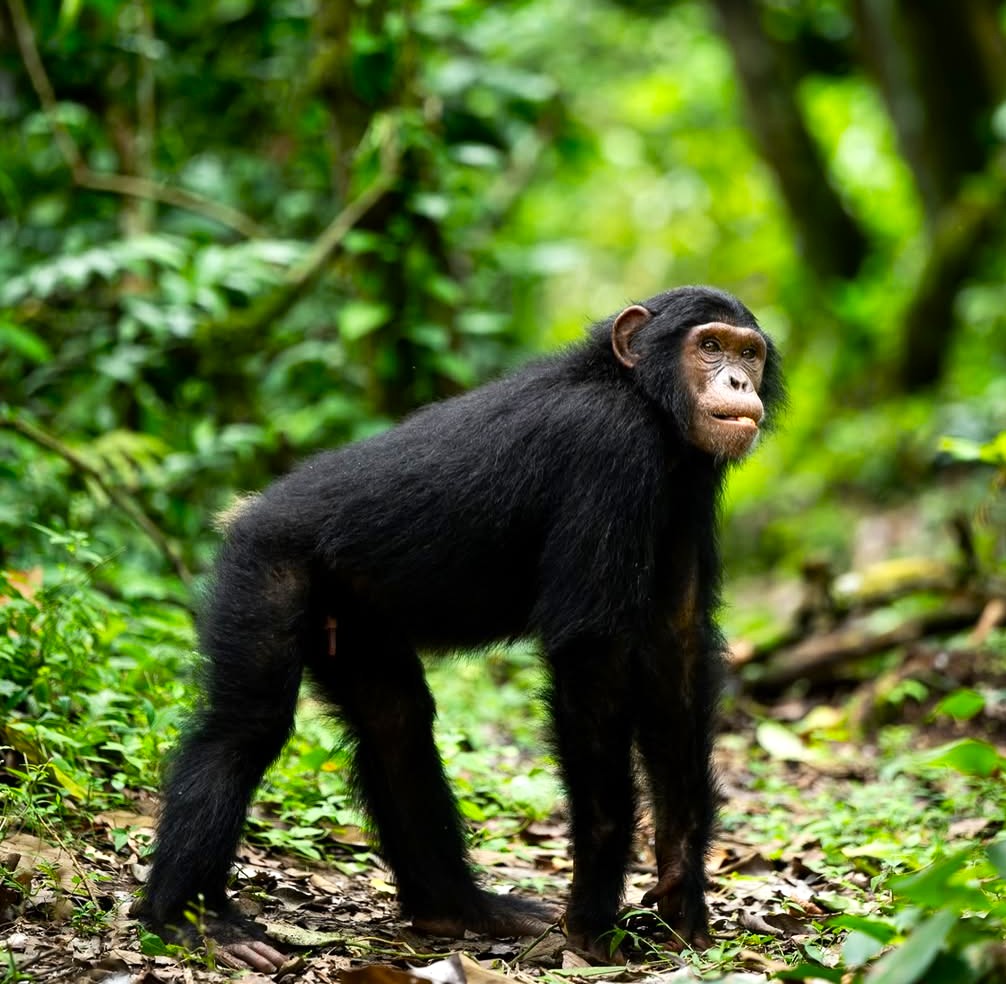
Chimpanzee encounters are among the most exciting wildlife experiences in Uganda. For many travellers, however, the terms chimpanzee trekking and chimpanzee habituation can sound like two names for the same activity. They are related, but they are not the same experience. The main differences involve the chimpanzee communities visited, the amount of time spent observing them, the purpose of the activity, and the level of immersion.
In Uganda, Kibale National Park is the leading destination for chimpanzee experiences. The park supports a large wild chimpanzee population and is also famous for its exceptional diversity of other primates. UWA notes that Kibale has one of Uganda’s largest chimpanzee populations, with about 1,500 individuals, making it one of the country’s most important destinations for chimpanzee research and tourism.
For travellers planning a Uganda safari, understanding the difference between the two activities helps you choose the experience that best matches your interests. Zamunda Travels can also help travellers combine chimpanzee experiences in Kibale with gorilla trekking, wildlife safaris, birdwatching, and other activities across Uganda.
What Is Chimpanzee Trekking?
Chimpanzee trekking, also commonly called chimpanzee tracking, is a guided forest experience where visitors walk through the forest in search of chimpanzees that are already habituated to human presence. In Kibale, the activity is centred around established chimpanzee communities that have been monitored and exposed to visitors for many years.
The experience normally starts with a briefing before visitors enter the forest with trained guides and trackers. Once inside, the team follows signs that may reveal where the chimpanzees have moved. These signs can include vocalisations, feeding remains, nests, footprints, and movement through the vegetation. Because chimpanzees move through dense forest and can travel quickly, finding them is part of the adventure.
Once the chimpanzees are located, visitors can observe their natural behaviour within the rules established by UWA. The encounter provides opportunities to watch chimpanzees feed, groom one another, communicate, climb trees, rest, play, and interact with other members of their community.
UWA’s current chimpanzee management guidelines specify a maximum viewing time of one hour for normal chimpanzee tracking. This is an important distinction because the entire trek can take considerably longer than one hour. The one-hour limit refers to the time spent viewing the chimpanzees after the group reaches them.
What Is Chimpanzee Habituation?
Chimpanzee habituation has a different meaning. In conservation terms, habituation is the gradual process through which wild chimpanzees become accustomed to the presence of humans without changing their natural behaviour.
This process is not simply about training chimpanzees to approach people. Instead, researchers and trackers spend time observing a wild community while carefully monitoring how the animals respond to human presence. The long-term goal is to allow researchers to study the chimpanzees more closely and, where appropriate, create opportunities for carefully managed tourism.
The Chimpanzee Habituation Experience (CHEX) allows visitors to participate in this process under professional guidance. Instead of visiting a fully habituated community for a short encounter, visitors follow a chimpanzee community that is still undergoing habituation. This creates a more immersive and less predictable experience.
UWA describes the habituation experience as an activity in which tourists can spend extended time with chimpanzees. Its management guidelines set the maximum chimpanzee viewing period for the habituation experience at four hours.
Chimpanzee Trekking vs Habituation: The Main Difference
The easiest way to understand the difference between chimpanzee trekking and habituation is to look at what happens after the chimpanzees are found.
During chimpanzee trekking, visitors search for a community that is already habituated to human observers. Once the chimpanzees are located, visitors can watch them for up to one hour. The activity focuses on providing a memorable wildlife encounter while maintaining strict rules that protect the animals.
During the Chimpanzee Habituation Experience, visitors follow a community that is still becoming accustomed to human presence. The experience can last much longer. UWA’s guidelines allow up to four hours of viewing time. The longer period provides greater opportunities to observe changes in behaviour throughout the day.
Therefore, the difference is not simply that one activity lasts longer. The two experiences involve different chimpanzee communities and different tourism objectives.
Difference in Chimpanzee Communities
Standard chimpanzee trekking uses communities that are already habituated to people. These chimpanzees have experienced controlled human presence for a long period. As a result, visitors can observe them more easily without the animals constantly retreating from people.
Chimpanzee habituation involves a community that is still undergoing the habituation process. The chimpanzees may respond differently to human observers. They can be more cautious, move away more often, or behave in ways that make the experience less predictable.
This difference can make habituation especially interesting for travellers who want to understand the conservation work behind primate tourism.
Difference in Time Spent With Chimpanzees
Time is one of the clearest differences between the two activities.
Normal chimpanzee tracking provides a maximum of one hour of viewing time once the chimpanzees have been found. The trek itself can take longer because the search may involve walking through difficult forest terrain.
The Chimpanzee Habituation Experience provides up to four hours of viewing time. That extra time can create opportunities to observe a broader range of behaviours and interactions.
The longer experience can also be physically demanding. Visitors may spend many hours walking through dense vegetation while following the chimpanzee community. For this reason, travellers should prepare for a more active day in the forest.
Difference in the Purpose of the Experience
Chimpanzee trekking primarily gives travellers the opportunity to observe habituated chimpanzees in their natural environment.
Habituation has a stronger connection to research and conservation. Researchers and trackers use long-term observation to understand chimpanzee behaviour and monitor how animals respond to human presence. Visitors taking part in CHEX get an opportunity to see this work more closely.
This makes habituation particularly appealing to photographers, wildlife enthusiasts, conservation supporters, students, researchers, and travellers who want a deeper understanding of primates.
Chimpanzee Trekking or Habituation: Which Is Better?
There is no single answer because the better experience depends on what you want from your Uganda safari.
Chimpanzee trekking is ideal for travellers who want a shorter wildlife activity. It works particularly well for visitors with limited time in Kibale. You can enjoy a guided forest walk, search for chimpanzees, observe them closely, and still have time for other activities.
The activity also fits easily into a wider itinerary. Zamunda Travels can combine chimpanzee trekking with Bigodi Wetland activities, birdwatching, nature walks, or a wider Uganda safari.
Chimpanzee habituation is better for travellers who want more time and deeper observation. The longer viewing period gives you more opportunities to observe social behaviour and changes in activity. However, it also requires more patience and physical stamina.
If your main goal is simply to see chimpanzees in the wild, standard trekking may be enough. If you want to spend substantially more time studying their behaviour and understanding the habituation process, CHEX is the stronger choice.
What Can You See During Chimpanzee Trekking?
Chimpanzees are highly social animals, so every encounter can be different. Depending on the day, visitors may see individuals feeding on fruits, grooming each other, playing, resting, calling to other members of the community, or moving between trees.
Chimpanzees also use a wide range of vocalisations. Their calls can travel through the forest and help trackers locate the community. Hearing these sounds before seeing the animals can be one of the most exciting moments of a chimpanzee trek.
Kibale offers more than chimpanzees, too. UWA describes the Kanyanchu Primate Walk as an opportunity to encounter several primate species, including red colobus, black-and-white colobus, L’Hoest’s monkeys, and grey-cheeked mangabeys.
This means that a chimpanzee trek can become a broader forest wildlife experience rather than a search for one species alone.
What Can You See During Chimpanzee Habituation?
The longer format of the Chimpanzee Habituation Experience can reveal more of the chimpanzees’ daily routine.
Depending on the location, timing, and movement of the community, visitors may observe feeding, grooming, resting, travelling, social interactions, vocalisations, and territorial behaviour. The animals decide where they go and what they do, so no two habituation experiences are exactly alike.
The early start also creates an opportunity to observe behaviour that visitors on standard afternoon tracking sessions may not experience. UWA’s guidelines specify that chimpanzee habituation activities begin from 6:30 a.m., while normal chimpanzee tracking sessions begin at 8:00 a.m. for morning tracking or 2:00 p.m. for afternoon tracking.
For serious wildlife enthusiasts, this difference can make the habituation experience especially rewarding.
Is Chimpanzee Habituation More Difficult?
Yes, it can be more demanding.
A normal chimpanzee trek may involve several hours of walking before the chimpanzees are located. However, the actual viewing period is limited. The habituation experience can keep visitors in the forest for much longer.
The terrain in Kibale can also be wet, slippery, and uneven. Visitors may need to walk through thick vegetation and follow chimpanzees as they move. Comfortable hiking shoes, long trousers, drinking water, insect repellent, and suitable rain protection are useful.
For this reason, Zamunda Travels recommends that travellers prepare physically for the experience. A reasonable level of fitness makes it easier to enjoy the forest without becoming exhausted.
Chimpanzee Habituation and Conservation
One of the most important benefits of habituation is that it connects tourism with conservation and research.
Chimpanzees face serious threats across their range, including habitat loss, disease, hunting, and human pressure. Responsible tourism can contribute to conservation by generating revenue for protected area management and by increasing public interest in protecting great apes and their habitats.
Kibale is also an important research landscape. UWA reports that researchers have studied chimpanzee social behaviour in the park for more than 30 years.
The experience therefore goes beyond simply taking photographs. Visitors can gain a better understanding of why chimpanzee protection requires long-term research, habitat protection, responsible tourism, and cooperation with surrounding communities.
Chimpanzee Trekking and Habituation Rules
Whether you choose trekking or habituation, visitors must follow the instructions of the guides and rangers.
Do not approach chimpanzees independently. Avoid sudden movements and unnecessary noise. Do not attempt to touch or feed the animals. Maintaining an appropriate distance helps reduce stress and protects both visitors and chimpanzees.
Health precautions also matter because chimpanzees are susceptible to human diseases. Travellers should follow all instructions provided during the briefing. Responsible behaviour helps protect the animals and ensures that tourism remains sustainable.
UWA’s chimpanzee management guidelines also require visitors to use designated entry points, guides, authentic permits, and approved tracking arrangements.
Chimpanzee Habituation Permit and Cost
Permit prices can change, so travellers should always confirm the applicable rate before booking.
The UWA tariff published for July 2024 to June 2026 listed Kibale chimpanzee tracking at US$250 for foreign non-residents and US$200 for foreign residents. The same tariff listed the Chimpanzee Habituation Experience at US$300 for foreign non-residents and US$250 for foreign residents. East African citizen rates were UGX 180,000 for tracking and UGX 250,000 for habituation.
UWA’s official rates page now shows that tariff changes for 2026–2027 are available, so Zamunda Travels should confirm the applicable rate with UWA when securing a current permit, particularly because tariff structures can change during the year.
For travellers planning a safari, the permit is only one part of the total cost. Transport, accommodation, meals, guiding arrangements, park-related services, and other activities can also affect the final safari price.
Best Time for Chimpanzee Trekking and Habituation
Chimpanzee trekking and habituation can take place throughout the year. UWA notes that chimpanzee tracking and habituation activities are available year-round.
The forest remains green during wetter periods, which can create excellent conditions for photography and birdwatching. However, wet trails can become muddy and slippery. During drier periods, chimpanzees may travel deeper into the forest while searching for food, which can sometimes make tracking more challenging.
Your choice of travel season should therefore consider more than weather. Availability, accommodation prices, personal schedule, photography goals, and the rest of your Uganda safari itinerary can all influence the best time to visit.
What Should You Pack for Chimpanzee Experiences?
Whether you choose trekking or habituation, pack light but prepare for forest conditions.
Essential items include comfortable hiking shoes, long trousers, a long-sleeved shirt, a lightweight rain jacket, drinking water, insect repellent, sunscreen, a hat, and a small backpack. Binoculars can also improve the experience when chimpanzees remain high in the canopy.
Photography equipment should be practical. A camera with a reasonable zoom lens can help capture animals that stay in the trees. However, photography should never interfere with the experience or encourage visitors to move too close to the chimpanzees.
For habituation, consider carrying additional water and snacks because the experience lasts longer. Your tour operator can also advise you about lunch arrangements and other requirements.
Why Choose Kibale for Chimpanzee Experiences?
Kibale National Park stands out because of its exceptional primate diversity and established chimpanzee research and tourism programmes.
UWA describes Kibale as a major chimpanzee destination and reports more than 1,500 chimpanzees in the park. The park also contains numerous other mammals and hundreds of bird species.
The Kanyanchu area is particularly important for chimpanzee tracking. UWA notes that the Kanyanchu chimpanzee community has been intensively monitored and habituated to human presence since 1993.
This combination of wildlife, research, forest scenery, and established tourism infrastructure makes Kibale an excellent destination for travellers who want to experience Uganda’s primates.
So, What Is the Difference Between Chimpanzee Trekking and Habituation?
The simplest answer is this: chimpanzee trekking takes visitors to chimpanzees that are already habituated to human presence, while the Chimpanzee Habituation Experience takes visitors to a community that is still undergoing habituation.
Standard trekking provides a maximum of one hour of viewing time with the chimpanzees. Habituation provides up to four hours of viewing time under UWA’s current management guidelines.
Trekking is therefore a good option for travellers who want a memorable chimpanzee encounter within a shorter activity. Habituation suits travellers who want a longer, more immersive experience and a closer look at chimpanzee behaviour and conservation work.
For most first-time visitors, either activity can be an unforgettable addition to a Uganda safari. However, if you have enough time and want to understand chimpanzees beyond simply seeing them, the Chimpanzee Habituation Experience in Kibale offers the deeper experience.
In conclusion, chimpanzee trekking and habituation should not be treated as identical activities. They complement each other but serve different purposes. Trekking focuses on observing habituated chimpanzees within a controlled visitor experience. Habituation provides a longer opportunity to follow a community that is still becoming accustomed to human presence. With careful planning, responsible behaviour, and the right expectations, both experiences offer an exceptional way to discover Uganda’s remarkable great apes.
Zamunda Travels can incorporate either experience into a wider Uganda safari, including Kibale, Queen Elizabeth National Park, Bwindi Impenetrable National Park, Murchison Falls National Park, or other destinations depending on your itinerary.