Gombe National Park
October 7, 2026
Tanzania Safari and Zanzibar Beach Holiday
October 7, 2026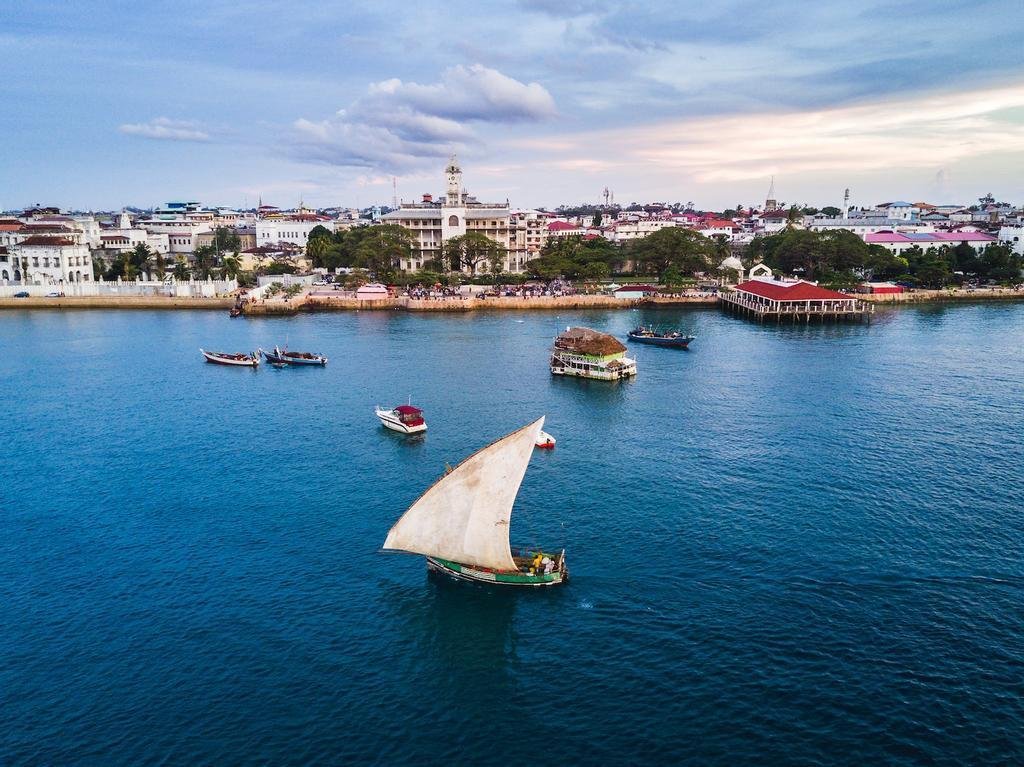
Zanzibar is one of East Africa’s most appealing island destinations. It combines white-sand beaches, warm Indian Ocean waters, Swahili culture, historic architecture, spice farms, marine life, and relaxed coastal villages. For many travelers, the island works perfectly as a beach holiday. However, Zanzibar offers much more than time beside the sea. You can walk through the historic streets of Stone Town, visit spice farms, explore coral reefs, discover local food, or take a boat trip to nearby islands. The Zanzibar Commission for Tourism also highlights the destination’s beaches, marine life, cultural heritage, spice farms, and nature experiences as key reasons to visit.
For travelers planning a trip from Uganda or combining an island holiday with a Tanzania safari, Zanzibar can be an excellent extension. Zamunda Travels can help travelers combine Zanzibar with mainland Tanzania experiences such as Serengeti, Ngorongoro, Tarangire, or Nyerere National Park. This makes it possible to enjoy wildlife, culture, and the Indian Ocean on one carefully planned journey.
Why Visit the Island?
A Zanzibar travel guide should begin with what makes the destination different from other tropical beach locations. Zanzibar is part of Tanzania and lies in the Indian Ocean off the country’s coast. Unguja is the main island that most international visitors call Zanzibar. The island has a long history of trade across the Indian Ocean. That history shaped its Swahili culture, architecture, food, language, and coastal communities. Today, visitors can see African, Arab, Indian, Persian, and European influences across the island. Stone Town provides the strongest expression of this cultural history, while the coastal areas offer a very different atmosphere with beaches, fishing villages, resorts, and water activities.
Zanzibar also appeals to different types of travelers. Couples can enjoy romantic beach stays and sunset dhow cruises. Families can combine beach time with cultural and nature excursions. Adventure travelers can go snorkeling, diving, kayaking, or kite surfing. Food lovers can explore seafood, Swahili dishes, tropical fruits, and spice-based cuisine. Meanwhile, travelers interested in history can spend hours exploring Stone Town and its museums, old buildings, markets, and narrow streets. This variety makes Zanzibar suitable for both short holidays and longer island stays.
Best Beaches in Zanzibar
Zanzibar’s beaches are among its biggest attractions. The Zanzibar Commission for Tourism identifies Nungwi, Kendwa, and Jambiani among the island’s important beach areas. Tanzania’s tourism sector survey also lists Nungwi, Kendwa, Kiwengwa, and Paje among the most visited Zanzibar beaches.
Nungwi Beach
Nungwi sits at the northern end of Unguja and remains one of Zanzibar’s most popular beach destinations. Its northern location gives it a lively resort atmosphere, with hotels, restaurants, beach activities, and opportunities for boat trips. The area is also known for its traditional dhow-building heritage. Travelers who want a combination of beautiful beaches and plenty of activity may find Nungwi a good choice.
Nungwi also works well for travelers who want easy access to marine experiences. Snorkeling, diving, boat trips, and sunset cruises are common activities around the northern coast. The wider area also provides opportunities to learn about local coastal life rather than spending the entire holiday inside a resort.
Kendwa Beach
Kendwa lies close to Nungwi but offers a somewhat different beach experience. It is famous for its wide sandy beach and relaxed coastal setting. The beach is especially attractive for travelers who want to swim, enjoy sunsets, and spend long hours beside the Indian Ocean.
One advantage of the northern coast is that beach conditions can differ from other parts of Zanzibar. Therefore, travelers should consider the location of their accommodation when choosing between beaches. If swimming and relaxed beach time are your main priorities, the northern coast deserves serious consideration.
Paje Beach
Paje lies on Zanzibar’s southeastern coast and has become particularly popular with younger travelers and water-sports enthusiasts. The area is well known for kite surfing, thanks to its coastal conditions and regular winds. It also has a relaxed village atmosphere, along with restaurants, small hotels, guesthouses, and beach resorts.
Paje is a strong option for travelers who want a mixture of beach relaxation and activities. You can spend part of the day on the sand and then try kite surfing or explore the surrounding coastline. The southeastern coast also connects naturally with places such as Jambiani, making it easy to explore more than one beach area during a longer stay.
Jambiani Beach
Jambiani offers a quieter coastal experience than some of Zanzibar’s larger resort areas. The village stretches along the southeastern coastline, where visitors can experience beaches, local fishing traditions, and everyday island life. It can be a good choice for travelers who want a slower pace.
The coastal landscape changes with the tides. At low tide, large areas of the seabed become visible, while local communities continue activities connected to fishing and seaweed farming. This makes Jambiani particularly interesting for visitors who want more than a conventional resort holiday.
Matemwe and the Northeast Coast
Matemwe provides another attractive option on Zanzibar’s northeast coast. The area is known for its beach setting and access to marine activities. It can also suit travelers who want a quieter base while remaining close to some of Zanzibar’s well-known snorkeling and diving locations.
The northeast coast is particularly useful for travelers interested in combining beach relaxation with excursions. Depending on your itinerary, you can arrange marine activities, visit nearby communities, and explore other parts of the island.
Exploring Stone Town
No Zanzibar travel guide would be complete without Stone Town. The historic center became a UNESCO World Heritage Site in 2000 because of its exceptional cultural and architectural significance. UNESCO describes Stone Town as a Swahili coastal trading town shaped by centuries of interaction between Africa, Arabia, India, and Europe. Its narrow streets, historic buildings, courtyards, carved doors, and waterfront create one of East Africa’s most distinctive urban landscapes.
The best way to experience Stone Town is on foot. The narrow streets can lead you from busy markets to quiet residential lanes, historic buildings, mosques, churches, shops, and small restaurants. The architecture tells much of the island’s story. Traditional Swahili houses sit alongside buildings influenced by Arab and Indian architectural traditions. Elaborately carved wooden doors are among the most recognizable features of the old town.
Old Fort of Zanzibar
The Old Fort is one of Stone Town’s best-known landmarks. The structure dates to the late 17th century and reflects the political and military history of Zanzibar. Today, the site serves as a cultural space where visitors can explore historic architecture and experience events and performances. The Zanzibar Commission for Tourism lists the Old Fort among Stone Town’s key cultural attractions.
Forodhani Gardens
Forodhani Gardens sits along the Stone Town waterfront and becomes particularly lively in the evening. Local food vendors gather here, creating a popular evening food market. Visitors can sample seafood and other local dishes while enjoying views across the waterfront.
For many travelers, Forodhani offers an easy introduction to Zanzibar’s food culture. Instead of eating only at a hotel, you can experience the atmosphere of a busy local gathering place. The Zanzibar Commission for Tourism also highlights Forodhani as an important cultural and culinary stop in Stone Town.
House of Wonders and Palace Museum
Stone Town also contains important buildings connected to the history of Zanzibar’s sultanate. The House of Wonders is one of the city’s most recognizable historic structures. The Palace Museum provides another opportunity to learn about Zanzibar’s royal history and the lives of its former rulers.
However, visitors should check current opening arrangements before planning their visit. Historic buildings can sometimes undergo conservation work or have changing access arrangements.
Darajani Market
Darajani Market provides a more everyday view of Zanzibar. The market brings together food, spices, fresh produce, seafood, clothing, and other goods. It is a useful place to experience the energy of Stone Town and observe local commerce.
Visitors should remain respectful when taking photographs. A guided visit can also help explain the products, traditions, and history behind what you see.
Things to Do Beyond the Beach
A good Zanzibar travel guide should include activities beyond sunbathing. Zanzibar has enough attractions to fill several days without repeating the same experience.
Visit a Zanzibar Spice Farm
Zanzibar has a long association with the spice trade. A spice farm visit allows travelers to see and smell crops such as cloves, cinnamon, vanilla, nutmeg, ginger, and cardamom. Guides explain how the plants grow and how people use them in cooking and traditional practices.
Spice tours also connect the countryside with Zanzibar’s wider history. For centuries, spices played an important role in trade and helped give the islands their famous reputation as the “Spice Islands.” A visit can therefore be both educational and enjoyable.
Explore Jozani Forest
Jozani Forest is one of Zanzibar’s most important nature attractions. The forest is associated with the endemic Zanzibar red colobus monkey, making it a valuable stop for wildlife lovers. Visitors can follow established trails with guides and learn about the forest’s plants, wildlife, and conservation importance. The Zanzibar Commission for Tourism lists Jozani Forest Reserve among the island’s major attractions.
A Jozani visit also adds variety to a beach itinerary. After several days on the coast, spending time in the forest offers a completely different environment.
Go Snorkeling or Scuba Diving
Zanzibar’s surrounding waters support coral reefs and diverse marine life. Snorkeling and scuba diving are among the most popular activities for visitors. Depending on the location and season, travelers can encounter colorful reef fish, sea turtles, dolphins, and other marine species. The Zanzibar Commission for Tourism highlights the island’s coral reefs and marine diversity as major attractions.
Travelers should choose responsible operators that respect marine ecosystems. Avoid touching coral, feeding wildlife, or collecting shells from protected areas. These simple choices help protect the environment that makes Zanzibar attractive.
Take a Dhow Sunset Cruise
A traditional dhow cruise is one of the classic Zanzibar experiences. These wooden sailing boats have long been part of Indian Ocean coastal culture. A sunset cruise provides a relaxed way to enjoy the coastline while watching the sun move toward the horizon.
For couples, it can add a romantic element to a Zanzibar holiday. Families and groups can also enjoy private cruises, depending on the operator and weather conditions.
Visit Prison Island
Prison Island, also known as Changuu Island, lies off Stone Town. It is commonly visited on boat excursions from the city. The island has historic associations and is also known for its giant tortoises. A short trip here can fit easily into a Stone Town itinerary.
Travelers should choose operators that follow responsible wildlife practices. The goal should be to observe animals without disturbing them.
Experience Zanzibar’s Food
Food is an important part of the Zanzibar experience. The island’s cuisine reflects its position along historic Indian Ocean trade routes. Swahili cooking combines local ingredients with influences from Africa, Arabia, India, and other parts of the Indian Ocean world.
Try fresh seafood, tropical fruits, spiced tea, rice dishes, and local snacks. Zanzibar pizza is another popular food experience, especially around Stone Town’s evening food scene. A food-focused walking tour can help visitors understand the ingredients and traditions behind local dishes.
Best Time to Visit Zanzibar
Zanzibar has a tropical climate, so travelers can visit throughout much of the year. However, weather patterns can influence beach conditions, marine activities, and outdoor excursions. The Zanzibar Commission for Tourism notes that periods with calmer waters and better visibility can be particularly attractive for diving and snorkeling.
For travelers who want a classic beach holiday, it is useful to consider the main dry periods. The June to October period generally offers a popular combination of warm temperatures and lower rainfall. December to February can also provide good beach conditions, although temperatures can feel hotter.
The long rains usually occur around March to May, while shorter rains can occur later in the year. Weather patterns can vary, so travelers should check conditions close to their departure date.
How Many Days Do You Need in Zanzibar?
Four to five days can provide a good introduction to Zanzibar. You can spend time in Stone Town, visit a spice farm, enjoy a beach, and add one or two excursions.
A week allows for a more relaxed experience. You can combine Stone Town with Nungwi, Kendwa, Paje, Jambiani, or another coastal area. You can also add Jozani Forest, snorkeling, a dhow cruise, and a spice tour without rushing between activities.
For travelers combining Zanzibar with a Tanzania safari, three to five nights on the island often works well after a wildlife circuit. Zamunda Travels can help organize the safari and Zanzibar sections as one itinerary, reducing the need to arrange separate transfers and activities.
Getting Around Zanzibar
Travelers can explore parts of Stone Town on foot, while taxis, private transfers, and tour vehicles provide access to other parts of the island. The Zanzibar Commission for Tourism notes that the main islands are relatively small and that walking can be a good way to experience local culture and scenery.
For a first visit, private transfers can make the journey easier, especially when moving between the airport, Stone Town, and beach resorts. A local travel company can also organize excursions around your accommodation rather than requiring you to arrange every activity separately.
What to Pack for Zanzibar
Pack lightweight clothing because Zanzibar is warm and humid for much of the year. Bring swimwear, comfortable walking shoes, sunglasses, sunscreen, insect repellent, and a reusable water bottle. A light rain jacket can also be useful during wetter periods.
Because Zanzibar has a strong Muslim cultural tradition, modest clothing is advisable when visiting villages, markets, and Stone Town. Beachwear is appropriate at the beach, but visitors should dress more conservatively away from resort areas. Respect for local customs makes the experience more comfortable for both visitors and residents.
Is Zanzibar Worth Visiting?
Yes. Zanzibar offers much more than beautiful beaches. The island combines coastal scenery, Swahili culture, historic architecture, spice traditions, marine activities, forests, local food, and relaxed island communities.
The biggest advantage is the variety within a relatively compact destination. You can walk through a UNESCO-listed historic town in the morning, visit a spice farm in the afternoon, and watch the sunset beside the Indian Ocean later that day. Stone Town’s heritage is internationally recognized, while the beaches and marine environment provide the relaxed side of the island experience.
For travelers visiting Tanzania, Zanzibar is also an excellent complement to a safari. After several days watching elephants, lions, giraffes, or wildebeest on the mainland, the island offers a slower coastal experience. Zamunda Travels can combine Tanzania safari experiences with Zanzibar beach holidays for travelers who want to experience both wildlife and the Indian Ocean in one trip.
Plan Your Zanzibar Holiday with Zamunda Travels
A successful Zanzibar holiday depends on choosing the right combination of beaches, activities, accommodation, and travel time. Some travelers prefer the lively northern coast. Others want the quieter atmosphere of Jambiani or the water-sports scene around Paje. History lovers may want more time in Stone Town, while beach lovers may prefer to spend most of their trip on the coast.
Zamunda Travels can help you build a Zanzibar itinerary around your interests, budget, and available time. The trip can also be combined with a Tanzania safari, creating a complete East African adventure that brings together wildlife, culture, beaches, and the Indian Ocean.
Zanzibar is not simply a place to visit for a beach. It is a destination where history, culture, nature, food, and coastal life come together. With the right itinerary, your time on the island can become one of the highlights of your Tanzania journey.