Great Wildebeest Migration in Tanzania
October 7, 2026
Mara River Crossings
October 7, 2026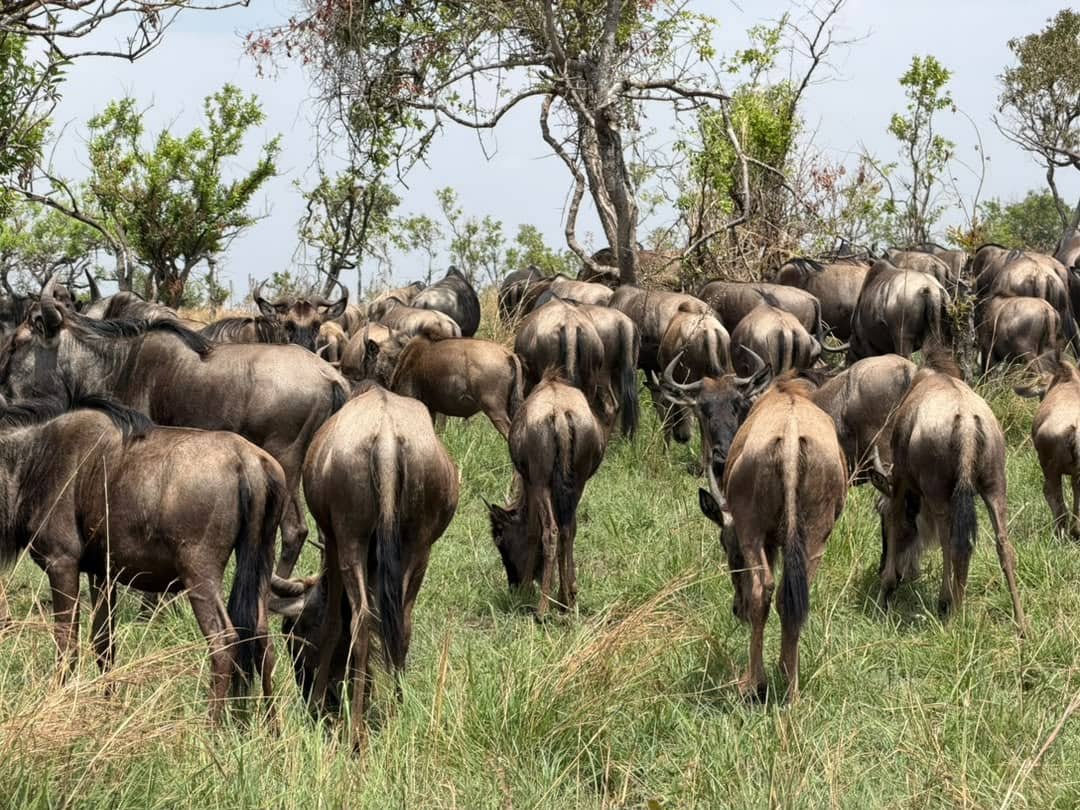
The Great Migration is one of the most remarkable wildlife spectacles in Africa. Each year, huge herds of wildebeest move across the Serengeti ecosystem in Tanzania and into Kenya’s Maasai Mara. Zebras and gazelles travel with them, while lions, cheetahs, leopards, hyenas, and crocodiles follow the herds. The animals move in search of fresh grass and water. Their journey forms a continuous cycle that changes with the seasons. Therefore, there is no single month that guarantees the best migration experience. Instead, each period offers a different wildlife spectacle.
For most travelers, the best time to see the Great Migration in Serengeti depends on what they want to witness. Some visitors want to see newborn wildebeest and intense predator action. Others want to watch large herds move across the plains. Many travelers dream of seeing wildebeest cross the Mara River in northern Serengeti. The good news is that Serengeti offers excellent migration experiences across much of the year. With the right timing and route, Zamunda Travels can help travelers choose an itinerary that matches their main wildlife interests.
Why the Great Migration Happens
The Great Migration is driven mainly by rainfall, fresh grass, water, and the need to survive. Wildebeest cannot remain in one area throughout the year because the quality and availability of grass changes with the seasons. As rain creates fresh grazing, the herds follow the new vegetation. When food becomes scarce, they continue moving toward areas with better pasture.
The migration involves more than wildebeest. Large numbers of zebras and gazelles also travel through the ecosystem. Predators follow the herds because the movement creates feeding opportunities. The result is a huge ecological cycle involving grazing animals, carnivores, birds, insects, plants, water, and soil. UNESCO describes the Serengeti migration as one of the world’s most impressive natural events. The wider migration route extends across Tanzania and Kenya for hundreds of kilometres.
This is also why travelers should avoid thinking of the migration as one event that happens on one exact date. The herds respond to environmental conditions. Rainfall can change the availability of grass, and that can affect where the animals gather. Recent reporting also shows that unexpected rainfall can delay or change herd movements.
January to March
January to March is an excellent period for travelers interested in the calving season. During this period, large numbers of wildebeest gather on the short-grass plains of the southern Serengeti and nearby areas. The fresh grass provides important food for mothers and young calves. January can bring large concentrations of animals, while February is particularly famous for mass births.
TANAPA lists January and February as the main calving period. Its migration information also notes that hundreds of thousands of calves can be born during this short period. The southern plains provide nutritious grass, which supports mothers during pregnancy and after birth.
Calving season offers a different experience from the famous river crossings. Instead of watching animals battle strong currents, travelers can observe newborn calves taking their first steps. The scene can become especially dramatic when predators take advantage of the abundance of young animals. Lions, cheetahs, hyenas, and other predators remain active around the herds.
For photographers and wildlife lovers, this period offers excellent opportunities. The landscape can also look fresh and green after seasonal rains. The combination of young animals, large herds, predators, and open grassland creates a powerful safari experience.
April to June
April marks a period of transition. The herds begin moving away from the southern plains as the migration continues north and west. Movement can become more difficult to predict because rainfall strongly influences the availability of fresh grass.
May and June are important months for travelers who want to follow the migration through the central and western Serengeti. The herds gradually move toward the Western Corridor. The Grumeti River becomes an important feature of this stage of the journey.
The Western Corridor can offer excellent wildlife viewing. The scenery changes as the open southern plains give way to woodland and riverine habitats. The Grumeti area also supports resident wildlife, so travelers can enjoy more than the migration alone.
The timing of Grumeti River crossings can vary. Some sources place the main movement through the Western Corridor around June and early July. However, visitors should not expect a crossing on a particular day. The animals respond to conditions rather than a human timetable.
This makes flexible safari planning especially valuable. Zamunda Travels can build a route that combines migration tracking with regular game viewing. That approach gives travelers more opportunities to see wildlife even if the herds move earlier or later than expected.
July to September
July to September is one of the most popular periods for a Great Migration safari. During these months, large herds move through northern Serengeti and toward the Maasai Mara in Kenya. This period is famous because it can include dramatic river crossings.
The Mara River is one of the most challenging obstacles on the migration route. Wildebeest may gather near the river for hours or even longer before deciding to cross. When a crossing begins, large numbers of animals can enter the water in a short period. Crocodiles wait in the river, while predators may patrol the surrounding banks.
However, travelers should understand that river crossings are never guaranteed. The animals may gather at one point and then move away. They may also cross at a different location. Weather and river conditions can affect their movement. TANAPA has specific guidelines for viewing Mara River crossings because large numbers of safari vehicles can place pressure on the area.
August and September are especially popular for northern Serengeti migration safaris. Recent National Geographic guidance identifies the Kogatende area as an important location for travelers hoping to see Mara River crossings. It also highlights August and September as a peak period for this experience.
A safari during these months can also provide excellent general wildlife viewing. The dry conditions often make animals easier to spot around water sources and open areas. The grass becomes shorter, which can improve visibility during game drives.
Is October a Good Time for the Migration?
October can still provide excellent migration experiences, although the herds may begin moving south. Their movement depends on rainfall across the ecosystem. Some animals may remain in northern Serengeti for part of the month, while others begin returning toward central and eastern areas.
This period can appeal to travelers who want a quieter safari experience than the busiest migration months. The northern Serengeti may still offer excellent wildlife encounters, while the changing movement creates opportunities to follow the herds as they return toward Tanzania.
By late October and November, the migration generally begins its journey south. The animals follow new grass created by returning rains. This movement continues the annual cycle and eventually brings the herds toward the southern plains again.
November to December: The Migration Returns South
November and December are important parts of the migration cycle. The herds move back toward the central and southern Serengeti as rainfall creates fresh grazing areas. The landscape begins preparing for another calving season.
These months are sometimes overlooked because many travelers focus only on river crossings. However, the migration continues throughout the year. Visitors can still find large herds and excellent wildlife viewing during the return journey.
The central Serengeti can be particularly useful during this transition. Seronera and surrounding areas offer strong year-round wildlife viewing. Travelers can also enjoy resident predators and other wildlife while tracking the moving herds.
This period can work well for travelers who want a combination of migration and general Serengeti wildlife. It can also offer a different atmosphere from the busy peak season. Zamunda Travels can help select camps and safari routes based on current herd locations and the traveler’s preferred experience.
Which Month Is Best for River Crossings?
If your main goal is to see a dramatic wildebeest river crossing, consider planning a northern Serengeti safari between July and September. August and September are particularly popular because the herds often move through the northern Serengeti and toward the Mara River during this period.
Still, a river crossing should never be treated as a guaranteed attraction. The Great Migration follows nature, not a fixed schedule. Herds can remain in one area for a while before moving suddenly. They can also approach a river and turn back.
This uncertainty is part of what makes the experience so special. A skilled safari guide can monitor animal movements and adjust game-drive plans. Spending several days in the migration area also increases the chance of witnessing important movement.
Travelers should also choose responsible safari operators. Mara River viewing requires careful management because large groups of vehicles can disturb animals and damage sensitive areas. TANAPA has introduced specific rules for vehicle positioning and viewing at designated crossing points.
Which Month Is Best for Calving?
If you want to see newborn wildebeest, January and February are among the best months to visit the southern Serengeti. February is particularly famous for the concentration of births. TANAPA identifies January and February as the main calving period.
The calving season creates an intense predator-prey environment. Thousands of calves may be born over a short period. Newborn wildebeest become mobile quickly, but they remain vulnerable to predators. Lions, cheetahs, hyenas, and other carnivores take advantage of the abundance of young prey.
The southern Serengeti also offers beautiful scenery during this period. Green plains, large herds, young animals, and dramatic skies can create excellent photographic conditions. For travelers who prefer wildlife behavior over river crossings, calving season can be an outstanding choice.
Where to See the Great Migration in Serengeti
The best location depends on the month and the behavior of the herds. Southern Serengeti is important during the calving period. The central Serengeti provides strong wildlife viewing and can be useful during periods when the herds move through the middle of the ecosystem. The Western Corridor becomes important during the northward movement toward the Grumeti area.
Northern Serengeti is especially important during the dry-season migration. Areas around Kogatende provide access to the Mara River and northern migration routes. The exact location of the herds can change quickly, so choosing a safari area based only on a historical calendar can be risky.
A well-planned safari therefore considers both the migration and the wider wildlife experience. Even when the herds move outside your immediate area, Serengeti still supports lions, leopards, elephants, buffaloes, cheetahs, giraffes, hippos, and many bird species. TANAPA lists more than 500 bird species in the park.
How Long Should You Spend on a Migration Safari?
A longer safari generally gives you more flexibility. The migration can move quickly, and travelers cannot control when a herd reaches a particular location. A short safari may still provide an excellent experience, but it gives you fewer opportunities to follow changing wildlife movements.
For travelers focused on river crossings, several nights in northern Serengeti can improve the chances of seeing the herds. For calving season, a southern Serengeti stay can provide better access to the main calving areas.
A longer Tanzania safari can also combine Serengeti with destinations such as Ngorongoro Conservation Area and Tarangire National Park. This creates a more varied experience instead of depending entirely on the migration.
Zamunda Travels can design a private Tanzania safari around your preferred season, budget, accommodation level, and wildlife priorities. The itinerary can also include flights or road transfers between safari areas when they make the journey more comfortable.
What Affects the Timing of the Great Migration?
Rainfall is one of the biggest factors affecting migration timing. The animals follow fresh grass, so their movements depend on where rainfall produces suitable grazing. This means the same month can produce different herd locations in different years.
Other environmental conditions also influence movement. Water availability, grass quality, local weather, and the condition of the landscape all play a role. As a result, migration calendars should serve as planning guides rather than guarantees. Recent National Geographic reporting has highlighted how unexpected rainfall can delay herd movement and change where visitors find the animals.
This is why working with experienced local guides can make a major difference. Guides understand the ecosystem and communicate about recent wildlife movements. They can also adjust daily game drives when the herds change direction.
Best Time to See the Great Migration with Zamunda Travels
Choosing the best Serengeti migration time depends on the experience you want. Visit in January or February if calving and newborn animals are your priority. Consider May and June for the Western Corridor and the movement toward the Grumeti area. Choose July to September if river crossings are your main goal. October and November can be rewarding for travelers interested in the return south and changing herd movements.
There is no perfect month for every traveler. Instead, the ideal period depends on your interests, budget, available travel days, and preferred safari style. A good itinerary should also allow enough time for wildlife viewing because the migration does not follow exact dates.
Zamunda Travels offers Tanzania safari planning for travelers who want to experience the Serengeti and its incredible wildlife. Our safari specialists can help you choose the right season, route, accommodation, and number of days based on your interests. Whether you dream of watching thousands of wildebeest cross the Mara River or seeing newborn calves on the southern plains, careful planning can make your Serengeti adventure more rewarding.
Plan Your Serengeti Migration Safari
The Great Migration is not simply a journey from one destination to another. It is a continuous natural cycle that connects the southern Serengeti, central plains, Western Corridor, northern Serengeti, and Kenya’s Maasai Mara. Every season reveals a different part of this extraordinary ecosystem.
For the most dramatic river-crossing experience, focus on northern Serengeti during the July to September period. For calving and predator action, choose the southern Serengeti in January and February. If you want to follow the broader movement, consider a longer itinerary that covers several regions.
With Zamunda Travels, you can plan your Tanzania safari around the migration season that best matches your interests. The right timing, experienced guides, flexible planning, and enough time in the Serengeti can turn a normal safari into an unforgettable wildlife experience.