How Long Does Gorilla Trekking in Bwindi Take?
September 30, 2026
How to Get to Bwindi from Entebbe International Airport
September 30, 2026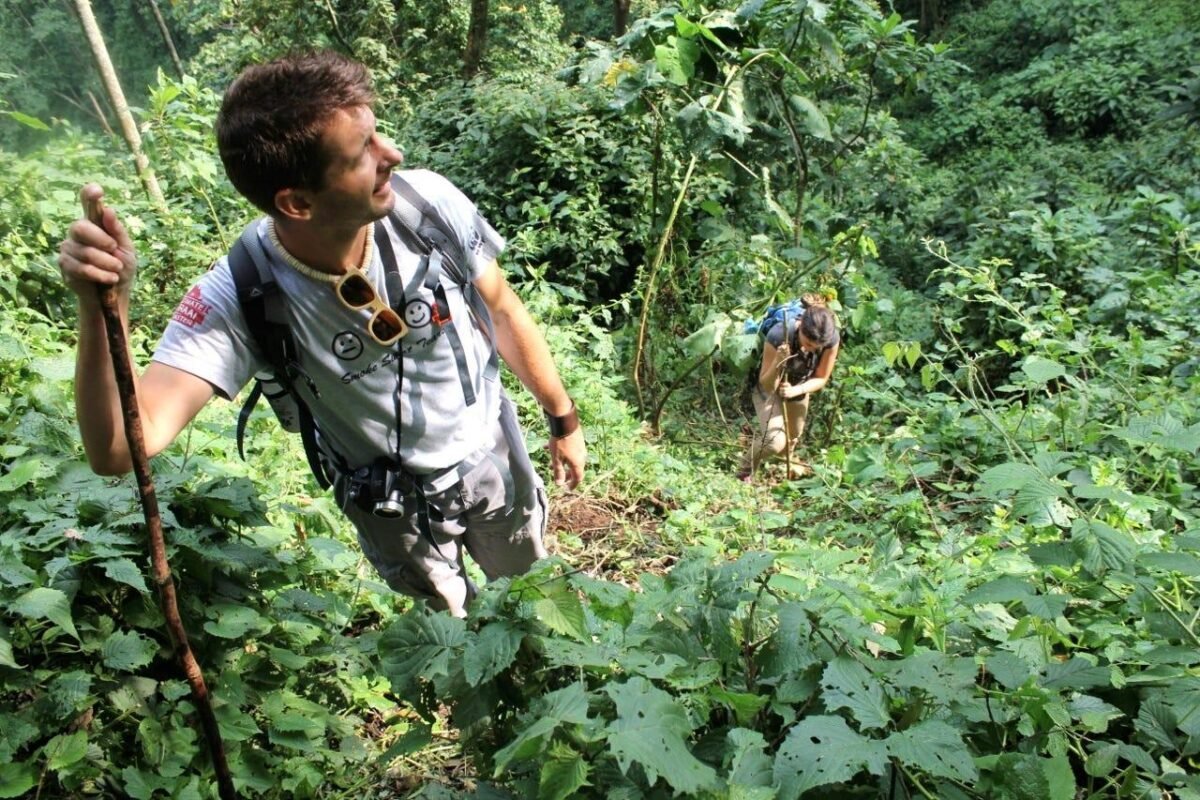
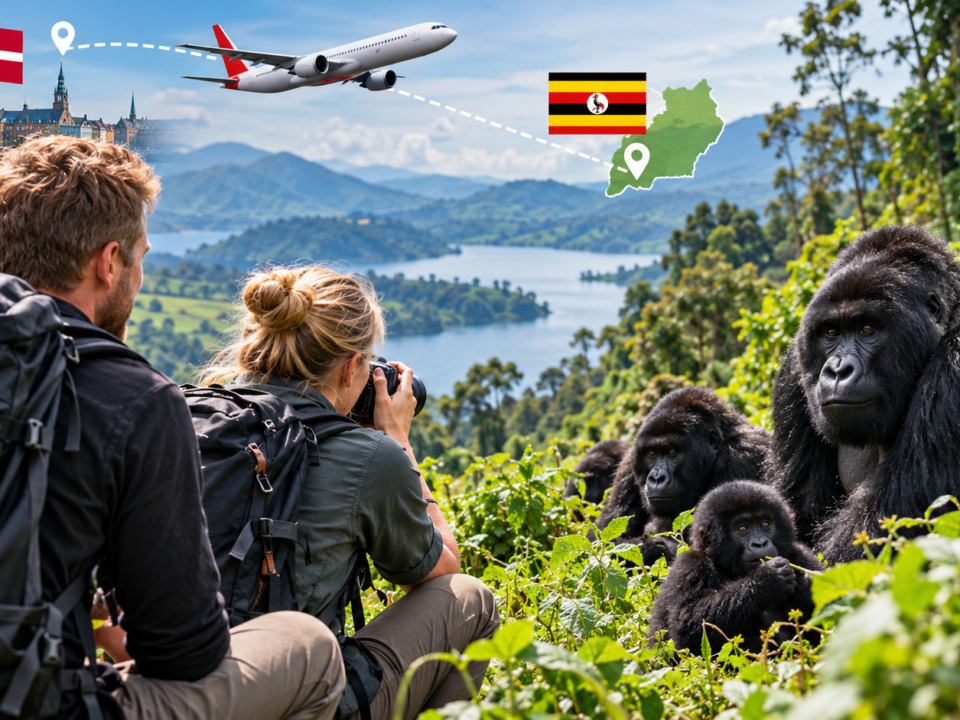
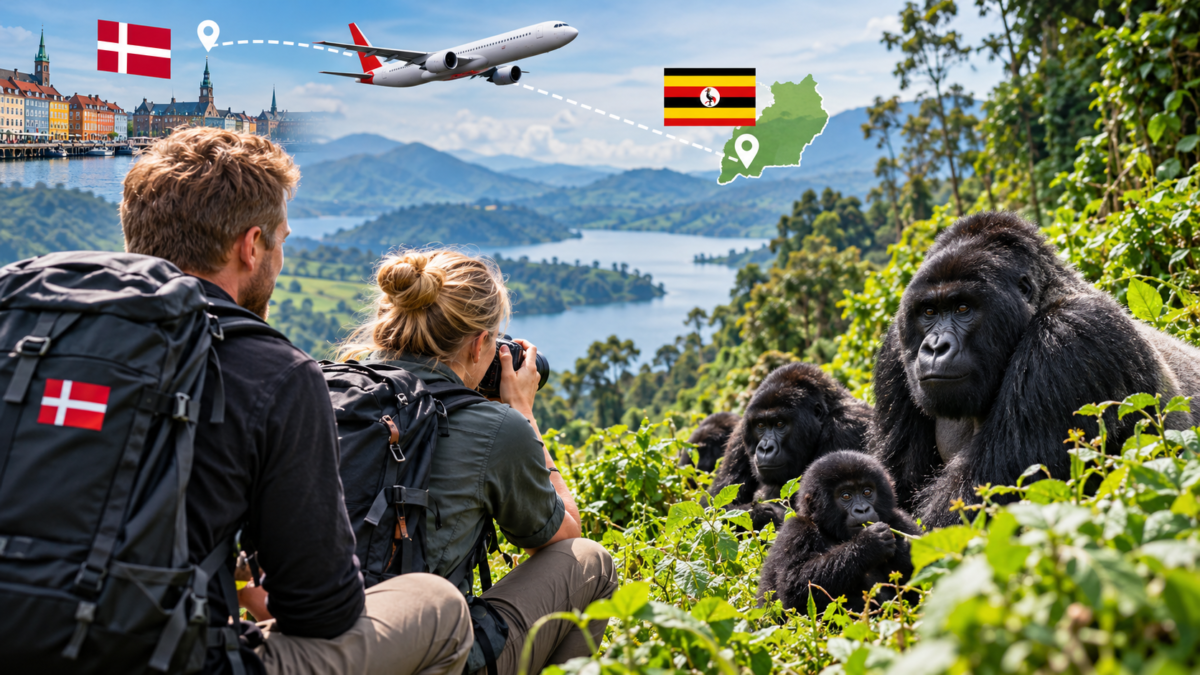
Gorilla trekking in Bwindi Impenetrable National Park is a physically demanding but manageable adventure for many travelers. The experience involves walking through a mountainous rainforest with steep ridges, deep valleys, uneven ground, and changing weather conditions. Uganda Wildlife Authority (UWA) describes gorilla tracking as requiring moderate fitness, with the activity usually lasting about 2 to 7 hours, depending on where the gorilla family is located. Therefore, the difficulty varies from one trek to another. Some visitors may complete their trek after a relatively short walk, while others may spend several hours climbing and descending forest trails. With suitable preparation, a sensible pace, and support from the trekking team, many visitors can enjoy the experience without being highly athletic. Zamunda Travels helps travelers prepare for the physical side of the experience so they know what to expect before entering the forest.
Gorilla Trekking Difficulty in Bwindi
The gorilla trekking difficulty in Bwindi mainly comes from the terrain rather than speed. Bwindi covers about 321 square kilometers and has elevations ranging from approximately 1,160 to 2,607 meters above sea level. The landscape contains steep ridges, deep valleys, and rugged slopes. As a result, visitors should expect sections that require steady climbing and careful walking. The forest can also feel humid, especially after rainfall. Wet vegetation and muddy ground can make some trails harder to navigate. You do not need to run or walk quickly. Instead, a steady pace works better. Your guides normally adjust the walking pace to suit the group and the conditions on the trail.
Another important point is that gorillas move naturally through the forest. Their location can change from day to day. The previous day’s location does not guarantee the same trekking distance on your visit. UWA notes that tracking can last from a few hours to a full day because the gorilla group may have moved since it was last observed. This uncertainty is one reason why visitors should prepare for a longer hike, even when a shorter trek is possible.
Why Is Gorilla Trekking in Bwindi Difficult?
The biggest challenge is the mountainous forest terrain. Bwindi sits within the Albertine Rift and contains steep slopes, ridges, and valleys. Some trails rise sharply before descending again, which can make the trek tiring even for people who regularly exercise. The thick vegetation can also make movement slower than walking on an ordinary road or open hiking trail.
Weather adds another factor. Bwindi is a rainforest, so rain can occur even during periods that travelers consider relatively dry. UWA’s park information recommends wet-weather gear because the forest receives substantial rainfall. When rain falls, the soil can become slippery and muddy. Consequently, good hiking shoes with strong grip can make a noticeable difference.
The altitude can also affect how your body feels. Bwindi’s elevation changes considerably across the park, from around 1,160 meters to 2,607 meters. Visitors who are not used to walking on hills may notice increased breathing and tired legs during steep sections. However, the trek does not require technical climbing or specialized mountaineering skills. The main requirement is the ability to walk for several hours over uneven and sometimes steep ground.
Gorilla Trekking Difficulty by Bwindi Sector
Bwindi has four main gorilla trekking sectors: Buhoma, Ruhija, Rushaga, and Nkuringo. The physical experience can differ between sectors because each area has its own landscape and gorilla groups move independently.
Gorilla Trekking Difficulty in Buhoma
Buhoma lies on the northern side of Bwindi and provides access to several gorilla families. The area has forested hills and valleys, so the trek can still involve significant climbing. However, the actual difficulty depends on the location of the assigned gorilla family on that particular day. Zamunda Travels can help you select suitable accommodation and organize the logistics around the Buhoma trailhead.
Gorilla Trekking Difficulty in Ruhija
Ruhija lies in the eastern part of Bwindi and is also surrounded by mountainous forest. The sector is known for its rich Albertine Rift biodiversity and offers access to gorilla trekking as well as other forest experiences. Since gorillas move naturally, the distance cannot be guaranteed in advance. Therefore, visitors should prepare for both shorter and longer walks.
Gorilla Trekking Difficulty in Rushaga
Rushaga is located in southern Bwindi and provides access to several gorilla groups. The southern part of the park has rugged terrain, and visitors may encounter steep climbs and descents. The physical challenge depends heavily on the location of the assigned family. Travelers staying around Rushaga should therefore prepare for a genuine forest hike rather than a simple nature walk.
Gorilla Trekking Difficulty in Nkuringo
Nkuringo is well known for its mountainous landscape. The surrounding area contains steep slopes and dramatic hills, which can make some treks physically demanding. UWA documentation describes the wider Nkuringo area as rugged and characterized by very steep slopes. This does not mean every gorilla trek from Nkuringo will be extremely difficult. The actual experience still depends on the gorilla family’s location and the conditions on the day.
How Long Does Gorilla Trekking in Bwindi Take?
Gorilla trekking in Bwindi generally takes between 2 and 7 hours, according to UWA, although individual experiences can vary. The walking time includes searching for the gorilla family, moving through the forest, and returning to the trailhead. Once you find the gorillas, visitors normally spend up to one hour observing them under the established trekking rules.
The time can change because gorillas do not remain in one location. They move around the forest in search of food, resting areas, and suitable habitats. Consequently, one traveler may have a relatively short walk while another group may spend several hours in the forest before reaching its assigned gorilla family. This is why Zamunda Travels recommends preparing for a full morning or longer rather than planning another activity too close to the trekking schedule.
Do You Need to Be Fit for Gorilla Trekking?
You do not need to be a professional athlete to trek gorillas in Bwindi. However, a reasonable level of fitness can make the experience more comfortable. UWA specifically states that gorilla tracking requires moderate fitness. Regular walking, hiking, cycling, or other cardiovascular activities can help prepare your body for the experience.
If you currently do little exercise, start preparing several weeks before your safari. Begin with regular walks and gradually increase the distance. Include some uphill walking when possible because Bwindi involves climbs and descents. You can also practice walking on uneven ground to improve balance and confidence. The aim is not to train like a professional mountaineer. Instead, build enough stamina to walk steadily for several hours.
Your preparation should also include your feet. Comfortable hiking shoes with good traction are important because trails can become wet and slippery. Lightweight clothing, a waterproof jacket, long trousers, drinking water, and a small backpack are also useful. Zamunda Travels can provide practical packing guidance before your trip so that you arrive prepared for the forest environment.
What If You Are Not Very Fit?
Being less fit does not automatically mean that you cannot enjoy gorilla trekking. However, you should be honest about your physical ability before the trek. Tell your safari operator and trekking team if you have difficulty walking long distances or climbing hills. This information can help the team understand your needs and provide appropriate guidance.
Porters are also available in the Bwindi area and can assist visitors with carrying bags during the trek. UWA notes that surrounding communities benefit from tourism employment, including work as guides and porters. Hiring a porter can reduce the weight you carry and also provide direct support to local community members.
It is important to understand that a porter does not remove the physical demands of the trek. You will still need to walk through the forest. However, carrying less weight can make the experience more comfortable, especially during steep sections.
Does Rain Make Gorilla Trekking Harder?
Yes. Rain can make the forest trails more challenging because wet soil can become muddy and slippery. Bwindi’s rainforest environment means that visitors should prepare for changing weather conditions throughout the year. UWA recommends carrying wet-weather gear because the park receives considerable rainfall.
Rain does not necessarily prevent gorilla trekking. Treks can take place throughout the year. However, trail conditions can change quickly after heavy rainfall. Good footwear becomes especially important during these conditions. A waterproof jacket and protection for cameras and other electronic equipment can also be useful.
Interestingly, rainy conditions can create a different forest experience. The vegetation becomes even greener, the air feels fresh, and the mist can add to the atmosphere of the rainforest. For this reason, travelers should prepare for rain rather than assume that rain automatically ruins the trek.
How Can You Make Gorilla Trekking Easier?
The easiest way to manage the gorilla trekking difficulty is to prepare before your safari. Start with regular walking and include hills whenever possible. Build your stamina gradually rather than attempting very long walks immediately before your trip. Good rest before the trekking day is also important.
Choose comfortable hiking footwear and break the shoes in before traveling to Uganda. Avoid wearing brand-new shoes on the trekking day because they may cause blisters. Pack only what you need because a heavy backpack becomes uncomfortable during long climbs.
Your clothing should also suit the forest environment. Long trousers can protect your legs from vegetation, while a lightweight waterproof jacket can help during rain. Carry enough drinking water and follow the instructions provided by your guide. Most importantly, walk at a comfortable pace. There is no prize for reaching the gorillas first.
Zamunda Travels can organize your gorilla permit, transport, accommodation, and trekking arrangements while also helping you prepare for the physical demands of Bwindi. Good planning can make the difference between worrying about the hike and enjoying the experience.
Is Gorilla Trekking in Bwindi Worth the Physical Effort?
For many travelers, the physical challenge forms part of what makes the experience memorable. Bwindi is a natural forest rather than a developed walking trail. You enter the habitat of wild mountain gorillas and follow forest paths through a landscape of ridges, valleys, trees, and dense vegetation. UWA identifies Bwindi as one of Uganda’s major mountain gorilla destinations and notes that the park protects a significant share of the world’s mountain gorillas.
The trek also contributes to conservation and local livelihoods. Tourism supports employment for guides, porters, and other community members around Bwindi. UWA reports that communities around protected areas receive a share of park revenue through its revenue-sharing program. Therefore, the experience connects wildlife conservation with tourism and community development.
The important thing is to approach the trek with realistic expectations. Gorilla trekking is not a casual walk in a city park. At the same time, it is not an expedition that requires advanced mountaineering skills. With moderate fitness, appropriate clothing, good footwear, patience, and professional guidance, many travelers can manage the experience successfully.
Gorilla Trekking Difficulty: What Should You Expect?
The gorilla trekking difficulty in Bwindi is best described as moderate to challenging, depending on the trail, weather, gorilla location, and your personal fitness. UWA officially recommends moderate fitness and gives a typical tracking duration of 2 to 7 hours. Some travelers will find the trek comfortable, while others may find the steep climbs and uneven terrain demanding.
The most important preparation is simple. Improve your walking fitness, bring suitable hiking shoes, prepare for rain, carry enough water, and avoid carrying unnecessary weight. You should also allow enough time for the trek because the gorillas may be farther into the forest than expected.
With the right preparation and support from Zamunda Travels, you can approach Bwindi with confidence and focus on the experience itself. The forest may challenge your legs, but the opportunity to observe mountain gorillas in their natural habitat makes the journey a unique part of a Uganda safari.