Walking Safaris in Kidepo Valley National Park
September 26, 2026
Cultural Experiences Around Kidepo Valley National Park
September 26, 2026
Northeastern Uganda hides one of Africa’s last truly authentic cultural encounters, and it sits right at the doorstep of Kidepo Valley National Park. When you visit the Karamojong community near Kidepo National Park, you step into a world where cattle define wealth, warriors still earn their status through courage, and traditions have survived centuries of change. Zamunda Travels arranges this encounter as part of a wider Kidepo safari experience, connecting travelers with a community that few outsiders ever get to know closely.
This blog walks you through who the Karamojong people are, what a visit to their homesteads looks like, and how Zamunda Travels makes the experience both meaningful and respectful.
Who Are the Karamojong People Near Kidepo Park?
The Karamojong occupy the Karamoja sub-region of northeastern Uganda, an area bordering South Sudan and Kenya. Their homesteads spread across the plains just outside Kidepo Valley National Park, making a cultural stop a natural addition to any wildlife safari in the area. Zamunda Travels often introduces first-time visitors to this region by pairing a game drive morning with a cultural afternoon among the Karamojong.
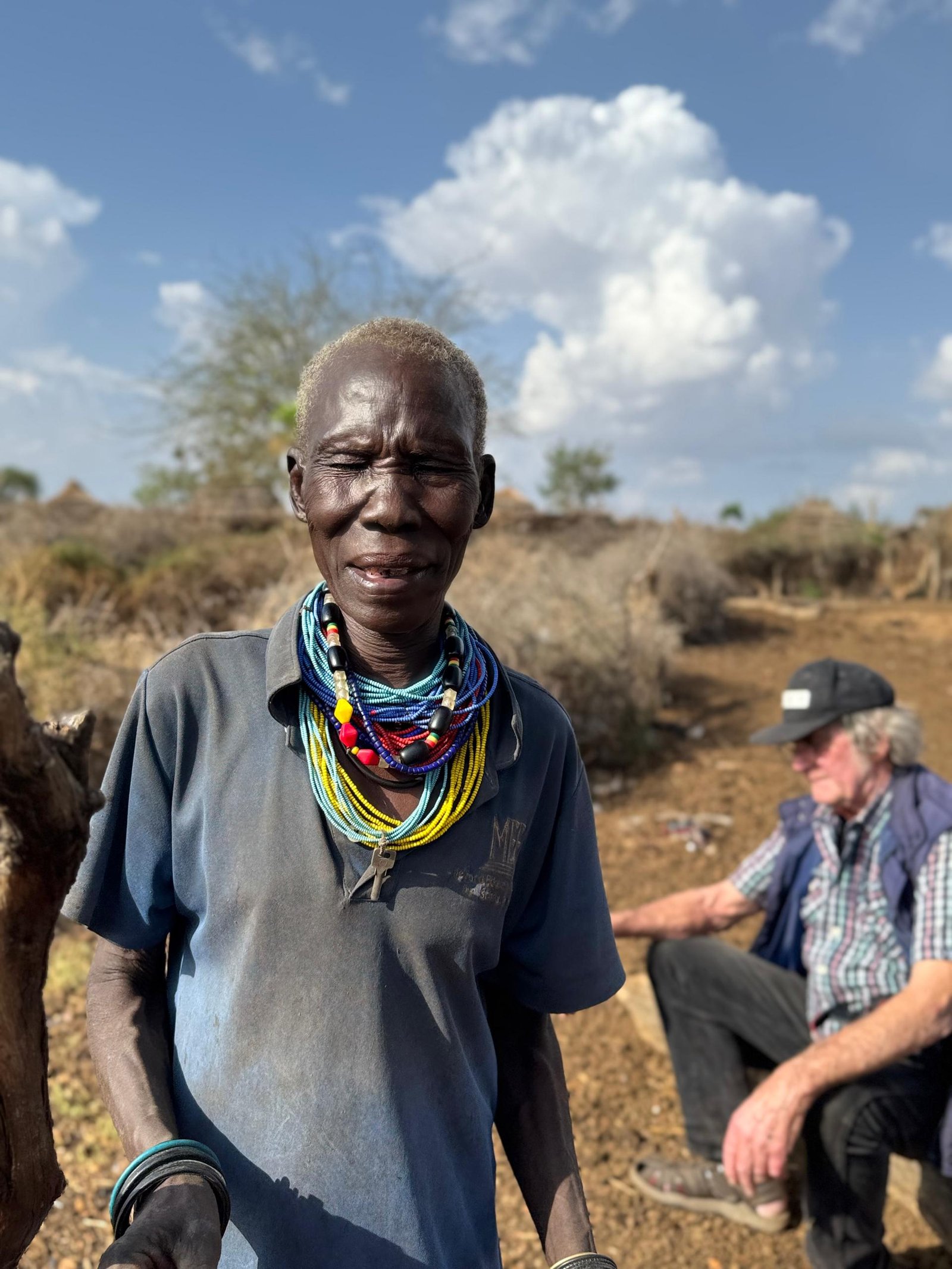
karamajong people
A Nilotic Community with Deep Roots
The Karamojong belong to a Nilotic ethnic group, and their story stretches back roughly five centuries. Historical accounts trace their first settlement near Mount Moroto to around the year 1600, following a series of migrations that split several Nilotic groups apart. Interestingly, the name Karamojong comes from the indigenous term Ngkarimojong, which loosely translates to “the old tired men who stayed behind.” That name carries a quiet irony today, because the community it describes has outlasted colonization, disarmament campaigns, and decades of modernization elsewhere in Uganda.
Their neighbors near the park include the Acholi and the Ik, and together these groups give the Kidepo region its distinctive cultural texture. Karenga District, the area now recognized as the gateway to the park, was carved out through an Act of Parliament in June 2019 and became fully operational the following month, largely to improve governance and service delivery in this remote corner of Uganda.
Life Built Around Cattle
Cattle sit at the center of everything in Karamojong society, and this fact shapes almost every custom you will encounter. Wealth, status, and even dowries all trace back to the size of a family’s herd, and this reliance historically pushed warriors to move constantly in search of water and grazing land. Marriage, in particular, follows a dowry system built entirely on livestock, so a young man’s herd often determines how many wives he can support. Meanwhile, women manage smaller farms near the settlement, growing sorghum and vegetables while raising the community’s children.
Religion also reflects this pastoral worldview. Unlike much of Uganda, where Christianity and Islam dominate, many Karamojong still practice their traditional religion, worshipping a deity known as Akuj, who they believe is the ultimate source of their cattle. That belief once fueled fierce cattle-raiding rivalries between clans, though government disarmament efforts have since calmed much of that conflict and opened the door to safer, more welcoming tourism.
What to Expect When You Visit the Karamojong Community
A Karamojong homestead visit rewards curious travelers with sights, sounds, and stories you simply cannot find in a guidebook. Zamunda Travels structures these visits so guests interact directly with families rather than watching from a distance.
Manyattas, Kraals, and the Rhythm of Two Seasons
Karamojong life shifts with the seasons, and understanding this rhythm helps visitors appreciate what they are seeing. During the rains, families settle into manyattas clustered villages fenced with thorny bush, where huts made from grass and timber house entire extended families. Women and children tend the surrounding farmland here, ensuring food security through the wetter months.
As the dry season sets in, however, many men move their herds toward permanent water sources and set up kraals, temporary cattle camps built purely around livestock care. Milking happens daily in these camps, and children take an active role in the process from a young age. Visitors who time their trip well can watch this transition firsthand, and Zamunda Travels adjusts each itinerary so guests see whichever setup is active during their stay.
Dance, Music, and Warrior Traditions
Karamojong social structure follows a patriarchal age-set system, and this system still governs daily life. Young warriors, sometimes called the “Gazelles,” handle defense and herding duties, while community elders, known as the “Mountains,” guide decision-making and settle disputes. This layered structure gives Karamojong society a surprisingly democratic feel despite its warrior reputation.
Cultural performances bring this hierarchy to life for visitors. Dancers leap rhythmically to drumbeats and chanting, often re-enacting cattle raids or courtship rituals through movement. Musicians accompany these dances with handmade instruments, and the entire performance draws the whole community together. Guests who join Zamunda Travels on a Kidepo cultural tour usually describe this dance as the most memorable part of their trip.
Crafts, Jewelry, and Local Trade
Karamojong artisans produce striking handmade goods, and browsing their work adds a meaningful layer to any visit. Beaded jewelry, hand-carved stools, spears, and woven baskets fill homestead compounds, each piece reflecting techniques passed down for generations. Waist beads and body art also carry cultural significance, often signaling age, status, or marital availability within the community.
Buying directly from these artisans supports local families financially, so Zamunda Travels encourages guests to purchase a souvenir or two during their visit. This small gesture channels tourism revenue straight into the community rather than through outside middlemen.
Best Ways to Experience Karamojong Culture with Zamunda Travels
Not every cultural encounter delivers an authentic experience, so choosing the right operator matters. Zamunda Travels partners with local guides who speak the Karamojong language and maintain long-standing relationships with the communities near the park.
Guided Cultural Encounters
Zamunda Travels arranges guided homestead visits that include a walk through the manyatta, a conversation with community elders, and a live dance performance. Local guides translate throughout the visit, so language never becomes a barrier between guests and their hosts. This format lets travelers ask questions freely, whether about marriage customs, cattle-raising techniques, or the meaning behind specific jewelry designs.
Combining Culture with a Kidepo Safari
Because the Karamojong homesteads sit so close to the park boundary, Zamunda Travels typically pairs this visit with a Kidepo Valley game drive. Guests might spend the morning tracking lions and buffalo across the Narus Valley, then spend the afternoon learning traditional fire-making or milking techniques among the Karamojong. This combination gives travelers a fuller picture of northeastern Uganda, blending wildlife adventure with genuine human connection.
Respectful Tourism: Tips for Visiting the Karamojong Community
Cultural tourism works best when visitors approach it with humility, and a few simple habits go a long way. Always ask permission before photographing individuals, since some community members prefer not to appear in tourist photos. Dress modestly, and follow your guide’s lead regarding appropriate conduct inside the homestead. Bring small denominations of Ugandan shillings if you plan to buy crafts, and negotiate prices politely rather than aggressively.
Zamunda Travels briefs every guest on these etiquette points before the visit begins, ensuring the encounter feels respectful rather than intrusive. This preparation protects the dignity of the Karamojong community while still giving travelers an unforgettable experience.
Why Book Your Karamojong Community Visit with Zamunda Travels
Choosing the right partner transforms a simple homestead stop into a genuinely enriching journey. Zamunda Travels brings years of experience organizing Kidepo safaris, strong relationships with Karamojong community leaders, and guides who understand both the cultural sensitivities and the logistics of reaching this remote region. From transport across Uganda’s rugged northeastern roads to accommodation near the park, Zamunda Travels handles every detail so guests can focus entirely on the experience itself.
If you want to witness one of East Africa’s most resilient cultures up close, plan your trip with Zamunda Travels and add a Karamojong community visit to your Kidepo Valley itinerary. Few travel experiences in Uganda offer this level of authenticity, and even fewer let you leave with handmade jewelry, new friendships, and stories worth telling for years.