Visit the Karamojong Community Near Kidepo National Park
September 26, 2026
Is Kidepo Valley National Park Safe for Tourists?
September 27, 2026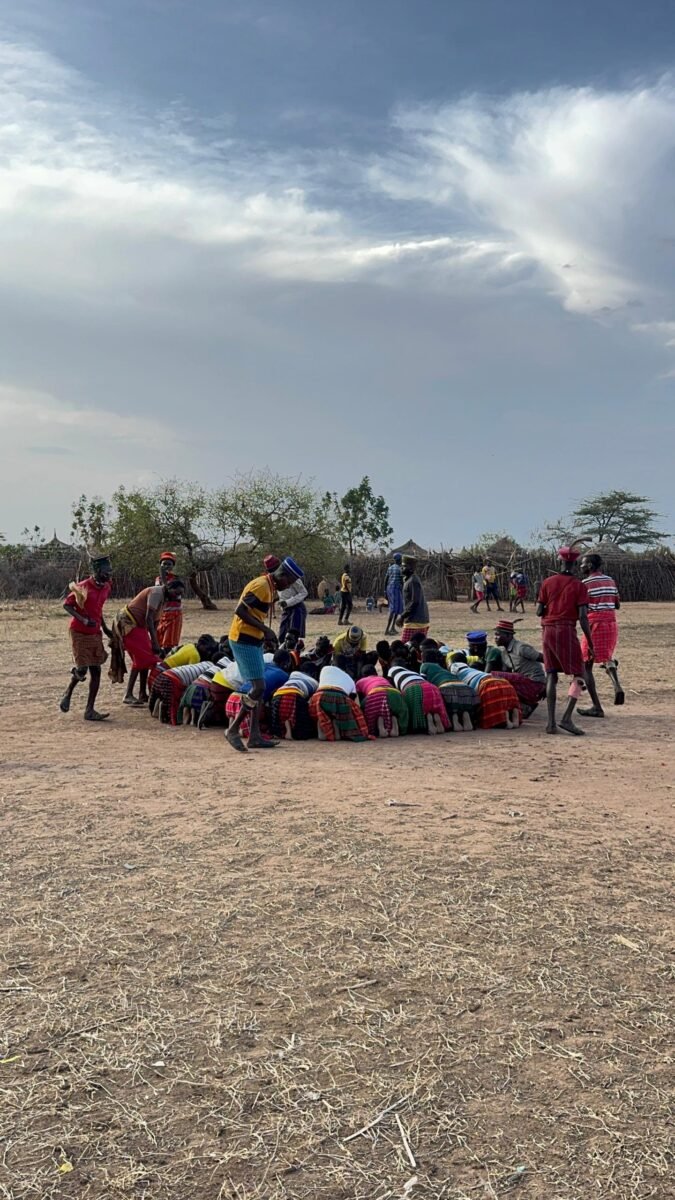
Kidepo Valley National Park is famous for its remote wilderness, spectacular landscapes, and diverse wildlife. However, the communities living around the park add another important dimension to a safari in northern Uganda. The cultural experiences in Kidepo Valley give travelers an opportunity to learn about traditional lifestyles, beliefs, crafts, music, and daily life. A visit to this region is therefore more than a wildlife adventure. It can also be a meaningful opportunity to connect with the people who have lived in and around the Karamoja landscape for generations. Zamunda Travels combines wildlife activities with respectful community visits to help travelers experience both sides of Kidepo.
Meeting the Karamojong People Near Kidepo Valley
The Karamojong are among the main communities living around Kidepo Valley National Park and across the wider Karamoja region. Their traditional lifestyle has historically centered on pastoralism, with cattle playing an important role in family wealth, social relationships, and cultural identity. Visitors can learn about this way of life through guided community visits, where local people explain their traditions, daily activities, and relationship with livestock.
The Karamojong are organized into different groups across Karamoja, including the Pian, Bokora, and Matheniko. Although modern influences have changed many aspects of life, traditional customs remain important in many communities. A guided visit provides context that visitors would not gain from simply driving through the region. With Zamunda Travels, travelers can arrange community encounters that emphasize respectful interaction and learning.
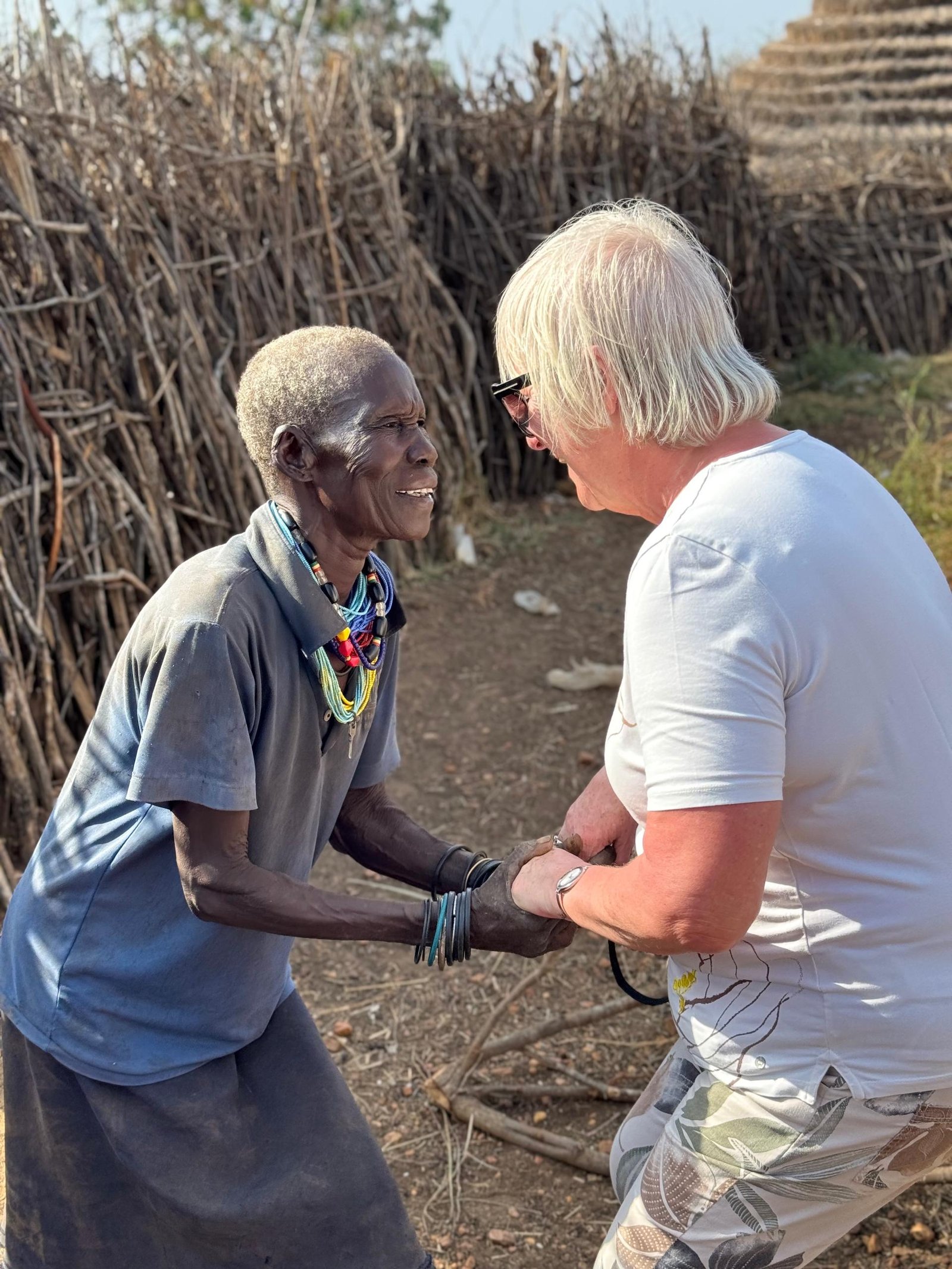
Karamojong people
Visiting a Traditional Karamojong Manyatta
One of the most memorable cultural experiences in Kidepo Valley is visiting a traditional Karamojong manyatta. These homesteads are enclosed compounds traditionally constructed using materials such as wooden poles, mud, grass, and thorn branches. The design provides protection for families and livestock while supporting the community’s close social structure.
During a visit, travelers may see daily activities such as food preparation, livestock keeping, beadwork, and other household tasks. Local guides can also explain the meaning of different structures and traditions within the manyatta. Visitors should always ask before taking photographs and should follow the guidance of their local host.
Morning visits can be particularly interesting because they allow travelers to observe the beginning of the day’s activities. Depending on the community, visitors may see herders preparing livestock for grazing while other members of the household begin their daily work.
Traditional Dance, Beadwork and Storytelling
Traditional dance is another important part of cultural tourism around Kidepo. Music, singing, and dancing are used during celebrations and other community gatherings. Energetic movements, rhythmic songs, and colorful clothing create an experience that gives visitors a glimpse into local traditions.
Beadwork is also an important cultural craft in the region. Beaded necklaces, bracelets, and other decorations can have social and cultural meanings. Local artisans may explain how different designs are produced and, where available, travelers can purchase handmade crafts directly from community members.
Storytelling provides another way to understand Karamojong history and traditions. Elders have traditionally passed knowledge, values, stories, and lessons from one generation to another. Listening to local stories with the help of a guide can make a cultural visit more meaningful because travelers learn about the people rather than simply observing them.
Understanding the Role of Cattle in Karamojong Culture
Cattle have a central place in traditional Karamojong society. Livestock can represent family wealth and social standing and have historically played an important role in marriage arrangements and other social relationships.
Learning about cattle culture helps visitors understand why livestock are such an important part of the landscape around Kidepo. Herders may travel considerable distances in search of water and pasture, particularly during dry periods. This pastoral tradition is closely connected to the environment and has shaped life across Karamoja for generations.
A cultural guide can explain these traditions in greater detail while helping visitors understand how modern challenges and changing economic conditions are influencing pastoral communities today.
Hiking to Meet the Ik People on Mount Morungole
For travelers looking for a more demanding cultural adventure, a visit to the Ik communities on Mount Morungole offers a very different experience. The Ik are one of Uganda’s smaller ethnic communities and live in the mountains northeast of Kidepo Valley National Park.
The Ik have a history closely connected to the Kidepo region. Today, many Ik communities practice small-scale farming on the slopes of Mount Morungole. Reaching some settlements requires a challenging hike through mountainous terrain, making this activity suitable for travelers who are comfortable with a long and physically demanding walk.
The hike provides an opportunity to learn about Ik traditions, farming practices, social organization, and adaptation to their mountainous environment. Because routes and conditions can vary, travelers should arrange the visit with local guides and allow enough time for the journey.
Best Time for Cultural Experiences in Kidepo Valley
The dry seasons are generally convenient for combining cultural activities with wildlife viewing in Kidepo Valley National Park. June to September and December to February are commonly considered favorable periods because roads and trails are usually easier to navigate, although conditions can change from year to year.
Cultural visits can be combined with game drives, nature walks, and other activities around Kidepo. For example, travelers can visit a Karamojong community in the morning and spend the afternoon exploring the park’s savannah in search of wildlife.
Travelers should remember that cultural tourism involves real communities and should therefore be approached respectfully. Dress modestly, ask permission before taking photographs, listen to local guides, and purchase crafts directly from artisans when possible. These simple actions help make tourism more beneficial to host communities.
Where to Stay Near Kidepo Valley National Park
Choosing accommodation close to Kidepo Valley National Park makes it easier to combine wildlife and cultural activities. Lodges and camps around the park offer different levels of comfort, from simple tented accommodation to more luxurious safari stays.
Zamunda Travels can help travelers choose accommodation based on their budget, preferred activities, and safari itinerary. Staying for several nights also gives visitors enough time to explore the park without rushing between wildlife and cultural activities.
Plan Cultural Experiences in Kidepo Valley with Zamunda Travels
The cultural side of Kidepo Valley adds depth to an already remarkable wildlife destination. Meeting Karamojong communities, visiting a traditional manyatta, learning about beadwork and cattle culture, or hiking toward the Ik communities on Mount Morungole can help travelers understand northern Uganda beyond its wildlife.
Zamunda Travels can include cultural activities alongside game drives and other Kidepo experiences, creating a safari that combines wildlife, landscapes, and local culture. By approaching these visits with respect and using local guides, travelers can enjoy meaningful encounters while supporting community-based tourism around Kidepo Valley National Park.