Why Bwindi Is Called Impenetrable
October 2, 2026
The Batwa Pygmies in Bwindi
October 5, 2026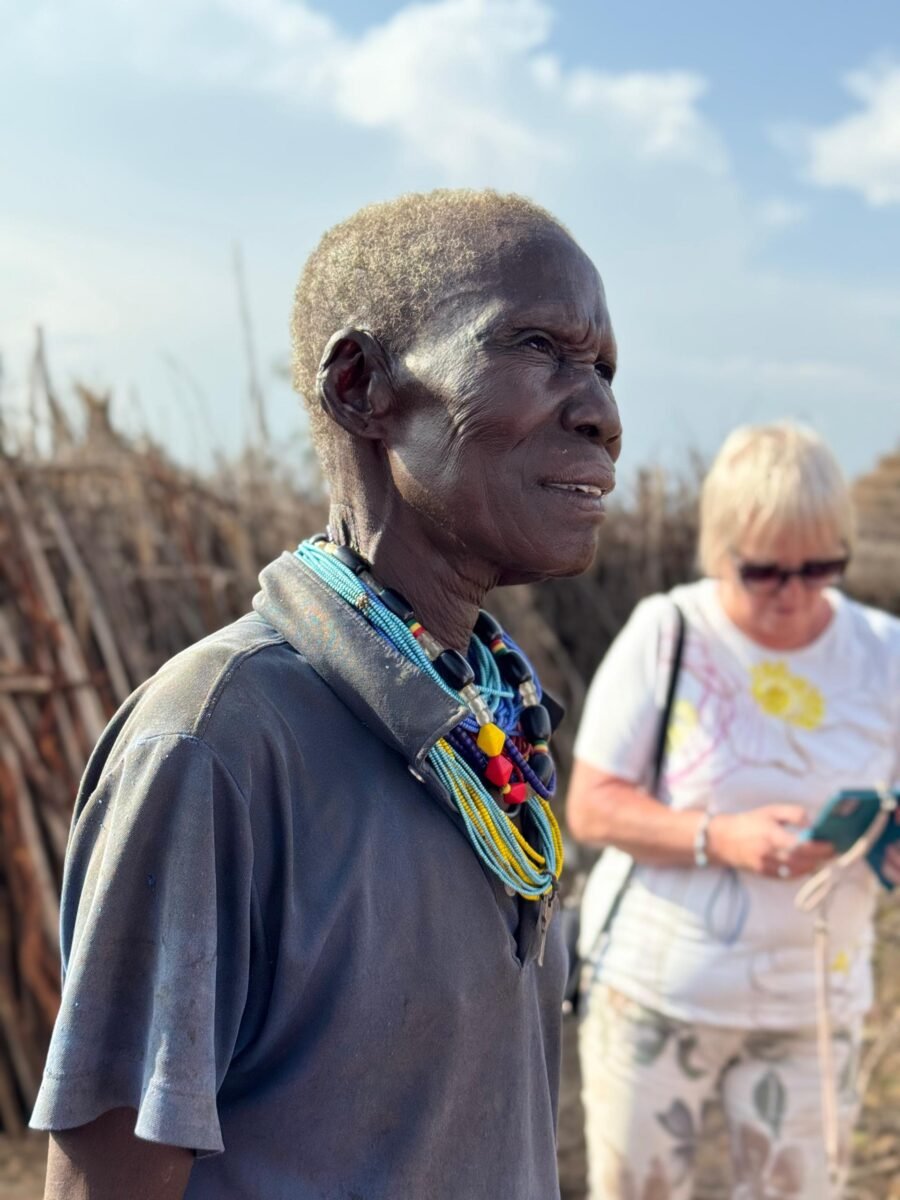
Karamojong culture is one of the most distinctive living heritages in Uganda. Zamunda Travels brings guests to the dry plains of Karamoja because few places in East Africa feel so firmly rooted in the past. The Karamojong are cattle people from the north-east of the country. They live by their herds, by the advice of elders and by stories told around evening fires. Moreover, their very name carries a migration tale that links them to their cousins, the Iteso of eastern Uganda. This guide explains that story first. Then it walks through the customs that shape Karamojong culture today, and it closes with tips from Zamunda Travels for visiting respectfully.
Where the Name Karamojong Comes From
The name Karamojong comes from the phrase “ekar ngimojong,” which means “the old men can walk no farther.” According to oral tradition, a large Ateker group was migrating from the north-east. Along the way, some elders grew tired and declared that they could go no farther. They stayed, while others pressed on. As a result, the people who rested became known as the Karamojong, or “the old men who sat down.” Language scholars give a similar reading of the self-name ŋiKarimojoŋ, which they translate as “the old men sat down.” Early accounts add that the Karamojong were once known as the Jie. Tellers of the story differ on exactly where the elders stopped. Some name the Bahr el Ghazal region of present-day South Sudan as a stage on the long journey, whereas most published histories place the final rest in Karamoja itself. Either way, the message stays the same. The name remembers a moment when weariness ended a march and a new homeland began. Zamunda Travels recommends hearing this story from a local elder, because a storyteller’s own words add detail that no book can offer.
The Migration Story and the Iteso Connection
The Karamojong belong to the wider Ateker family. This family also includes the Jie, Dodoth, Turkana, Toposa and Iteso. Their languages remain mutually intelligible, which shows how close the ties are. Traditions say the Ateker came from the north-east, near present-day Ethiopia, and many accounts place the main movements in the 1600s and 1700s. As the migration advanced, the group split many times. The Turkana settled in Kenya, the Toposa in southern Sudan and the Dodoth in northern Karamoja. Meanwhile, the Jie settled around Kotido. The main body of Karamojong continued south and later formed three clans: the Matheniko near Mount Moroto, the Pian in the south and the Bokora in the west. However, another group pushed even farther south and west. This group became the Iteso. Historians suggest that the Iteso moved from Karamoja into the land now called Teso over many generations, from about AD 1500 into the second half of the nineteenth century. Today the Iteso live in the districts of Soroti, Kumi, Ngora, Bukedea, Katakwi, Amuria and Serere, and they also live in parts of Tororo and Busia. In the popular telling, the elders who rested became the Karamojong, while those who kept walking became the Iteso. In reality, the separation was gradual, but the story captures the shared roots of both peoples.
Karamojong Culture and the Age-Set System
Age-sets sit at the heart of Karamojong culture. Society places men into generations, and each generation holds a defined place and set of duties. Elders, sometimes called “the mountains,” lead the community and settle disputes. Warriors, known as “the gazelles,” defend the herds and the homestead. Moreover, elders preside over rituals, bless the young and decide matters that affect everyone. Some elders, called Ekadwaran, are also regarded as prophets with spiritual vision. Initiation ceremonies mark a young man’s passage into adulthood. These ceremonies include cattle sacrifices, songs and oral teaching, and they pass cultural knowledge from one generation to the next. The system is flexible, too. Scholars note that it can absorb tension between generations over a cycle of roughly fifty years. In addition, decisions emerge from open discussion, often beneath a tree, so every senior voice is heard. Visitors who travel with Zamunda Travels should greet elders first, because the community values that respect highly.
Life in the Manyatta
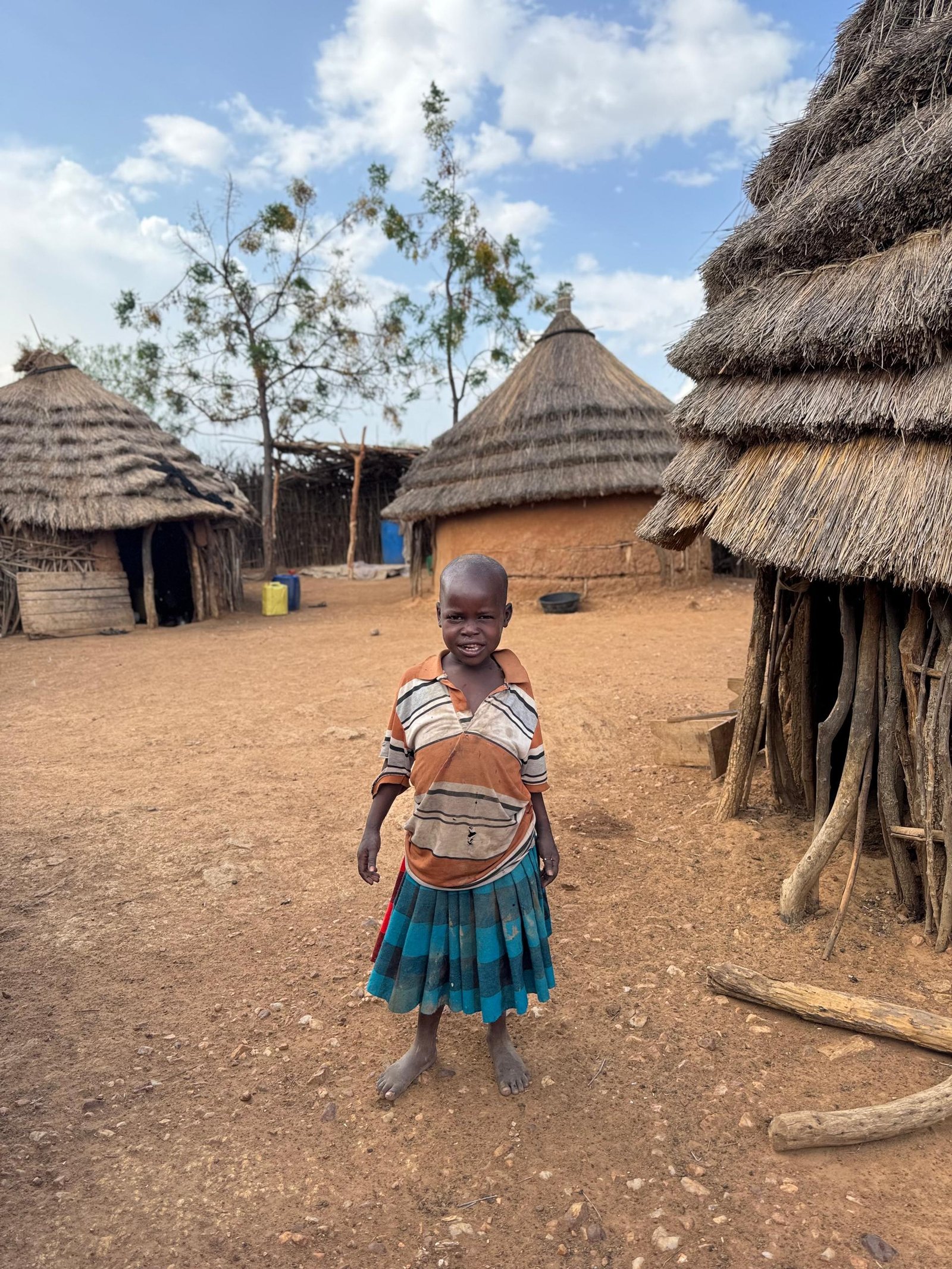
The manyatta is the traditional Karamojong homestead. A protective fence encloses a cluster of small huts, and the family’s animals share the compound. During the wet season, families stay in fairly permanent manyattas. In the dry season, however, the men move with the herds to temporary kraals in search of water and pasture. Meanwhile, women, children and elders stay at home. Women raise the children, prepare food, milk the cattle and tend small gardens, so they carry much of daily life. Crop farming remains a secondary activity, practised mainly where the soil allows it. Builders strengthen walls and floors with cattle dung, which shows how deeply the herds shape even the home. Boys start herding goats at about four or five years old, and this early duty teaches them responsibility. Milk and blood from the cattle form a major part of the traditional diet. Zamunda Travels can include a respectful manyatta visit near Kidepo Valley National Park, where hosts explain these routines in person.
Cattle in Karamojong Culture
Cattle define status, wealth and belonging in Karamojong culture. A man’s herd shows his standing, and a family’s herd secures its future. Cattle also pay the bride price, so they link families through marriage. Traditional belief holds that the Karamojong received cattle by divine right, and some accounts call Mount Moroto the sacred source of the herds. As a result, raiding once formed part of warrior life, and conflicts followed with neighbours in Uganda, Kenya and South Sudan. The Ugandan government later tried to disarm the region, although many communities hesitated at first because they feared cross-border raids. Recent cultural guides report that peace initiatives have reduced raiding significantly. Today, many families diversify. They keep herds while also farming, trading and welcoming visitors. Nevertheless, cattle remain the centre of life, and every ceremony and negotiation still revolves around them.
Marriage, Dress, Dance and Ceremony in Karamojong Culture
Marriage in Karamojong culture is a family agreement, not a private one. Negotiations can last for months or even years, and the groom’s family pays a bride price in cattle. In the past, a man could take more than one wife if he could afford the bride price. Dress also tells a story. Men wear a shuka, a cloth draped over one shoulder, and its style can signal age and status. Women wear beaded necklaces, bracelets and headpieces, and these ornaments express beauty, power and identity. Dance then brings the whole community together. Girls usually lead the dance wearing many beads on the head, neck, wrists and arms, while men follow with energetic movements. Elders, meanwhile, tell stories of past herds and journeys beside the fire, often sharing traditional beer from a communal pot. Communities and related groups also gather for an annual cultural festival with dance and cattle competitions. In Moroto, the Ateker Cultural Centre and the Karamoja Regional Museum help preserve this heritage. Therefore, a cultural tour with Zamunda Travels can pair live performances with museum context.
The Iteso Today: Cousins in Eastern Uganda
The Iteso keep the family link alive. The Teso sub-region in eastern Uganda is home to roughly 2.5 million Iteso and Kumam people, and the Iteso speak Ateso, a language closely related to Karamojong. Unlike the Karamojong, the Iteso settled in farming country, so agriculture, especially citrus, joined cattle keeping as a pillar of life. Soroti, Kumi, Ngora, Bukedea and their neighbours now form a busy heartland of farms, schools and markets. Furthermore, the Iteso are known for generosity and hospitality, and they celebrate heritage through folk songs and dance. They also honour a cultural leader, the Emorimor. Both peoples, therefore, trace their roots to the same migration, yet each built a different way of life. Travellers who study Karamojong culture gain a better understanding of Teso as well. For that reason, Zamunda Travels encourages guests to see both regions for a fuller picture of the Ateker story.
Visit Karamoja with Zamunda Travels
Karamoja rewards slow, respectful travel. Kidepo Valley National Park sits in the same region, so Zamunda Travels can combine game drives with a cultural visit in a single trip. For example, the Lorokul Cultural Group near the park hosts manyatta visits, conversations with elders and traditional dances. Further south, Moroto offers cultural tours and the Ateker Cultural Centre. Before you go, follow a few simple rules. Ask permission before you take photos. Dress modestly and greet elders first. Pay fairly for performances and crafts, and travel with a local guide who speaks Karamojong. In addition, plan around the dry season, when roads are usually easier, and carry water, sun protection and cash for small purchases. Zamunda Travels will handle transport and local introductions so you can focus on listening. Contact Zamunda Travels today to plan your journey into Karamojong culture and the wider tribal heritage of Uganda.