Zamunda Travels A Local Agency to Book Gorillas in Bwindi Impenetrable National Park
October 2, 2026
Karamojong Culture: History, Traditions and Travel Guide
October 3, 2026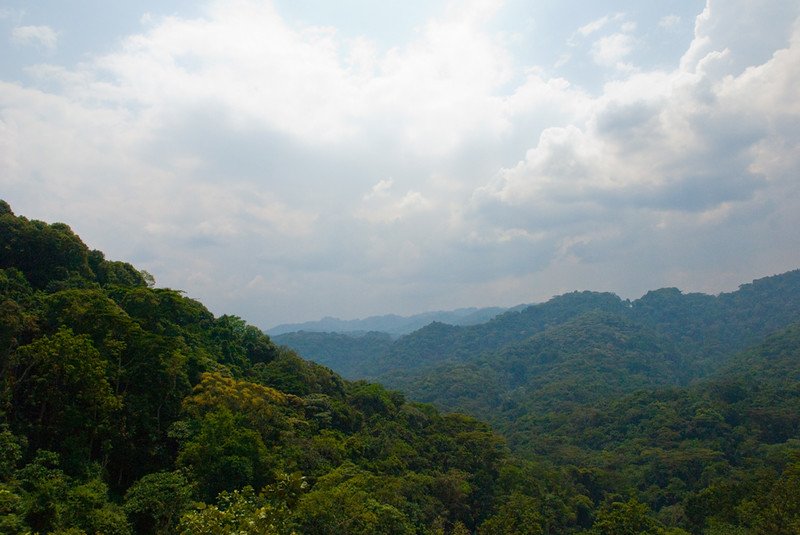
Why Bwindi is called impenetrable is a question that many travelers ask Zamunda Travels before they book a gorilla safari. The answer lies in the forest itself. Bwindi Impenetrable National Park sits in southwestern Uganda, on the edge of the Albertine Rift and close to the border with the Democratic Republic of Congo. It protects an ancient rainforest of tangled vines, steep ridges, and deep, misty valleys. Visitors who walk there understand the name within minutes. At Zamunda Travels, we guide guests through this forest every year, so we know its character well. In this guide, we explain the meaning of the word Bwindi, the features that make the forest so dense, and the history behind the name. We also show how the forest shapes your gorilla trek.
Why Bwindi Is Called Impenetrable: The Meaning of the Name
The name comes from the local language of the region. People in southwestern Uganda speak Runyakitara, and the word Bwindi connects to the word Mubwindi, which describes a place of darkness. Many sources translate Bwindi as “impenetrable” or “dark,” and both meanings fit the forest. The local word reflects how little sunlight reaches the ground beneath the canopy. Even at midday, the light under the trees turns dim and green. The English word “impenetrable” then describes how outsiders experienced the same forest. Therefore, the park carries the same idea twice, once in the local name and once in the English label. Some writers joke that the full title means “Impenetrable Impenetrable Forest.” Our guides at Zamunda Travels often share this fact on the first morning of a trek. Guests usually smile at the joke, but they take it more seriously once they enter the trees.
Dense Vegetation That Blocks Every Path
The first reason for the name is the vegetation. Tall hardwood trees rise high above a thick understory of ferns, shrubs, mosses, and climbing vines. Bamboo stands grow between the larger trees and add another barrier. The forest holds around 200 tree species and more than 100 species of ferns, so every layer competes for light. As a result, plants grow tightly together from the ground to the canopy. Fallen branches and wet leaf litter cover the soil and hide roots, holes, and slippery stones. A walker cannot see far ahead, and sound seems to disappear into the leaves. For this reason, rangers often carry machetes and cut a narrow path through the thickest sections. Zamunda Travels guests see this work on many treks, and they usually admire the skill of the ranger guides.
Why Bwindi Is Called Impenetrable to Trekkers
The terrain adds a second layer of difficulty. The park covers roughly 321 square kilometers, and its altitude ranges from about 1,160 to 2,607 meters above sea level. Steep ridges and narrow valleys fold across the whole area. Moreover, frequent rain keeps the slopes muddy for much of the year. Trekkers climb up one hillside, slide down the next, and cross small streams along the way. Even fit hikers slow down on these trails. For example, a short distance on a map can take hours to walk. Because of this, the forest feels impenetrable to people, even when the trail is only a few kilometers long. Zamunda Travels advises every guest to prepare for this challenge with good boots, gaiters, and a walking stick.
An Ancient Forest That Survived the Ice Age
Age also explains the thick growth. Bwindi ranks among the oldest rainforests in Africa, and researchers describe it as a forest that survived the last ice age. While other forests shrank or vanished during cold, dry periods, this one kept its trees. Over many thousands of years, plants layered themselves into a dense, complex community. Old forests build richer undergrowth than young ones, because each generation of plants adds more structure. This long history also produced remarkable biodiversity. The park shelters more than 350 species of birds, about 120 species of mammals, and a wide range of butterflies and reptiles. In addition, several Albertine Rift endemic birds live here and nowhere else in Uganda. UNESCO recognized this value in 1994 and named the park a World Heritage Site. Consequently, the forest that frightened early explorers now attracts scientists and travelers from around the world.
The History Behind the Impenetrable Name
The legal history of the forest also explains how the name survived. In 1932, authorities set aside two blocks of forest as Crown Forest Reserves, called Kayonza in the north and Kasatora in the south. In 1942, they merged the two reserves and renamed the area the Impenetrable Central Crown Forest. Later, the area became the Impenetrable Central Forest Reserve, and managers added extra protection for its mountain gorillas. Finally, in 1991, Uganda combined this reserve with nearby forests and created Bwindi Impenetrable National Park. The word “impenetrable” stayed in the title through each of these changes. Meanwhile, the Batwa people, who lived in the forest for generations, lost access to their ancestral home when the park opened. They knew the trails, plants, and animals better than anyone. Today, a Batwa cultural experience lets visitors hear their stories and learn about their forest knowledge. Zamunda Travels can add this experience to your itinerary, and many guests rate it as a highlight of the trip.
How the Impenetrable Forest Protects Mountain Gorillas
The same thick forest that slows visitors also shelters wildlife. Bwindi protects about half of the world’s mountain gorillas, and the 2018 census counted more than 450 individuals in the park. Dense vegetation gives these gorillas food, shade, and privacy. Steep slopes also limit large-scale human activity inside the forest. Therefore, the impenetrable character of Bwindi works as a natural shield. The park offers gorilla trekking in four sectors: Buhoma, Ruhija, Rushaga, and Nkuringo. In each sector, rangers lead small groups to habituated gorilla families. Visitors then spend one hour with the animals, which respect strict distance and hygiene rules. Besides gorillas, the forest also shelters chimpanzees, forest elephants, many monkey species, and colorful forest birds. Zamunda Travels helps guests choose the best sector for their fitness level, budget, and travel dates.
What the Impenetrable Name Means for Your Safari
The name also teaches a practical lesson. Trekking in Bwindi demands preparation, because trails can last from under an hour to several hours. First, pack sturdy waterproof boots, long sleeves, long trousers, and gardening gloves for grip. Next, bring a light rain jacket, since showers arrive quickly in a rainforest. In addition, hire a porter at the trailhead. Porters carry your bag, push you uphill, and earn income for local families. Most travelers also find the dry months easier, especially June to September and December to February. However, the forest stays wet in any season, so you should expect some mud. Zamunda Travels handles permits, lodges, transfers, and trekking support, so you can focus on the experience. Our team also briefs every guest on forest etiquette before the trek begins.
Final Thoughts on Why Bwindi Is Called Impenetrable
In short, the forest earns its name through darkness, dense vegetation, rugged terrain, and great age. The local word speaks of a place without much light, and the English word describes the struggle to move through it. Yet the same qualities keep the forest healthy and protect its mountain gorillas. When you walk beneath the canopy, you step into one of the oldest and richest ecosystems in Africa. Contact Zamunda Travels today to plan your gorilla trek in Bwindi Impenetrable National Park. Our local team will guide you from your first question to your final hour with the gorillas.