Northern Tanzania Safari
October 6, 2026
Tanzania Safari and Zanzibar
October 7, 2026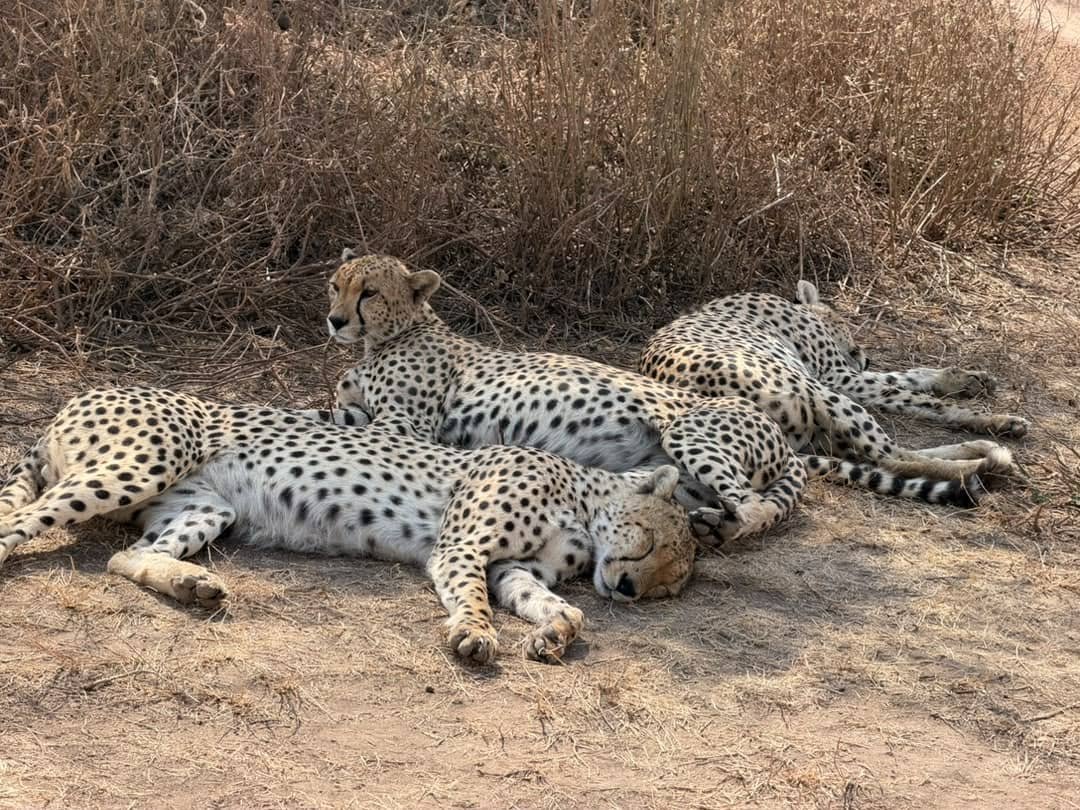
A Southern Tanzania safari offers a different side of Tanzania. Instead of focusing only on the famous northern circuit, travelers can explore vast wilderness areas with fewer vehicles, dramatic landscapes, rivers, woodland and rich wildlife. The southern safari region is especially known for Ruaha National Park and Nyerere National Park. Together, they create an exciting journey through some of Tanzania’s most remote and rewarding wildlife country.
Ruaha brings together baobab-studded plains, rocky landscapes, miombo woodland and the Great Ruaha River. Nyerere adds the Rufiji River, wetlands, floodplains and some of the best boat safari experiences in Tanzania. Both parks also support large populations of elephants, buffalo, lions and other African wildlife. Nyerere is also an important stronghold for African wild dogs. Ruaha, meanwhile, stands out for its large predator populations and unusual antelope species.
For travelers who want space, nature and a more intimate safari experience, Southern Tanzania deserves serious attention. Zamunda Travels can help travelers plan a private or customized safari that combines these two remarkable parks.
Why Choose a Southern Tanzania Safari?
A Southern Tanzania safari is ideal for travelers who want to experience wildlife away from the busiest safari routes. The southern parks cover enormous areas, so the landscape often feels open and uncrowded. This creates a more relaxed safari atmosphere. You can spend time watching an elephant herd, following a pride of lions or observing birds without seeing a long line of vehicles.
Another advantage is the variety of safari activities. Traditional game drives remain the main way to explore Ruaha and Nyerere. However, Nyerere also offers boat safaris along the Rufiji River. Guided walking safaris can also provide a closer look at tracks, plants, insects and smaller wildlife. As a result, Southern Tanzania can offer a more varied safari than a trip based only on vehicle game drives.
The region also suits travelers who value wilderness over busy tourist hubs. Ruaha lies in south-central Tanzania, while Nyerere occupies a huge area in the country’s southeast. Their scale creates a strong feeling of remoteness. For many visitors, that sense of space becomes one of the most memorable parts of the journey.
Ruaha National Park: The Heart of Southern Wilderness
Ruaha National Park is one of Tanzania’s great wilderness destinations. It covers about 20,226 square kilometres, making it Tanzania’s second-largest national park. Its landscape includes open savanna, miombo woodland, rocky outcrops and large baobabs. The Great Ruaha River also plays a major role in the park’s ecology.
During the dry months, water becomes increasingly important. Wildlife gathers around remaining water sources and river areas. Elephants may congregate near the Great Ruaha River and seasonal water points. Predators also take advantage of these concentrations. This can create excellent opportunities for wildlife viewing.
Ruaha is especially attractive to experienced safari travelers. The park supports lions, leopards, cheetahs, spotted hyenas, elephants and large buffalo herds. It also has several antelope species that are not always easy to find in other parts of Tanzania. These include greater kudu, lesser kudu, sable and roan antelope.
The park is also an excellent destination for birdwatching. TANAPA records more than 570 bird species in Ruaha. Raptors, bee-eaters, kingfishers and other species add color and movement to the landscape. Therefore, Ruaha is not only a destination for Big Five enthusiasts. It also works well for photographers and bird lovers.
Wildlife Highlights in Ruaha
Ruaha’s wildlife changes with the seasons and local water conditions. During the dry season, animals often become easier to locate near rivers and other water sources. Elephants are one of the park’s most impressive sights. Large herds can move through dry riverbeds and open plains.
Lions are another major attraction. The park supports large prides, while leopards and cheetahs add variety to predator sightings. African wild dogs can also occur across the wider Ruaha ecosystem. However, wildlife sightings are never guaranteed. Safari success depends on animal movements, weather, habitat and the skill of the guide.
The greater kudu is one of Ruaha’s signature animals. The park also provides habitat for sable and roan antelope. These species can make a Ruaha safari particularly rewarding for travelers who have already visited the more famous northern parks.
The Great Ruaha River and Baobab Landscapes
The Great Ruaha River is one of the defining features of the park. It supports wildlife and shapes the surrounding landscape. During dry periods, remaining pools and water sources become important gathering points.
The scenery is equally impressive. Large baobabs rise above the savanna and woodland. Rocky kopjes create elevated viewpoints across the landscape. In the early morning and late afternoon, changing light can transform the scenery.
For photographers, these landscapes offer more than wildlife portraits. You can capture elephants beneath baobabs, lions on open plains and dramatic sunsets over the river country.
Nyerere National Park: The Rufiji River Wilderness
Nyerere National Park provides a very different experience. The park covers about 30,893 square kilometres, making it one of Africa’s largest national parks. It was established in 2019 from part of the former Selous Game Reserve and was named after Julius Nyerere, Tanzania’s first president.
The Rufiji River forms the ecological heart of Nyerere. Its channels, oxbow lakes, floodplains and wetlands create habitats for a wide range of animals. Miombo woodland and riverine vegetation add further diversity.
Nyerere supports elephants, buffalo, lions, leopards, hippos and crocodiles. It is also one of East Africa’s important strongholds for African wild dogs. The park therefore offers excellent opportunities for travelers who want to search for both classic big game and less common African wildlife.
The park’s size also contributes to its wild character. You can travel through woodland, open plains and river landscapes during the same safari. Each habitat creates different viewing opportunities.
Southern Tanzania Safari Experiences in Nyerere
One of the biggest attractions of a Southern Tanzania safari is the chance to experience wildlife from different perspectives. Nyerere demonstrates this particularly well.
Rufiji River Boat Safaris
A boat safari on the Rufiji River adds a completely different dimension to game viewing. Instead of following animals from a vehicle, you move quietly along the water.
Hippos may gather in the river. Crocodiles can rest along sandbanks. Birds occupy the riverbanks and surrounding vegetation. Elephants may also come close to the water.
The boat experience works especially well in the late afternoon. The light becomes softer, and the river scenery can create excellent photography opportunities. It also gives travelers a chance to appreciate the wetlands as an ecosystem rather than simply as a backdrop for wildlife.
Walking Safaris in Nyerere
Walking allows travelers to experience the bush at ground level. An authorized guide can explain animal tracks, plants, insects and other signs that are easy to miss from a vehicle.
Walking safaris require careful planning and strict safety procedures. Guests should always follow the instructions of their professional guide or ranger. The experience is not about approaching dangerous animals. Instead, it focuses on understanding the environment and observing nature responsibly.
For travelers who enjoy nature and photography, walking can become one of the most memorable parts of the trip.
Game Drives and Wild Dog Tracking
Game drives remain an important part of the Nyerere experience. The park’s extensive plains and woodland provide habitat for many species.
African wild dogs are among the most exciting animals to search for. They are highly social predators and can travel across large areas. Finding a pack requires patience and good guiding. Lions, leopards, hyenas, elephants and buffalo also contribute to the park’s impressive wildlife experience.
Early morning and late afternoon drives are particularly useful. Temperatures are usually more comfortable, and many animals become active during these periods.
Southern Tanzania Safari: Ruaha or Nyerere?
Choosing between the two parks depends on the type of experience you want. Ruaha is an excellent choice for travelers who love large landscapes, baobabs, predators and unusual antelope. Its dry-season wildlife concentrations can create memorable game drives.
Nyerere is ideal for travelers who want a mixture of game drives, river scenery, boat safaris and walking experiences. The Rufiji River gives the park a distinctive character. It also provides strong opportunities to see hippos, crocodiles, elephants and waterbirds.
However, travelers do not always need to choose one. Combining both parks creates a more complete Southern Tanzania experience. Ruaha provides the dry-country wilderness, while Nyerere adds rivers, wetlands and boat-based wildlife viewing.
For this reason, a Southern Tanzania safari combining Ruaha and Nyerere can work particularly well for travelers with enough time for a longer itinerary.
Best Time for a Southern Tanzania Safari
The best time for a Southern Tanzania safari depends on what you want to see and experience. The dry season is generally attractive for wildlife viewing because vegetation becomes thinner and animals often concentrate around reliable water sources.
In Ruaha, the dry season runs broadly from June to October. This period can offer strong wildlife viewing around rivers and remaining water sources. The weather is also generally more comfortable for long game drives.
Nyerere also offers good dry-season conditions. Wildlife can become easier to locate around water and open areas. The park’s boat safari experiences can also add variety to the itinerary.
The wet season has its own advantages. Landscapes become greener, migratory birds arrive, and many areas become visually dramatic. Birdwatchers may especially enjoy this period.
Therefore, there is no single month that suits every traveler. Your ideal travel period should depend on your interests, budget and preferred safari style.
How Many Days Do You Need?
A short safari can focus on one park. However, travelers who want to combine Ruaha and Nyerere should allow more time.
A 5-day Southern Tanzania safari can provide a quick introduction to the region. It can combine game drives with a boat safari if flight schedules and park logistics work well.
A 7-day safari gives travelers more time for both parks. You can spend several nights in Ruaha before continuing to Nyerere. This allows time for multiple game drives and a Rufiji River experience.
For a slower journey, an 8- to 10-day itinerary can work even better. More nights allow you to reduce travel pressure and spend more time in each destination. You can also add guided walking, photography activities or additional game drives where available.
Zamunda Travels can tailor the number of days around your budget, travel dates and wildlife interests.
Getting Around Southern Tanzania
Southern Tanzania is more remote than the popular northern safari circuit. For this reason, domestic flights can save significant travel time. Travelers may connect from Dar es Salaam to airstrips serving Nyerere or Ruaha.
Road transfers can also form part of a Southern Tanzania itinerary. However, distances can be considerable. Your safari operator should therefore plan transfers carefully.
Zamunda Travels can help coordinate park transfers, domestic flights, accommodation and safari activities. A well-planned itinerary reduces unnecessary travel and gives you more time in the wilderness.
Where to Stay on Safari
Accommodation in Southern Tanzania ranges from comfortable lodges to tented camps and more exclusive wilderness properties. Your choice should match your budget and preferred style.
Lodges work well for travelers who prefer permanent rooms, restaurants and swimming pools. Tented camps offer a stronger connection with nature. Some camps also provide excellent locations close to wildlife areas or rivers.
When choosing accommodation, location matters as much as comfort. A well-positioned camp can reduce driving time and give you more hours for wildlife viewing.
Zamunda Travels can recommend accommodation according to your safari budget. Options can be arranged for budget, mid-range and luxury travelers.
What to Pack for a Southern Tanzania Safari
Packing for a safari does not need to be complicated. Choose lightweight clothing in neutral colors. A warm layer is useful for early morning drives because temperatures can feel cool before sunrise.
A wide-brimmed hat, sunscreen and sunglasses can protect you from strong sunlight. Comfortable closed shoes are useful for walking activities. Binoculars can also make a major difference when watching birds and distant wildlife.
A camera with extra batteries and memory cards is useful for photographers. A small daypack can carry water, personal items and other essentials during game drives.
If you plan to take a boat safari, bring a light jacket or warm layer. River conditions can feel cooler during evening trips.
Why Travel with Zamunda Travels?
Planning a safari in remote areas requires careful organization. Transport, park entry arrangements, accommodation and activities all need to work together.
Zamunda Travels can help create a personalized Tanzania safari based on your interests and travel budget. Whether you want a private wildlife adventure, a photography-focused journey or a comfortable couple’s safari, the itinerary can be adjusted to suit your needs.
The company can also help travelers combine Southern Tanzania with other destinations in Tanzania. This may include Zanzibar for a beach extension or additional wildlife parks where the route makes sense.
Most importantly, the safari should match your expectations. Some travelers want long game drives and serious wildlife photography. Others prefer relaxed days with a mixture of wildlife, scenery and cultural experiences. A flexible itinerary makes it easier to achieve the right balance.
Responsible Tourism in Southern Tanzania
Wildlife tourism depends on healthy ecosystems. Travelers can support conservation by following park rules, listening to guides and keeping a respectful distance from animals.
Avoid feeding wildlife or attempting to attract animals for photographs. Keep noise low during sightings. Never leave waste in the park. These simple actions help protect the environment.
Choosing responsible safari operators also matters. Tourism can support conservation, employment and communities when it is managed responsibly.
Ruaha and Nyerere protect large ecosystems that support wildlife and local communities. A safari therefore becomes more meaningful when travelers understand that conservation extends beyond a single game drive.
Plan Your Southern Tanzania Safari with Zamunda Travels
Southern Tanzania offers an unforgettable alternative to the better-known safari routes. Ruaha delivers vast wilderness, baobabs, predators and rare antelope. Nyerere adds the Rufiji River, wetlands, boat safaris and strong opportunities to see African wild dogs.
Together, these parks create a diverse safari experience. You can watch elephants beside a river in Ruaha, search for predators across open woodland and later drift along the Rufiji while hippos and crocodiles surround the boat.
If you want a safari that feels wild, spacious and less crowded, Southern Tanzania is worth exploring.
Zamunda Travels can help you plan a Southern Tanzania safari that fits your travel dates, interests and budget. From private game drives to boat safaris and carefully selected accommodation, your journey can be designed around the experiences that matter most to you.
Contact Zamunda Travels to start planning your adventure through Ruaha, Nyerere and the wild south of Tanzania.