How Much Does a Nyungwe Forest Safari Cost?
October 14, 2026
How to Get to Nyungwe Forest from Kigali
October 15, 2026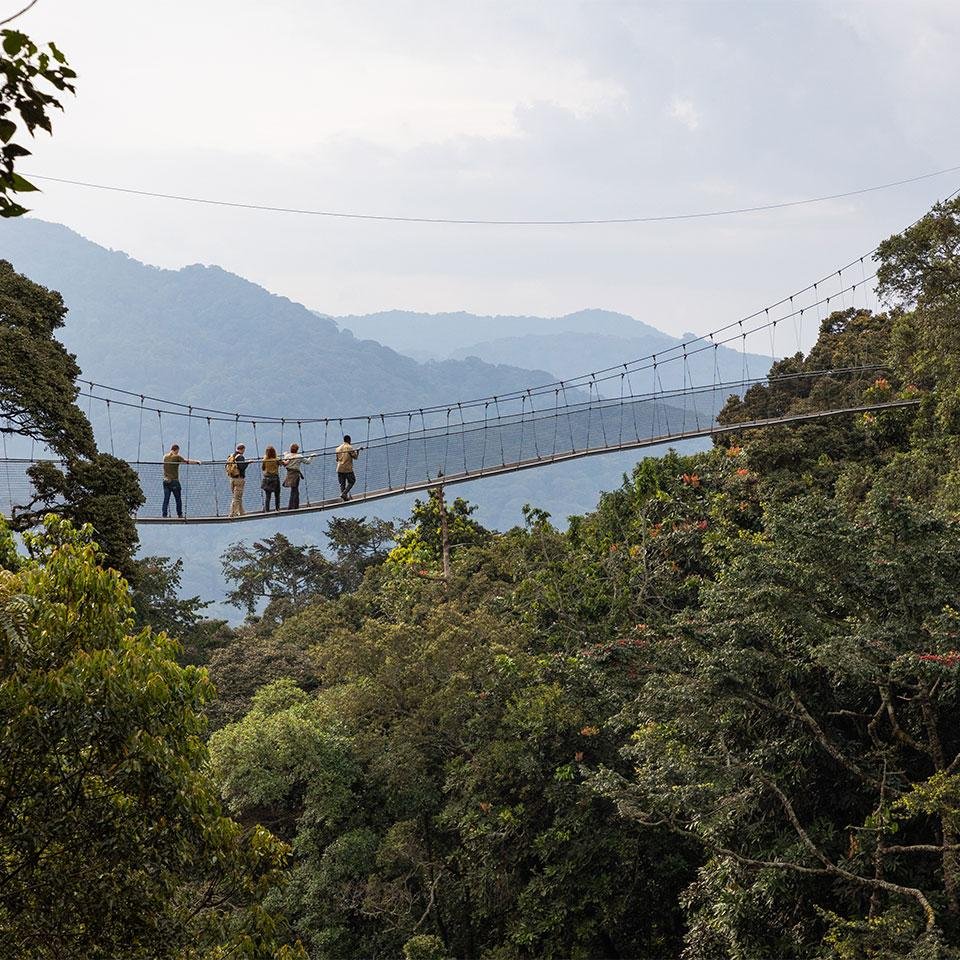
Nyungwe Forest hiking trails wind through one of Africa’s oldest rainforests. Mist hangs in the treetops, monkeys crash through the branches, and waterfalls tumble into steep valleys. However, the park offers more than a dozen routes, and the effort varies a lot. This guide explains each trail, rates its difficulty, and shares practical tips. By the end, you will know which route fits your fitness, your time, and your budget.
Why Hike in Nyungwe National Park?
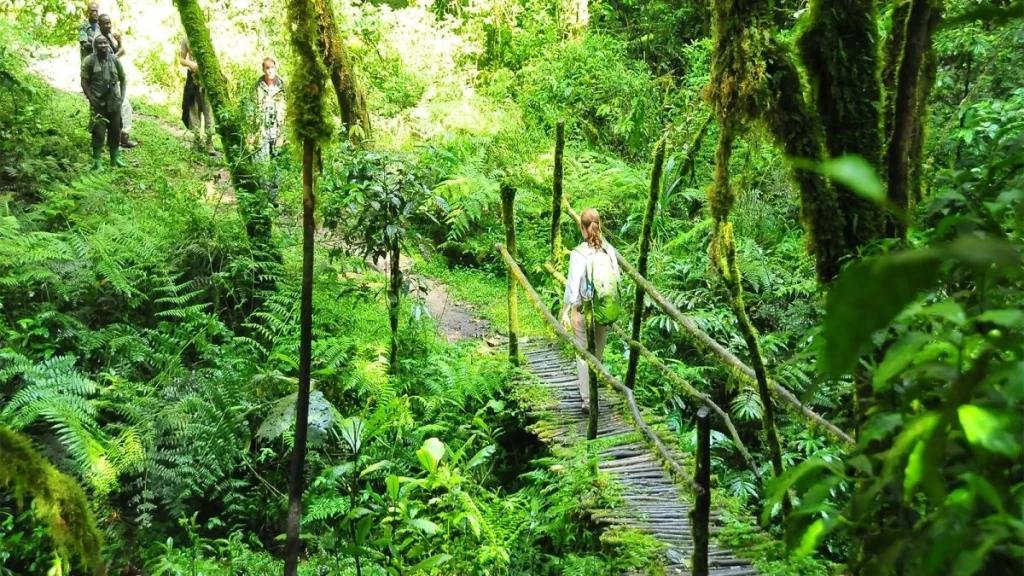
Follow scenic rainforest trails through ferns, towering trees, and beautiful natural surroundings.
Nyungwe lies in southwest Rwanda, near the borders with Burundi and the Democratic Republic of the Congo. UNESCO named it Rwanda’s first natural World Heritage site in 2023. The forest rises from about 1,600 to 2,950 metres above sea level.
Wildlife is the big draw. The park shelters 13 primate species, including chimpanzees and colobus monkeys. It also supports more than 300 bird species. In addition, tree ferns and orchids line many paths.
Hiking here feels different from gorilla trekking. You choose your own route and walk at your own pace. Also, one morning can bring waterfalls, birds and monkeys. As a result, Nyungwe suits hikers, birders and photographers alike.
Nyungwe Forest Hiking Trails at a Glance
Most Nyungwe National Park trails start from two hubs. Uwinka Visitor Centre sits in the middle of the park. Gisakura Visitor Centre stands at the western gate. Park staff rate trails as easy, moderate or difficult, and the table follows that system.
| Trail | Level | Distance | Time | Highlight |
|---|---|---|---|---|
| Igishigishigi | Easy | 2.1 km | 1.5–2 hours | Canopy walkway views |
| Buhoro | Easy | 1.8 km | 1.5 hours | Short forest walk |
| Karamba | Easy | 4 km | 3 hours | Birding, old gold-mine site |
| Umuyove | Moderate | 5.5 km | 3.5–4 hours | Tall forest, small waterfall |
| Irebero | Moderate | 3.6 km | 3 hours | Ridge views |
| Kamiranzovu swamp | Moderate | 4 km | 3 hours | Largest swamp, wetland birds |
| Ndambarare | Moderate | 9.6 km return | 3.5 hours | Newer waterfall route |
| Isumo | Moderate | 10.6 km return | 4 hours | Tea fields, big waterfall |
| Rukuzi | Difficult | 9 km | 5 hours | Deep forest |
| Imbaraga | Difficult | 10 km return | 6+ hours | Four waterfalls |
| Kamiranzovu waterfall | Difficult | 6.5 km, shortest route | Varies | Waterfall |
| Bigugu | Difficult | 13.2 km return | 6 hours | Highest peak |
| Cyinzobe | Difficult | 23 km | 3 days | Uwinka to Gisakura |
| Congo Nile Divide | Difficult | 50 km | 3–4 days | Long forest crossing |
Karamba and Isumo have no official rating here, so we graded them from distance and time. Distances and times also vary by source. Therefore, confirm details with your guide on the day.
Easy Trails for First-Time Hikers
Easy trails suit families, beginners and older travellers. Even so, the ground is steep, damp and uneven. Therefore, wear proper boots on every route.
Igishigishigi Trail and the Canopy Walkway
Igishigishigi is the shortest regular trail at 2.1 km. It starts at Uwinka and leads to the canopy walkway. This suspended bridge hangs high above the forest floor. Consequently, you look across the treetops instead of up at them.
Park staff rate the walkway itself as moderate because of its height and steps. Start early, since mornings bring clearer light and fewer people. Ask your guide to point out the tree ferns and sunbirds along the way.
Buhoro and Karamba
Buhoro is shorter still, at about 1.8 km. It takes roughly 90 minutes. Karamba runs about 4 km past a former gold-mining site. Birders love it, because tree ferns attract many species. Moreover, its gentle slopes suit hikers who prefer an easy pace.
Moderate Trails With Big Rewards
Nyungwe hiking difficulty needs some explaining. “Moderate” here means steps, roots and mud. It does not mean a flat stroll. Still, these routes give the best balance of effort and scenery.
Umuyove Trail
Umuyove starts at Uwinka and covers 5.5 km. Most hikers need 3.5 to 4 hours. The path passes under tall forest trees and near a small waterfall. It is also called the Mahogany Trail. In addition, side paths branch off toward areas used for chimpanzee viewing.
Irebero Trail and Kamiranzovu Swamp
Irebero covers about 3.6 km in roughly three hours. It climbs ridges and rewards you with wide forest views. The Kamiranzovu swamp trail is about 4 km. Its name means “swallowing elephants,” after a local belief about the swamp.
The marsh is the largest in the park. As a result, it attracts many wetland birds. Bring binoculars, because the open swamp gives clear sightlines.
Ndambarare Waterfall Trail
Ndambarare leads to a newly discovered waterfall. The round trip covers 9.6 km and takes about 3.5 hours. The distance looks long, yet park staff rate it moderate. Therefore, fit beginners can try it with a steady pace and plenty of water.
Hard Hikes: Waterfalls and the Bigugu Trail
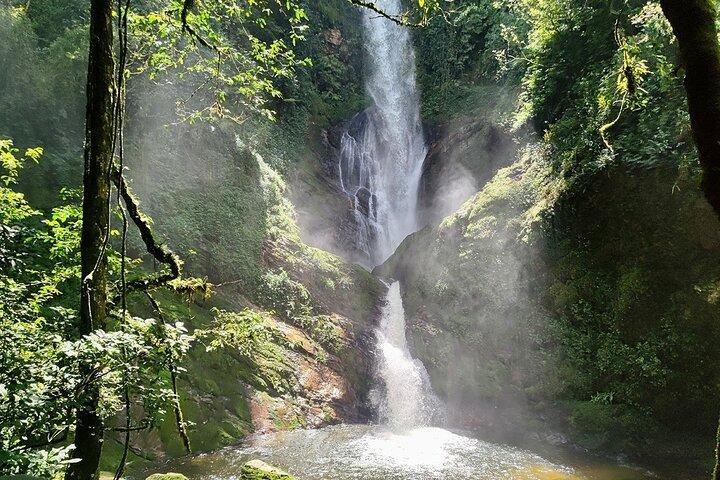
Discover beautiful waterfalls hidden within Nyungwe’s lush montane rainforest.
Difficult trails demand fitness, good boots and an early start. Nevertheless, they deliver the park’s best payoffs.
Imbaraga and Rukuzi
Imbaraga is about 10 km round trip. Expect six hours or more. The route passes four waterfalls, and most appear within the first few kilometres. Rukuzi starts at Uwinka and covers roughly 9 km in about five hours. Both trails reward steady walkers with deep, quiet forest.
Kamiranzovu Waterfall and Isumo Waterfall Hikes
The Kamiranzovu waterfall route measures about 6.5 km by the shortest path. Park staff rate it difficult. Isumo begins at Gisakura and takes about four hours. It crosses tea fields and steep ravines before reaching the park’s biggest waterfall. Because Isumo starts at the western gate, it fits easily into a Gisakura stay.
Mount Bigugu
The Bigugu trail climbs to the park’s highest peak. The hike covers 13.2 km return and takes around six hours. Start by 9 a.m. so you finish before dark. In addition, check the forecast, because clouds often hide the view.
Multi-Day Hikes: Cyinzobe and the Congo Nile Divide Trail
Serious hikers can camp inside the forest. The Cyinzobe trail runs about 23 km over three days. It links Uwinka and Gisakura and passes the Kamiranzovu swamp and waterfall. The Congo Nile Divide Trail covers 50 km. Most people need three to four days.
The park entry fee does not cover multi-day trails, so these hikes carry their own passes. Campsites sit at Uwinka and Gisakura. You bring sleeping bags and mats, while tents are available for rent.
How to Choose the Right Nyungwe Trail
Match the trail to your fitness, your time and your main interest. For waterfalls, pick Imbaraga, Isumo or Ndambarare. For birds, choose Karamba. For a first visit, start with Igishigishigi.
Three sample plans show how trails fit together:
- One day, easy: Walk Igishigishigi and the canopy walkway in the morning. Then try Karamba in the afternoon.
- Two days, moderate: Hike Umuyove on day one. Next, choose Irebero or the Kamiranzovu swamp on day two.
- Three days, strong hikers: Tackle Imbaraga first, a waterfall trail second, and Bigugu last. Rest your legs between the long days.
Add chimpanzee tracking if you want primates. It needs a separate permit, and the minimum age is 15.
Best Time to Hike Nyungwe
The dry months run from June to September and from December to February. Trails stay firmer and less slippery then. Views are also clearer.
However, rain can fall in any month in a rainforest. Pack a light jacket even in the dry season. Wet-season hikes remain possible, but expect mud and slower going. Mornings are usually the clearest part of the day, so plan your longest hike first.
Costs, Permits and Getting There
The entry fee covers all day nature walks, including waterfalls. Multi-day trails are the exception. Visitors staying outside the park count as day visitors and pay for each day they enter. Activity rates change often, so check visitnyungwe.org before you budget.
The park is cashless. You can pay by card, bank transfer, mobile money or DPO online. Children aged five and under enter free. Ages six to 12 pay child rates, while those 13 and older pay adult rates.
All hikes are guided. Freelance community guides wait at both Uwinka and Gisakura. Book ahead in busy months.
Getting There
Driving from Kigali takes five to six hours. It is 213 km to Uwinka and 234 km to Gisakura. Alternatively, fly from Kigali to Kamembe in about 40 minutes. Then drive one hour to Gisakura or 90 minutes to Uwinka.
You can sleep inside the park, which has two guesthouses and two campsites. Lodges outside the park suit other budgets. Staying close also saves early-morning driving time.
Practical Tips for Hiking Nyungwe
What to Pack
- Waterproof, broken-in boots with ankle support
- A light rain jacket and a warm layer
- Long trousers and socks, since some plants sting
- Two litres of water and trail snacks
- Insect repellent, sunscreen and a hat
- Binoculars and a camera in a dry bag
How to Prepare
First, train for four weeks. Climb stairs or hills to build leg strength. Next, break in your boots well before the trip. Blisters can ruin a long trail.
On the trail, walk slowly and drink often. The altitude slows most visitors. Tell your guide about knee or ankle problems, because many trails have steep steps. Finally, stay on the path and carry out all your litter.
Common Mistakes to Avoid
Many visitors pick a trail by distance alone. However, mud and steps matter more. A 4 km trail can take longer than a 6 km one after rain. Therefore, ask your guide about current conditions each morning.
Others skip the early start. As a result, they rush the last hour or miss the best bird activity. Some also pack too light, and wet feet can end a hike early. Finally, avoid stacking three hard days without rest.
Frequently Asked Questions
How many hiking trails are in Nyungwe Forest?
Nyungwe has more than a dozen marked day trails. It also has two multi-day routes, Cyinzobe and the Congo Nile Divide Trail. Distances range from under 2 km to 50 km.
Are the Nyungwe Forest hiking trails difficult?
It depends on the route. Igishigishigi and Buhoro are easy, while Umuyove and Irebero are moderate. Imbaraga, Bigugu and the multi-day routes are difficult. The altitude and mud make every trail feel harder than its distance suggests.
Do I need a guide to hike in Nyungwe?
Yes. All park activities are guided. Guides wait at the Uwinka and Gisakura visitor centres. They also share wildlife knowledge and keep you on the right path.
Can children hike in Nyungwe National Park?
Yes, on many trails. Children aged five and under enter free, and ages six to 12 pay child rates. Chimpanzee tracking is the exception, because it requires a minimum age of 15.
What is the best time to hike Nyungwe?
June to September and December to February are the drier months. Trails stay firmer then. Rain can still fall at any time, so carry a jacket.