Where Should You Sleep Before Gorilla Trekking: Kigali or Musanze?
October 28, 2026
How Many Rwanda Safari Nights Should You Spend in Each Destination?
October 28, 2026
Categories
Tags
Rwanda is famous for mountain gorillas, but the country offers much more than primate encounters. Its national parks, rainforest trails, peaceful lakes and cultural attractions create many rewarding travel opportunities.
A Rwanda safari without gorilla trekking lets you explore wildlife, track chimpanzees, enjoy boat cruises and discover local communities. You can also spend time in Kigali or relax beside Lake Kivu.
At Zamunda Travels, we help travellers explore Rwanda through carefully planned private safaris. Whether you prefer wildlife photography, forest walks or relaxed holidays, there are excellent alternatives to gorilla trekking.
Quick answer: You can enjoy a Rwanda safari without gorilla trekking by visiting Akagera National Park for Big Five wildlife, Nyungwe for chimpanzees and forest walks, and Lake Kivu for lakeside activities. Kigali adds history and culture. A well-planned seven-day trip combines these experiences without purchasing a gorilla permit.
This itinerary works best with an evening departure on Day 7. Otherwise, add another night in Kigali.
The long transfer between Akagera and Nyungwe deserves particular attention. Splitting the journey makes the safari more comfortable.
Travellers wanting Lake Kivu should consider an eight- or nine-day itinerary instead. A lake visit should only be added where current travel advice permits a suitable route.
For a confirmed example, Akagera’s published 2025 tariff listed international visitor entry at US$100 per adult for one day or night. The published two-night tariff was US$150 per adult. These are historical reference figures, not verified 2026 rates.
Why Choose a Rwanda Safari Without Gorilla Trekking?
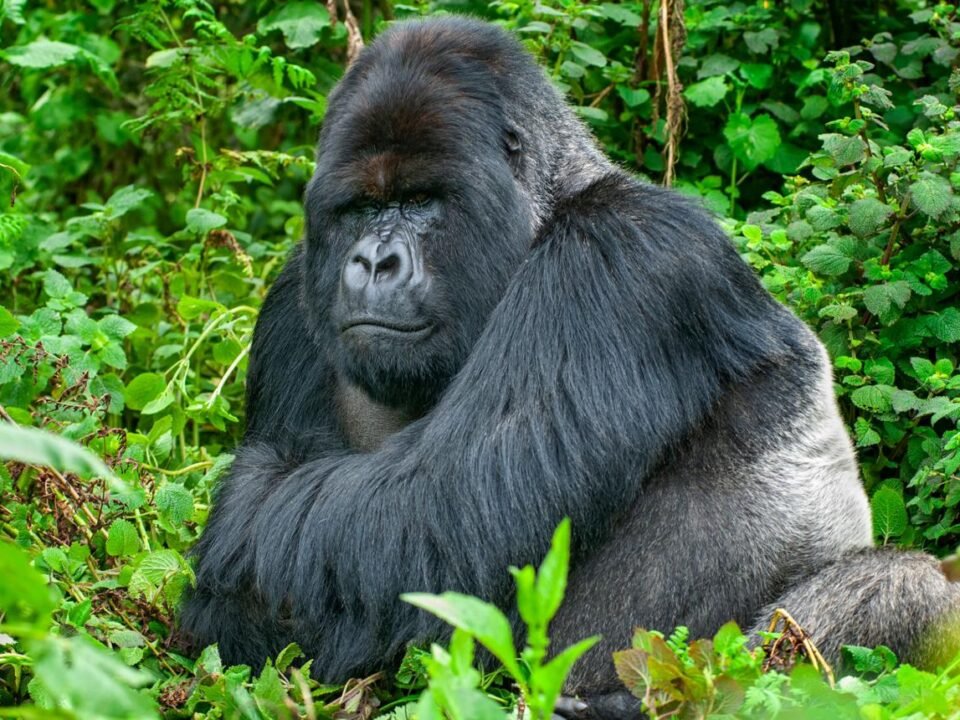
Gorilla trekking is an extraordinary wildlife activity. However, it does not suit every traveller’s interests, budget or physical preferences. Some visitors prefer traditional game drives. Others want birdwatching, nature walks, photography or a quieter holiday. Rwanda offers these experiences across several distinct landscapes. Therefore, you can plan a complete safari without visiting a gorilla family. There are several advantages to this approach.-
More flexibility: Combine wildlife viewing, forest activities and cultural experiences.
-
Different wildlife: Look for lions, elephants, rhinos, chimpanzees and golden monkeys.
-
Flexible budgets: Avoid the substantial cost of a gorilla trekking permit.
-
Varied activities: Enjoy game drives, boat cruises, hiking and lakeside relaxation.
-
Family options: Choose activities that suit different ages and interests.
Akagera National Park: Rwanda’s Big Five Safari Destination
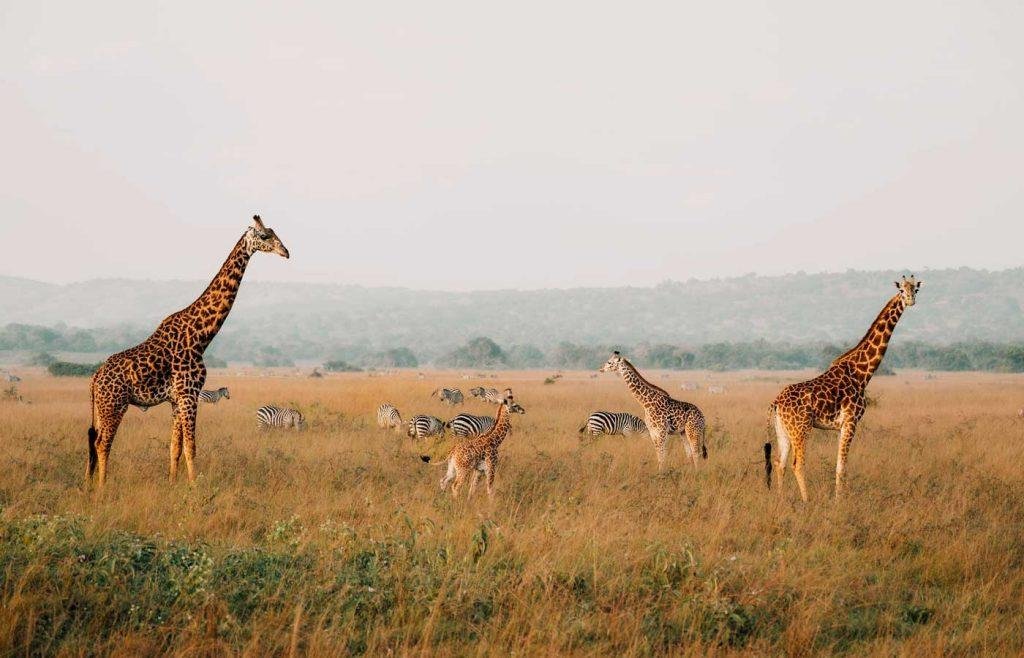
Best for wildlife photography, game drives and birdwatching Akagera National Park lies in eastern Rwanda, near the Tanzanian border. The drive from Kigali usually takes approximately two and a half to three hours to the southern entrance. Unlike Rwanda’s mountain forests, Akagera features savannah, woodland, wetlands and lakes. Consequently, it offers the country’s main traditional wildlife safari experience. The park supports Africa’s Big Five: lions, leopards, elephants, buffaloes and rhinoceroses. You may also encounter giraffes, zebras, antelopes, hippos and crocodiles. Conservation work has helped restore important wildlife populations. Lions returned in 2015, while eastern black rhinos returned in 2017. Southern white rhinos followed in 2021.Best activities in Akagera National Park
Morning and afternoon game drives provide opportunities to search for wildlife. However, sightings depend on animal movements, weather and patience. A boat safari on Lake Ihema adds another perspective. Visitors can watch hippos, crocodiles and waterbirds from the water. Birdwatchers should also explore the park’s wetland habitats. Akagera supports a rich variety of bird species, including kingfishers, herons and fish eagles. For a more complete experience, spend two nights in the park. This allows time for multiple drives and a boat excursion. Zamunda Travels tip: Schedule your first game drive early in the morning. Wildlife often becomes more active during cooler hours.Nyungwe Forest: Chimpanzees, Canopy Walks and Nature Trails
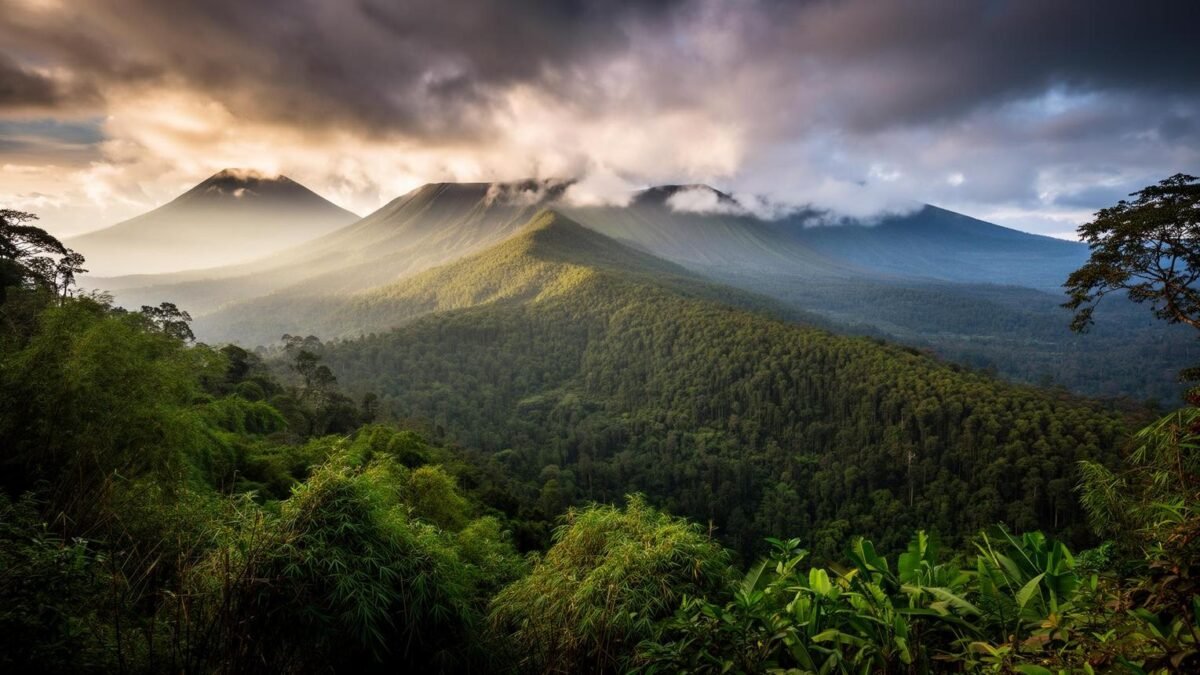
Best for primates, rainforest experiences and hiking Nyungwe National Park protects a large montane rainforest in southwestern Rwanda. It offers a completely different experience from Akagera’s open savannah. The forest supports chimpanzees, colobus monkeys and several other primate species. It also attracts travellers interested in birds, butterflies and forest ecology. From Kigali, allow approximately five to six hours for the journey, depending on your accommodation and road conditions.Chimpanzee trekking in Nyungwe
Chimpanzee trekking is one of the most popular Rwanda safari alternatives. Visitors join experienced trackers and guides to search for chimpanzees in their natural habitat. The activity usually begins early in the morning. However, chimpanzees move freely through the forest. Therefore, sightings are never guaranteed. The terrain can also be steep, muddy and physically demanding. Travellers should discuss fitness requirements before booking.Canopy walkway and forest hiking
Nyungwe’s canopy walkway provides elevated views across the rainforest. The suspended sections rise to approximately 70 metres above the forest floor. For visitors who prefer walking, the park also offers guided forest trails. Some routes focus on waterfalls, while others provide opportunities for birdwatching. Colobus monkey tracking is another excellent alternative to chimpanzee trekking. Our guides recommend at least two nights near Nyungwe. This gives you time for an early primate activity and a separate forest experience. Planning a forest safari? Zamunda Travels can help arrange suitable accommodation, park activities and private transport around your preferred travel dates.Lake Kivu: A Relaxing Escape After Your Wildlife Safari
Best for relaxation, photography and lakeside experiences Lake Kivu stretches along Rwanda’s western border with the Democratic Republic of the Congo. Its shoreline features hills, fishing communities and lakeside accommodation. After several days of wildlife activities, the lake offers a change of pace. Travellers can enjoy the scenery without following an early morning safari schedule. Karongi is a popular destination for lake views and boat excursions. Rubavu also has lakeside attractions, although current security advisories require particular attention.Things to do around Lake Kivu
Boat excursions allow visitors to explore sections of the shoreline and nearby islands. Guided kayaking is another option in suitable conditions. The official Visit Rwanda tourism website highlights kayaking and encounters with local fishing traditions.
Visit Rwanda
Travellers can also visit coffee-growing communities or enjoy relaxed meals overlooking the lake.
However, water activities should always use reputable operators and appropriate safety equipment. Swimming conditions require local advice rather than assumptions.
Important travel update: As of October 2026, Australian and New Zealand travel advisories warn against visiting Rubavu district. Other border areas also carry elevated risks.
Smartraveller+1
Therefore, Zamunda Travels recommends checking current advisories before confirming any Lake Kivu itinerary. Karongi and other western routes also require individual safety assessments.
Volcanoes National Park Without Gorilla Trekking
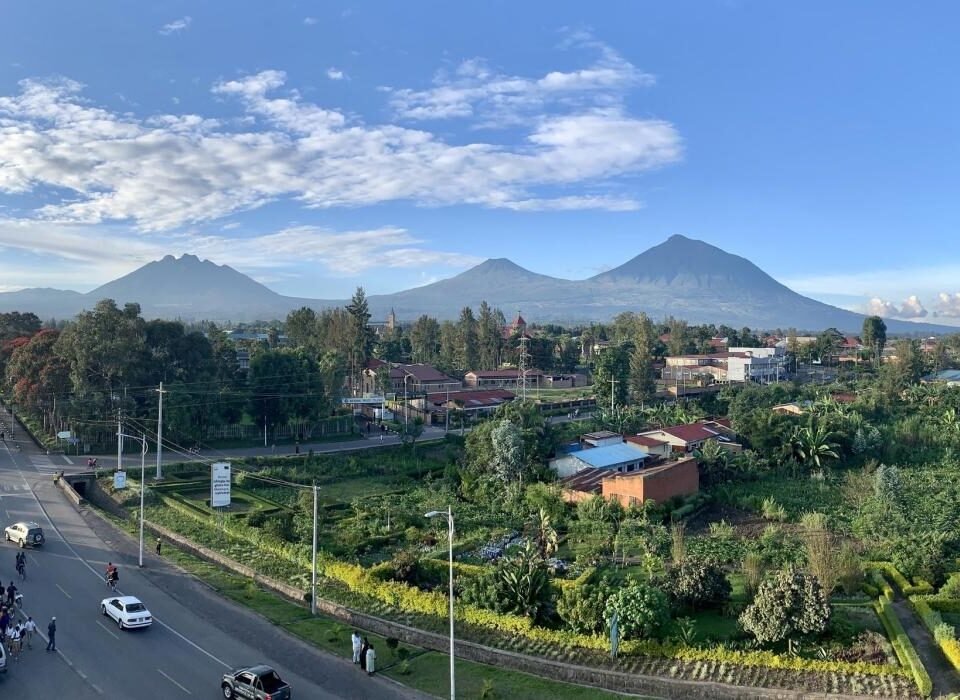
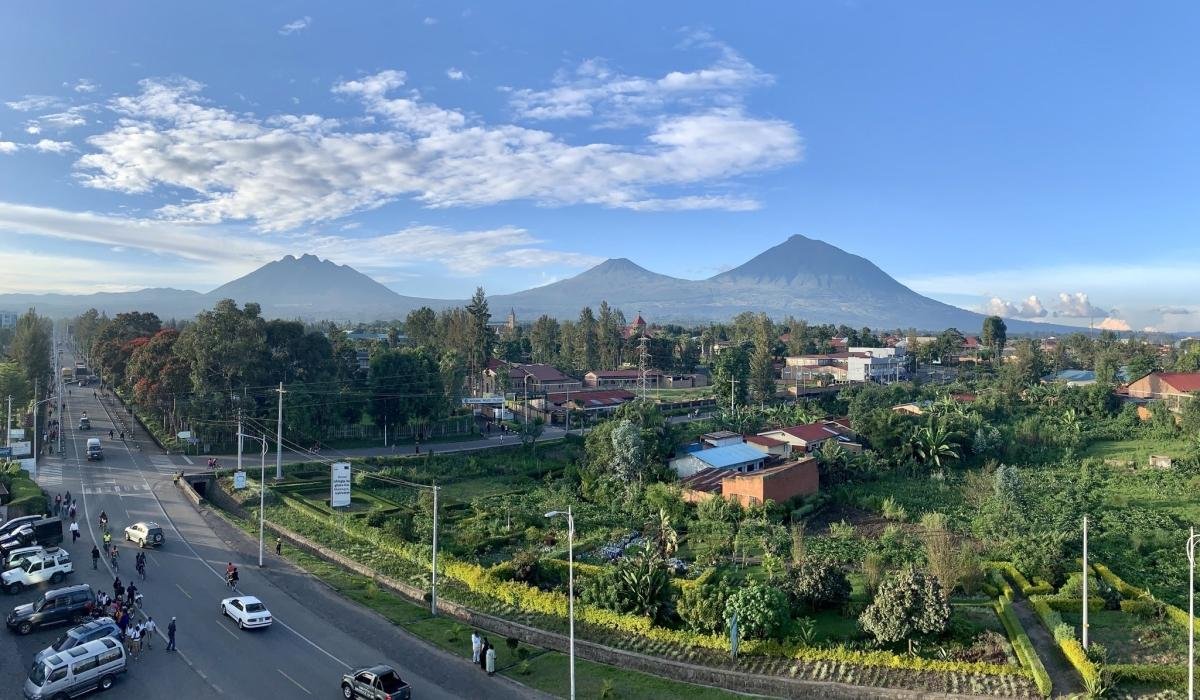
You can visit the Volcanoes region without booking a gorilla trek. The area around Musanze offers mountain scenery, cultural experiences and several outdoor activities. Golden monkey tracking is a popular alternative. These colourful primates live in bamboo forests on the lower volcanic slopes. Visitors can also explore approved hiking routes, including Mount Bisoke and the Dian Fossey research heritage trail. However, mountain hikes require suitable fitness, proper footwear and advance arrangements. For a cultural experience, consider a guided community visit near Musanze. This can introduce visitors to local traditions, crafts and everyday life. The region works particularly well for travellers interested in primates but not gorilla trekking.Kigali: Culture, History and City Experiences
Kigali deserves more than a brief airport transfer. Rwanda’s capital offers museums, markets, galleries, restaurants and cultural attractions. Therefore, it provides a useful introduction to the country. The Kigali Genocide Memorial is an important place to learn about the 1994 Genocide against the Tutsi. Visitors should allow enough time for a respectful visit. Kimironko Market offers a different experience. Here, travellers can explore local produce, fabrics and everyday trading. Art galleries and coffee experiences also provide opportunities to meet local creators and businesses. If your flight arrives late, we recommend spending your first night in Kigali. This avoids unnecessary driving after dark.Seven-Day Rwanda Wildlife Safari Itinerary Without Gorillas
This sample itinerary combines savannah wildlife, rainforest experiences and culture. It also allows time for rest between major activities.| Day | Destination | Main experience |
|---|---|---|
| 1 | Kigali | Airport arrival and overnight stay |
| 2 | Akagera | Transfer and afternoon game drive |
| 3 | Akagera | Morning safari and Lake Ihema boat trip |
| 4 | Kigali or Huye | Transfer west with a suitable overnight stop |
| 5 | Nyungwe | Chimpanzee tracking or guided forest walk |
| 6 | Nyungwe | Canopy walkway and optional nature activity |
| 7 | Kigali | Return transfer and departure |
A realistic day in Akagera
An early breakfast prepares you for a morning game drive. Your guide then explores suitable wildlife-viewing areas. After lunch, you can join a scheduled Lake Ihema boat excursion. Later, return to your lodge for dinner and relaxation. This schedule allows time for both land and water-based wildlife experiences.Rwanda Safari Without Gorilla Trekking: Costs and Budgeting
A Rwanda safari without gorillas can cost less than a gorilla-focused itinerary. However, the final price depends on your travel style. Accommodation, vehicle hire, park fees and guided activities account for much of the total.What affects the safari price?
| Expense | What to consider |
|---|---|
| Accommodation | Budget, mid-range or luxury lodges |
| Transport | Private safari vehicle, fuel and driver-guide |
| Park fees | Visitor category and length of stay |
| Activities | Game drives, boat trips, chimpanzee permits and hikes |
| Meals | Full board, half board or breakfast-only |
| Other costs | Visas, insurance, tips and personal expenses |
African Parks
Rates change, so confirm current prices with Zamunda Travels.
For a practical budget example, consider two travellers sharing a private safari vehicle. Shared transport and a double room can reduce the cost per person.
However, a solo traveller usually pays more per person for private transport.
Ask for a detailed quotation showing park fees, meals, accommodation and activities separately. This makes comparisons easier and helps prevent unexpected expenses.
Best Time for a Rwanda Safari Without Gorilla Trekking
Rwanda offers wildlife and nature experiences throughout the year. Nevertheless, seasonal rainfall affects roads, trails and outdoor activities. June to September generally brings drier conditions. Therefore, these months often suit game drives and forest hiking. December to February also offers relatively drier periods, although rainfall remains possible. March to May is usually wetter. October and November can also bring substantial rain. Nyungwe remains a rainforest throughout the year. Even during drier months, visitors should prepare for wet trails. For photography, softer morning and evening light often produces attractive wildlife images. However, clear sightings depend more on animal behaviour than the calendar. Our guides recommend packing waterproof clothing in every season.Safety, Health and Common Planning Mistakes
A successful safari depends on more than choosing the right destinations. First, check current travel advisories, especially for areas near the Democratic Republic of the Congo. Regional conditions can change quickly. As of October 2026, the United States advises reconsidering travel to Rwanda. Its advisory also warns against travel within 10 kilometres of the DRC border.
Travel.state.gov
Health requirements also deserve attention. Consult a travel-health professional about malaria prevention, recommended vaccinations and entry requirements.
During forest activities, follow ranger instructions and avoid approaching wildlife. Additionally, wear sturdy shoes and carry drinking water.
Common planning mistakes include:
-
Trying to visit Akagera and Nyungwe in too few days.
-
Assuming Big Five sightings are guaranteed.
-
Booking chimpanzee activities without checking fitness requirements.
-
Forgetting to budget for park activities and transport.
-
Choosing lakeside routes without reviewing security advice.
Plan Your Rwanda Safari With Zamunda Travels
A Rwanda safari without gorilla trekking offers an excellent combination of wildlife, forests, culture and relaxation. Akagera provides traditional game drives, while Nyungwe introduces travellers to rainforest wildlife. Kigali adds history, food and local experiences. Lake Kivu can also complement the journey when conditions allow safe travel. At Zamunda Travels Uganda Ltd, we arrange private safaris across Rwanda and East Africa. Our team can tailor the itinerary to your interests, travel dates and preferred accommodation. Whether you want a short Akagera wildlife trip or a longer Rwanda adventure, we can help you plan it. Contact Zamunda Travels to request your personalised Rwanda safari quotation. Website: www.zamundatravels.com Email: info@zamundatravels.com WhatsApp: +256 704 705 606Frequently Asked Questions
Is Rwanda worth visiting without gorilla trekking?
Yes. Rwanda offers wildlife safaris, rainforest activities, lakes and cultural attractions without gorilla trekking. Akagera National Park is ideal for game drives, while Nyungwe offers chimpanzee tracking and forest walks. Kigali provides historical and cultural experiences. Together, these destinations can create a rewarding multi-day holiday.Can you see the Big Five in Rwanda?
Yes. Akagera National Park supports lions, leopards, elephants, buffaloes and rhinoceroses. However, seeing all five during one safari is not guaranteed. Some animals, especially leopards and rhinos, can be difficult to locate. Spending at least two nights improves your opportunities for varied wildlife encounters.What can you do in Rwanda besides gorilla trekking?
You can enjoy game drives in Akagera, chimpanzee tracking in Nyungwe, golden monkey tracking near Musanze and cultural visits in Kigali. Lake Kivu also offers boat trips and lakeside activities where travel conditions permit. Your ideal combination depends on available time, budget, fitness and interests.How many days do you need for a Rwanda safari without gorillas?
Five to seven days can cover several major experiences. A shorter trip may focus on Kigali and Akagera. With seven days, you can add Nyungwe’s rainforest activities. However, eight to ten days allows more comfortable transfers, additional wildlife viewing and possible lakeside relaxation where travel advisories permit.Is a Rwanda safari cheaper without gorilla trekking?
Generally, yes. Removing the gorilla permit can reduce the overall safari cost significantly. However, private transport, luxury accommodation and other activities still affect the total. Chimpanzee tracking and park entry also have separate charges. Request an itemised quotation to understand exactly what your safari includes.
Related posts
October 28, 2026