Adventure Tourism in Uganda
August 21, 2026
Best Time for akagera safari
August 21, 2026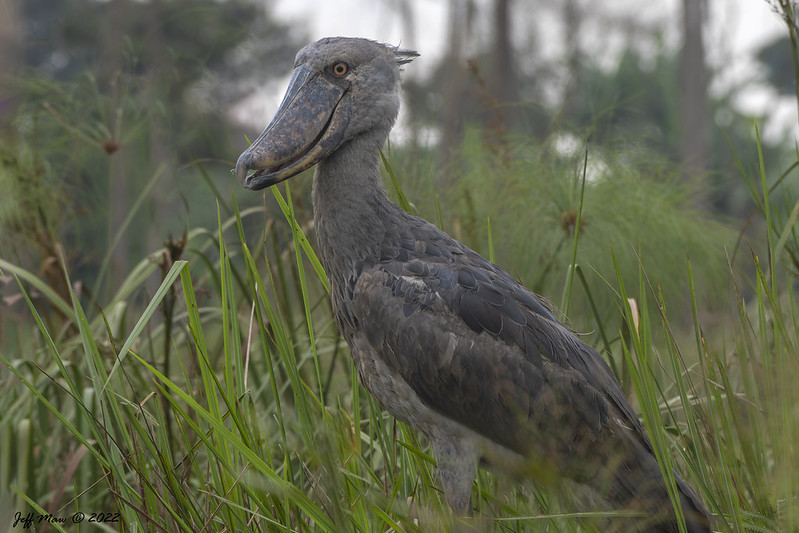
Few birds look as unusual as the shoebill. With its huge bill, tall body and almost prehistoric appearance, it is the kind of bird that can make even a casual traveler stop and stare. For bird lovers, seeing one in the wild is a special experience, and Mabamba Swamp near Lake Victoria is one of the best places in Uganda to look for this remarkable bird.
This Shoebill Mabamba Swamp Guide covers what you need to know before visiting. It explains what makes Mabamba special, what you can expect on a canoe trip, the best time to visit, how to get there and what other birds you may see along the way.
For travelers planning a wider Uganda safari, Zamunda Travels can also include a Mabamba shoebill experience alongside destinations such as Bwindi, Kibale Forest, Queen Elizabeth National Park and Murchison Falls National Park. This makes it possible to enjoy birdwatching without having to plan the entire trip around it.
What Makes Mabamba Swamp Uganda’s Top Birding Destination?
Mabamba Bay Wetland lies along the northern shores of Lake Victoria, west of Kampala and close to Entebbe. The wetland is made up of papyrus, open water and narrow channels, creating an ideal environment for many species of birds.
The shoebill is the main attraction, of course, but it is far from the only reason to visit. More than 300 bird species have been recorded in the wetland, so even a morning when the shoebill decides to stay hidden can still be rewarding.
What makes the experience particularly enjoyable is the way you explore the swamp. Instead of driving around looking for birds, visitors normally use a small canoe. The guide moves slowly through the papyrus channels while you keep your eyes open for movement in the vegetation.
Mabamba is also important to the local communities. Tourism and canoe trips provide an income for people living around the wetland, giving local residents a direct reason to protect the area and its wildlife. Zamunda Travels works with local community guides when arranging Mabamba excursions, helping visitors enjoy the wetland while supporting the people who know it best.
Meet the Shoebill Stork: Uganda’s Living Dinosaur
The shoebill, scientifically known as Balaeniceps rex, is one of the most distinctive birds you will ever see. Its enormous grey bill is its most obvious feature, but the bird’s height, posture and expression add to its unusual appearance.
It can stand nearly five feet tall and often remains completely still while hunting. From a distance, it can almost look like a statue standing in the papyrus.
The species was once grouped with storks, although modern scientific understanding places it closer to pelicans. Whatever classification you prefer, there is no denying that a shoebill has an appearance unlike almost any other bird.
Why the Shoebill Looks Like a Dinosaur
The shoebill’s large bill is responsible for much of its strange appearance. It is broad, powerful and hooked at the end, making it an effective tool for catching prey.
One of the most interesting things about the bird is how still it can remain. A shoebill may stand in one position for a surprisingly long time as it waits for the right moment to strike.
Then, without much warning, it can move incredibly quickly. That contrast between complete stillness and sudden action is one of the things that makes watching a shoebill so fascinating.
If you are carrying a camera, these moments are worth waiting for. Even a shoebill simply standing in the papyrus can make an impressive photograph.
What Does the Shoebill Eat in Mabamba Swamp?
Shoebills eat a variety of aquatic animals. Lungfish are an important part of their diet in Mabamba, but they can also feed on fish, frogs, water snakes and other small animals.
The bird usually waits patiently before making its move. When prey comes within reach, the shoebill can strike with surprising speed, using its large bill to grab and overpower it.
This hunting style is one reason guides encourage visitors to remain quiet and patient. If you rush around the canoe or make unnecessary noise, you may miss one of the most interesting moments of the encounter.
Uganda is home to an important population of shoebills, while the species remains threatened by wetland loss and human pressure. Responsible tourism therefore matters. Visitors should follow their guide’s instructions and keep a respectful distance from the birds.
The Shoebill Mabamba Swamp Guide to Getting There
Getting to Mabamba is relatively straightforward, especially when it is included in a wider Uganda itinerary.
Zamunda Travels can arrange transportation from Kampala, Entebbe or another starting point, depending on your travel plans. The most convenient route for you will usually depend on where you are staying.
Driving from Kampala to Mabamba
If you are starting from Kampala, the journey to Mabamba takes roughly two hours, depending on traffic and road conditions.
The drive takes you away from the busy city and into quieter parts of Uganda. Along the way, you pass small trading centres, farmland and rural communities before eventually reaching the wetland.
For visitors who are unfamiliar with the area, having a driver or guide can make the journey much easier. Zamunda Travels can arrange private transfers so you can concentrate on enjoying the trip instead of worrying about directions.
The Ferry Route from Entebbe
Travelers staying in Entebbe have another option. You can drive to the Nakiwogo landing site and take a ferry across toward the Mabamba area.
This can be a convenient choice if you are staying near Entebbe International Airport or have Mabamba planned as part of a short Uganda stopover.
For travelers with an early flight or onward safari, however, the timing should be planned carefully. Zamunda Travels can help arrange the transfer and canoe excursion around the rest of your itinerary.
Best Time for Your Shoebill Mabamba Swamp Guide Adventure
Mabamba can be visited throughout the year, but weather and water conditions can affect the experience.
The drier months, particularly December to February and June to August, are often attractive for visitors because canoe navigation can be easier. Photographers may also appreciate the clearer conditions during these periods.
During wetter months, water levels can rise and some channels may become more difficult to navigate. The birds can also move around the wetland, so sightings are never something that can be guaranteed.
One of the best pieces of advice is to start early. Morning visits give you cooler conditions and a better chance of seeing birds while they are active. The calm atmosphere at sunrise also makes the canoe ride particularly enjoyable.
A good guide can make a big difference because they know the channels and understand where shoebills are commonly seen.
What to Expect on a Canoe Tour with Zamunda Travels
A typical Zamunda Travels shoebill excursion starts in the morning. After arriving at the landing site, you board a canoe with a local guide who knows the wetland and its waterways.
The canoe moves slowly through the papyrus channels. This is not an activity where you should expect to see a bird every few minutes. Instead, part of the fun is searching carefully and learning to notice movement in the vegetation.
The quieter you are, the better. Shoebills can be sensitive to disturbance, so your guide will usually try to approach slowly and keep the canoe at a respectful distance.
A typical excursion can last around three to four hours, although the exact duration depends on the conditions and how quickly the guide finds the birds.
When a shoebill appears, everyone usually becomes very quiet. You may see it standing motionless, feeding or looking across the water. Sometimes it may fly away after only a few minutes. On other occasions, you may have a longer encounter.
Zamunda Travels also makes sure guests receive basic safety guidance before getting onto the water, including the use of life jackets.
Other Birds You Will Spot in Mabamba Wetland
The shoebill may be the reason you visit Mabamba, but it should not be the only bird you look for.
The wetland supports a wide range of species, particularly birds associated with papyrus and shallow water. Depending on the season and location, you may see papyrus gonoleks, African jacanas, kingfishers, herons and egrets.
Birdwatchers with binoculars and a little patience can spend hours looking at different species. This is one reason Mabamba works well for both serious birders and travelers who simply want to experience Uganda’s wetlands.
Even if the shoebill takes its time appearing, there is usually something else happening around the canoe. A kingfisher may suddenly fly across the water, or an African jacana may walk across floating vegetation.
That is what makes a Mabamba trip enjoyable. You are not simply going out to tick one bird off a list; you are exploring a living wetland.
Conservation and Community Impact at Mabamba
Mabamba is more than a tourism destination. It is an important wetland ecosystem and a source of income for people living around it.
Local communities are involved in canoe operations and tourism services, creating a direct connection between tourism and wetland conservation. When visitors choose responsible tours, their spending can help support the people who depend on the area.
For that reason, visitors should avoid littering, making unnecessary noise or getting too close to birds. A good wildlife encounter should not come at the expense of the animal.
Zamunda Travels works with community guides when organizing Mabamba trips. This gives visitors the benefit of local knowledge while helping tourism contribute to the communities around the wetland.
Packing Tips and Practical Advice
You do not need a huge amount of equipment for a Mabamba canoe trip, but a few things can make the morning more comfortable.
Bring a hat, sunscreen and insect repellent. The morning can start cool, but temperatures rise quickly once the sun is higher.
Binoculars are highly recommended, especially if you are interested in more than just the shoebill. A camera with a zoom lens is also useful because birds may not always come close to the canoe.
Wear comfortable shoes, particularly because the landing areas can be muddy. A light rain jacket is also worth carrying because weather around Lake Victoria can change.
If you are visiting during a busy period, it is sensible to arrange your canoe trip in advance. Zamunda Travels can include the excursion in your Uganda itinerary and coordinate the transportation, timing and other activities around it.
Why Book Your Shoebill Mabamba Swamp Guide Tour with Zamunda Travels?
Seeing a shoebill is a major attraction, but the quality of the experience can depend heavily on the planning and the guide.
With Zamunda Travels, the Mabamba experience can be arranged as part of a larger Uganda safari rather than as an isolated activity. The team can help organize transportation, the canoe excursion and other parts of your itinerary so that everything fits together.
The company also works with local guides who are familiar with the wetland. Their knowledge can be particularly useful when looking for a bird that may spend much of its time hidden among the papyrus.
Mabamba can also be combined with other major Uganda experiences. For example, a traveler could visit the wetland before heading west for chimpanzee tracking in Kibale, continue to Bwindi for gorilla trekking, or add a wildlife safari in Murchison Falls or Queen Elizabeth National Park.
This flexibility allows Zamunda Travels to build the trip around what matters most to you rather than treating every traveler to exactly the same itinerary.
Frequently Asked Questions
How much time does a shoebill excursion take?
A typical canoe excursion takes around three to four hours, although the actual duration can vary depending on weather, water conditions and how quickly the guide finds a shoebill.
Do I need previous birding experience?
No. You do not need to be an experienced birder to enjoy Mabamba. Your local guide can help identify the birds you see and explain more about the shoebill and its habitat.
Is Mabamba Swamp safe for families?
Yes, families can take part in canoe excursions. Visitors receive safety instructions before the trip, and life jackets should be used while on the water. Families traveling with young children should discuss their specific needs with Zamunda Travels when planning the excursion.
Can I combine Mabamba Swamp with a Uganda safari?
Yes. Mabamba is particularly convenient to combine with an itinerary beginning or ending around Kampala or Entebbe. Zamunda Travels can also include it alongside longer trips covering destinations such as Kibale, Bwindi, Queen Elizabeth National Park or Murchison Falls.
Is it guaranteed that I will see a shoebill?
No wildlife sighting can be guaranteed. Shoebills are wild birds and may move to different parts of the wetland. However, visiting with an experienced local guide and going early in the day can give you a better chance of finding one.
A visit to Mabamba is about more than simply checking the shoebill off your birding list. You get to explore a beautiful wetland, travel through papyrus channels by canoe and see a variety of birdlife along the way.
If seeing the shoebill is high on your Uganda travel list, Zamunda Travels can help you plan the experience and fit it naturally into your wider safari.
In conclusion, the Shoebill Mabamba Swamp Guide experience is one of the most rewarding short wildlife excursions you can add to a Uganda trip. The star of the show is undoubtedly the shoebill, but the quiet canoe ride, local guides, other bird species and surrounding wetland all add something to the experience. Whether you are a serious birder or simply curious to see Uganda’s “living dinosaur,” Mabamba is well worth putting on your itinerary.