The Batwa Pygmies in Bwindi
October 5, 2026
Best Tanzania Safari Destinations
October 6, 2026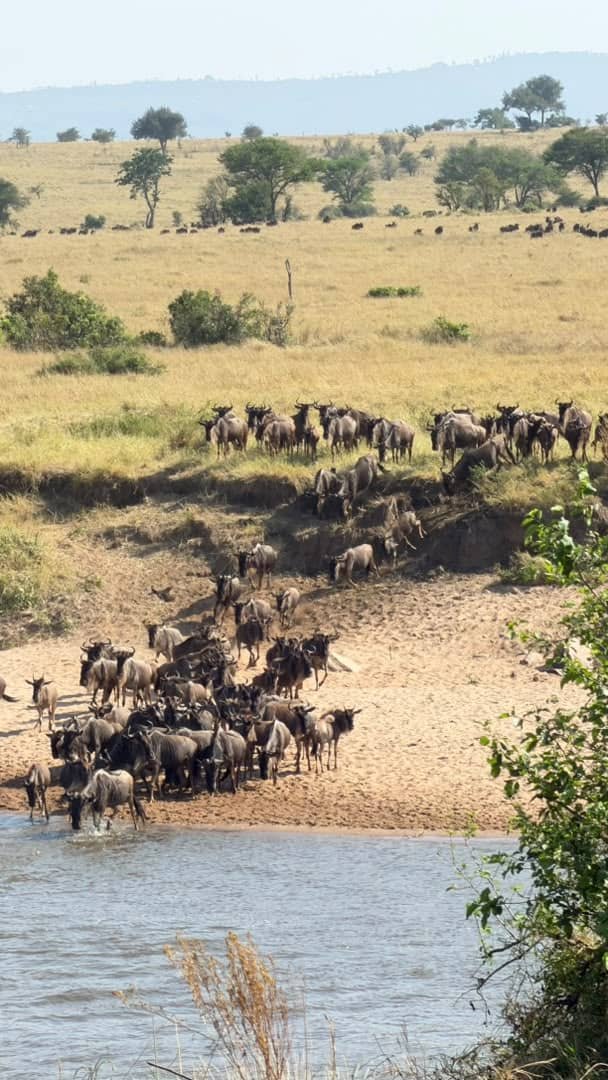
A Tanzania safari ranks among the greatest wildlife journeys on Earth. The country protects vast plains, ancient craters, baobab-studded valleys, and some of the largest predator populations in Africa. Every year, more than a million wildebeest follow the rains across the Serengeti, and travelers from every continent arrive to watch them. In 2027, the opportunity looks even better, because lodges keep improving, guides keep sharpening their skills, and conservation efforts keep protecting the habitat. Zamunda Travels wrote this guide to help you plan with confidence. You will learn which parks to visit, when to go, what to pay, and how to avoid common mistakes. By the end, you will know exactly how to shape a trip that matches your budget and your dreams.
Why a Tanzania Safari Deserves a Place on Your 2027 Bucket List
Tanzania offers something that few other countries can match: variety on a grand scale. Within a single trip, you can watch lions hunt on open plains, drive down into a volcanic caldera, and count elephants beneath giant baobab trees. The country also protects 22 national parks, so you never run out of options. Moreover, the northern circuit sits close to Kilimanjaro International Airport, which makes logistics simple for first-time visitors. Meanwhile, remote southern parks reward repeat travelers with quiet landscapes and few other vehicles.
Wildlife aside, Tanzania delivers deep cultural experiences. The Maasai, the Hadzabe, and many other communities welcome respectful visitors and share their traditions. As a result, a well-planned safari does more than show you animals. It also teaches you how people and wildlife share the land. Park fees and community levies support rangers, schools, and conservation projects, so your trip leaves a positive footprint. Zamunda Travels builds every itinerary around this idea, because responsible tourism protects the very places that travelers come to enjoy.
Why Zamunda Travels Designs the Best Tanzania Safari Experience
Choosing the right operator matters more than any other decision. A skilled guide reads animal behavior, anticipates movement, and puts your vehicle in the right place at the right moment. Zamunda Travels hires experienced driver-guides who know the northern circuit well and speak clearly about wildlife, ecology, and culture. Furthermore, the team handles every detail, from airport pickups to park permits, so you can focus on the experience.
Zamunda Travels also keeps its groups small. A private vehicle with a pop-up roof gives every guest a window seat, and nobody fights for a view. In addition, the team tailors each Tanzania safari to your interests. Photographers receive extra time at sightings, families receive child-friendly pacing, and honeymooners receive romantic lodges with private decks. Because the company is based in East Africa, it understands regional travel realities, including border logistics and seasonal road conditions. Therefore, you receive honest advice instead of a generic package.
The Best Parks for a Tanzania Safari
Tanzania groups its famous parks into the northern, southern, and western circuits. Most first-time visitors choose the northern circuit, because it concentrates iconic wildlife within a manageable distance. Each park offers a distinct personality, so understanding the differences helps you build the right route.
Serengeti National Park
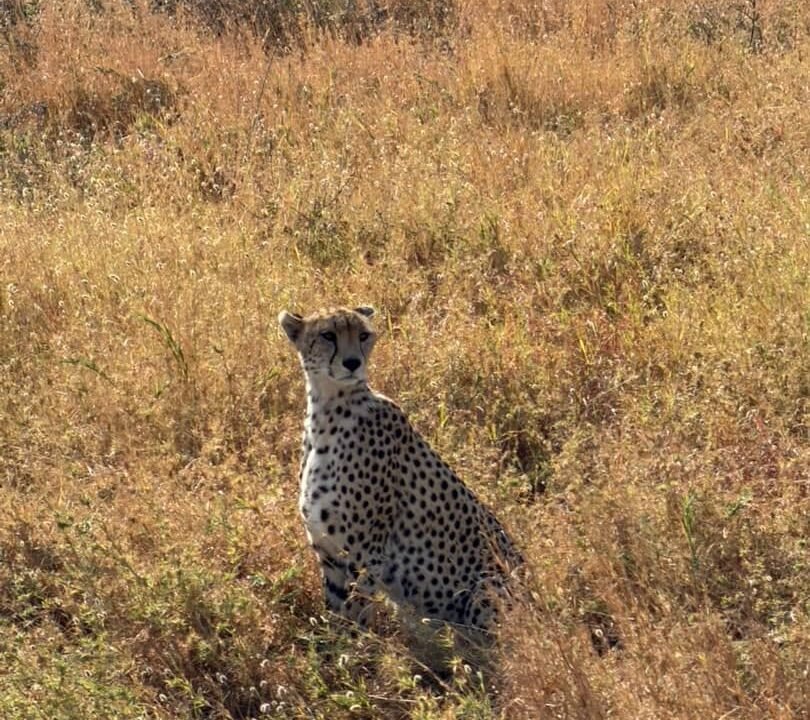
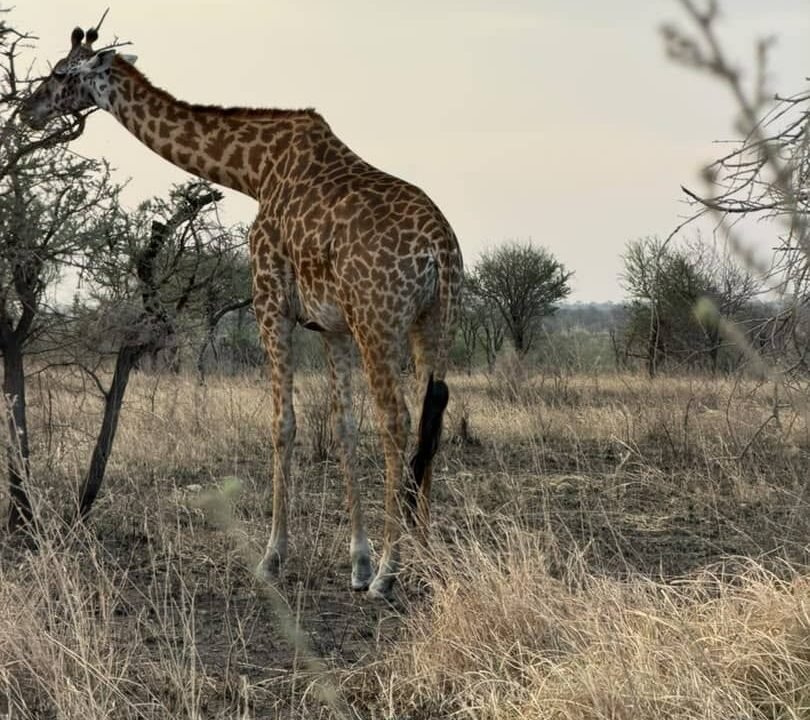
The Serengeti covers roughly 14,750 square kilometers, and its Maasai-derived name means “endless plains.” UNESCO inscribed the park as a World Heritage Site in 1981, and few places deserve the honor more. Here, lions, leopards, cheetahs, and hyenas hunt across open grassland, while elephants, giraffes, buffalo, and hippos fill the rivers and woodlands. Consequently, the Serengeti produces reliable sightings of all the Big Five. The central Seronera area offers year-round game viewing, because predators gather where prey stays close. The southern plains around Ndutu host the calving season, and the northern Kogatende region hosts the Mara River crossings. Zamunda Travels recommends at least three nights here, since the park rewards patience.
Ngorongoro Crater
The Ngorongoro Crater is the largest intact, unflooded volcanic caldera on the planet. It stretches about 260 square kilometers, and steep walls rise several hundred meters above the floor. This natural enclosure shelters roughly 25,000 large animals, including lions, hyenas, zebras, wildebeest, and one of the best chances in Africa to see black rhinos. Because the crater floor is compact, you can cover most habitats in a single morning. Early starts matter, as the light looks beautiful and the crowds stay thin. Visitors descend on a steep track, and driver-guides coordinate carefully so that vehicles do not clog the best sightings. A crater tour usually fits into a half day, and a picnic lunch beside a hippo pool makes the experience memorable.
Tarangire National Park
Tarangire often surprises people. The park holds enormous elephant herds, and ancient baobab trees give the landscape a dramatic, almost prehistoric look. During the dry season, from roughly June to October, animals crowd along the Tarangire River because other water sources vanish. Therefore, game viewing becomes exceptional, and you can watch elephants, zebras, wildebeest, and giraffes drink side by side. The park also supports tree-dwelling pythons, a wide range of birds, and occasional lion sightings. Because Tarangire sits close to Arusha, it pairs perfectly with a short two-day trip or the start of a longer northern circuit.
Lake Manyara National Park
Lake Manyara sits beneath the dramatic Rift Valley escarpment. A groundwater forest greets you at the gate, where blue monkeys and baboons swing between mahogany and fig trees. Beyond the forest, the alkaline lake attracts flamingos and pelicans, depending on water levels. The park also has a reputation for tree-climbing lions, although sightings vary. Hippos, buffalo, giraffes, and elephants add to the list. Since the park is smaller, one night or a long half day works well. Many Zamunda Travels guests include it as a gentle introduction before the larger parks.
Nyerere, Ruaha, Mahale, and Gombe
Travelers who want quiet landscapes should consider the southern and western circuits. Nyerere National Park, which replaced much of the old Selous Game Reserve, offers boat safaris along the Rufiji River and excellent wild dog sightings. Ruaha National Park delivers rugged scenery, large lion prides, and huge elephant herds. Meanwhile, Mahale Mountains and Gombe Stream, both on Lake Tanganyika, protect wild chimpanzees. These destinations require flights or long drives, so they suit longer trips with flexible budgets. Even so, they reward adventurous travelers with solitude that the northern circuit rarely provides.
The Best Time for a Tanzania Safari in 2027
No single month suits every traveler, because Tanzania delivers different highlights throughout the year. The long rains arrive from roughly March to May, while the short rains arrive in November and December. The dry season runs from about June to October, and wildlife concentrates around water during those months. Consequently, many visitors consider June through October the classic window for a Tanzania safari. Prices rise during this period, so early booking is wise.
Still, green season has real advantages. Rates drop, lodges feel peaceful, and landscapes look lush. Birdlife also peaks, because migratory species arrive. Therefore, flexible travelers can enjoy excellent value and uncrowded roads if they accept occasional showers.
The Great Migration Month by Month
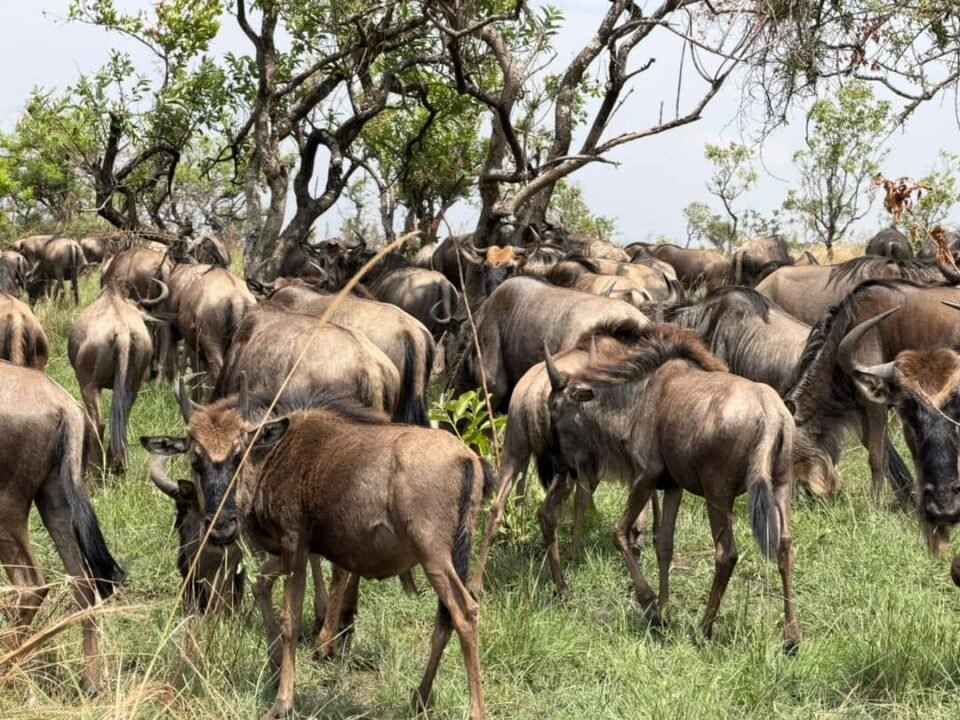
The Great Migration is a loop, not a single event. Roughly 1.5 million wildebeest, along with hundreds of thousands of zebras and gazelles, follow the rains through the Serengeti-Mara ecosystem. Understanding the cycle helps you choose the right month.
From January to March, the herds gather on the short-grass plains of the southern Serengeti and Ndutu. February marks the peak of calving season, when around 8,000 calves can arrive in a single day. Predators follow the newborns, so lion, cheetah, and hyena action stays intense. From April to June, the rains push the herds west and north. In June and sometimes July, the animals reach the Grumeti River in the Western Corridor, where large crocodiles wait for them. From July to October, the herds move through the northern Serengeti and test the Mara River. These crossings produce the famous scenes of chaos and courage. However, timing remains unpredictable, because herds may hesitate at the bank for hours before they commit. In November, the short rains draw the animals south again, and the cycle restarts.
Because nature refuses to follow a calendar, Zamunda Travels advises booking by season and region rather than by specific day. For river crossings, spend at least three nights in the north. For calving, base yourself near Ndutu between late January and March. In both cases, a skilled guide improves your odds dramatically.
How Much Does a Tanzania Safari Cost in 2027?
A Tanzania safari costs more than many other African trips, mainly because park fees are high. The Tanzania National Parks Authority and the Ngorongoro Conservation Area Authority set those fees, and they fund conservation and community programs. Prices in this section reflect published 2026 tariffs, and 2027 rates may shift, so Zamunda Travels confirms the latest figures before issuing any quote.
For 2026, adult entry to the Serengeti ran at roughly US$83 to US$84 per 24 hours, including VAT. Ngorongoro entry sat at around US$82, while Tarangire and Lake Manyara cost roughly US$50 to US$60. Guests who sleep inside the Serengeti also pay a concession fee of about US$71 per person per night. In addition, the Ngorongoro Crater descent carries a vehicle fee of about US$295. Children between five and fifteen pay lower rates, and toddlers under five usually enter free. Park authorities also use cashless payment, so operators handle transactions by card.
Overall daily costs vary by comfort level. Budget camping safaris typically start around US$250 per person per day, while mid-range lodge safaris commonly fall between US$400 and US$700. Luxury safaris run from about US$700 to US$1,500 or more, depending on the property and season. A seven-day northern circuit trip often incurs US$500 to US$600 in park fees alone, so cheap offers deserve suspicion. Extra costs include guide tips, which commonly range from US$10 to US$20 per person per day, and optional activities such as hot air balloon flights, which cost roughly US$500 to US$600 per person. Sharing a vehicle lowers the per-person price, so traveling with family or friends helps your budget. Zamunda Travels provides transparent quotes that list every inclusion and exclusion, so you never face surprise charges.
Tanzania Safari Accommodation: Lodges, Tented Camps, and Mobile Camps
Your accommodation shapes your experience, because a good camp turns a day of driving into a story. Tanzania offers three main styles. Permanent lodges provide solid walls, restaurants, and sometimes swimming pools. Tented camps keep the bush close while still offering comfortable beds and en-suite bathrooms. Mobile camps move with the migration, and they place you directly among the herds for part of the year.
Location matters as much as luxury. A lodge on the crater rim delivers sweeping views, while a camp in the central Serengeti shortens your morning drive to the best sightings. Likewise, a property inside the park saves hours of travel, although it costs more because of the concession fee. Budget travelers can choose simpler camps outside the gates, and they still enjoy memorable game drives. Zamunda Travels matches each guest to the right property, and the team checks seasonal location before it recommends a mobile camp. If you want a romantic escape, ask about private tents with open-air decks. If you travel with children, ask about family units and flexible meal times.
Practical Tips for Your Tanzania Safari
Good preparation prevents most travel headaches. First, check your passport, because it must remain valid for at least six months and contain blank pages. Next, apply for your visa online through the official Tanzanian immigration portal. Most visitors pay about US$50, although some nationalities pay more, so confirm the current fee. Travelers arriving from countries with yellow fever risk, including Uganda, must carry a valid yellow fever vaccination certificate. Therefore, guests who start from Kampala or Entebbe should bring their yellow card.
Health preparation matters as well. Doctors typically recommend malaria prevention, and they often suggest routine vaccines plus typhoid and hepatitis A. Visit a travel clinic at least six weeks before departure. Insurance deserves attention too, because a medical evacuation policy gives peace of mind in remote parks.
Packing should stay simple. Choose neutral colors such as khaki, olive, and brown, since bright clothing can distract animals. Pack layers, because mornings feel cold and afternoons feel hot. A wide-brimmed hat, sunglasses, sunscreen, and a light rain jacket all earn their space. Bring a camera with a long lens, and carry spare batteries and memory cards. Binoculars improve every game drive, so pack a pair for each traveler. Finally, bring small denominations of US dollars for tips, because guides and camp staff appreciate them.
Sample Tanzania Safari Itineraries
Itineraries work best when they match your time and priorities. A four-day plan covers Tarangire, the Serengeti, and Ngorongoro, and it suits travelers with limited time. Day one takes you from Arusha to Tarangire for elephants and baobabs. Day two crosses to the Serengeti for an afternoon game drive. Day three explores the Serengeti fully, and day four descends into the crater before returning to Arusha.
A seven-day itinerary adds breathing room and boosts your chances of key sightings. You might spend one night at Tarangire, one at Lake Manyara, three in the Serengeti, and one near Ngorongoro. This pace reduces fatigue and increases wildlife time. Meanwhile, a ten-day itinerary can add a second Serengeti region, such as the north for river crossings, or a flight to Ruaha or Nyerere. Many guests finish with a few relaxing days on Zanzibar, where white sand and warm water soften the memory of early wake-up calls. Zamunda Travels customizes each route, so tell the team your priorities and it will build the plan around them.
Combining Uganda and a Tanzania Safari
Because Zamunda Travels works across East Africa, it can help you link two remarkable destinations. Uganda offers mountain gorillas, chimpanzees, tree-climbing lions, and dramatic waterfalls, while Tanzania delivers open-plains wildlife and the migration. Together, they create a balanced journey that covers forests and savannas. Many travelers begin with gorilla trekking in Bwindi, then fly onward to northern Tanzania for the plains. Regional flights usually connect through Nairobi or Dar es Salaam, so plan buffer time between legs. Additionally, remember that your yellow fever certificate matters when you cross into Tanzania from Uganda. With careful scheduling, a combined trip of ten to fourteen days feels rewarding rather than rushed.
How to Book Your Tanzania Safari with Zamunda Travels
Booking early secures the best lodges, especially for the July to October migration period and the February calving season. Start by sharing your travel dates, group size, and budget range with Zamunda Travels. The team then proposes a draft itinerary with accommodation options, park fees, and transport details. After you review the plan, you can request changes until every detail feels right. A deposit confirms your space, and the final balance follows before departure. Throughout the process, the team answers questions quickly and explains each cost clearly.
Before you commit, ask any operator a few simple questions. Which park fees does the price include? How many guests share each vehicle? Does the vehicle have a pop-up roof and charging ports? What happens if weather disrupts the schedule? Zamunda Travels answers all of these openly, because trust begins with transparency.
Final Thoughts on the Best Tanzania Safari in 2027
The best Tanzania safari balances timing, budget, and personal interests. Choose the Serengeti for scale, Ngorongoro for density, Tarangire for elephants, and the southern circuit for solitude. Pick your month according to the experience you crave, whether that means calving, crocodile-guarded crossings, or quiet green-season landscapes. Prepare carefully, travel responsibly, and hire guides who love their work. When you do, you will return home with stories that last for decades. Contact Zamunda Travels today, and start planning the Tanzania safari that your 2027 calendar deserves.