Tanzania Safari
October 6, 2026
Best Time to Visit Tanzania for a Safari
October 6, 2026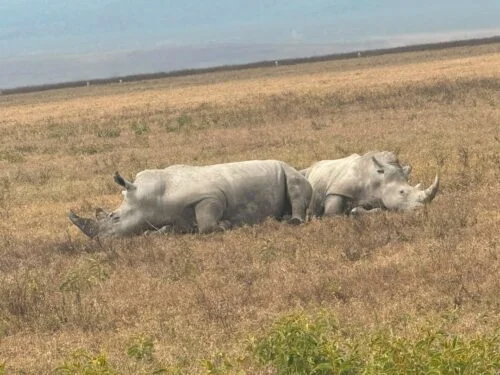
Tanzania offers some of the finest wildlife experiences in Africa. However, choosing the right parks can feel overwhelming. The country has 22 national parks, plus large conservation areas and game reserves.
Each destination offers a different landscape, wildlife experience, visitor level, and price. This guide to the best Tanzania safari destinations will help you choose the right places for your trip.
Zamunda Travels created this guide for both first-time visitors and returning safari lovers. We explain what each destination offers, the best time to visit, and who will enjoy it most.
By the end, you will have a clearer idea of which destinations match your budget, travel dates, and safari goals.
How to Choose Among Tanzania Safari Destinations
Before choosing a park, it helps to understand Tanzania’s main safari circuits.
The Northern Circuit includes the Serengeti, Ngorongoro Crater, Tarangire, Lake Manyara, and Arusha National Park. It offers famous landscapes, excellent wildlife, and well-developed safari routes.
The Southern Circuit includes Nyerere and Ruaha. These parks offer fewer crowds, large landscapes, and a more remote experience.
The Western Circuit includes Katavi and Mahale Mountains. These destinations are more difficult to reach, but they reward travelers with peace, wilderness, and unique wildlife experiences.
Three things should guide your choice:
- Season: Wildlife movements change throughout the year.
- Budget: Park fees and accommodation costs vary by destination.
- Interests: You may prefer the Great Migration, elephants, chimpanzees, boat safaris, or remote wilderness.
Tanzania can suit different budgets and travel styles. Zamunda Travels confirms current park fees and charges before preparing a safari quote.
Northern Circuit: The Most Popular Tanzania Safari Destinations
The Northern Circuit attracts most visitors. Its parks are close to each other, and the roads and lodges are well developed.
Arusha is the main gateway for many northern safaris. Zamunda Travels often recommends this circuit for first-time visitors because it offers great variety.
In one safari, you can experience open plains, volcanic landscapes, baobab trees, forests, and lakes.
Serengeti National Park
The Serengeti is Tanzania’s most famous safari destination. It covers about 14,750 square kilometres of grassland, woodland, and rocky kopjes.
Its biggest attraction is the Great Migration. More than a million wildebeest move across the ecosystem with large numbers of zebras and gazelles.
The herds usually gather around Ndutu from January to March. This period is excellent for seeing newborn animals and predators.
Later in the year, the migration moves north and west. The Grumeti River crossings often occur around May to July. The dramatic Mara River crossings usually follow from July to October.
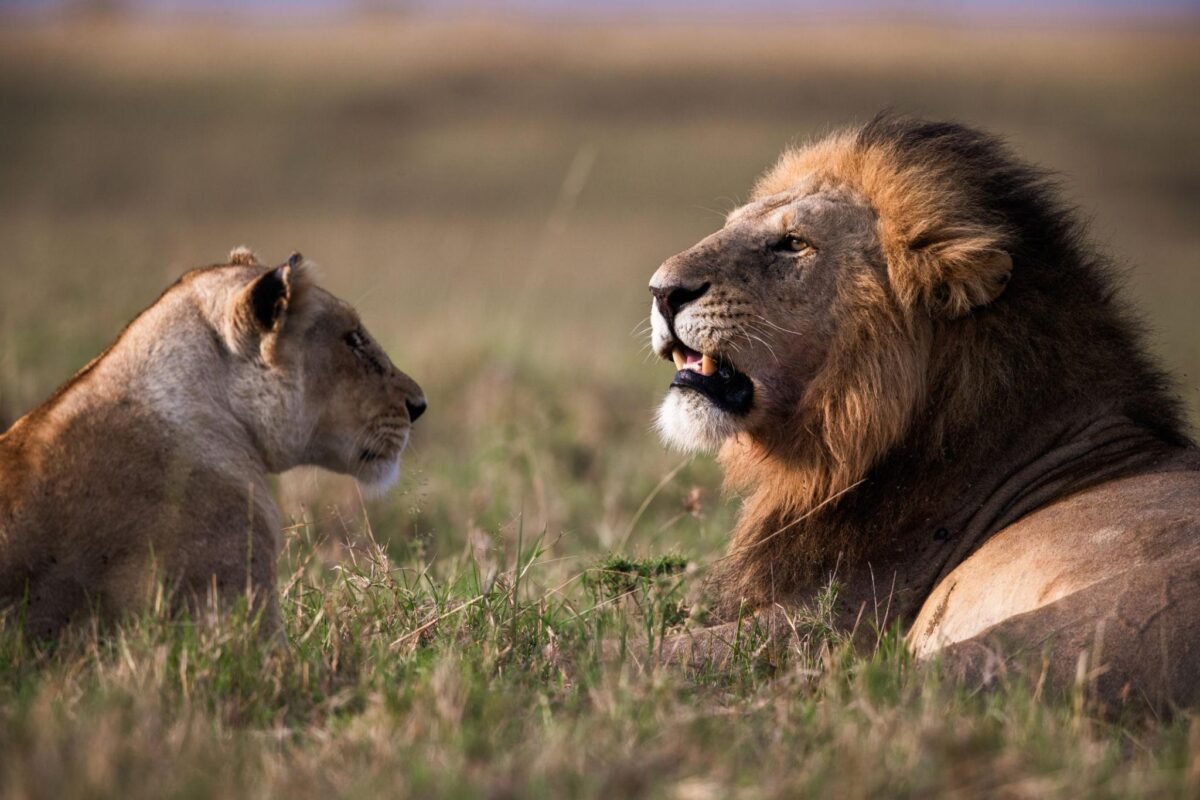
The Serengeti remains excellent outside the migration season. The Seronera area offers strong year-round opportunities to see lions, leopards, and cheetahs.
You can also enjoy a sunrise hot-air balloon flight over the plains.
Because the park is very large, Zamunda Travels recommends spending at least three nights here. Your camp location should also match the seasonal movement of the wildlife.
Ngorongoro Crater
Ngorongoro Crater offers a very different safari experience. It is the world’s largest unbroken volcanic caldera.
The crater covers about 260 square kilometres and reaches around 600 metres deep. Its enclosed floor supports a large concentration of wildlife.
You can see lions, elephants, buffalo, hippos, and black rhinos. The open crater floor also makes wildlife sightings easier.
A morning descent is a good choice. The light is softer, and animals are often active.
The wider Ngorongoro Conservation Area is also known for Olduvai Gorge. The area has played an important role in the study of early human history.
Maasai pastoralist communities also live within parts of the conservation area. This allows visitors to combine wildlife viewing with cultural experiences.
The crater rim sits at a high altitude. Even during the dry season, evenings can be cold. Warm clothing is therefore useful.
Tarangire National Park
Tarangire is one of Tanzania’s best destinations for elephants. The park covers about 2,850 square kilometres.
The Tarangire River provides an important source of water. During the dry season, from June to October, wildlife gathers around the river.
Large elephant herds are one of the park’s highlights. Giant baobab trees also create a beautiful setting for photography.
Other wildlife includes lions, leopards, giraffes, zebras, and wildebeest. The park also supports a rich variety of bird species.
Tarangire can cost less than the Serengeti and Ngorongoro. It is therefore an excellent choice for travelers looking for good value.
Zamunda Travels can also combine Tarangire with Lake Manyara for a varied northern safari.
Lake Manyara National Park
Lake Manyara is smaller than many of Tanzania’s famous parks, but it offers plenty to see.
The park sits below the Great Rift Valley escarpment. Its habitats change quickly as you drive through the park.
A groundwater forest lies near the entrance. Blue monkeys and baboons are often seen in this area.
Further into the park, open floodplains lead towards the alkaline lake. Flamingos and other waterbirds may gather along the shore when conditions are suitable.
Lake Manyara is also known for its tree-climbing lions. This unusual behavior attracts many visitors.
The park works well for travelers with limited time. A half-day or full-day safari can provide a rewarding experience.
Arusha National Park
Arusha National Park is close to Arusha city, but it offers a surprising variety of landscapes.
Mount Meru dominates the park. At 4,566 metres, it creates an impressive backdrop.
The Momella Lakes attract flamingos and other birds. Forest areas also support black-and-white colobus monkeys.
The park has fewer large predators than some other destinations. This allows some operators to arrange walking safaris with an armed ranger.
Canoe trips are also available in selected areas. Giraffes, buffalo, and zebras can be seen across the open landscapes.
On clear days, Mount Kilimanjaro may also be visible.
Zamunda Travels recommends Arusha National Park for the beginning or end of a safari, especially when travelers want a relaxed activity close to Arusha.
Southern and Western Tanzania Safari Destinations
Travelers who prefer solitude should consider southern and western Tanzania.
These destinations receive fewer visitors than the Northern Circuit. You may enjoy wildlife sightings with very few other vehicles around.
The main trade-off is access. Many travelers fly into these parks using small aircraft. This increases the cost but saves long hours on rough roads.
In return, you experience large landscapes, unique activities, and a stronger feeling of wilderness.
Nyerere National Park
Nyerere National Park was once part of the famous Selous Game Reserve. The national park was created in 2019 from the northern part of the former reserve.
The park covers about 30,000 square kilometres. The Rufiji River is one of its main features.
Boat safaris provide a different way to explore the park. You can see hippos, crocodiles, and elephants along the river.
Game drives and walking safaris are also available.
Nyerere supports African wild dogs, one of Africa’s most endangered predators.
The dry season offers good wildlife viewing because animals gather around water sources.
The park is also accessible by flight from Dar es Salaam or Zanzibar. This makes it a good option for travelers who want to combine a safari with a beach holiday.
Ruaha National Park
Ruaha offers a rugged and remote safari experience. It covers more than 20,000 square kilometres in central Tanzania.
The Great Ruaha River supports wildlife during the dry months.
Ruaha sits where eastern and southern African ecosystems meet. This gives visitors the chance to see a wide range of antelope species.
Large lion prides are also found here. Leopards, cheetahs, and African wild dogs can also be seen.
Baobab trees and rocky landscapes create a dramatic setting.
The park receives fewer visitors than the Northern Circuit. This makes it ideal for travelers who want peaceful game viewing.
June to October is a good period for wildlife viewing. The green season brings lush landscapes and excellent birding.
Zamunda Travels recommends spending at least three nights in Ruaha to experience the park properly.
Katavi National Park
Katavi is one of Tanzania’s most remote safari destinations.
The park lies in the far west of the country, and relatively few visitors reach it. This isolation creates a true wilderness experience.
During the dry season, the Katuma River becomes smaller. Hundreds of hippos may gather in the remaining pools.
Large buffalo herds also gather around water. Crocodiles wait along the riverbanks, while lions, elephants, giraffes, and roan antelope live across the park.
Most visitors reach Katavi by light aircraft.
June to October is generally the best time to visit for wildlife viewing.
Mahale Mountains National Park
Mahale offers one of Tanzania’s most unusual safari experiences.
The park lies beside Lake Tanganyika and protects forested mountains that rise above the clear blue water.
Its main attraction is chimpanzee trekking. Guides lead small groups into the forest to find habituated chimpanzees.
The experience feels personal and intimate. Visitors can watch chimpanzees in their natural environment while surrounded by beautiful forest.
Mount Nkungwe rises to 2,462 metres and creates a dramatic backdrop.
Mahale can be reached by boat or flight. Beach camps provide a peaceful place to stay after trekking.
The drier months from May to October are usually suitable for chimpanzee trekking.
You can also swim, snorkel, or kayak in Lake Tanganyika.
Zamunda Travels recommends Mahale for travelers who have already experienced traditional big-game safaris and want something different.
Matching the Season to Your Destination
The time of year can greatly influence your safari experience.
The dry season from June to October generally offers good game viewing. Animals gather around water sources, while thinner vegetation makes wildlife easier to spot.
This period also overlaps with the Mara River crossing season in northern Serengeti.
However, the dry season can bring higher prices and more vehicles at popular wildlife sightings.
The green season from November to May offers lush scenery, lower rates, and excellent birdwatching.
The southern Serengeti usually experiences peak calving from January to March. This period is especially attractive to photographers and travelers interested in young wildlife.
The long rains from March to May can make some roads difficult. Some southern and western destinations may also reduce services during this period.
Your choice therefore depends on your priorities. You may prefer peak wildlife concentrations, lower prices, greener landscapes, or fewer visitors.
Zamunda Travels can help match your travel dates with the right Tanzania safari destinations.
Why Travel with Zamunda Travels
Zamunda Travels builds safaris around your interests, travel dates, and budget.
Our team helps you choose destinations that match your expectations. We also explain the main costs before your trip, including park fees, concession fees, and vehicle charges.
Our guides know the parks well and understand animal behavior. This helps you make the most of every game drive and activity.
We can also combine Tanzania with other East African experiences. For example, you can pair a Serengeti safari with a Zanzibar beach holiday.
You can also combine Tanzania with Uganda for an extended East African adventure that includes gorilla trekking.
With Zamunda Travels, you can focus on enjoying the journey while we handle the planning.
Choosing the Right Tanzania Safari Destination
The best Tanzania safari destination depends on what you want to experience.
Choose the Serengeti and Ngorongoro Crater for a classic Tanzania safari.
Choose Tarangire if elephants and baobab landscapes appeal to you.
Choose Lake Manyara or Arusha National Park if you have limited time.
Choose Nyerere, Ruaha, or Katavi if you prefer remote landscapes and fewer visitors.
Choose Mahale Mountains if chimpanzee trekking is your priority.
Whatever you choose, planning your safari around the season can make a big difference. Zamunda Travels can help you select the right parks, accommodation, activities, and route for your trip.
Contact Zamunda Travels today and start planning your Tanzania safari adventure.