Is Kidepo Valley National Park Good for First-Time Safari Visitors?
September 27, 2026
Gorilla Trekking in Mgahinga Gorilla National Park
September 27, 2026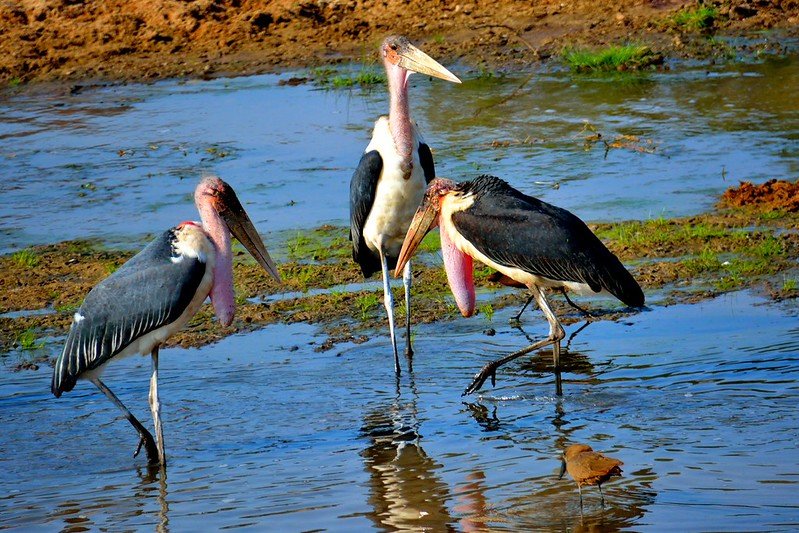
Every safari traveler dreams of spotting the Big Five, but Africa hides another famous group that deserves just as much attention. The African Ugly Five brings together five creatures that nature shaped for survival rather than beauty pageants. Zamunda Travels believes these animals tell some of the most interesting stories on the savannah, even though their looks rarely win them any admirers. Guests who travel with Zamunda Travels quickly discover that “ugly” is simply the wrong word for animals this remarkable. This blog explores who belongs on the list, why they look the way they do, and where you can meet them on your next Uganda safari.
What Is the African Ugly Five?
The term African Ugly Five refers to five animals that safari guides jokingly grouped together because of their unusual appearance. The lineup includes the spotted hyena, the marabou stork, the vulture, the wildebeest, and the warthog. Guides across East Africa use the nickname to add humor to game drives and to shift attention toward animals that visitors often overlook. Zamunda Travels enjoys introducing guests to the African Ugly Five because each animal plays a vital role that few tourists ever learn about. None of these creatures actually evolved to look strange for no reason; every feature serves a clear survival purpose. Understanding this turns a lighthearted nickname into a genuine appreciation for African wildlife.
Meet the Animals of the African Ugly Five
Each member of the African Ugly Five carries its own personality, habitat, and survival strategy. Below, Zamunda Travels breaks down what makes these five animals so unforgettable once you see them up close.
The Spotted Hyena
The spotted hyena often tops the African Ugly Five list because of its sloped back, patchy coat, and eerie call that sounds like laughter. However, this animal ranks among the most intelligent hunters in Africa. Spotted hyenas can sprint across long distances and wear down prey through sheer endurance rather than speed alone. Their jaws deliver one of the strongest bites of any African mammal, allowing them to crush bones that other predators leave behind. This ability lets hyenas clean up carcasses completely, which slows the spread of disease throughout the ecosystem. Female hyenas lead every clan, and they typically give birth to one or two cubs after a pregnancy lasting around four months. Guests on a Zamunda Travels safari often watch entire clans work together during a hunt, which quickly changes how visitors view this misunderstood predator.
The Marabou Stork
Standing nearly five feet tall, the marabou stork earns its place among the African Ugly Five through its bald head, wrinkled throat pouch, and hunched posture. Local guides sometimes call it the “undertaker bird” because its folded wings resemble a dark cloak. That bald head actually protects the marabou stork while it feeds on carcasses, since bare skin resists bacteria far better than feathers would. This bird can grow a wingspan close to ten feet, making it one of the largest flying birds on the continent. Marabou storks often intimidate vultures away from a carcass, despite their calm and slow-moving nature. Travelers with Zamunda Travels frequently spot these birds near wetlands and rivers, where fish and small prey supplement their scavenging diet.
The Vulture
Vultures complete the scavenging trio within the African Ugly Five, and Africa hosts several species that share the same bald head and hunched shoulders. This baldness stops bacteria and parasites from building up while the bird feeds deep inside a carcass. Vultures possess extraordinary eyesight that allows them to spot a meal from remarkable distances while soaring high above the plains. Once a carcass appears, vultures can strip it clean within minutes, and researchers estimate that these birds clear the vast majority of carrion across African landscapes. This process prevents dangerous diseases from spreading among both wildlife and nearby communities. Sadly, poaching and poisoning have pushed several vulture species toward vulnerable status, which makes every sighting during a Zamunda Travels safari even more meaningful.
The Wildebeest
The wildebeest joins the African Ugly Five thanks to its oddly proportioned body, shaggy beard, and curved horns that seem borrowed from several different animals. Despite its awkward frame, the wildebeest performs one of nature’s greatest spectacles during its annual migration across East Africa. Herds move in massive numbers while searching for fresh grazing land, crossing crocodile-filled rivers along the way. This migration ranks among the most celebrated wildlife events on the planet, and it draws travelers from every corner of the globe. Wildebeest calves can stand and run within minutes of birth, a trait that helps them survive constant threats from predators. Zamunda Travels guests exploring Uganda’s savannah parks often encounter smaller resident herds that graze year-round rather than migrating long distances.
The Warthog
Rounding out the African Ugly Five, the warthog carries large facial warts, curved tusks, and a thin tail that stands straight up whenever it runs. These warts actually protect the animal’s face during fights between rival males, functioning almost like natural armor. Warthogs prefer to flee rather than fight when danger appears, often disappearing backward into burrows that they borrow from aardvarks. They kneel on their front legs while grazing, a quirky habit that has become one of their most recognizable behaviors. Warthogs live in small family groups called sounders, and mothers fiercely protect their piglets from predators. Many Zamunda Travels guests find the warthog surprisingly endearing once they watch a family trot across the grassland together.
Why the African Ugly Five Matters to the Ecosystem
Every member of the African Ugly Five performs a job that keeps African ecosystems healthy and balanced. Scavengers like the hyena, marabou stork, and vulture clean up dead animals before diseases can spread further. Grazers like the wildebeest and warthog shape grassland growth and provide food for the predators that share their habitat. Without the African Ugly Five, many African landscapes would face serious ecological imbalance within just a few years. Zamunda Travels encourages every guest to appreciate these animals as essential partners in conservation rather than as mere comic relief.
Where to See the African Ugly Five in Uganda
Uganda offers excellent opportunities to spot every member of the African Ugly Five in their natural habitat. Queen Elizabeth National Park hosts large numbers of warthogs, hyenas, and various vulture species across its open savannah. Murchison Falls National Park provides wonderful sightings of marabou storks along the Nile, alongside resident wildebeest herds on the northern plains. Lake Mburo National Park also delivers close encounters with warthogs and hyenas during both walking and game drive safaris. Zamunda Travels designs itineraries that combine these iconic parks so guests can check every animal off their list within a single trip.
Plan Your African Ugly Five Safari with Zamunda Travels
Booking a safari with Zamunda Travels gives you expert guides who know exactly where these fascinating animals gather throughout the year. Our team tailors each itinerary around your travel dates, interests, and preferred parks across Uganda. Whether you want to watch a hyena clan at dusk or photograph a marabou stork along the riverbank, Zamunda Travels can build the perfect experience for you. Contact Zamunda Travels today and start planning a safari that celebrates Africa’s most underrated wildlife stars.