Kigali at Night: What Travellers Should Know
August 27, 2026
A Complete Guide to Uganda Gorilla Trekking Safaris
August 27, 2026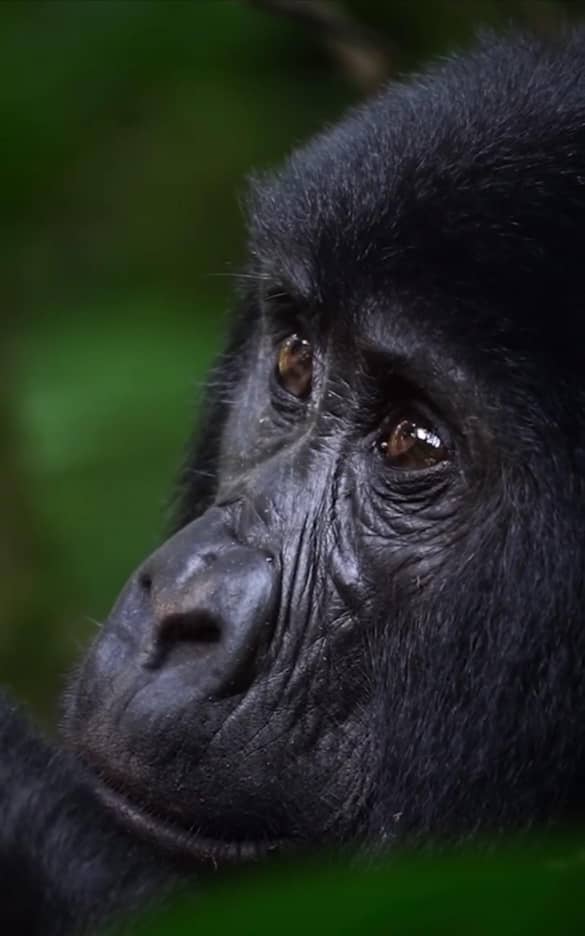
Volcanoes National Park Rwanda lies in the misty northwest of the country. It is one of Africa’s most rewarding wildlife destinations. Dense rainforest covers the slopes of ancient volcanoes. Thick cloud forest also provides a home for one of the world’s rarest primates: the mountain gorilla.
Travelers can enjoy unforgettable gorilla encounters, challenging volcano hikes, and fascinating conservation experiences. This guide explains the park’s history, wildlife, permits, costs, and travel logistics. It will help you plan your visit with confidence.
At Zamunda Travels, we share practical advice from years of arranging journeys to this remarkable destination.
What Makes Volcanoes National Park in Rwanda So Special?
Few parks offer so much adventure within such a small area. Volcanoes National Park covers about 160 square kilometers. However, it contains some of Africa’s most dramatic landscapes and important wildlife.
The park protects five of the eight volcanoes in the Virunga Mountains. It also borders Uganda’s Mgahinga Gorilla National Park and Virunga National Park in the Democratic Republic of Congo.
Together, these three parks form the Greater Virunga Conservation Area. This important region protects more than half of the world’s remaining mountain gorillas. Gorillas can move across national borders. Therefore, sightings in Rwanda can change from week to week.
Nevertheless, Rwanda’s habituated gorilla families offer some of the most reliable gorilla encounters in Africa.
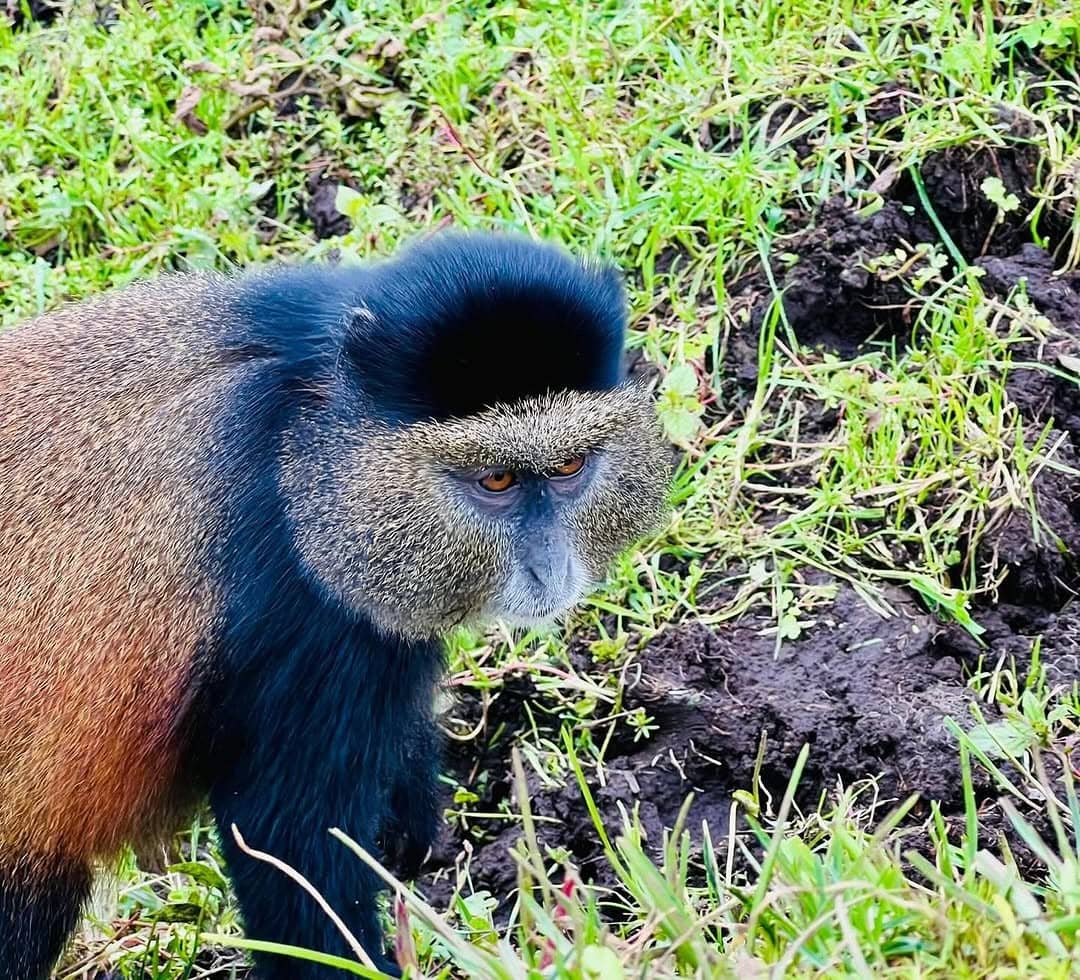
Golden monkeys also move through the park’s bamboo forests. In addition, forest buffalo sometimes appear near the lower slopes. Birdwatchers can spot more than 170 bird species within the park.
As a result, Volcanoes National Park Rwanda attracts primate lovers, hikers, and birdwatchers alike. At Zamunda Travels, many guests tell us that photographs cannot fully capture how green and alive the forest feels.
A Brief History of Volcanoes National Park Rwanda
The park’s history began in 1925. Belgian colonial authorities created a small protected area between Mount Karisimbi, Mount Bisoke, and Mount Mikeno.
This move made it Africa’s first national park. The main goal was to protect mountain gorillas from poaching.
In 1929, the authorities expanded the park further into Rwandan territory. They then renamed it Albert National Park.
A major change came in 1967. American primatologist Dian Fossey established the Karisoke Research Center between Mount Karisimbi and Mount Bisoke.
Her research transformed the world’s understanding of mountain gorillas. It also brought international attention to the dangers facing the species.
Unfortunately, poaching and habitat loss continued for many years. However, conservation investment has helped protect the gorillas. Community revenue sharing and carefully managed tourism have also played an important role.
Today, Rwanda celebrates this conservation success through Kwita Izina. This public ceremony names newborn gorillas and attracts conservationists from around the world.
The Five Volcanoes That Define the Landscape
The dramatic volcanoes define Volcanoes National Park Rwanda. Each mountain offers a different landscape and adventure.
Mount Karisimbi rises to 4,507 meters. It is the tallest volcano in the Virunga chain. Climbing it requires serious preparation and usually takes two days.
Mount Bisoke offers a different challenge. A beautiful crater lake sits at its summit. Most hikers can complete the trek in one day.
Mount Muhabura rises near the Ugandan border. Meanwhile, Mount Gahinga and Mount Sabyinyo stand near the meeting point of Rwanda, Uganda, and the Democratic Republic of Congo.
Consequently, hikers on Mount Sabyinyo can enjoy views of three countries.
These volcanoes are dormant rather than extinct. Their fertile slopes support intensive farming outside the park.
Inside the park, however, rainforest and bamboo forest dominate the landscape. These habitats provide the humid environment that gorillas and golden monkeys need to survive.
Gorilla Trekking in Volcanoes National Park Rwanda: Costs and Permits
Gorilla trekking is the main reason many travelers visit the park. Therefore, understanding the permit system is essential before planning your trip.
How Much Does a Gorilla Permit Cost?
A standard gorilla trekking permit costs USD 1,500 per person for international non-resident visitors. The Rwanda Development Board sets this price across licensed operators.
The permit covers park entry, ranger services, and a trained tracking team. It also allows visitors to spend one hour with a habituated gorilla family after locating them.
Travelers who combine their visit with Akagera National Park or Nyungwe National Park may qualify for special package rates. Qualifying conference delegates may also access reduced pricing.
Meanwhile, Rwandan citizens and East African residents can benefit from subsidized rates under promotional programs.
Only 112 gorilla permits are issued each day. Fourteen habituated gorilla families can each receive a maximum of eight visitors.
For this reason, early booking is very important.
How to Book Your Permit
Travelers can book permits through the Irembo platform or a licensed tour operator such as Zamunda Travels.
We recommend booking three to six months before your travel date. This is especially important during the busy June-to-September dry season.
Full payment is usually required when booking. Your tour operator can then provide confirmation of your permit before your trip.
Trekking Rules and Etiquette
Trekkers must be at least 15 years old.
The duration of a trek can vary greatly. Most treks take between two and seven hours. The time depends on where the gorilla family moved overnight.
Rangers ask visitors to maintain a minimum distance of seven meters from the gorillas. Flash photography is also prohibited.
Anyone with symptoms of a cold or flu should postpone their trek. Gorillas can easily catch some human illnesses.
Good preparation makes the experience more comfortable. Wear sturdy hiking boots and gardening gloves. You can also use a walking stick to manage muddy and steep trails.
Golden Monkey Tracking and Other Wildlife Encounters
Golden monkey tracking offers a lighter alternative to gorilla trekking. It also makes an excellent addition to a gorilla safari.
These endangered primates live mainly in the bamboo forests of the Virunga Massif. Their bright orange fur makes them easier to identify as they move through the trees.
Golden monkey tracking usually takes one to two hours. The permit also costs much less than a gorilla permit.
Therefore, this activity is popular with families and travelers with a smaller budget.
Beyond primates, visitors can explore the nearby Musanze Caves. These volcanic tunnels stretch for nearly two kilometers.
Well built walkways guide visitors through the cool underground passages. Many travelers also combine the cave experience with a cultural visit to a local Iby’Iwacu village.
This combination adds a cultural experience to the wildlife adventure.
Hiking the Virunga Peaks: Karisimbi, Bisoke, and Beyond
Volcanoes National Park offers more than wildlife encounters. The Virunga volcanoes provide some of East Africa’s most exciting hiking opportunities.
The Mount Bisoke hike takes about six to seven hours. At the summit, hikers can enjoy views of a beautiful crater lake.
Mount Karisimbi presents a much greater challenge. The hike takes two days and includes an overnight camp.
The altitude rises above 4,000 meters. Therefore, proper preparation and warm clothing are essential.
Both hikes require suitable gear. Waterproof hiking boots and gaiters can make muddy trails easier to manage. A reliable rain jacket is also important.
Porters are available at the trailhead for an additional fee. Hiring a porter supports local communities. It can also make your hike more comfortable by reducing the weight you carry.
Dian Fossey’s Karisoke Legacy in Volcanoes National Park Rwanda
Dian Fossey remains one of the most important figures in the conservation history of mountain gorillas.
Visitors can follow a dedicated trail to her former Karisoke research camp and grave. Her grave sits near several gorillas that she studied and protected.
The trek is moderately challenging. It usually takes about two hours each way through the forest.
Today, the Dian Fossey Gorilla Fund continues conservation work in the region. Its teams support gorilla monitoring and anti-poaching efforts.
Visiting this site helps travelers understand the conservation story behind gorilla tourism. It also shows why Rwanda works so hard to protect this remarkable landscape.
Best Time to Visit Volcanoes National Park Rwanda
The dry seasons offer the easiest conditions for hiking and gorilla trekking.
The first dry season runs from June to September. The second usually occurs from December to February.
During these months, trails are often firmer. Mountain views can also be clearer.
However, travelers can visit the park throughout the year. Gorilla trekking takes place every day, regardless of the season.
The wetter months bring more mud and rain. On the other hand, the forest becomes greener and more dramatic.
September also brings the Kwita Izina gorilla naming ceremony. Travelers who visit during this period can combine wildlife experiences with an important cultural celebration.
How to Get to Volcanoes National Park Rwanda
Most visitors begin their journey at Kigali International Airport.
From Kigali, the drive to Musanze town usually takes about two to two and a half hours. The journey follows a scenic and generally smooth road.
From Musanze, travelers continue for another 20 to 30 minutes to Kinigi. This area serves as the main gateway to the park.
Morning briefings and ranger assignments take place near the park headquarters.
The region has no railway service. Therefore, road transport remains the main way to reach the park.
A private 4×4 vehicle offers greater comfort on rougher roads near the park.
Zamunda Travels arranges private transfers for guests. This allows travelers to relax and focus on their adventure instead of navigating unfamiliar roads.
Where to Stay Near the Park
Volcanoes National Park Rwanda offers accommodation for different budgets and travel styles.
Budget guesthouses in Musanze provide simple and comfortable rooms. Mid-range lodges often offer fireplaces, beautiful views, and more space.
Luxury travelers can choose high end eco lodges near the park. Properties such as Wilderness Bisate offer premium service and distinctive architecture.
Luxury accommodation can be expensive. However, many travelers value the privacy, comfort, and personalized experience.
Accommodation fills quickly during the busiest travel periods. Therefore, we recommend securing your preferred lodge before finalizing your gorilla trekking dates.
Plan Your Adventure with Zamunda Travels
Planning a trip to Volcanoes National Park involves several important details.
You need to consider permit availability, accommodation, transport, and your overall itinerary. This is where Zamunda Travels can help.
Our specialists assist with gorilla and golden monkey permits. We also arrange comfortable 4×4 transport from Kigali.
In addition, we help travelers choose accommodation that matches their budget and travel style.
We can also create multi park itineraries. For example, travelers can combine Volcanoes National Park Rwanda with Nyungwe Forest or Akagera National Park.
Whether you want a short gorilla trekking trip or a longer adventure in the Virunga region, Zamunda Travels can tailor the journey around your interests.
Essential Packing and Safety Tips
Good preparation can make your trekking experience much easier.
Start with waterproof hiking boots. The trails can become muddy, especially after rain.
A warm layer and lightweight rain jacket are also important. Mountain weather can change quickly.
Gardening gloves protect your hands from stinging nettles and thick vegetation. A wide-brimmed hat and sunscreen can also protect you during sunny periods.
Travel insurance that covers trekking activities is strongly recommended.
Travelers arriving from yellow fever risk countries should also carry proof of vaccination.
Finally, a reasonable level of fitness will help you enjoy the experience. Trails can climb through mud, roots, and thick vegetation.
However, you do not need to be an elite athlete to enjoy the park. Good preparation and the right attitude can make a big difference.
In conclusion, Volcanoes National Park Rwanda offers an extraordinary mix of wildlife, volcanic scenery, and conservation history. Visitors can spend an unforgettable hour with mountain gorillas, track golden monkeys, hike dramatic volcanoes, or explore Rwanda’s conservation heritage.
Careful planning is essential. Booking the right permits and choosing suitable accommodation can make your trip much smoother. With Zamunda Travels handling the logistics, you can focus on enjoying one of Africa’s most remarkable wildlife destinations.