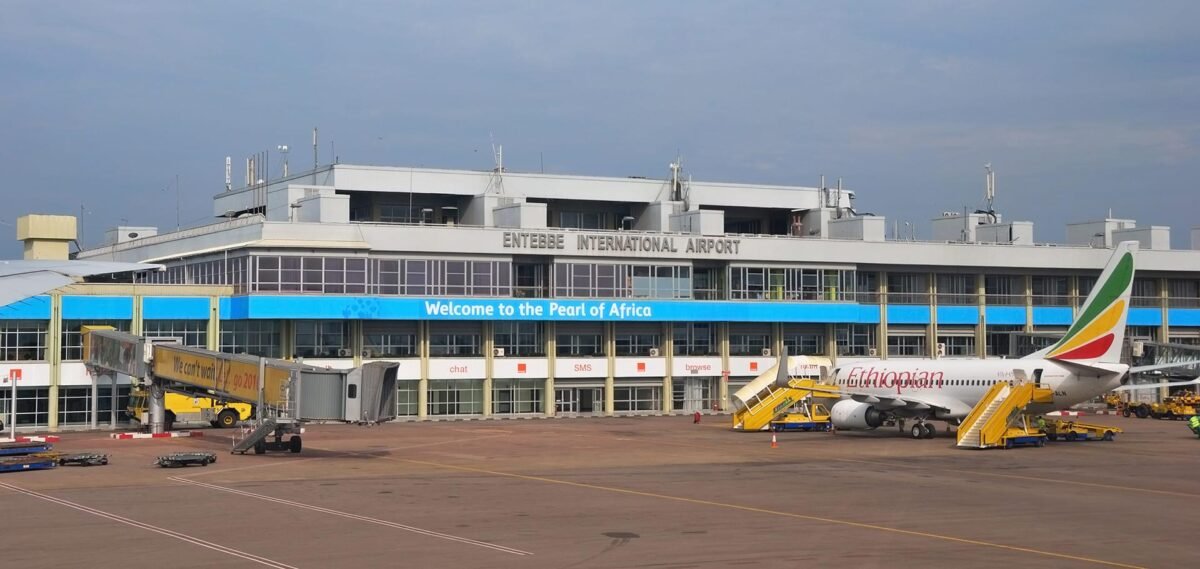
Understanding Uganda safari lodge facilities helps you prepare for a comfortable wildlife holiday. Laundry, electricity and Wi-Fi are available at many lodges. However, their quality and availability vary between properties.
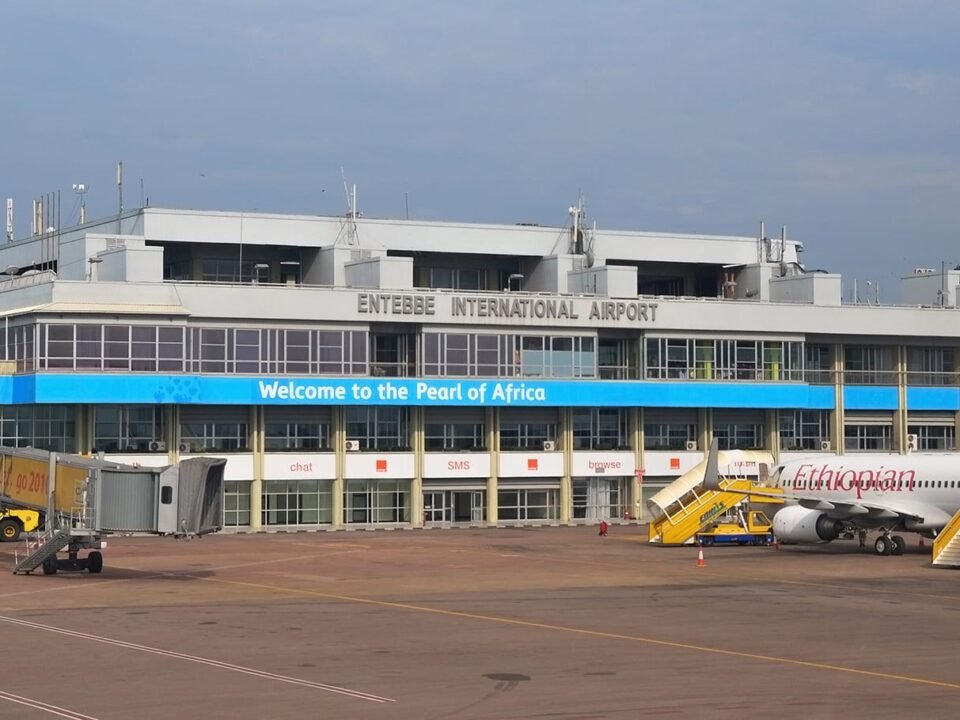
A hotel in Entebbe may offer reliable electricity and internet throughout the day. Meanwhile, a remote lodge near Bwindi Impenetrable National Park may depend on solar power and mobile networks.
At
Zamunda Travels, we recommend checking these practical details before confirming accommodation. Good planning helps you pack lighter, protect your electronics and avoid unexpected expenses.
Quick answer: Most Uganda safari lodges offer laundry services, device charging and some form of internet access. However, laundry may cost extra, charging points may be shared, and Wi-Fi can be limited to communal areas. Remote properties often use solar power or generators. Always confirm facilities before booking your safari accommodation.
Uganda Safari Lodge Facilities: What to Expect
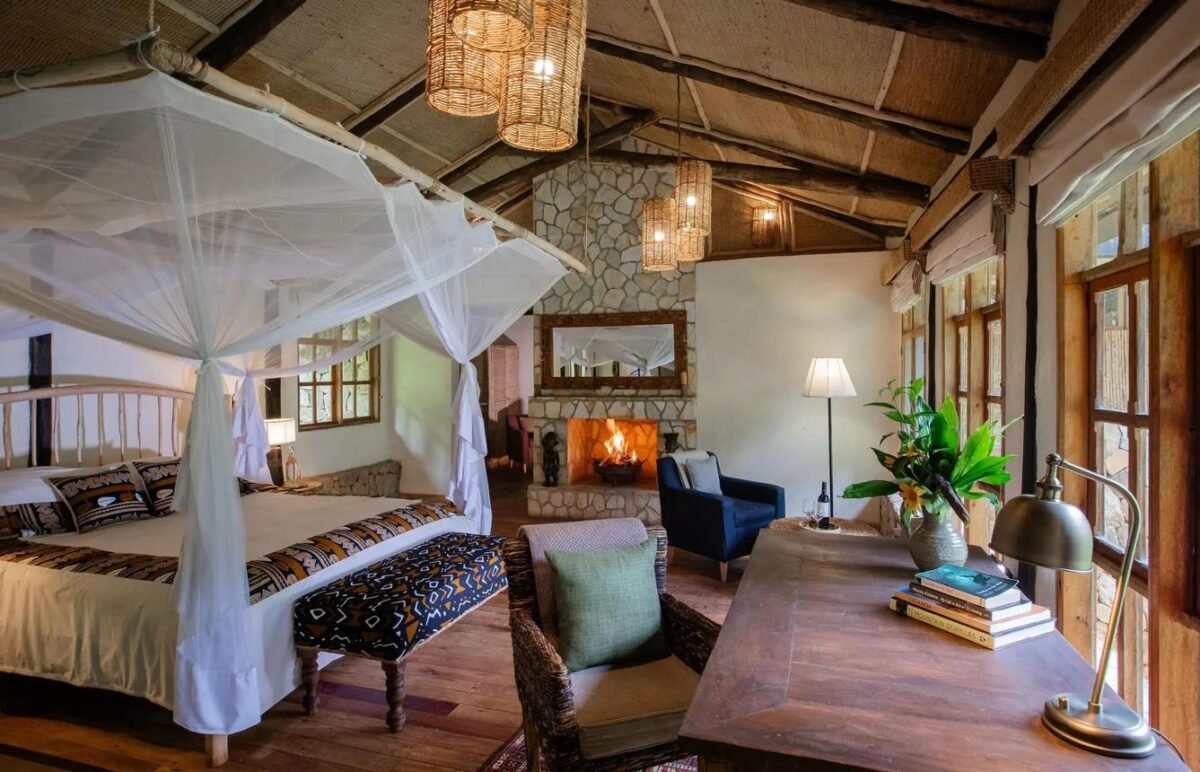
Safari accommodation in Uganda ranges from simple guesthouses to luxury wilderness lodges. Therefore, facilities differ according to location, property design and available infrastructure.
Some lodges provide continuous electricity, private charging sockets and internet throughout their buildings. Others operate on solar systems with limited power capacity.
The same differences apply to laundry. A luxury property may include laundry in its accommodation package. However, another lodge may charge separately for each item.
| Facility |
What travellers should expect |
| Laundry |
Available at many lodges, sometimes at extra cost |
| Phone charging |
Usually possible, but socket locations vary |
| Camera charging |
Available at many properties, subject to power capacity |
| Wi-Fi |
May cover rooms, lounges or selected communal areas |
| Electricity |
Grid power, solar energy, generators or combined systems |
| Hairdryers |
May be restricted at solar-powered lodges |
| Mobile network |
Coverage varies with location and provider |
For example, Nkuringo Gorilla Lodge lists laundry and Wi-Fi among its included amenities. Gorilla Safari Lodge advertises solar-powered sockets inside guest rooms.
These examples show why travellers should compare actual facilities rather than rely only on accommodation categories.
Why remote safari lodges operate differently
Many wilderness lodges sit far from large towns and major electricity networks. Consequently, operators may use solar panels, battery storage and backup generators.
Solar systems help reduce dependence on fuel. However, available electricity still depends on the property’s equipment and energy requirements.
A lodge may provide lighting throughout the night but restrict high-power appliances. Therefore, guests should never assume every electrical device will work.
Our guides at Zamunda Travels recommend checking power availability before travelling with specialist photography equipment.
Laundry Services at Uganda Safari Lodges
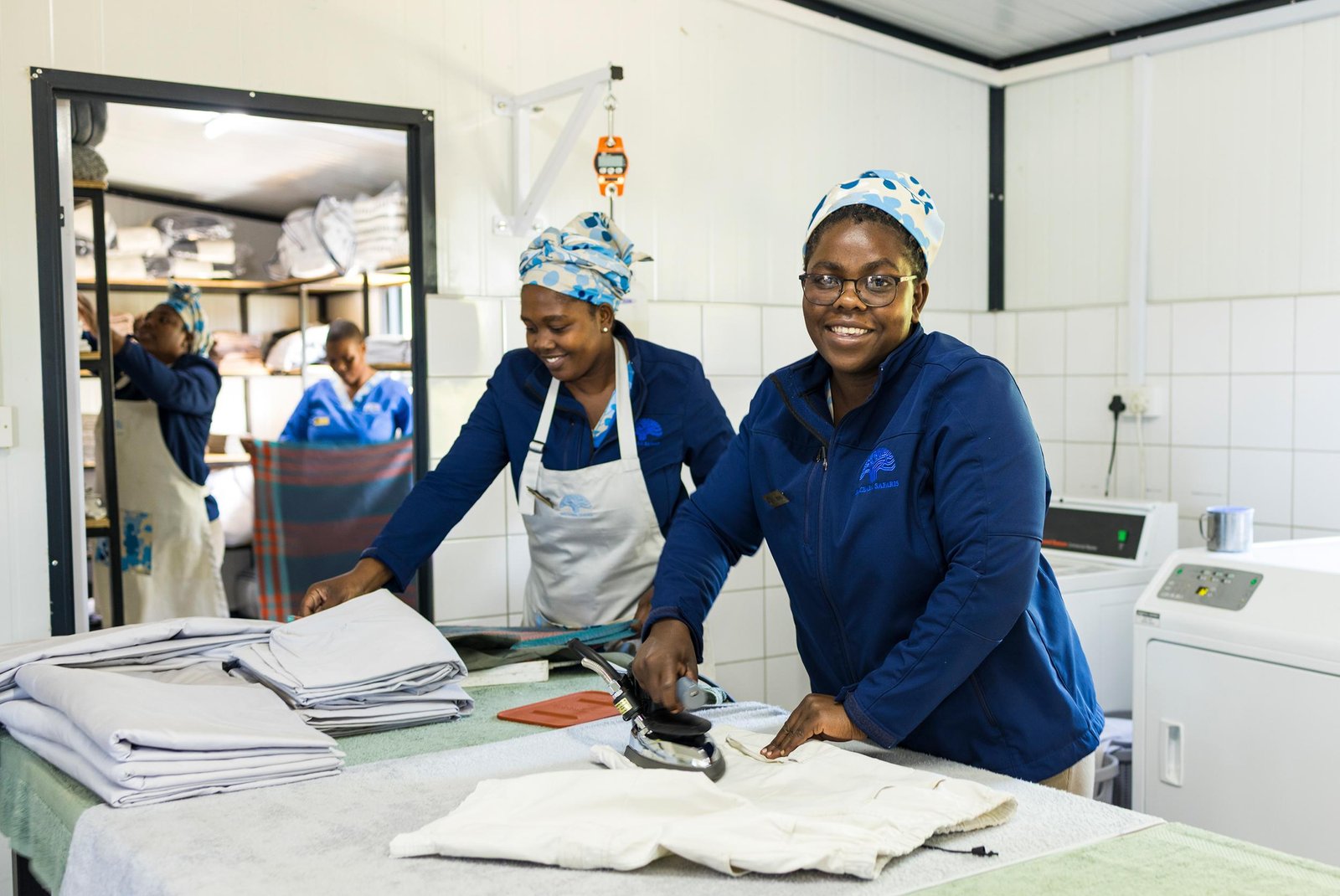
A laundry service on Uganda safari can make travelling much easier. Instead of carrying fresh clothing for every day, you can wash selected items during your journey.
Many lodges accept shirts, trousers, socks and other everyday clothing. However, individual laundry policies differ.
Some properties include laundry in their room rates. Others provide a price list or charge according to the number of garments.
For example, Burunga Gorilla Lodge advertises laundry at an additional charge. Nkuringo Gorilla Lodge lists laundry among its included services.
Therefore, confirm the arrangement before handing over your clothes.
How long does laundry take?
Laundry turnaround depends on the lodge, weather and washing method. Some properties may return clothing the following day.
However, others need additional time, especially when they dry garments naturally.
Rainy weather can slow drying in forest areas such as Bwindi and Kibale. As a result, travellers should avoid requesting laundry immediately before departure.
At Zamunda Travels, we recommend allowing at least one full day when possible. For important clothing, ask the lodge for its actual return time.
Can lodges wash underwear and delicate clothing?
Some safari lodges exclude underwear from their laundry service. Therefore, guests may need to wash these items themselves.
Policies also differ for delicate fabrics and expensive outdoor clothing.
Pack a small amount of travel detergent and a reusable laundry bag. Additionally, choose quick-drying fabrics that require little ironing.
Always ask permission before washing clothes in your room. Some properties have water-use restrictions or designated washing arrangements.
Practical laundry planning example
Consider a seven-day Uganda safari visiting Kibale, Queen Elizabeth National Park and Bwindi.
You could pack four or five practical daytime outfits and arrange laundry during a two-night lodge stay.
This reduces luggage without leaving you short of clean clothing.
However, keep one dry trekking outfit separate. That way, unexpected laundry delays will not affect your gorilla trekking plans.
Charging Devices on Uganda Safari
Charging devices on Uganda safari is generally possible at established lodges. However, you should prepare for different socket arrangements and electricity schedules.
Uganda uses Type G electrical sockets, with three rectangular pins. The standard electricity supply is 240 volts at 50 hertz.
Travellers from countries using different plugs should carry a suitable adapter.
What plug adapter do I need for Uganda?
A Type G travel adapter is the standard choice for Uganda. It matches the British-style three-pin socket.
However, a plug adapter does not change electrical voltage.
Most modern phone and laptop chargers accept a wide voltage range. Nevertheless, check the printed input specifications before connecting any equipment.
Devices marked 100–240V generally work with Uganda’s standard voltage. Appliances designed only for 110–120V may require a suitable voltage converter.
For safety, avoid damaged adapters, overloaded sockets and exposed electrical connections.
Can I charge camera batteries at safari lodges?
Yes, many lodges provide charging facilities for cameras and other electronics.
However, charging may take place inside your room or at a shared station.
Ruhija Gorilla Lodge, for example, advertises charging points in every cottage. Other properties may use communal charging areas.
Photographers should bring spare batteries and clearly labelled chargers.
Additionally, charge equipment whenever suitable power becomes available. Do not wait until every battery is empty.
For wildlife photography, our guides recommend preparing all camera equipment the evening before an early game drive.
Are power banks useful on safari?
A reliable power bank is useful during long drives and full-day activities. It provides backup power when charging sockets are unavailable.
Choose a suitable model for your phone and other compatible devices.
However, check airline battery restrictions before flying. Spare lithium batteries and power banks normally belong in cabin baggage, subject to airline rules.
Keep electronic equipment away from rain, direct heat and moisture.
Also, avoid leaving charging devices unattended in exposed outdoor areas.
Wi-Fi at Uganda Safari Lodges: How Reliable Is It?
Wi-Fi at Uganda safari lodges varies considerably. Some properties provide internet throughout guest rooms and communal spaces.
Others offer connectivity only near reception, restaurants or lounges.
For example, Kaara Gorilla Mountain Lodge advertises 4G-based Wi-Fi in its main building. Ensiko Primates Lodge advertises free Wi-Fi throughout its property.
However, advertised Wi-Fi does not guarantee a particular internet speed.
Weather, network congestion and the lodge’s internet connection can affect performance.
Internet access in Bwindi Impenetrable National Park
Bwindi covers mountainous rainforest terrain in southwestern Uganda. Its four main gorilla
trekking sectors are Buhoma, Ruhija, Rushaga and Nkuringo.
Internet access in
Bwindi Impenetrable National Park varies between these areas and individual lodges.
Some properties offer Wi-Fi through mobile network connections. Others use different internet systems.
Therefore, a lodge may have excellent internet in its lounge but limited coverage inside guest cottages.
If internet access is important, request confirmation of room coverage before booking.
Can you use mobile data during a Uganda safari?
Yes, mobile data works in many Ugandan towns and selected safari areas. However, network coverage is not continuous.
MTN Uganda and
Airtel Uganda are established mobile service providers.
A local SIM or compatible eSIM may provide another way to connect.
Nevertheless, check coverage and registration requirements before purchasing a data package.
Remote valleys, forests and sections of national parks may have weak signals.
For this reason, download essential documents and maps before leaving a connected area.
Can you work remotely from a safari lodge?
Remote work is possible at some Uganda safari lodges. However, not every property supports video meetings or large uploads.
If you need dependable internet, ask about typical speeds, backup connections and electricity availability.
Also, confirm whether Wi-Fi reaches your room or only the main building.
Our team at Zamunda Travels can help shortlist accommodation according to your connectivity requirements.
For travellers who need regular online meetings, we recommend planning dedicated work periods at suitable properties.
Uganda Safari Electricity and Power Sockets by Location
Electricity and internet access depend more on the individual lodge than the national park itself.
Nevertheless, location can influence the available infrastructure.
These are planning considerations, not guarantees for every property.
Before booking, ask the accommodation provider about the exact services included in your room category.
For a multi-park itinerary, Zamunda Travels can also help identify suitable laundry stops and charging opportunities.
How Seasons Affect Laundry and Electricity
Uganda generally experiences wetter periods around March to May and October to November. Drier periods usually occur from June to September and December to February.
However, rain can fall throughout the year in rainforest areas.
Travelling during the rainy season
Wet weather can make outdoor laundry drying slower. Therefore, travellers should pack extra socks and quick-drying clothing.
Keep important trekking clothes inside waterproof packing bags.
Additionally, carry a rain cover for your camera bag and protect charging accessories from moisture.
Heavy rain does not automatically mean a lodge will lose electricity. However, remote power systems and network connections can experience interruptions.
Travelling during the drier months
Clothes may dry more quickly during periods of sunny weather.
However, dust from game drives can increase the need for laundry.
Pack a separate bag for dusty clothes and avoid cleaning delicate camera equipment with ordinary clothing.
Even during drier months, keep waterproof protection available for forest trekking.
Uganda Safari Packing Essentials for Lodge Comfort
A few practical items can make a major difference during your safari.
| Item |
Why it helps |
| Type G travel adapter |
Connects compatible chargers to Ugandan sockets |
| Power bank |
Provides backup charging during activities |
| Spare camera batteries |
Reduces dependence on immediate charging |
| Quick-drying clothes |
Makes laundry easier during multi-day trips |
| Small laundry bag |
Separates dirty clothes from clean items |
| Travel detergent |
Useful for permitted handwashing |
| Waterproof electronics pouch |
Protects devices during rain |
| Offline maps and documents |
Keeps information available without internet |
| Headlamp or small torch |
Useful when moving around dimly lit lodge grounds |
Avoid packing unnecessary high-power appliances. Some solar-powered lodges restrict hairdryers, irons and similar equipment.
For example, a compact phone charger and spare battery are generally more useful than carrying several bulky electrical accessories.
If you travel with medical equipment that requires electricity, confirm reliable power and backup arrangements before booking.
Sample Daily Routine for Charging and Laundry
A little organisation can prevent common problems during your trip.
Morning: Before leaving the lodge
Charge your phone and camera batteries overnight only where the lodge permits safe charging.
Next, check battery levels and prepare spare memory cards.
Keep your phone, camera and power bank inside a protected daypack.
Afternoon: After returning from activities
Separate wet clothing from dry garments immediately.
If you have another night at the lodge, ask whether laundry can return before departure.
Next, clean and dry your boots in the area recommended by staff.
Evening: Prepare for the next safari day
Charge camera batteries and download important information while internet access is available.
Also, back up your photographs when possible.
Finally, check the following day’s departure time with your safari guide.
This simple routine is especially useful for gorilla trekking, chimpanzee tracking and full-day wildlife photography.
Laundry, Wi-Fi and Charging Costs: What to Budget
Some lodges include laundry, electricity and Wi-Fi in their accommodation rates. Others charge separately for selected services.
Therefore, do not assume every advertised amenity is complimentary.
Ask whether laundry costs apply per garment, per bag or per service.
Also, check whether internet packages, premium connectivity or charging services attract additional fees.
Practical budgeting example
For a couple taking a ten-day safari, consider these possible extra expenses:
-
Laundry charges at properties where washing is not included
-
Local mobile data or an international roaming package
-
A Type G adapter or replacement charging cable
-
Backup power equipment purchased before travelling
No single price applies across Uganda’s safari lodges. Therefore, request current costs from your chosen accommodation.
Rates change, so confirm current prices with Zamunda Travels.
Common Mistakes to Avoid at Safari Lodges
Travellers sometimes assume every safari lodge operates like a city hotel.
However, remote accommodation often follows different electricity and service arrangements.
One common mistake is expecting high-speed Wi-Fi inside every room.
Another is handing over laundry on the morning of departure.
Some guests also bring electrical appliances without checking voltage compatibility.
Additionally, travellers may forget to download booking confirmations before entering remote areas.
To avoid these problems, confirm lodge facilities in advance and prepare a small backup plan.
Plan Your Uganda Safari with Zamunda Travels
Comfortable safari travel requires more than choosing attractive accommodation. Practical details such as laundry, electricity and internet access also matter.
At Zamunda Travels Uganda Ltd, we help travellers plan accommodation around their itinerary, budget and personal requirements.
Whether you are visiting Bwindi, Kibale, Queen Elizabeth or Murchison Falls, we can help you ask the right questions before booking.
Our team can also assist with gorilla trekking, chimpanzee tracking, wildlife safaris and private transport arrangements.
Contact us to plan a Uganda safari with accommodation suited to your needs.
Website:
www.zamundatravels.com
Email: info@zamundatravels.com
WhatsApp:
+256 704 705 606
Frequently Asked Questions
Do safari lodges in Uganda offer laundry services?
Yes, many safari lodges in Uganda provide laundry services. However, some include laundry in the accommodation price, while others charge separately. Turnaround times depend on the property and weather. Ask about underwear restrictions, laundry costs and return times before handing over your clothes.
Can I charge my phone and camera at Uganda safari lodges?
Yes, most established safari lodges provide some way to charge phones and cameras. However, charging sockets may be inside guest rooms or communal areas. Remote properties sometimes use solar power or generators. Bring a Type G adapter, spare camera batteries and a power bank.
What plug adapter do I need for Uganda?
Uganda uses Type G electrical sockets, similar to those in the United Kingdom. The standard electricity supply is 240 volts at 50 hertz. Travellers with different plugs need a suitable adapter. Check your device’s voltage rating because an ordinary adapter does not convert electricity voltage.
Is Wi-Fi available in Bwindi Impenetrable National Park?
Yes, several lodges around Bwindi provide Wi-Fi. However, coverage and internet speeds vary by property and location. Some lodges offer connectivity only in their lounges or restaurants. If you need internet for work, confirm room coverage and connection reliability before booking your accommodation.
Do Uganda safari lodges have electricity throughout the night?
Some Uganda safari lodges provide electricity throughout the night, while others operate scheduled power systems. Remote properties may use solar panels, batteries and backup generators. Lighting availability does not always mean every socket works continuously. Ask your lodge about charging hours and backup power before arrival.