
Luxury Gorilla Trekking in Rwanda
August 25, 2026
Traditional Rwandan Music and Dance
August 25, 2026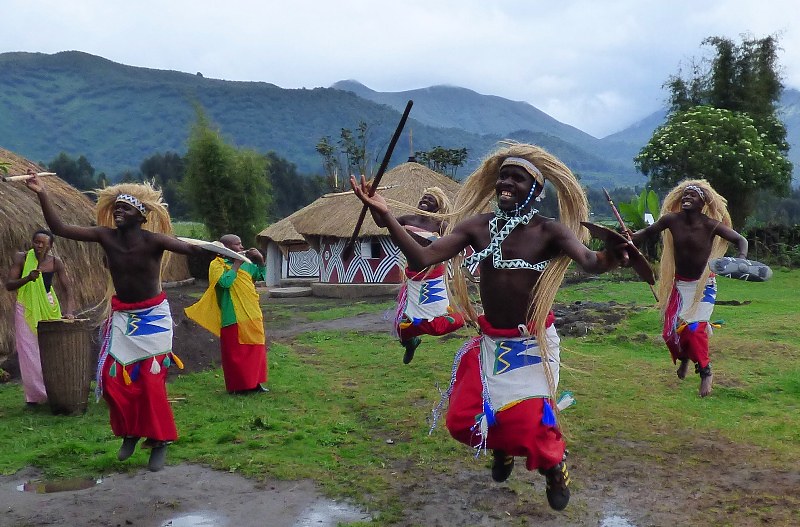
Rwandan culture rewards travelers who take the time to understand it before they land. This small, hilly nation in East Africa carries a depth of tradition, language, and community spirit that shapes almost every interaction you will have, from the moment a driver greets you at Kigali International Airport to the evening you share a plate of isombe with a host family in the countryside. At Zamunda Travels, we believe that the best safaris and gorilla treks start long before you board your flight. They start with curiosity about the people whose home you are about to visit. This guide walks you through the customs, language, ceremonies, and etiquette that define daily life in Rwanda, so you arrive ready to connect rather than simply to observe.
Why Rwandan Culture Matters for Every Traveler
Many visitors book a trip to Rwanda purely for the mountain gorillas, and that instinct makes sense. However, Rwandan culture is the thread that ties the entire experience together. Your guide’s careful explanations, the songs performed at a village welcome ceremony, and even the pace of a roadside conversation all trace back to values that Rwandans have preserved for generations. Understanding these values changes how you move through the country. You stop rushing greetings. You start noticing details, like why a market vendor waits for your response before continuing a transaction. Zamunda Travels builds this cultural context into every itinerary because a traveler who understands local customs experiences a warmer, richer welcome than one who does not.
Rwanda’s population of roughly thirteen million people shares a single native language and a largely unified cultural identity, which is unusual on a continent with such linguistic diversity. This cohesion means that a handful of cultural lessons will serve you well whether you are in Kigali’s busy streets or a quiet village near Lake Kivu. Learning these lessons is not about memorizing rules. It is about approaching Rwanda with humility and genuine interest, qualities that locals notice and appreciate immediately.
The Languages That Shape Rwandan Culture
Kinyarwanda is the heartbeat of communication in Rwanda, spoken by nearly the entire population regardless of region or background. English and French also hold official status, and Swahili appears frequently in trade and border communities, but Kinyarwanda remains the language people reach for first at home, in markets, and among friends. Because of this, even a few memorized phrases can transform how locals respond to you. Travelers who learn simple words often find that shopkeepers smile more readily and conversations open up faster.
Zamunda Travels encourages every client to pick up a handful of everyday expressions before departure. “Muraho” means hello, “Amakuru” asks how someone is doing, and “Murakoze” expresses thanks. These small efforts signal respect, and respect sits at the center of Rwandan culture. Guides frequently mention that visitors who attempt Kinyarwanda, even imperfectly, receive noticeably warmer treatment than those who default entirely to English. Language, in this sense, becomes your first and easiest bridge into local life.
Greetings and Etiquette: The Heartbeat of Rwandan Culture
Greetings in Rwanda are never a quick formality. They are an extended exchange that shows genuine interest in another person’s wellbeing, and skipping this ritual is considered impolite. Before asking a question, making a purchase, or starting a business discussion, Rwandans expect a proper greeting followed by inquiries about health and family. Rushing past this step, even with good intentions, can come across as cold or dismissive.
Handshakes, Respect, and Elders
Handshakes remain the most common greeting between strangers, and they should be gentle rather than firm. A firm grip can unintentionally read as aggressive. When greeting someone you wish to honor, particularly an elder, supporting your right forearm with your left hand adds an extra layer of respect. Elders are greeted first in group settings, and this order matters more than most visitors expect. Public displays of affection stay minimal, and physical contact between people of different genders typically remains limited to a handshake in formal situations.
Words Every Visitor Should Learn
Beyond hello and thank you, a few additional phrases go a long way. Learning how to say please, excuse me, and goodbye demonstrates ongoing effort rather than a single rehearsed line. Always use your right hand when giving or receiving items, including money, food, or a business card, since the left hand carries negative associations in daily etiquette. Zamunda Travels provides every guest with a short phrase sheet before departure, precisely because these small habits open doors that money and itinerary planning simply cannot.
Umuganda: A Living Tradition Within Rwandan Culture
One of the most distinctive expressions of Rwandan culture is Umuganda, a nationwide community service morning held on the last Saturday of every month. President Paul Kagame revived this pre-colonial tradition in 2007, and participation is legally required for citizens between eighteen and sixty-five years old. From roughly eight to eleven in the morning, streets empty of traffic while neighbors clean public spaces, repair infrastructure, and work on shared community projects together.
For travelers, Umuganda has practical and cultural implications. Shops close, movement slows, and some roads restrict access during those three hours, so Zamunda Travels plans Saturday morning activities around this schedule rather than against it. More importantly, Umuganda offers a rare window into the collective spirit that defines modern Rwanda. Visitors who witness it firsthand often describe a palpable sense of unity, one that connects directly to the post-1994 reconciliation efforts that continue to shape national identity today.

Art, Music, and Dance in Rwandan Culture
Creative expression runs deep in Rwanda, and it rewards a curious eye. Traditional performances tell stories of history, courage, and celebration, while handcrafted objects carry meaning far beyond decoration.
The Intore Dance
The Intore dance stands among the most recognizable cultural performances in the country. Dancers wear flowing grass wigs and carry spears while moving to energetic drumming, recreating stories of bravery and royal history that once entertained Rwandan kings. Cultural villages near Kigali and around Lake Kivu regularly showcase these performances for visitors, and watching one in person delivers far more impact than any video ever could. Zamunda Travels often schedules an evening performance early in each itinerary, since it introduces guests to Rwandan culture in a vivid, memorable way before deeper exploration begins.
Imigongo Paintings and Agaseke Baskets
Imigongo art turns an unlikely material, cow dung, into striking geometric patterns painted in bold earth tones. Artisans in the eastern part of the country have practiced this technique for generations, and workshops now welcome visitors who want to try it themselves. Agaseke baskets tell a similar story of skill passed down through families. Woven by hand from natural fibers and dyed with organic colors, these pointed-lid baskets symbolize peace and unity, which is why they remain one of the most meaningful souvenirs a traveler can bring home.
Food and Hospitality in Rwandan Culture
Hospitality sits at the very core of Rwandan culture, expressed through the concept of Ubuntu-like generosity that Rwandans extend to guests regardless of background. Meals reflect this spirit directly, since food is meant to be shared rather than eaten alone. Staple dishes include beans, plantains, sweet potatoes, and cassava, often served alongside isombe, a hearty stew made from cassava leaves. Rice and grilled meats appear frequently as well, particularly in urban restaurants that cater to both locals and travelers.
Accepting food or drink when it is offered matters more than many visitors realize. Declining outright can feel like a rejection of the host’s generosity, so even a small taste goes a long way toward building goodwill. Zamunda Travels arranges home-cooked meals with local families whenever guests express interest, because sharing a table remains one of the fastest ways to understand a culture from the inside rather than from a guidebook.
Sacred Ground: Visiting Genocide Memorials Respectfully
No honest conversation about Rwandan culture can skip its history. The 1994 genocide against the Tutsi remains a deeply sensitive subject, and memorials like the Kigali Genocide Memorial exist to preserve that history with dignity. Visiting one of these sites is not simply a tourist stop; it is an act of remembrance that deserves quiet respect and modest behavior. Loud conversation, casual photography, and flippant questions about ethnicity are all inappropriate, both at memorials and in everyday conversation elsewhere in the country.
If a Rwandan chooses to share a personal story related to that period, the most respectful response is simply to listen without offering opinions or comparisons. Zamunda Travels prepares every guest for this visit in advance, ensuring the experience feels educational and respectful rather than uncomfortable or intrusive. Many travelers describe this stop as the most transformative part of their entire trip, precisely because it reveals how far the country has rebuilt itself through unity and shared resolve.
What to Wear and How to Behave in Rural Areas
Modesty matters throughout Rwanda, and it matters even more outside the capital. In rural villages, women typically cover their shoulders and knees, while men avoid wearing shorts. Traditional occasions call for an umushanana or kitenge wrap for women and formal attire for men, and religious sites require particularly conservative dress, including head coverings for women in some settings. Rwanda’s highland climate stays mild year-round, generally between fifteen and twenty-seven degrees Celsius, so packing light layers works better than packing for extreme heat.
A few practical notes round out this etiquette. Plastic bags are banned nationwide and strictly enforced at the airport, so travelers should leave them at home entirely. Around Lake Kivu and other beach areas, swimwear belongs at the pool or a private beach rather than on public paths, where modest cover-up clothing remains expected. None of these customs are difficult to follow, but overlooking them can create friction that a little preparation easily avoids.
How Zamunda Travels Helps You Experience Rwandan Culture Responsibly
Every itinerary that Zamunda Travels builds treats cultural understanding as a core part of the journey rather than an afterthought. Our local guides grew up inside the customs described in this article, and they translate them into practical, real-time advice throughout your trip. Whether that means timing a market visit around Umuganda, arranging a respectful genocide memorial tour, or introducing you to a family for a home-cooked meal, Zamunda Travels designs each day around genuine connection with Rwandan culture rather than a checklist of sights.
We also work closely with community cooperatives that produce Agaseke baskets and Imigongo art, which means your souvenir purchases support the same artisans who keep these traditions alive. Choosing a travel partner who values this kind of exchange changes the entire tone of a trip, turning a vacation into an experience that respects the people who make Rwanda unforgettable.
Final Thoughts on Embracing Rwandan Culture
Rwandan culture is generous, layered, and deeply rooted in community, and it welcomes travelers who approach it with patience and respect. From the extended greetings and gentle handshakes to Umuganda mornings and the quiet dignity of memorial sites, every custom described here reflects a nation that has rebuilt itself around unity. Learning a few Kinyarwanda phrases, dressing modestly in rural areas, and listening more than you speak will carry you further than any guidebook ever could. Zamunda Travels exists to help you step into that experience fully prepared, so that your trip becomes more than a checklist of gorilla treks and scenic lakes. It becomes a genuine encounter with one of Africa’s most remarkable cultures.