How to Book Your Rwanda Gorilla Safari with Zamunda Travels
August 31, 2026
Best Time to Visit Queen Elizabeth National Park
August 31, 2026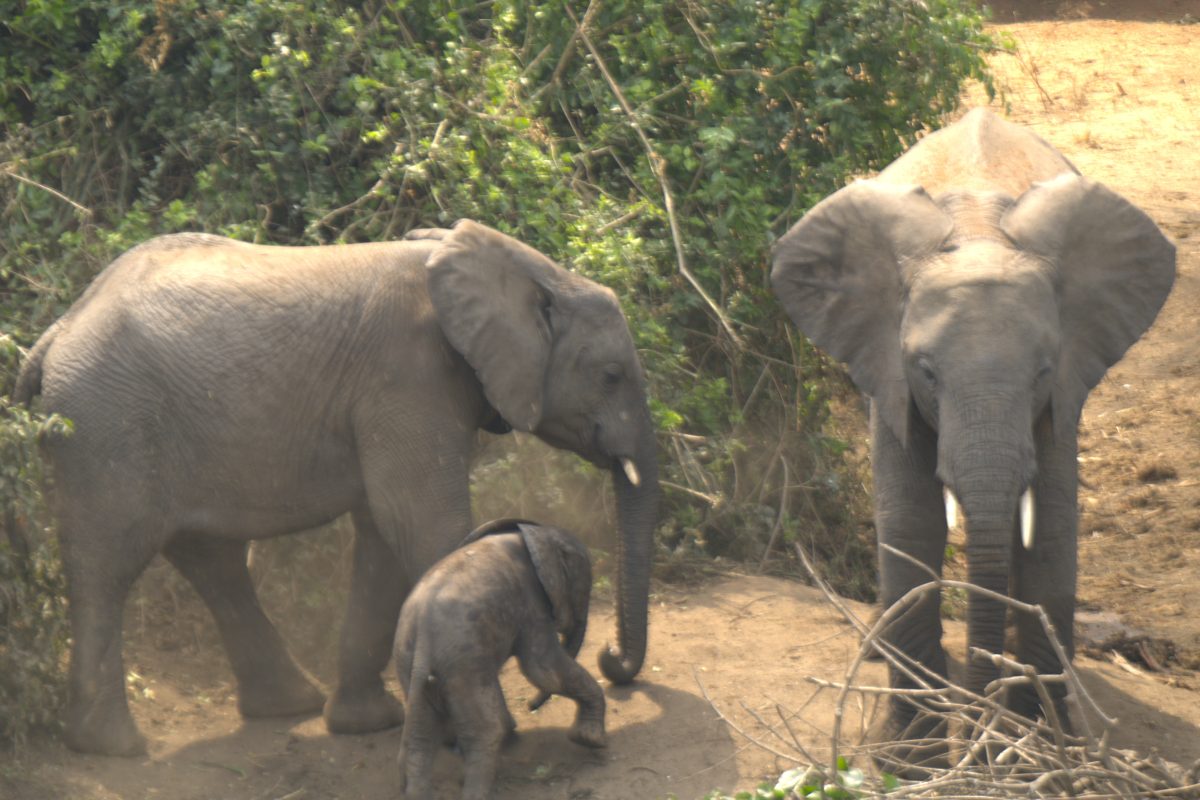
Uganda hides one true gem inside its western districts, and that gem is Queen Elizabeth National Park. Travellers search the world for wildlife, scenery, and adventure, yet few destinations combine all three as generously as this park does. At Zamunda Travels, we send guests here more than almost anywhere else in East Africa, and the reasons become obvious within the first hour of a game drive. This guide walks you through the landscapes, animals, and experiences that make Queen Elizabeth National Park worth every mile of the journey.
A Quick Introduction to Queen Elizabeth National Park
The park sits in western Uganda, spread across the districts of Kasese, Kamwenge, Rubirizi, and Rukungiri. Founded in 1952 under the name Kazinga National Park, it later took on its current name in 1954 to honour a royal visit from Queen Elizabeth II. Today it covers roughly 1,978 square kilometres, making it one of the largest protected areas in the country.
The equator itself cuts straight through the park. Two marked monuments sit along the road, and visitors often stop to snap a photo with one foot in each hemisphere. Zamunda Travels always builds a short pause at this spot into our itineraries, since the novelty rarely gets old.
Beyond the equator markers, the park borders Virunga National Park in the Democratic Republic of Congo and lies close to Kibale National Park in Uganda. This location places it firmly on the classic Uganda safari circuit, and it pairs naturally with gorilla trekking trips further south.
What Makes Queen Elizabeth National Park a Top Safari Destination
Few reserves anywhere match the sheer biodiversity found here. The park holds nearly 95 mammal species alongside more than 600 recorded bird species, a number that rivals entire countries. Consequently, ecologists rank it among the most biodiverse protected areas on the continent.
Savanna grassland, humid forest, sparkling crater lakes, and fertile wetlands all exist within the same boundary. As a result, one single day of exploration can move a visitor from an open plain full of grazing kob to a shaded forest alive with chimpanzee calls. That variety keeps repeat visitors coming back, and it explains why Zamunda Travels rates this park as a must include stop for first time Uganda travellers.
The Rwenzori Mountains rise dramatically in the background, adding a scenic layer that few other savanna parks can offer. Snow capped peaks framing a hippo filled channel create a picture that photographers travel across continents to capture.
The Legendary Tree-Climbing Lions of Queen Elizabeth National Park
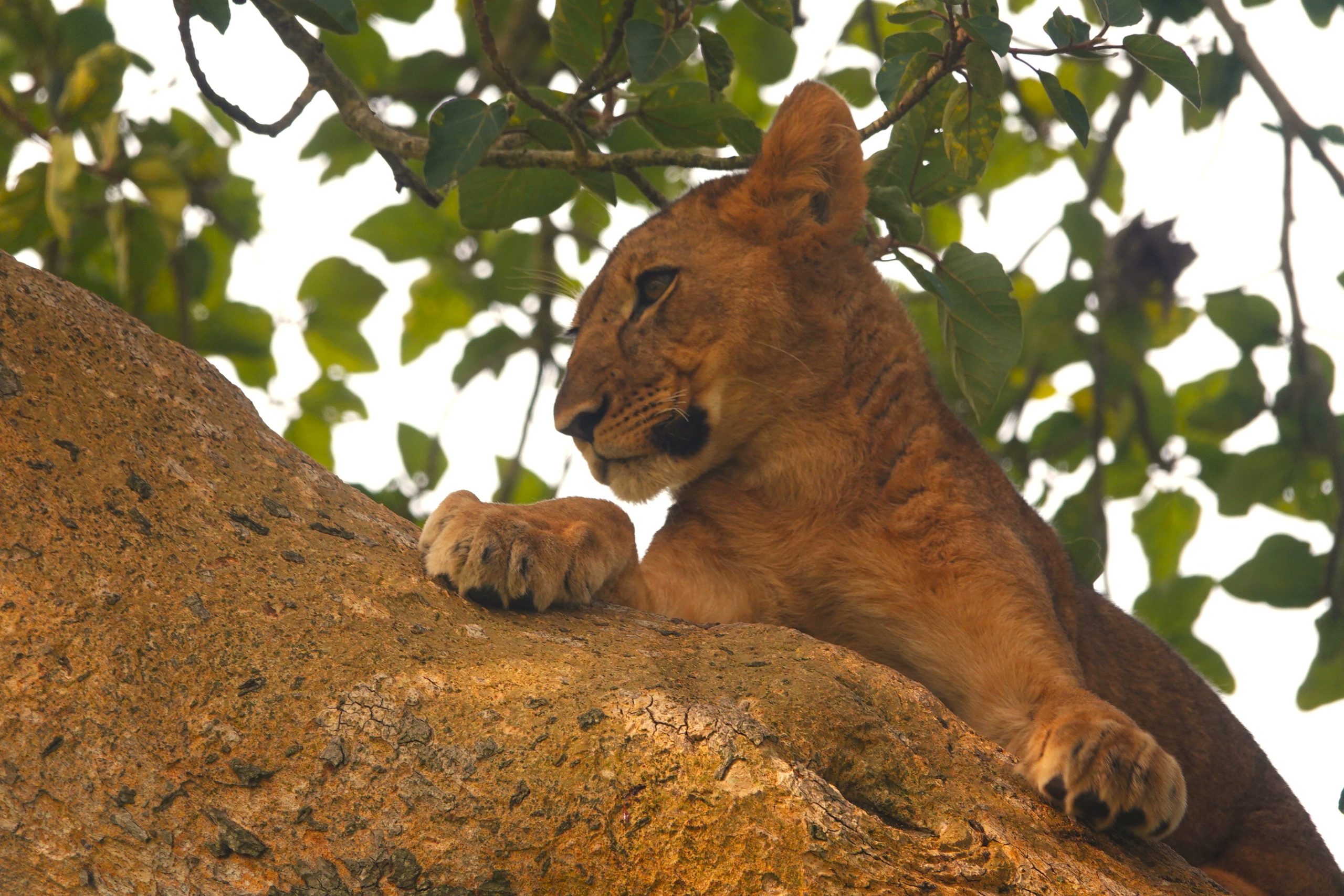
Ishasha sector, tucked in the park’s southern reaches, holds one of Africa’s rarest wildlife spectacles. Here, lions climb into the branches of fig trees and rest for hours above the plains. Scientists still debate the exact reason for this odd habit, though most point to relief from heat and biting insects on the ground.
Spotting a lioness draped lazily over a thick branch ranks among the most photographed safari moments in Uganda. Guides from Zamunda Travels know the favourite trees and the best hours for a sighting, so guests rarely leave Ishasha disappointed. Because the behaviour is uncommon elsewhere, this single feature alone draws serious wildlife enthusiasts to the region every year.
Buffalo, leopards, and side striped jackals also roam Ishasha’s plains. Meanwhile, herds of Uganda kob graze nervously below the fig trees, fully aware of what might be lurking overhead.
Cruising the Kazinga Channel Inside Queen Elizabeth National Park
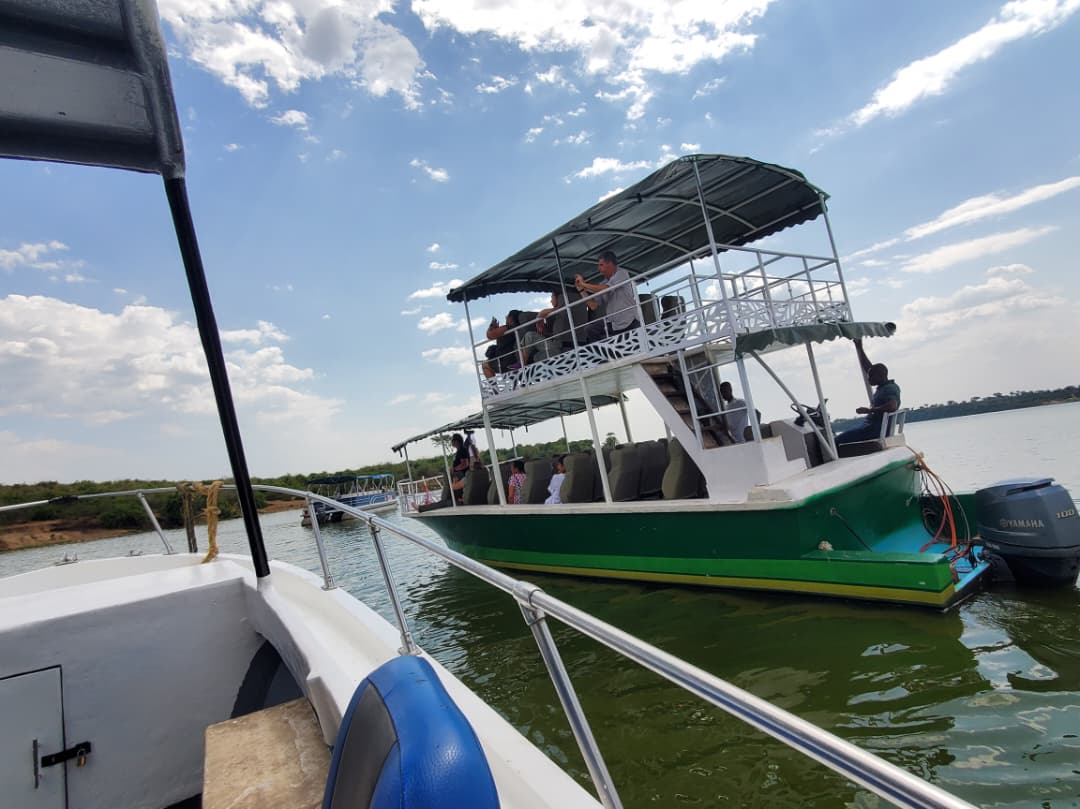
A boat cruise along the Kazinga Channel stands out as the single most popular activity in the park. The channel stretches roughly 32 kilometres and links Lake Edward to Lake George, and its banks host one of the densest hippo populations found anywhere in Africa.
Elephants wade into the shallows to drink, buffalo herds gather along the shoreline, and pelicans line the banks in tight rows. Because the boats move slowly and quietly, animals rarely react to the presence of visitors, so photo opportunities arrive constantly. Zamunda Travels schedules this cruise during the late afternoon whenever possible, since the golden light adds extra drama to every shot.
Fishing villages sit along parts of the channel too, offering a glimpse into daily Ugandan life that pairs naturally with the wildlife viewing. Local fishermen still cast nets from wooden canoes just metres from grazing hippos, a scene that surprises most first-time visitors.
Chimpanzee Trekking in Kyambura Gorge
South of the main savanna, a deep, forested ravine known as Kyambura Gorge hides a completely different ecosystem. Locals call it the Valley of Apes, and the name fits well. Chimpanzees, along with several other primate species, move through the dense canopy along the gorge floor.
Trekking here feels nothing like the open game drives elsewhere in the park. Vines hang low, birdsong fills the air, and the humidity thickens with every step downward. Reaching a chimpanzee family and watching them forage brings a rewarding sense of accomplishment after the steep hike back up.
Zamunda Travels pairs a Kyambura trek with an early morning game drive, giving guests both savanna and forest wildlife within a single busy day.

Birdwatching Paradise With in Queen Elizabeth National Park
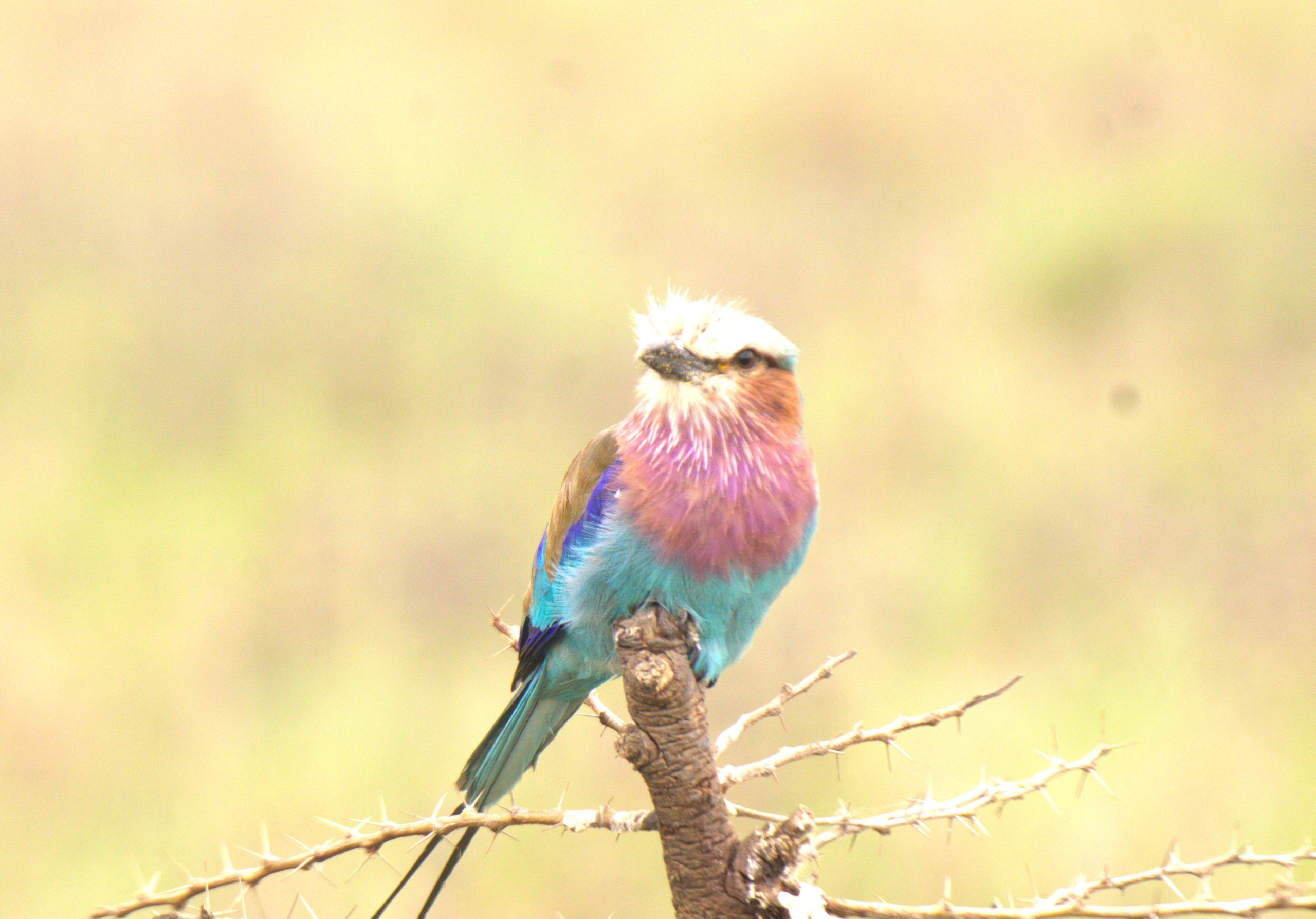
Birders travel from across the globe specifically for this park, and the numbers explain why. More than 600 species have been recorded here, including the elusive shoebill stork, the African fish eagle, and the striking papyrus gonolek. Flamingos gather at certain crater lakes during particular seasons, adding splashes of pink against the green landscape.
Wetlands near the Kazinga Channel attract herons, storks, and countless waterfowl, while the open savanna hosts bustards, larks, and colourful bee eaters. Because habitats change so quickly within short distances, a single morning walk can produce dozens of new species for a birding checklist. Guides trained by Zamunda Travels carry field checklists and know the calls of the rarer species, which helps enthusiasts tick off targets efficiently.
Diverse Ecosystems and Landscapes of Queen Elizabeth National Park
Crater lakes dot the northern Kasenyi plains, many of them formed by volcanic activity thousands of years ago. Some lakes carry high salt content and support almost no life, while others sustain fish and attract flocks of birds. Maramagambo Forest, meanwhile, offers dense canopy trekking and a bat cave inhabited by pythons that feed on the resident bat colony.
This mix of habitats means wildlife spreads unevenly across the park, and experienced guides matter enormously for a rewarding visit. Zamunda Travels routes every itinerary through the sectors that match a guest’s specific interests, whether that means predators, primates, or birds.
Cultural Encounters Near Queen Elizabeth National Park
The park’s story extends beyond wildlife alone. Communities living along its edges, including fishing villages and salt mining settlements at nearby Lake Katwe, offer visitors a window into local livelihoods shaped by the landscape. Salt has been harvested from Lake Katwe’s crater for generations, and a guided community walk explains the labour intensive process in detail.
These cultural stops add depth to a trip that might otherwise focus only on animals. Zamunda Travels includes at least one community visit in every extended itinerary, since guests consistently rate these interactions among their most memorable moments.
Best Time to Visit Queen Elizabeth National Park
Dry months, running roughly from June to September and again from December to February, offer the easiest game viewing. Vegetation thins out during these periods, and animals gather more predictably around remaining water sources. Roads also stay firmer, which makes game drives smoother and more comfortable.
Wetter months bring their own rewards, however. Birdlife peaks, migratory species arrive, and the scenery turns a deep, vivid green. Because fewer tourists travel during the rains, sightings often feel more private and unhurried. Zamunda Travels can plan a trip around either season, matching the timing to a guest’s priorities.
How Zamunda Travels Makes Your Queen Elizabeth National Park Safari Unforgettable
Planning a trip to this park involves more than booking a lodge and hoping for good luck. Timing a game drive, choosing the right sector, and reading animal behaviour all require local expertise. Zamunda Travels has spent years building relationships with rangers, boat operators, and community guides across the park, and that network translates directly into better sightings for our travellers.
Every itinerary we build balances iconic highlights, such as the Kazinga Channel cruise and the Ishasha tree-climbing lions, with quieter, less visited corners of the park. We also handle transport, permits, and accommodation, so guests can focus entirely on the experience in front of them. Because our team returns to this park repeatedly throughout the year, we track seasonal changes closely and adjust recommendations accordingly.
Final Thoughts on Visiting Queen Elizabeth National Park
Few parks anywhere combine tree climbing lions, hippo lined channels, chimpanzee filled gorges, and world-class birding within one boundary. Queen Elizabeth National Park manages exactly that, and it does so against a backdrop of volcanic craters and distant snow capped mountains. Whether wildlife, scenery, or culture draws you in, this park rewards every type of traveller.
Zamunda Travels stands ready to turn this itinerary into reality, handling every detail from arrival to departure. Reach out to our team today, and let Queen Elizabeth National Park become the highlight of your next Uganda adventure.