Things to Do in Kidepo Valley National Park
September 25, 2026
Where to Stay in Kidepo Valley National Park
September 25, 2026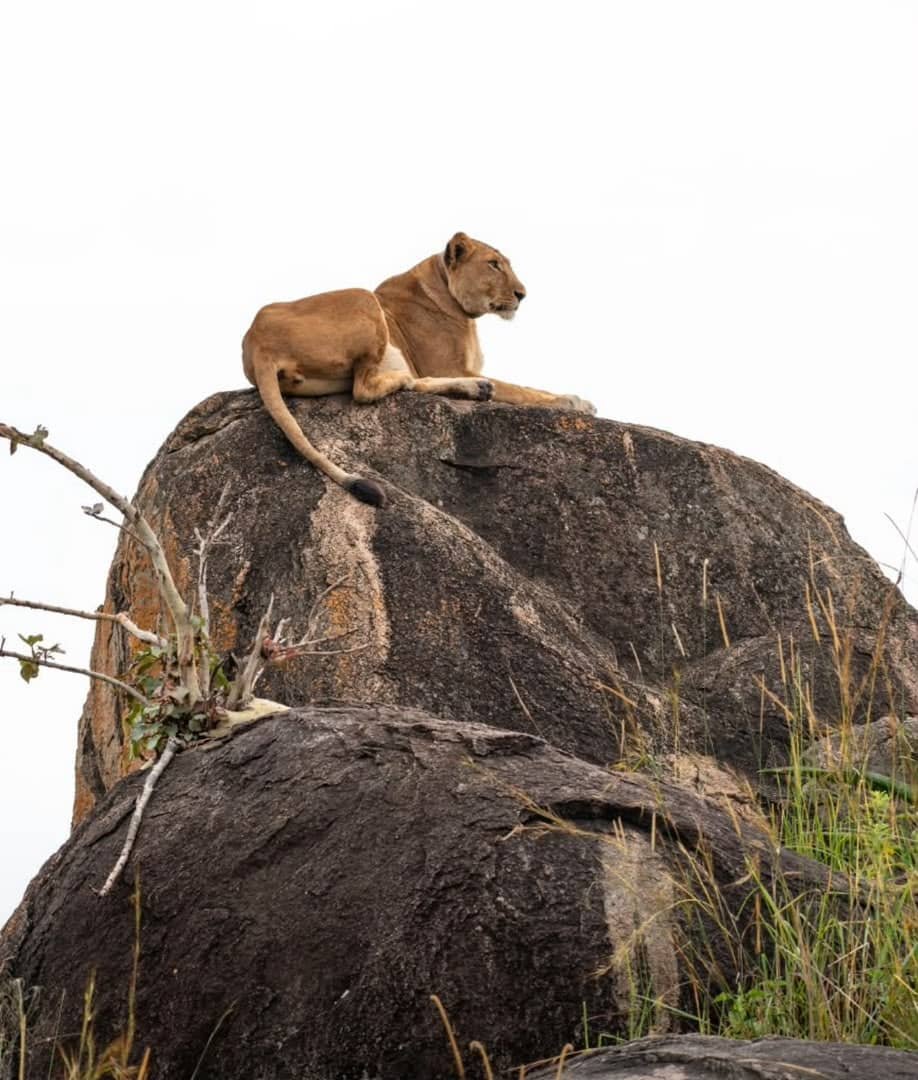
Few places in East Africa match the raw drama of Kidepo Valley National Park. Tucked into the far northeastern corner of Uganda, bordering South Sudan and Kenya, this rugged savannah park rewards the long journey with one of the richest concentrations of wildlife in the country. Wildlife in Kidepo Valley includes four of the Big Five, dozens of predator and antelope species, and a bird list that rivals any park in Uganda. At Zamunda Travels, we send guests here precisely because the animals feel wilder, the crowds are thinner, and every game drive carries the possibility of a genuine surprise.
An Overview of Wildlife in Kidepo Valley National Park
Kidepo Valley National Park protects around 80 mammal species, and roughly 28 of them exist nowhere else in Uganda. That single fact sets the park apart from other safari destinations in the country. The landscape shifts between the golden grasslands of Narus Valley and the harsher, drier terrain of Kidepo Valley itself, and each zone supports a slightly different mix of animals. Because rainfall is scarce and predictable water sources are few, wildlife in Kidepo Valley tends to gather around the remaining rivers and waterholes during dry periods. Visitors often describe the sightings here as concentrated and dramatic, with large herds and predators frequently visible across the open plains.
The Big Cats and Predators You Can Track in Kidepo
Kidepo carries a predator list that few Ugandan parks can equal. Lions move in prides across the open plains, while leopards favor rocky areas and riverine vegetation. Cheetahs also roam the park, although sightings are less common than those of lions. Beyond the better-known predators, Kidepo is home to several unusual carnivores. Caracals, aardwolves, striped hyenas and bat-eared foxes occur in the park, while black-backed and side-striped jackals can also be encountered. Night drives provide an opportunity to search for some of these more elusive nocturnal animals.
Elephants, Buffalo and the Giraffes of Kidepo Valley
Large herds of buffalo cross the plains throughout the year, while elephants move through the valley in family groups, particularly around the Narus River during dry periods. Giraffes add another layer to the wildlife experience. After the original population disappeared, Rothschild’s giraffes were reintroduced to Kidepo from Kenya’s Lake Nakuru area in the late 1990s. Additional giraffes were later translocated from Murchison Falls National Park. Today, visitors can once again see giraffes browsing among the acacia trees around the park. Zebras and warthogs also occur regularly and can often be seen during morning game drives.
Antelope and Other Herbivores Grazing the Valley
Kidepo hosts a remarkable variety of antelope species, keeping every game drive interesting. Jackson’s hartebeest and eland can be seen across the open savannah, while klipspringers are better suited to the rocky kopjes. Oribi, bohor reedbuck, Defassa waterbuck and bushbuck occur in areas with thicker vegetation and access to water. Uganda kob can gather in large numbers across Narus Valley. Mountain reedbuck and Guenther’s dik-dik are among the more specialized species that make Kidepo particularly interesting for wildlife enthusiasts. Because several species use the same water sources, a single stop can sometimes produce multiple antelope sightings.
Rare and Endemic Wildlife in Kidepo Valley
What truly separates Kidepo is its collection of species that are uncommon or restricted to northeastern Uganda. Greater and lesser kudu are among the striking antelopes found in the park, while Guenther’s dik-dik and mountain reedbuck add to its list of wildlife specialties. Caracals, aardwolves and striped hyenas are more elusive, making any sighting particularly memorable. For travelers who have already visited Uganda’s more popular parks, Kidepo provides an opportunity to encounter species and landscapes that feel distinctly different from the rest of the country.
Birds That Share the Skies With Kidepo’s Wildlife
Kidepo’s bird list runs beyond 460 species, making it one of Uganda’s important birding destinations. Several species are particularly associated with the dry northeastern region, including the Karamoja apalis. Raptors are also well represented, with species such as Verreaux’s eagle, pygmy falcon and Egyptian vulture recorded in the park. Ground-dwelling birds add further variety, with ostriches, kori bustards and secretary birds among the species visitors may encounter. Colorful birds such as red-throated bee-eaters and Abyssinian rollers also provide excellent photography opportunities.
Best Places to See Wildlife in Kidepo Valley
Narus Valley delivers some of the most reliable wildlife sightings in Kidepo because its water sources attract animals, particularly during the dry season. Buffalo, elephants, lions, giraffes and several antelope species can gather around the valley. Kidepo Valley itself is drier and more remote, but its open scenery and seasonal riverbeds create a different safari experience. Namamukweny Valley is another rewarding area, particularly for birdwatchers and visitors looking for a quieter game-viewing experience.
Best Time to Visit Kidepo Valley National Park
The best time to visit Kidepo Valley National Park for wildlife viewing is generally during the dry seasons, from June to September and December to February. During these months, rainfall is lower, vegetation becomes thinner, and animals are more likely to concentrate around permanent water sources such as those in Narus Valley. These conditions make it easier to spot large mammals and predators across the open savannah. The roads are also generally easier to navigate compared with periods of heavy rainfall.
The December to February dry season can be particularly rewarding for travelers who want concentrated wildlife around water sources, while June to September offers another favorable period for game viewing. However, Kidepo remains a year-round destination. The wet seasons transform the landscape with fresh vegetation and provide excellent conditions for birdwatching and photography. Migratory birds also add to the diversity during the wetter months. The scenery becomes greener and some animals spread out because water is more widely available, so sightings may require more patience.
For travelers who want a balance between wildlife viewing, pleasant safari conditions and greener landscapes, the shoulder periods can also be worthwhile. Zamunda Travels can help select the timing based on whether your main interest is big cats, large herds, birdwatching, photography or a combination of experiences.
Planning Your Wildlife Safari in Kidepo Valley With Zamunda Travels
Kidepo’s distance from Kampala keeps visitor numbers relatively low, and that isolation is part of what makes the wildlife experience special. Zamunda Travels can arrange the flights or road transfers, game drives and guiding needed for a smooth safari in this remote part of Uganda. Our team can also plan the itinerary around the season that best matches your interests, whether you want to focus on predators, large herds, birds or the park’s rare wildlife.
If you want a safari where the wildlife feels wild and the landscape feels genuinely remote, talk to Zamunda Travels about building a Kidepo Valley itinerary around your travel dates.