How Much Is a Chimpanzee Trekking Permit in Uganda?
September 11, 2026
Meet the Primates of Kibale National Park
September 11, 2026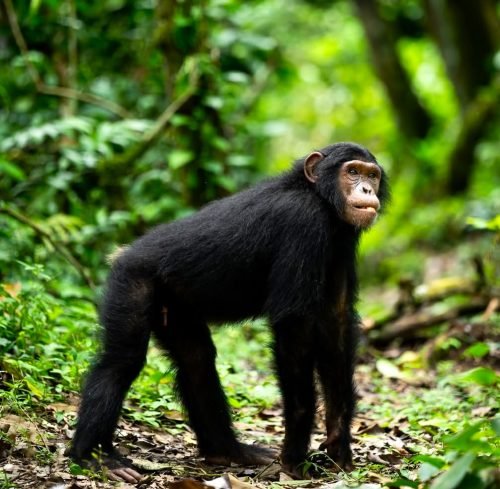
Kibale National Park is one of Uganda’s most exciting destinations for close encounters with wild chimpanzees. The forest is home to a large population of chimpanzees, along with many other primates and forest species. However, many travelers planning a chimpanzee trek ask the same question: What is the best time of day to see chimpanzees in Kibale? The answer depends on several factors, including the tracking session, weather, chimpanzee movements, and whether you choose standard chimpanzee tracking or the Chimpanzee Habituation Experience. At Zamunda Travels, we help travelers choose the most suitable option based on their safari plans and interests.
The main chimpanzee tracking activities take place from the Kanyanchu area of Kibale National Park. Uganda Wildlife Authority guidelines provide two normal tracking sessions. The morning session starts at 8:00 am, while the afternoon session starts at 2:00 pm. Chimpanzee habituation follows a different schedule and starts much earlier. The habituation experience begins at 6:30 am and can provide several hours with a chimpanzee community.
Best Time to See Chimpanzees in Kibale
For most visitors, the morning session is an excellent choice for chimpanzee tracking in Kibale. The standard morning trek begins at 8:00 am after the briefing. At this time, the forest is already active, and trackers begin following signs of chimpanzee movement. You may hear calls from the canopy, notice movement in the trees, or find feeding activity as the search develops. However, chimpanzees do not follow a fixed schedule for tourists. Their location can change quickly, so the exact time of the encounter varies from one trek to another.
Morning tracking also gives travelers a fresh start in the forest. The temperatures are often more comfortable than later in the day, especially when the sun becomes stronger. You can therefore concentrate on following your guide rather than dealing with unnecessary heat. The forest can still be humid, though, because Kibale is a tropical rainforest. For this reason, light clothing, sturdy hiking shoes, drinking water, and rain protection remain useful throughout the year.
The morning option can also work particularly well for travelers who want to combine chimpanzee tracking with other activities. After returning from the forest, you may have time for lunch and another experience later in the day. Depending on your itinerary, Zamunda Travels can combine chimpanzee tracking with the Bigodi Wetland experience, cultural activities, or onward travel toward destinations such as Queen Elizabeth National Park.
Why Morning Chimpanzee Tracking Is Popular
Morning tracking is popular because it provides an early start and allows visitors to explore the forest before the day becomes hotter. The forest itself becomes part of the experience. You may encounter several other primate species while searching for chimpanzees. Kibale is known for its rich primate diversity, which makes the walk interesting even before you locate the chimpanzee community.
Another advantage is the flexibility it provides after the trek. A traveler who starts at 8:00 am can usually use the afternoon for relaxation or another activity. This makes the morning session useful for short Uganda safari itineraries. It can also reduce pressure when travelers need to continue to another destination later in the day.
Still, travelers should understand one important point. An early start does not guarantee a chimpanzee sighting. Chimpanzees are wild animals, and they move freely through the forest. Rangers and trackers use their knowledge of the forest and recent chimpanzee movements to locate them. This is why experienced guides are an important part of the Kibale experience.
Best Time to See Chimpanzees: Morning or Afternoon?
The afternoon session is also a good option for visitors who cannot take the morning trek. According to Uganda Wildlife Authority guidelines, normal chimpanzee tracking begins at 2:00 pm for the afternoon session. The afternoon trek follows the same basic principle as the morning trek. Visitors receive guidance before entering the forest, then trackers search for the habituated chimpanzee community.
The afternoon option can suit travelers who arrive in the Kibale area later in the day. It can also work well for visitors who prefer a slower morning. For example, you may spend the early part of the day resting at your lodge or enjoying another activity before heading to Kanyanchu for the chimpanzee trek.
The forest conditions can change during the afternoon. Rain can develop quickly in a tropical rainforest, even during periods that travelers consider dry. Therefore, visitors should carry rain protection regardless of their chosen session. A wet afternoon does not automatically mean that the trek will fail. Chimpanzees remain in the forest, and tracking can continue under changing weather conditions when conditions are safe.
The afternoon session can also offer a different atmosphere. Light changes as the day progresses, which can create interesting conditions for wildlife photography. However, dense vegetation and the movement of chimpanzees can make photography challenging. A good camera lens, patience, and guidance from the trackers can make a significant difference.
Is Morning Better Than Afternoon?
If you have a choice between the two standard tracking sessions, morning is usually the more convenient option for many travelers. It provides an early start and leaves more time for other activities. However, it would be inaccurate to say that the morning session always produces better chimpanzee sightings.
Chimpanzees do not appear at a specific location simply because visitors arrive at a certain hour. Their behavior depends on food availability, social activity, weather, and movement through the forest. A morning group may find chimpanzees quickly, while another group may spend longer following them. The same applies to afternoon groups.
Therefore, the best choice depends on your priorities. If you want more flexibility for the rest of the day, choose the morning session. If your itinerary requires a slower morning, the afternoon session can work very well. Zamunda Travels can help organize the timing around your wider Uganda safari rather than treating the chimpanzee trek as an isolated activity.
Best Time to See Chimpanzees During the Year
The time of year also influences the chimpanzee trekking experience. Kibale can be visited throughout the year, and chimpanzee tracking operates in both wetter and drier periods. Uganda’s climate includes distinct wetter and drier periods, although rainfall can still occur during traditionally dry months.
Many safari planners recommend the drier periods from June to September and December to February because forest trails are generally easier to walk during these months. Drier conditions can make the trekking experience more comfortable, particularly when travelers need to follow chimpanzees through uneven forest terrain. SafariBookings also identifies January, February, June, and July among the driest months for Kibale.
However, the rainy periods should not be dismissed. Kibale is a rainforest, so rain contributes to the forest’s lush vegetation and vibrant atmosphere. Some travelers prefer these quieter periods because visitor numbers can be lower. The wet forest can also create beautiful photography conditions, although muddy and slippery trails require more care.
Interestingly, Uganda Wildlife Authority presents a different consideration. Its information on Kibale notes that the rainy season can be favorable for chimpanzee tracking despite muddy conditions. During drier periods, chimpanzees may move deeper into the forest in search of food. This is an important reason why travelers should not treat the dry season as a guarantee of better sightings.
Best Time to See Chimpanzees for Photography
Photography adds another factor to the question of timing. Chimpanzees can move quickly, climb trees, disappear behind leaves, or travel through dense vegetation. As a result, getting a clear photograph requires patience and good timing.
Morning light can be useful because it is generally softer than the stronger midday sun. However, the forest canopy blocks much of the direct sunlight. You may therefore photograph chimpanzees in low-light conditions even during the morning. A camera with good low-light performance can help.
Afternoon light can also produce attractive images. However, weather becomes an important consideration. Clouds and rain can reduce available light, while wet vegetation can make the forest visually dramatic. At Zamunda Travels, we recommend carrying appropriate camera equipment without allowing photography to distract from the actual wildlife experience.
Travelers should also follow all wildlife-viewing rules. Do not use flash photography around chimpanzees unless park authorities specifically allow it. Keep a safe distance and follow instructions from the ranger. Responsible photography protects both visitors and wildlife.
Morning Tracking vs Chimpanzee Habituation
Standard chimpanzee tracking and the Chimpanzee Habituation Experience are different activities. Normal tracking provides a shorter wildlife encounter. Uganda Wildlife Authority guidelines allow up to one hour of viewing once visitors reach the chimpanzees during standard tracking. The habituation experience allows up to four hours of viewing and starts at 6:30 am.
The habituation experience can therefore be particularly attractive to serious wildlife enthusiasts, photographers, and travelers who want to understand chimpanzee behavior in greater depth. Instead of focusing only on finding a habituated community, the experience provides more time to observe the animals as they move through their natural environment.
The early start is one of its biggest differences. Visitors begin around dawn and can follow the chimpanzees for a much longer period. This provides opportunities to observe changes in feeding, movement, communication, and social behavior throughout the day. It also gives participants a broader understanding of how chimpanzees use the forest.
For travelers with limited time, standard tracking may be the better choice. For travelers who want a deeper primate experience, habituation can provide a richer option. Zamunda Travels can advise you on which activity fits your interests, budget, and safari schedule.
What Can Affect Chimpanzee Sightings?
Time of day is only one part of the equation. Chimpanzee movements can change depending on food availability, weather, social behavior, and the location of the community. That means even experienced trackers cannot guarantee that visitors will find chimpanzees at a particular spot.
Weather can also influence the experience. Rain may make trails slippery and increase the physical challenge. At the same time, chimpanzees continue to use the forest during wet conditions. During drier periods, the animals may change their movements as they search for food. UWA specifically highlights this seasonal difference in its information about chimpanzee habituation and tracking.
The skill of the trackers also matters. Trackers monitor chimpanzee communities and use signs such as calls, nests, feeding remains, and movement patterns to locate them. Visitors should therefore pay close attention to their guides. Sometimes the most exciting part of the trek begins with something that is almost invisible to an untrained eye.
Tips for Getting the Most From Your Chimpanzee Trek
Arrive early for your scheduled activity and listen carefully during the briefing. Wear comfortable hiking shoes with good grip because forest paths can become slippery. Long trousers can protect your legs from vegetation, while a lightweight rain jacket can help during sudden showers.
Bring drinking water and keep your equipment protected from rain. A camera with a suitable zoom lens can help you photograph chimpanzees without moving too close. However, avoid carrying unnecessary equipment because you may need to walk for several hours.
Most importantly, remain flexible. A chimpanzee trek is not a zoo visit. The animals decide where they move, when they feed, and where they rest. Your guide and tracker can increase your chances of finding them, but nature remains unpredictable. That unpredictability is part of what makes Kibale so rewarding.
Best Time to See Chimpanzees With Zamunda Travels
Planning the right timing becomes easier when your chimpanzee trek forms part of a complete Uganda safari. Zamunda Travels can arrange Kibale chimpanzee trekking around other experiences in western Uganda. Depending on your itinerary, you can combine Kibale with Bigodi Wetland, Queen Elizabeth National Park, Bwindi Impenetrable National Park, Semuliki National Park, or other destinations.
For a typical traveler, the 8:00 am morning chimpanzee trek is an excellent choice because it provides an early forest experience and leaves the afternoon available for another activity. The 2:00 pm afternoon trek remains a strong alternative for travelers with different schedules. Meanwhile, the 6:30 am Chimpanzee Habituation Experience is the most suitable option for travelers who want extended time with the chimpanzees. These official activity times are set out in Uganda Wildlife Authority’s chimpanzee tracking guidelines.
The best season depends on what you value most. Drier months can make walking easier, while wetter periods can provide lush forest scenery and a quieter experience. Since chimpanzee behavior changes naturally, there is no single hour or month that guarantees the perfect encounter.
In conclusion, the best time of day to see chimpanzees in Kibale depends on your safari priorities. Morning tracking at 8:00 am is a convenient choice for many visitors, while the 2:00 pm session works well for travelers with different schedules. The early 6:30 am habituation experience provides a longer and more immersive experience. Kibale remains a year-round chimpanzee destination, so the right choice should consider weather, trekking conditions, photography, available time, and your overall safari plan. With careful planning and experienced guidance from Zamunda Travels, your time in Kibale can become one of the most memorable parts of your Uganda safari.